High-Performance Carbon Fiber Sheet Plate: Lightweight, Durable Composite Solutions

Get a Free Quote

Our representative will contact you soon.
Email
Name
Company Name
Message
0/1000

carbon fiber sheet plate

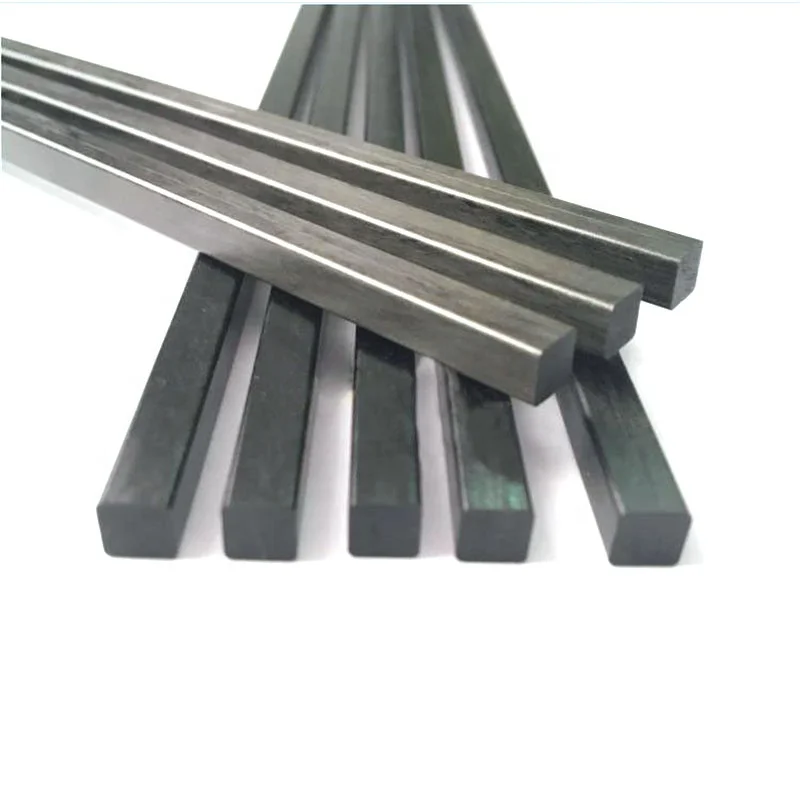
Carbon fiber sheet plate represents a revolutionary advancement in composite material technology, offering exceptional performance characteristics that have transformed numerous industries. This sophisticated material consists of carbon fibers woven together and embedded within a resin matrix, creating a lightweight yet incredibly strong structural component. The manufacturing process involves carefully layering carbon fiber fabrics and bonding them with epoxy or other polymer resins under controlled temperature and pressure conditions. The resulting carbon fiber sheet plate exhibits remarkable properties that make it superior to traditional materials like steel, aluminum, and conventional plastics. The primary functions of carbon fiber sheet plate include structural reinforcement, weight reduction, and enhanced performance in demanding applications. Its technological features encompass high tensile strength, excellent stiffness-to-weight ratio, corrosion resistance, and dimensional stability across varying temperatures. The material demonstrates exceptional fatigue resistance, maintaining its structural integrity even under repeated stress cycles. Carbon fiber sheet plate applications span aerospace engineering, automotive manufacturing, marine construction, sporting goods, architectural elements, and industrial equipment. In aerospace, these plates serve as wing components, fuselage panels, and control surfaces. The automotive industry utilizes carbon fiber sheet plate for body panels, chassis components, and interior elements to reduce vehicle weight while maintaining safety standards. Marine applications include hull construction, deck reinforcement, and sail components where strength and water resistance are crucial. The construction industry employs carbon fiber sheet plate for building reinforcement, bridge repair, and seismic retrofitting projects. Sporting equipment manufacturers integrate these plates into tennis rackets, golf clubs, bicycle frames, and protective gear. The material's versatility extends to electronic device housings, renewable energy components like wind turbine blades, and medical equipment requiring lightweight yet durable construction. The technological sophistication of carbon fiber sheet plate lies in its ability to be customized for specific applications through varying fiber orientations, resin systems, and manufacturing techniques.

New Product Releases

Carbon fiber sheet plate delivers numerous practical benefits that make it an exceptional choice for demanding applications across multiple industries. The most significant advantage lies in its outstanding strength-to-weight ratio, which surpasses traditional materials by substantial margins. This carbon fiber sheet plate characteristic enables engineers to design lighter structures without compromising strength or safety requirements. Weight reduction directly translates to improved fuel efficiency in vehicles, enhanced performance in sporting equipment, and easier handling in construction projects. The material exhibits superior durability compared to conventional alternatives, resisting wear, impact, and environmental degradation over extended periods. Unlike metal components that suffer from corrosion, carbon fiber sheet plate maintains its structural properties when exposed to moisture, chemicals, and harsh weather conditions. This corrosion resistance eliminates the need for protective coatings and reduces long-term maintenance costs significantly. The dimensional stability of carbon fiber sheet plate ensures consistent performance across temperature variations, preventing warping, expansion, or contraction that commonly affects other materials. This stability proves crucial in precision applications where tight tolerances must be maintained. Manufacturing flexibility represents another key advantage, as carbon fiber sheet plate can be molded into complex shapes and customized for specific requirements. The material allows for precise fiber orientation control, enabling engineers to optimize strength characteristics for particular load directions. Installation and modification processes are straightforward, requiring standard cutting tools and bonding techniques. The non-conductive properties of carbon fiber sheet plate make it ideal for electrical applications where insulation is necessary. Vibration dampening capabilities exceed those of metal alternatives, reducing noise and improving comfort in automotive and aerospace applications. The material's resistance to fatigue ensures reliable performance under repeated loading cycles, extending service life and reducing replacement frequency. Environmental benefits include reduced energy consumption due to weight savings and recyclability potential. Cost-effectiveness becomes apparent when considering the total lifecycle value, including reduced maintenance, longer service life, and improved performance. The aesthetic appeal of carbon fiber sheet plate adds value in visible applications, providing a modern, high-tech appearance that customers find attractive. Quality control during manufacturing ensures consistent properties and reliable performance across production batches.

Latest News

How to Make a Carbon Fiber Box: Choosing the Right Prepreg, Resin & Mold

20

Oct

How to Make a Carbon Fiber Box: Choosing the Right Prepreg, Resin & Mold

View More
The advantages of fiberglass stakes

20

Oct

The advantages of fiberglass stakes

View More
Applications and advantages of carbon fiber materials in industry

27

Oct

Applications and advantages of carbon fiber materials in industry

View More

Get a Free Quote

Our representative will contact you soon.
Email
Name
Company Name
Message
0/1000

carbon fiber sheet plate

Exceptional Strength-to-Weight Performance

Exceptional Strength-to-Weight Performance

The exceptional strength-to-weight performance of carbon fiber sheet plate stands as its most compelling feature, revolutionizing how engineers approach structural design challenges. This remarkable characteristic stems from the unique molecular structure of carbon fibers, which possess tensile strength exceeding that of steel while weighing approximately 75 percent less. The carbon fiber sheet plate achieves this performance through carefully engineered fiber arrangements that distribute loads efficiently across the material matrix. In practical applications, this translates to significant weight reductions without sacrificing structural integrity or safety margins. Aerospace engineers leverage this advantage to create aircraft components that reduce fuel consumption while maintaining strict safety standards. The automotive industry benefits from carbon fiber sheet plate implementation in body panels and chassis components, achieving weight reductions that improve acceleration, handling, and fuel efficiency. Marine applications utilize this strength-to-weight ratio for hull construction, creating vessels that move through water more efficiently while maintaining durability in harsh ocean conditions. The construction industry employs carbon fiber sheet plate for bridge reinforcement and building strengthening projects, where adding minimal weight while maximizing structural support proves crucial. Sporting goods manufacturers capitalize on this performance characteristic to create equipment that enhances athlete performance through reduced weight and maintained strength. The material's ability to handle high stress loads while remaining lightweight enables innovative designs previously impossible with traditional materials. Quality testing demonstrates that carbon fiber sheet plate maintains consistent strength properties across various environmental conditions, ensuring reliable performance in temperature extremes and humid conditions. The economic implications of this strength-to-weight advantage extend beyond initial material costs to include reduced transportation expenses, lower fuel consumption, and decreased structural support requirements. Manufacturing processes can be optimized to further enhance these properties through precise fiber orientation and resin selection. Long-term performance studies confirm that carbon fiber sheet plate maintains its strength-to-weight advantages throughout its service life, providing sustained value for critical applications.
Superior Durability and Corrosion Resistance

Superior Durability and Corrosion Resistance

Superior durability and corrosion resistance make carbon fiber sheet plate an outstanding investment for long-term applications where environmental challenges and extended service life are primary concerns. Unlike traditional metal materials that deteriorate through oxidation and chemical reactions, carbon fiber sheet plate maintains its structural properties when exposed to moisture, salt water, industrial chemicals, and atmospheric pollutants. This resistance stems from the inert nature of carbon fibers and the protective polymer matrix that shields them from environmental factors. Marine environments present particularly harsh conditions where salt water accelerates corrosion in metal components, but carbon fiber sheet plate performs consistently without degradation. The material withstands ultraviolet radiation exposure better than many alternatives, preventing brittleness and color fading that affect other composite materials. Temperature cycling, which causes expansion and contraction damage in traditional materials, has minimal impact on carbon fiber sheet plate due to its low coefficient of thermal expansion. Industrial applications benefit significantly from this durability, as equipment and structures maintain their performance characteristics throughout extended operating periods. The absence of corrosion eliminates the need for protective coatings, regular inspections, and premature replacement that burden conventional materials. Maintenance costs decrease substantially because carbon fiber sheet plate requires minimal upkeep compared to metal alternatives that need periodic painting, coating renewal, and corrosion treatment. Chemical processing facilities utilize carbon fiber sheet plate for equipment that contacts aggressive substances, relying on its chemical inertness for safe, long-term operation. The material's impact resistance exceeds that of many alternatives, absorbing energy from collisions and maintaining structural integrity. Fatigue resistance ensures consistent performance under repeated loading cycles, making carbon fiber sheet plate ideal for applications involving vibration or cyclical stress. Environmental testing confirms that carbon fiber sheet plate maintains its properties across wide temperature ranges and humidity variations. The economic benefits of this durability extend throughout the product lifecycle, reducing total ownership costs through decreased maintenance requirements and extended replacement intervals. Quality assurance protocols ensure consistent durability characteristics across production batches, providing reliable performance expectations for critical applications.
Versatile Design Flexibility and Customization Options

Versatile Design Flexibility and Customization Options

Versatile design flexibility and customization options position carbon fiber sheet plate as the premier choice for applications requiring precise engineering solutions and aesthetic excellence. This adaptability stems from the manufacturing process that allows engineers to control fiber orientation, layer thickness, and resin selection to achieve specific performance characteristics. The carbon fiber sheet plate can be tailored to optimize strength in particular directions, creating anisotropic properties that match loading requirements precisely. This customization capability enables weight optimization while maintaining necessary strength margins, something impossible with isotropic materials like metals. Complex geometries become achievable through molding processes that shape carbon fiber sheet plate into intricate forms without compromising structural integrity. The material accommodates various surface finishes, from smooth cosmetic appearances to textured surfaces that enhance grip or reduce glare. Color integration possibilities allow carbon fiber sheet plate to meet aesthetic requirements while maintaining performance characteristics. Thickness variations across a single component create optimized strength distribution, placing material only where structural demands require it. Hybrid constructions combine carbon fiber sheet plate with other materials, creating composite structures that leverage the best properties of each component. Manufacturing techniques include hand layup, vacuum bagging, autoclave processing, and resin transfer molding, each offering specific advantages for particular applications. The ability to incorporate inserts, mounting points, and integrated features during manufacturing eliminates secondary operations and reduces assembly complexity. Repair and modification capabilities allow carbon fiber sheet plate components to be updated or restored without complete replacement. Surface treatments enhance bonding characteristics when carbon fiber sheet plate interfaces with other materials or requires protective coatings. The material accommodates embedded sensors and monitoring systems for smart structure applications. Prototyping flexibility enables rapid design iterations and testing before full-scale production. Quality control measures ensure that customized carbon fiber sheet plate meets specified requirements consistently. Economic advantages include reduced tooling costs for complex shapes compared to metal fabrication and the ability to consolidate multiple components into single carbon fiber sheet plate assemblies. Design software compatibility allows engineers to model and analyze carbon fiber sheet plate behavior accurately during development phases.

Get a Free Quote

Our representative will contact you soon.
Email
Name
Company Name
Message
0/1000