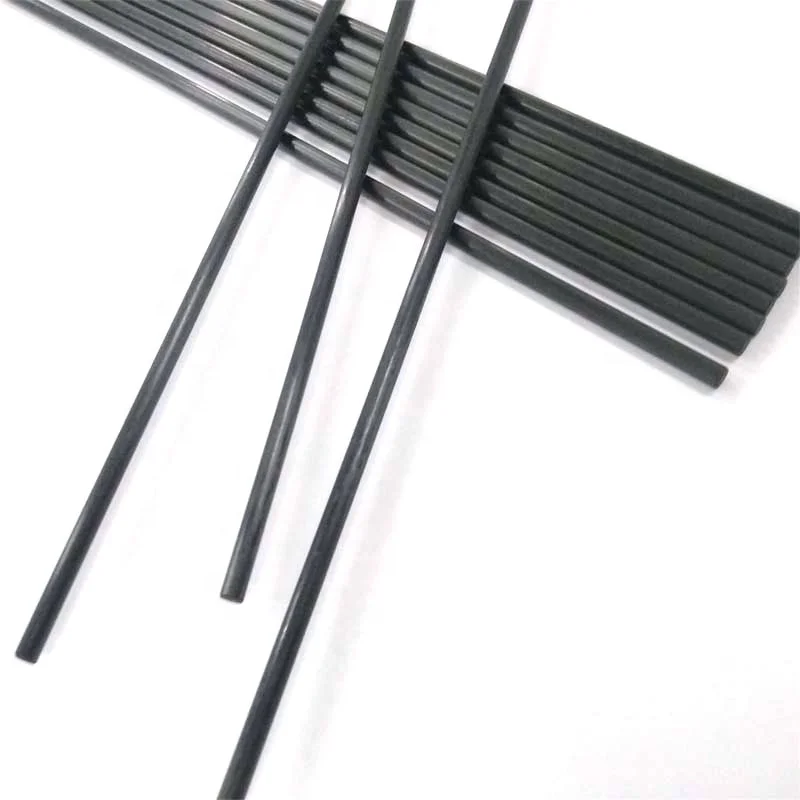
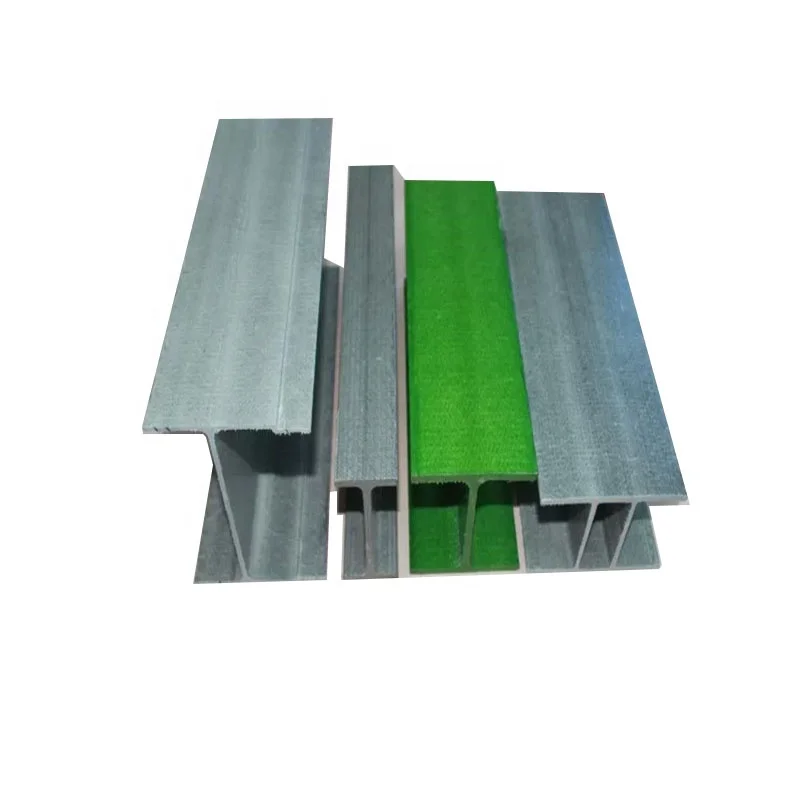
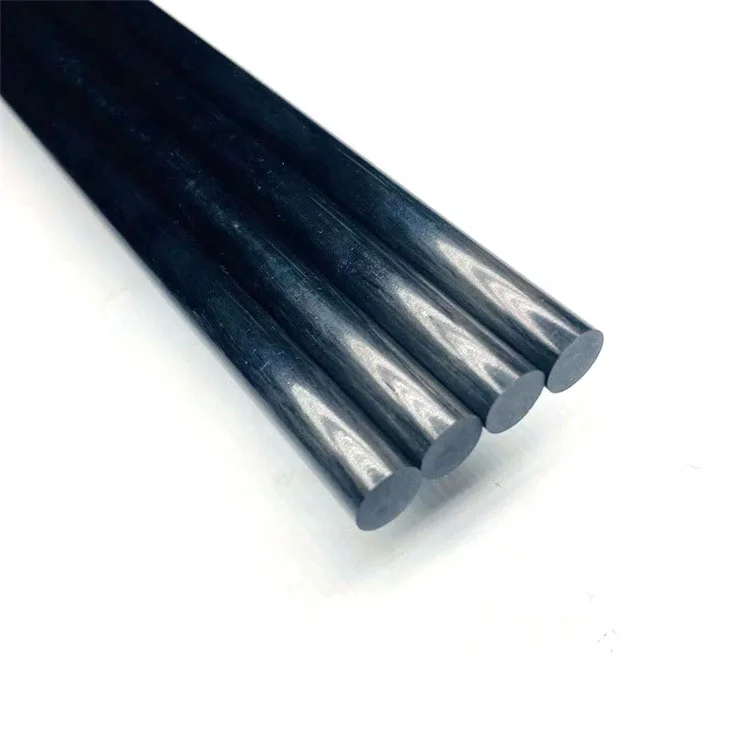
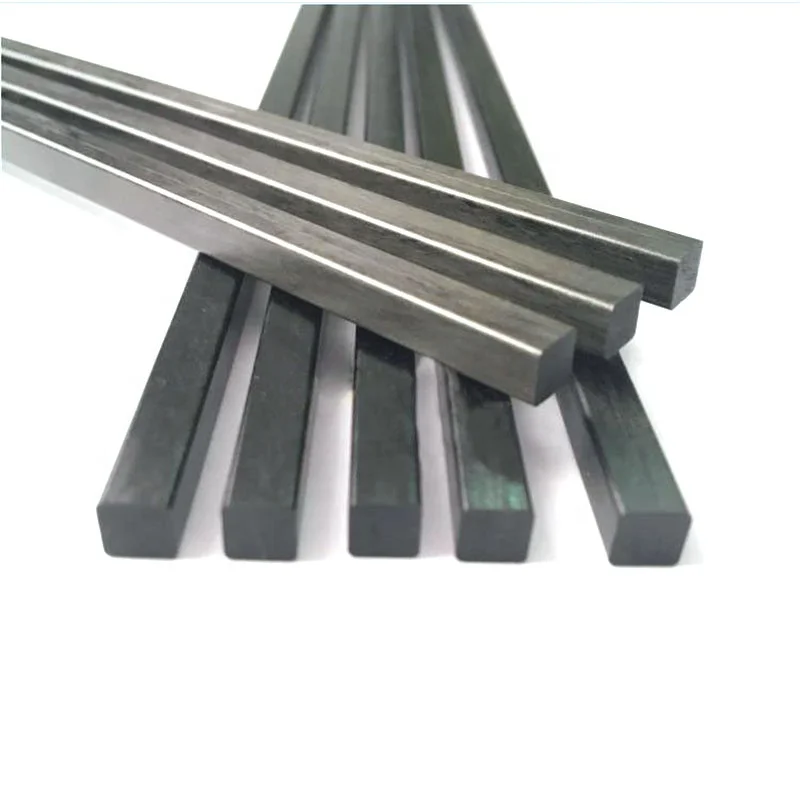
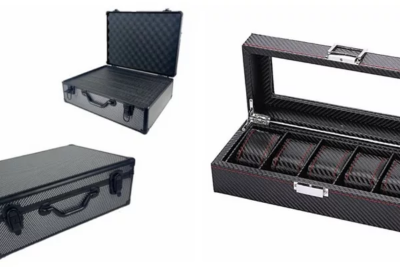
forged carbon sheet
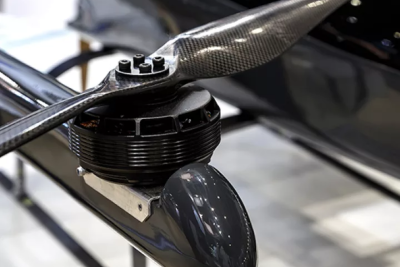
Forged carbon sheet represents a revolutionary advancement in composite material technology, offering exceptional performance characteristics that surpass traditional carbon fiber materials. This innovative manufacturing process creates a unique three-dimensional weave pattern that eliminates the limitations of conventional layered carbon fiber construction. The forged carbon sheet production method involves chopping carbon fiber strands into small segments and then compressing them under extreme pressure and temperature, resulting in a material with superior mechanical properties and distinctive aesthetic appeal. The main functions of forged carbon sheet include providing lightweight structural reinforcement, delivering exceptional strength-to-weight ratios, and offering superior impact resistance compared to standard carbon fiber alternatives. The technological features of this advanced material encompass isotropic properties, meaning it maintains consistent strength in all directions rather than being limited to specific fiber orientations. This omnidirectional strength characteristic makes forged carbon sheet particularly valuable in applications requiring multi-directional stress resistance. The manufacturing process creates a randomized fiber orientation that eliminates weak points typically found in traditional laminated carbon fiber structures. Applications for forged carbon sheet span across multiple industries, including automotive manufacturing where it serves as body panels, interior trim components, and structural reinforcements. Aerospace applications utilize this material for aircraft components, satellite structures, and drone frameworks. The sporting goods industry incorporates forged carbon sheet into high-performance equipment such as tennis rackets, golf clubs, bicycle frames, and protective gear. Electronics manufacturers employ this material for laptop housings, smartphone cases, and heat dissipation components. The marine industry benefits from forged carbon sheet applications in yacht construction, racing boat hulls, and marine hardware. Architectural applications include decorative panels, structural elements, and facade components where both aesthetics and performance matter.
 ×
×

 EN
EN