Fiberglass I Beams: Lightweight, Corrosion-Resistant Structural Solutions for Modern Construction

Get a Free Quote

Our representative will contact you soon.
Email
Name
Company Name
Message
0/1000

fiberglass i beam

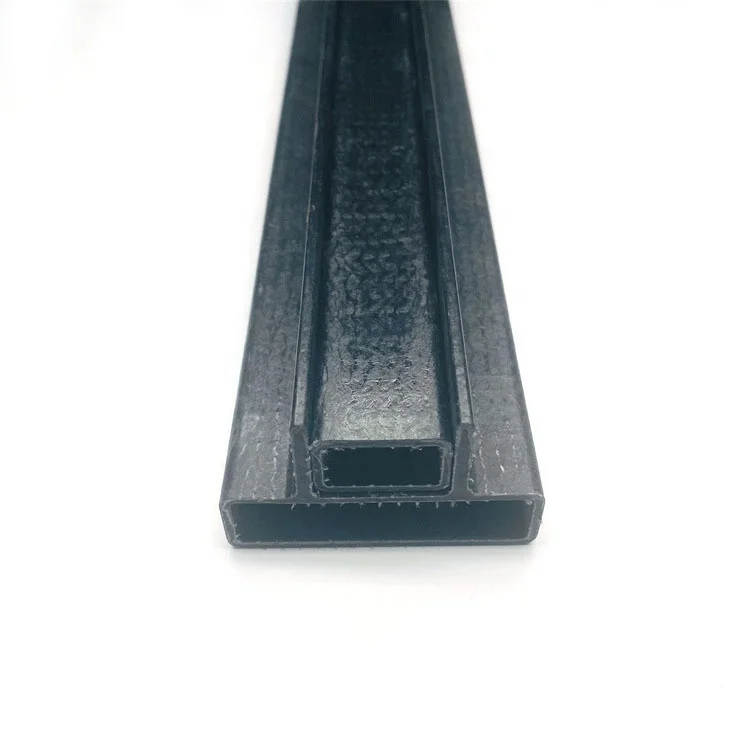
The fiberglass i beam represents a revolutionary advancement in structural engineering, combining the proven geometric efficiency of traditional steel I-beams with the superior properties of fiber-reinforced plastic materials. This innovative structural component features a distinctive I-shaped cross-section that maximizes load-bearing capacity while minimizing material usage, making it an ideal solution for modern construction and industrial applications. The fiberglass i beam consists of flanges connected by a central web, all manufactured using advanced pultrusion processes that ensure consistent quality and dimensional accuracy. The main functions of fiberglass i beams include providing structural support for buildings, bridges, walkways, and industrial platforms while offering exceptional resistance to environmental factors. These beams excel in applications requiring lightweight yet strong structural members, particularly in corrosive environments where traditional steel would deteriorate rapidly. Technological features of fiberglass i beams include their non-conductive properties, making them essential for electrical applications and environments with electromagnetic interference concerns. The manufacturing process involves continuous fiber reinforcement within a polymer matrix, creating a composite material that maintains its structural integrity under various loading conditions. Applications span across multiple industries including marine construction, chemical processing facilities, water treatment plants, and architectural projects where aesthetic appeal combines with functional requirements. The fiberglass i beam offers significant advantages in renovation projects where weight reduction is critical, as these components typically weigh 75% less than equivalent steel beams. Their dimensional stability ensures consistent performance across temperature variations, while their non-magnetic properties make them suitable for sensitive electronic environments. Installation benefits include reduced equipment requirements due to lighter weight, faster construction timelines, and lower transportation costs. The versatility of fiberglass i beams extends to custom applications where specific load requirements, dimensions, or environmental resistance properties are needed.

New Products

Fiberglass i beams deliver exceptional corrosion resistance that surpasses traditional steel alternatives, ensuring long-term structural integrity in harsh environments without requiring costly maintenance or protective coatings. This corrosion immunity makes fiberglass i beams particularly valuable in marine applications, chemical processing facilities, and outdoor structures exposed to salt air or acidic conditions. The lightweight nature of fiberglass i beams reduces installation complexity and labor costs while maintaining superior strength-to-weight ratios that often exceed steel performance. Construction crews benefit from easier handling and positioning, reducing workplace injuries and speeding project completion times significantly. The non-conductive properties of fiberglass i beams provide crucial safety advantages in electrical environments, eliminating risks associated with metal conductivity while maintaining structural performance. This electrical insulation capability makes these beams essential for power substations, telecommunications facilities, and industrial settings where electrical safety is paramount. Fiberglass i beams offer outstanding dimensional stability across temperature ranges, preventing the thermal expansion and contraction issues that plague metal alternatives. This stability ensures consistent structural performance regardless of seasonal temperature variations or industrial heating processes. The manufacturing process of fiberglass i beams allows for customization of mechanical properties to meet specific application requirements, providing engineers with design flexibility unavailable in standard steel products. Color integration during manufacturing eliminates the need for painting or surface treatments, reducing long-term maintenance costs while providing aesthetic options. Fiberglass i beams resist ultraviolet degradation when properly formulated, maintaining their appearance and structural properties under continuous sun exposure. The non-magnetic characteristics of fiberglass i beams prevent interference with sensitive electronic equipment or navigation systems, making them ideal for research facilities and technology installations. Installation speed increases dramatically with fiberglass i beams due to their reduced weight, often allowing smaller crews to complete projects faster while reducing equipment rental costs. The durability of fiberglass i beams translates to lower lifecycle costs through reduced maintenance, longer service life, and sustained performance characteristics that remain consistent over decades of use.

Practical Tips

How to Make a Carbon Fiber Box: Choosing the Right Prepreg, Resin & Mold

20

Oct

How to Make a Carbon Fiber Box: Choosing the Right Prepreg, Resin & Mold

View More
The advantages of fiberglass stakes

20

Oct

The advantages of fiberglass stakes

View More
Applications and advantages of carbon fiber materials in industry

27

Oct

Applications and advantages of carbon fiber materials in industry

View More

Get a Free Quote

Our representative will contact you soon.
Email
Name
Company Name
Message
0/1000

fiberglass i beam

Superior Corrosion Resistance for Extended Service Life

Superior Corrosion Resistance for Extended Service Life

The exceptional corrosion resistance of fiberglass i beams represents one of their most significant advantages over traditional structural materials, providing decades of reliable service in environments that would rapidly degrade steel or aluminum alternatives. Unlike metal beams that require protective coatings, regular maintenance, and eventual replacement due to rust and corrosion, fiberglass i beams maintain their structural integrity and appearance throughout their service life without degradation. This corrosion immunity stems from the inherent properties of the fiber-reinforced polymer matrix, which remains unaffected by moisture, salt spray, acids, alkalis, and most industrial chemicals. In marine environments where salt air and direct seawater contact would destroy steel beams within years, fiberglass i beams continue performing at full capacity for decades without showing signs of deterioration. Chemical processing facilities benefit enormously from this corrosion resistance, as fiberglass i beams can withstand exposure to aggressive chemicals that would quickly compromise metal alternatives, eliminating the need for expensive protective systems and frequent replacements. The economic impact of this corrosion resistance extends far beyond initial material costs, as facility owners avoid ongoing maintenance expenses, protective coating applications, and premature replacement cycles that plague steel structures. Wastewater treatment plants utilize fiberglass i beams extensively because of their ability to resist the corrosive gases and moisture present in these environments, maintaining structural integrity while supporting critical equipment and walkway systems. The consistency of performance over time means that load ratings and safety factors remain unchanged throughout the beam's service life, providing engineers and facility managers with confidence in their structural systems. This corrosion resistance also extends to coastal construction projects where salt air and storm surge conditions would rapidly deteriorate conventional materials, making fiberglass i beams the preferred choice for boardwalks, piers, and coastal infrastructure projects.

Lightweight Design with Exceptional Strength Performance

Lightweight Design with Exceptional Strength Performance

The remarkable strength-to-weight ratio of fiberglass i beams revolutionizes structural design possibilities by delivering exceptional load-bearing capacity while weighing approximately 75% less than equivalent steel beams, opening new opportunities for innovative architectural and engineering solutions. This weight reduction translates directly into reduced foundation requirements, lower transportation costs, and simplified installation procedures that can dramatically decrease overall project expenses. Construction crews can handle longer spans of fiberglass i beams manually, reducing crane time and heavy equipment requirements while maintaining safety standards and improving productivity. The pultrusion manufacturing process creates continuous fiber reinforcement along the beam's length, ensuring optimal strength distribution and eliminating weak points common in welded or bolted steel connections. Engineering calculations demonstrate that fiberglass i beams can achieve load capacities comparable to steel while enabling designs that would be impractical with heavier materials due to foundation or support limitations. Renovation projects particularly benefit from this lightweight advantage, as existing structures can often support fiberglass i beam additions without requiring costly foundation reinforcement or structural modifications. The reduced dead load of fiberglass i beam systems allows for more efficient use of available load capacity, enabling designers to accommodate greater live loads or extend spans beyond what would be possible with traditional materials. Transportation logistics improve significantly with fiberglass i beams, as trucks can carry more linear feet per load, reducing delivery costs and environmental impact while improving project scheduling flexibility. Installation safety increases dramatically when workers handle lighter components, reducing the risk of injury and improving overall job site safety records. The strength characteristics of fiberglass i beams remain consistent across their cross-section, unlike steel which may have variations due to rolling or fabrication processes, ensuring predictable performance in structural calculations. Seismic design applications benefit from the reduced mass of fiberglass i beam structures, as lower building weight translates to reduced earthquake forces and potentially simpler foundation systems in seismically active regions.
Electrical Insulation and Non-Magnetic Properties for Specialized Applications

Electrical Insulation and Non-Magnetic Properties for Specialized Applications

The inherent electrical insulation and non-magnetic properties of fiberglass i beams provide critical safety and performance advantages in specialized applications where traditional conductive materials would create hazards or interfere with sensitive operations. These properties make fiberglass i beams indispensable in electrical substations, power generation facilities, and telecommunications installations where metal structures could create dangerous electrical pathways or electromagnetic interference. The dielectric strength of fiberglass i beams eliminates the risk of electrical arcing or short circuits that could occur with metal structural members, providing essential safety protection for workers and equipment in high-voltage environments. Research facilities and laboratories rely on the non-magnetic characteristics of fiberglass i beams to prevent interference with sensitive instruments, magnetic resonance equipment, and precision measurement devices that require magnetically neutral environments. The electrical insulation properties remain stable over time and across temperature ranges, ensuring consistent safety performance throughout the beam's service life without degradation or the need for additional insulating materials. Telecommunications towers and antenna support structures benefit significantly from fiberglass i beams because their non-conductive properties prevent signal interference and eliminate grounding complications associated with metal support structures. Hospital and medical facility applications utilize fiberglass i beams near MRI equipment and other magnetic imaging devices where ferrous materials would create dangerous projectile risks and image distortion problems. The manufacturing process of fiberglass i beams ensures uniform electrical properties throughout the cross-section, eliminating concerns about conductive pathways that might develop in composite materials with inconsistent fiber distribution. Explosive environments in petrochemical facilities require non-sparking materials, making fiberglass i beams essential for structural applications where static electricity or impact sparks could trigger dangerous situations. Electronic manufacturing facilities depend on the electromagnetic compatibility of fiberglass i beams to maintain clean electrical environments free from metal-induced interference that could affect sensitive production processes. The combination of electrical insulation and structural strength allows fiberglass i beams to serve dual functions in many applications, eliminating the need for separate insulating barriers while providing necessary load support, thereby simplifying designs and reducing costs.

Get a Free Quote

Our representative will contact you soon.
Email
Name
Company Name
Message
0/1000