High-Performance Carbon Fiber Pipe Solutions - Lightweight, Durable & Corrosion-Resistant Piping Systems

Get a Free Quote

Our representative will contact you soon.
Email
Name
Company Name
Message
0/1000

carbon fiber pipe

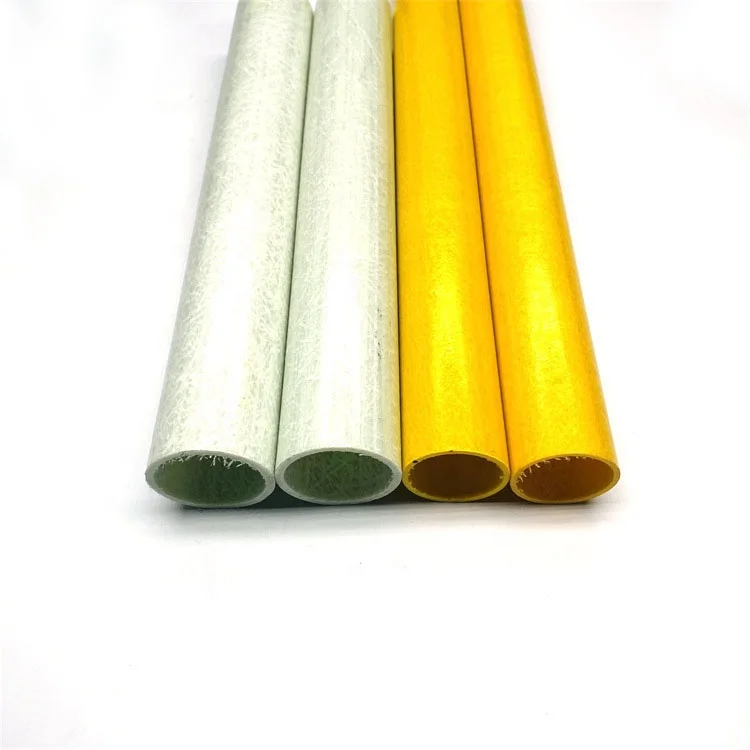
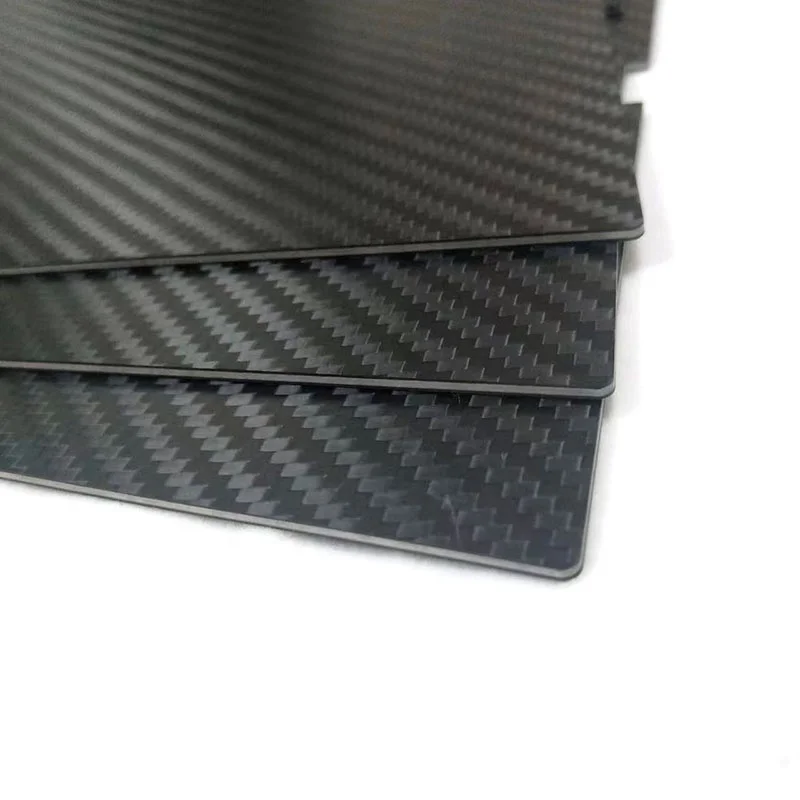
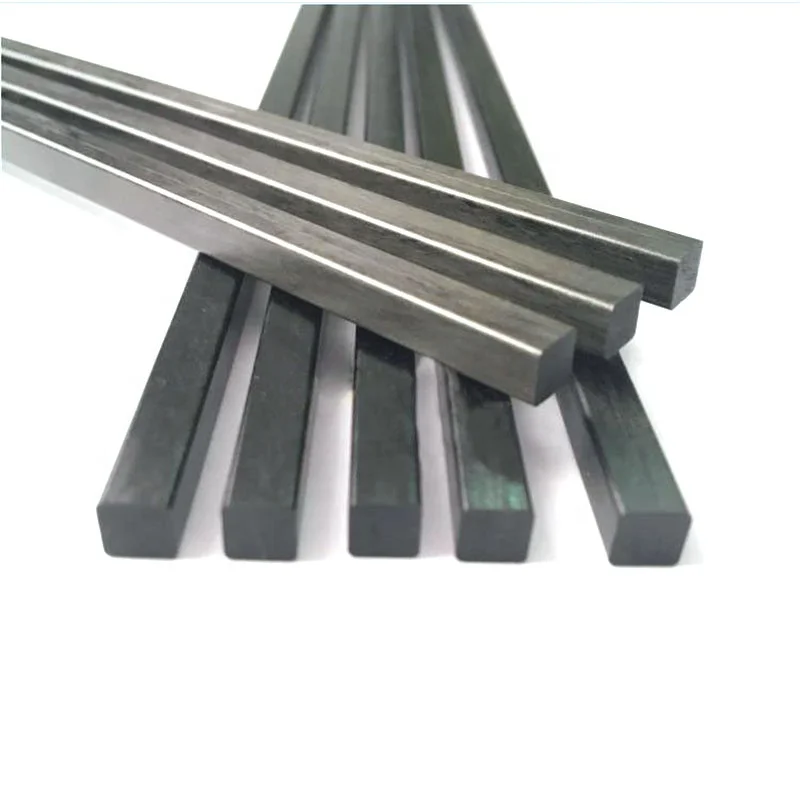
Carbon fiber pipe represents a revolutionary advancement in modern piping technology, offering exceptional performance characteristics that surpass traditional materials in numerous applications. This innovative carbon fiber pipe construction utilizes high-strength carbon fibers embedded within a polymer matrix, creating a composite material that delivers outstanding structural integrity while maintaining remarkably low weight. The carbon fiber pipe manufacturing process involves precise layering of carbon fiber sheets, ensuring optimal fiber orientation to maximize strength-to-weight ratios and enhance overall durability. These pipes excel in demanding environments where conventional materials fail, making carbon fiber pipe solutions increasingly popular across aerospace, automotive, marine, and industrial sectors. The primary functions of carbon fiber pipe include fluid transportation, structural support, and pressure containment, with capabilities extending far beyond basic conveyance systems. Advanced carbon fiber pipe designs incorporate sophisticated engineering principles, utilizing unidirectional and bidirectional fiber arrangements to optimize performance for specific applications. The technological features of carbon fiber pipe include excellent corrosion resistance, superior fatigue properties, and exceptional dimensional stability under varying temperature conditions. Unlike metal alternatives, carbon fiber pipe maintains consistent performance across extreme temperature ranges, from cryogenic applications to high-temperature industrial processes. The non-conductive nature of carbon fiber pipe provides additional safety benefits in electrical environments, eliminating concerns about galvanic corrosion and electromagnetic interference. Manufacturing precision ensures carbon fiber pipe products meet stringent quality standards, with consistent wall thickness and smooth internal surfaces that minimize pressure losses and enhance flow efficiency. The versatility of carbon fiber pipe extends to customizable configurations, allowing engineers to specify exact dimensions, pressure ratings, and connection types to meet project requirements. Modern carbon fiber pipe applications span critical infrastructure projects, specialized manufacturing equipment, and high-performance vehicle systems where weight reduction and strength optimization are paramount considerations.

New Product Releases

Carbon fiber pipe delivers numerous practical advantages that translate directly into operational benefits and cost savings for users across various industries. The most significant advantage of carbon fiber pipe lies in its exceptional strength-to-weight ratio, providing structural capabilities equivalent to steel while weighing approximately 75 percent less, resulting in reduced installation costs and simplified handling procedures. This weight reduction becomes particularly valuable in applications where every pound matters, such as aerospace systems, racing vehicles, and portable equipment where carbon fiber pipe enables improved performance and fuel efficiency. The corrosion resistance of carbon fiber pipe eliminates the ongoing maintenance costs associated with metal pipes, as these composite structures remain unaffected by moisture, chemicals, and environmental factors that typically degrade traditional materials over time. Users benefit from extended service life and reduced replacement frequency, making carbon fiber pipe a cost-effective long-term investment despite higher initial costs. The smooth internal surface of carbon fiber pipe reduces friction losses, improving flow efficiency and reducing pumping requirements, which translates to lower energy consumption and operational costs throughout the system's lifetime. Temperature stability represents another crucial advantage, as carbon fiber pipe maintains dimensional accuracy and structural integrity across extreme temperature variations without expansion-related stress or performance degradation that affects metal alternatives. The non-conductive properties of carbon fiber pipe provide safety advantages in electrical environments, preventing galvanic corrosion and eliminating electromagnetic interference concerns that can disrupt sensitive electronic systems. Installation flexibility becomes apparent through the ease of cutting, drilling, and joining carbon fiber pipe using standard tools and techniques, reducing specialized labor requirements and installation time compared to complex metal welding procedures. The design versatility of carbon fiber pipe allows customization for specific pressure requirements, connection types, and dimensional specifications without the tooling costs associated with metal pipe manufacturing. Environmental benefits include recyclability of carbon fiber pipe materials and reduced transportation emissions due to lighter shipping weights, supporting sustainability initiatives while delivering superior performance characteristics that exceed traditional material capabilities in demanding applications.

Tips And Tricks

How to Make a Carbon Fiber Box: Choosing the Right Prepreg, Resin & Mold

20

Oct

How to Make a Carbon Fiber Box: Choosing the Right Prepreg, Resin & Mold

View More
The advantages of fiberglass stakes

20

Oct

The advantages of fiberglass stakes

View More
Applications and advantages of carbon fiber materials in industry

27

Oct

Applications and advantages of carbon fiber materials in industry

View More

Get a Free Quote

Our representative will contact you soon.
Email
Name
Company Name
Message
0/1000

carbon fiber pipe

Unmatched Strength-to-Weight Performance

Unmatched Strength-to-Weight Performance

The exceptional strength-to-weight ratio of carbon fiber pipe represents a fundamental advantage that revolutionizes system design and performance across numerous applications. This carbon fiber pipe characteristic stems from the inherent properties of carbon fibers, which possess tensile strength exceeding that of steel while maintaining a fraction of the weight, typically reducing overall system weight by 60-75 percent compared to equivalent metal installations. The engineering significance of this carbon fiber pipe advantage becomes apparent in aerospace applications where every ounce of weight reduction translates to improved fuel efficiency and enhanced payload capacity, making carbon fiber pipe an essential component in modern aircraft and spacecraft systems. In automotive racing environments, carbon fiber pipe enables engineers to design lighter exhaust systems, fuel lines, and cooling circuits that improve vehicle performance without compromising structural integrity or safety standards. The construction industry benefits from carbon fiber pipe installations that reduce building loads, simplify structural requirements, and enable innovative architectural designs previously impossible with heavier traditional materials. Marine applications particularly showcase the value of lightweight carbon fiber pipe in yacht construction and offshore platforms where weight distribution affects stability and fuel consumption. The installation advantages of lightweight carbon fiber pipe include reduced crane requirements, simplified support structures, and decreased labor costs due to easier handling and positioning during construction phases. Manufacturing equipment designers utilize carbon fiber pipe to create portable systems and mobile machinery that maintain industrial-grade performance while achieving unprecedented mobility and flexibility. The transportation sector leverages carbon fiber pipe advantages in public transit systems, freight handling equipment, and logistics infrastructure where weight reduction directly correlates with operational efficiency and environmental impact reduction. Research facilities and laboratories benefit from carbon fiber pipe installations that enable precise equipment positioning and reconfiguration without requiring heavy-duty support systems or specialized handling equipment, facilitating rapid adaptation to changing research requirements.
Superior Corrosion and Chemical Resistance

Superior Corrosion and Chemical Resistance

The outstanding corrosion and chemical resistance of carbon fiber pipe delivers exceptional durability and reliability in harsh environmental conditions where traditional materials rapidly deteriorate, providing long-term performance advantages that significantly reduce maintenance costs and system downtime. Unlike metal pipes that succumb to oxidation, galvanic corrosion, and chemical attack, carbon fiber pipe maintains structural integrity when exposed to acids, alkalis, solvents, and corrosive gases that would quickly compromise steel, aluminum, or copper alternatives. This carbon fiber pipe characteristic proves particularly valuable in chemical processing plants where aggressive substances flow through piping systems continuously, as the composite construction remains unaffected by chemical exposure that would require frequent replacement of metal components. Marine environments present extreme corrosion challenges where saltwater exposure rapidly degrades metal piping systems, but carbon fiber pipe installations demonstrate exceptional longevity without protective coatings or cathodic protection systems required for metal alternatives. Industrial facilities processing corrosive materials benefit from carbon fiber pipe systems that eliminate concerns about contamination from pipe degradation products, ensuring product purity and process reliability while reducing disposal costs associated with corroded metal components. The chemical inertness of carbon fiber pipe prevents leaching of metallic ions into transported fluids, making these systems ideal for pharmaceutical manufacturing, food processing, and laboratory applications where contamination control is critical. Underground installations particularly benefit from carbon fiber pipe resistance to soil chemicals and groundwater conditions that accelerate metal pipe deterioration, providing decades of reliable service without cathodic protection or specialized coatings. Wastewater treatment facilities utilize carbon fiber pipe for handling aggressive effluents and treatment chemicals that rapidly corrode conventional materials, achieving extended service life and reduced maintenance interventions. The dimensional stability of carbon fiber pipe under chemical exposure prevents joint failures and leakage problems common in metal systems where corrosion causes expansion and distortion, ensuring long-term system integrity and operational reliability in demanding chemical environments.
Exceptional Temperature Stability and Thermal Performance

Exceptional Temperature Stability and Thermal Performance

The remarkable temperature stability and thermal performance characteristics of carbon fiber pipe enable reliable operation across extreme temperature ranges while maintaining dimensional accuracy and structural properties that surpass traditional piping materials in demanding thermal environments. Carbon fiber pipe demonstrates exceptional thermal stability from cryogenic temperatures below -200°C to elevated temperatures exceeding 200°C, providing versatility for applications ranging from liquid nitrogen handling systems to high-temperature industrial processes without performance degradation or dimensional changes. The low thermal expansion coefficient of carbon fiber pipe virtually eliminates expansion-related stresses that plague metal piping systems, reducing the need for expansion joints, flexible connections, and complex support structures typically required to accommodate thermal movement in traditional installations. This thermal stability advantage of carbon fiber pipe becomes particularly valuable in precision applications where dimensional accuracy is critical, such as semiconductor manufacturing equipment, scientific instrumentation, and aerospace systems where thermal expansion could compromise performance or safety. Cryogenic applications showcase the exceptional performance of carbon fiber pipe in liquid gas storage and distribution systems where extreme cold temperatures cause metal pipes to become brittle and prone to failure, while carbon fiber pipe maintains flexibility and strength throughout the temperature range. High-temperature processes in power generation, chemical processing, and industrial heating systems benefit from carbon fiber pipe installations that resist thermal degradation and maintain structural integrity without requiring expensive high-temperature alloys or specialized protective measures. The thermal conductivity characteristics of carbon fiber pipe provide insulation benefits that reduce energy losses and prevent condensation problems common in metal piping systems, improving overall system efficiency while reducing operating costs. Solar thermal systems and geothermal installations utilize carbon fiber pipe for reliable heat transfer and fluid circulation in environments where temperature cycling and thermal shock would rapidly fatigue metal components. Laboratory and research facilities appreciate the thermal stability of carbon fiber pipe in precision temperature control systems where maintaining exact conditions is essential for experimental accuracy and equipment protection, enabling consistent performance across varying ambient conditions.

Get a Free Quote

Our representative will contact you soon.
Email
Name
Company Name
Message
0/1000