
 EN
EN


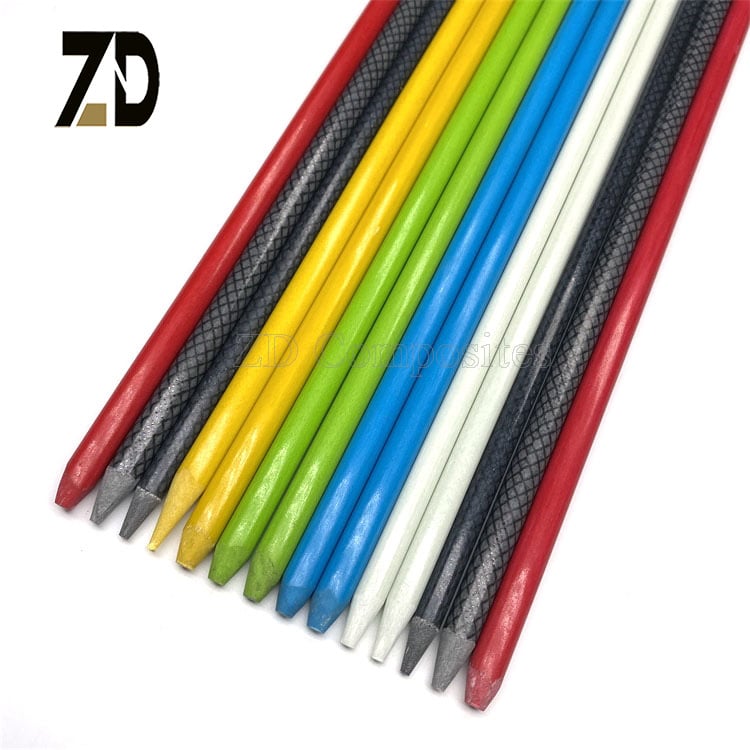
Modern construction and engineering industries continue to evolve, seeking materials that offer enhanced performance while maintaining cost-effectiveness. Among the most revolutionary developments in structural reinforcement is the widespread adoption of advanced composite materials, particularly the fiberglass rod, which has transformed how engineers approach structural integrity challenges. These innovative reinforcement solutions provide exceptional strength-to-weight ratios, corrosion resistance, and dimensional stability that traditional materials simply cannot match in demanding applications.
The construction sector has witnessed a significant shift toward composite reinforcement materials as projects become increasingly complex and environmental considerations take precedence. Engineers and contractors now recognize that conventional steel reinforcement, while proven, presents limitations in specific applications where corrosion, weight, or electromagnetic interference become critical factors. The fiberglass rod emerges as a game-changing alternative that addresses these challenges while delivering superior long-term performance in various structural applications.
Fundamental Properties and Composition
Material Science Behind Composite Reinforcement
The exceptional performance characteristics of composite reinforcement stem from advanced material science principles that combine high-strength glass fibers with specialized resin matrices. Each fiberglass rod consists of continuous glass filaments that are carefully arranged and bound together using thermosetting polymers, creating a unidirectional composite structure optimized for tensile strength. This manufacturing process, known as pultrusion, ensures consistent fiber alignment and optimal resin distribution throughout the rod's cross-section.
The glass fibers themselves are manufactured from high-purity silica sand and other raw materials that are melted at extremely high temperatures and drawn into continuous filaments. These filaments possess inherent properties that make them ideal for structural applications, including high tensile strength, excellent dimensional stability, and resistance to environmental degradation. When combined with appropriate resin systems, the resulting fiberglass rod exhibits mechanical properties that often exceed those of conventional steel reinforcement.
Manufacturing Excellence and Quality Control
Advanced manufacturing techniques ensure that each fiberglass rod meets stringent quality standards required for structural applications. The pultrusion process involves pulling continuous glass rovings through a resin bath, followed by precision forming dies and high-temperature curing chambers. This continuous manufacturing method produces rods with consistent cross-sectional properties and minimal variation in mechanical characteristics along their entire length.
Quality control measures throughout the manufacturing process include real-time monitoring of resin content, fiber volume fraction, and curing parameters. These controls ensure that every fiberglass rod delivers predictable performance characteristics that engineers can rely upon for critical structural calculations. Advanced testing protocols verify tensile strength, modulus of elasticity, and bond characteristics before products reach construction sites.
Superior Corrosion Resistance Advantages
Chemical Inertness in Harsh Environments
One of the most compelling advantages of composite reinforcement lies in its exceptional resistance to chemical attack and environmental degradation. Unlike steel reinforcement, which can suffer from galvanic corrosion, chloride attack, and carbonation-induced deterioration, the fiberglass rod maintains its structural integrity even in the most aggressive chemical environments. This chemical inertness stems from the non-metallic nature of both the glass fibers and the polymer matrix system.
Marine environments, chemical processing facilities, and wastewater treatment plants present particular challenges for conventional reinforcement materials. In these applications, the fiberglass rod demonstrates superior longevity by resisting attack from chlorides, sulfates, acids, and alkaline solutions that would rapidly degrade steel reinforcement. This resistance translates directly into reduced maintenance costs and extended service life for reinforced structures.
Long-Term Durability Benefits
The durability advantages of composite reinforcement extend far beyond simple corrosion resistance, encompassing resistance to freeze-thaw cycles, ultraviolet radiation, and thermal cycling effects. Each fiberglass rod maintains its mechanical properties under temperature variations that would cause significant expansion and contraction in metallic reinforcement systems. This dimensional stability contributes to reduced cracking and improved long-term structural performance.
Research studies spanning decades have demonstrated that properly manufactured composite reinforcement can maintain its structural properties for well over 100 years under typical service conditions. This exceptional durability makes the fiberglass rod an ideal choice for infrastructure projects where long-term performance and minimal maintenance are primary concerns, such as bridges, marine structures, and industrial facilities.
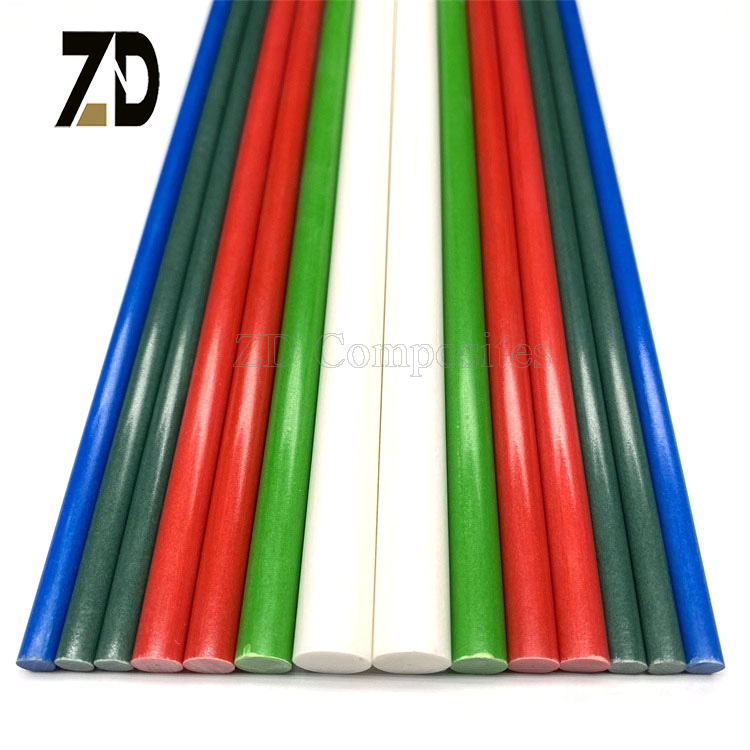
Mechanical Performance Characteristics
Tensile Strength and Elastic Properties
The mechanical performance of composite reinforcement represents a significant advancement over traditional materials in several key areas. The tensile strength of a typical fiberglass rod ranges from 80,000 to 180,000 psi, depending on the specific fiber type and resin system used in manufacturing. This strength-to-weight ratio exceeds that of steel reinforcement by a substantial margin, allowing for lighter structures without compromising load-carrying capacity.
The elastic modulus of composite reinforcement differs from steel, typically ranging from 5.5 to 9.0 million psi compared to steel's 29 million psi. While this lower modulus might initially seem disadvantageous, it actually provides benefits in many applications by allowing controlled deflection that can enhance overall structural behavior. Engineers can design structures that take advantage of this characteristic to achieve desired performance objectives while maintaining adequate safety margins.
Fatigue Resistance and Dynamic Loading
Dynamic loading conditions and fatigue resistance represent critical performance aspects where composite reinforcement excels. The fiberglass rod demonstrates excellent fatigue characteristics under cyclic loading conditions that would cause gradual degradation in metallic reinforcement systems. This superior fatigue resistance stems from the inherent properties of glass fibers and the stress distribution characteristics of the composite matrix.
Bridge structures, offshore platforms, and other infrastructure subjected to repeated loading cycles benefit significantly from the fatigue resistance of composite reinforcement. The absence of stress concentrations typically found in steel reinforcement, combined with the distributed load-carrying mechanism of the fiberglass rod, results in extended service life under dynamic conditions.
Installation and Construction Benefits
Weight Reduction and Handling Advantages
The significant weight reduction achieved through composite reinforcement translates into substantial construction advantages that extend beyond simple material handling considerations. Each fiberglass rod weighs approximately 75% less than equivalent steel reinforcement, reducing transportation costs, crane requirements, and worker fatigue during installation. This weight advantage becomes particularly important in remote locations or projects with limited access for heavy equipment.
Installation crews can handle longer lengths of composite reinforcement without the need for mechanical lifting equipment, improving construction efficiency and reducing safety risks associated with heavy material handling. The reduced weight also allows for prefabrication of larger reinforcement assemblies that can be transported and installed as complete units, further streamlining construction processes.
Cutting and Fabrication Considerations
Field cutting and fabrication of composite reinforcement require specific techniques and tools designed for composite materials. The fiberglass rod can be cut using diamond blade saws, abrasive wheels, or specialized composite cutting equipment. Proper cutting techniques prevent fiber fraying and ensure clean, square cuts that maintain the structural integrity of the reinforcement.
Bending operations for composite reinforcement must be performed according to manufacturer specifications, as the brittle nature of glass fibers limits the minimum bend radius that can be achieved without compromising structural properties. Pre-fabricated bent shapes or fiberglass rod systems with mechanical connections often provide better solutions for complex reinforcement configurations.
Economic Considerations and Life-Cycle Costs
Initial Investment Analysis
While the initial material cost of composite reinforcement typically exceeds that of conventional steel reinforcement, a comprehensive economic analysis reveals significant long-term value propositions. The fiberglass rod requires no protective coatings or cathodic protection systems, eliminating ongoing maintenance costs associated with corrosion prevention. This cost advantage becomes increasingly significant over the service life of the structure.
Transportation and installation cost savings partially offset the higher initial material costs, particularly in projects requiring long reinforcement lengths or remote construction sites. The reduced labor requirements for handling and installing lightweight composite reinforcement can result in faster construction schedules and lower overall project costs.
Maintenance and Replacement Savings
The most compelling economic argument for composite reinforcement lies in the virtual elimination of maintenance and replacement costs associated with corrosion-related deterioration. Structures reinforced with the fiberglass rod require minimal maintenance throughout their service life, avoiding the substantial costs associated with concrete repair, reinforcement replacement, and structure rehabilitation that plague conventionally reinforced structures.
Life-cycle cost analyses consistently demonstrate that the total cost of ownership for structures using composite reinforcement is lower than conventionally reinforced alternatives, particularly in aggressive environments where corrosion protection is critical. These savings become more pronounced as structures age and maintenance requirements for steel-reinforced concrete increase exponentially.
Applications Across Industries
Infrastructure and Transportation Projects
Transportation infrastructure represents one of the most promising application areas for composite reinforcement, particularly in bridge construction and highway projects exposed to de-icing salts. The fiberglass rod provides excellent performance in bridge deck applications, where corrosion of conventional reinforcement has historically led to premature deterioration and costly rehabilitation projects.
Tunnel construction, retaining walls, and other infrastructure projects benefit from the electromagnetic transparency of composite reinforcement, which eliminates interference with communication and navigation systems. This characteristic makes the fiberglass rod ideal for applications near airports, military installations, or facilities requiring precise electromagnetic control.
Marine and Offshore Construction
Marine environments present the most challenging conditions for structural materials, making composite reinforcement particularly valuable in coastal and offshore construction projects. Seawalls, piers, offshore platforms, and marine structures benefit significantly from the corrosion resistance and durability of the fiberglass rod in saltwater environments.
The non-magnetic properties of composite reinforcement provide additional advantages in marine applications where magnetic interference must be minimized. Naval facilities, submarine bases, and research installations often specify composite reinforcement to maintain operational requirements while ensuring structural integrity in aggressive marine environments.
FAQ
How does fiberglass rod compare to steel reinforcement in terms of strength
Fiberglass rod typically exhibits higher tensile strength than steel reinforcement, ranging from 80,000 to 180,000 psi compared to steel's 60,000 to 75,000 psi. However, the elastic modulus of composite reinforcement is lower than steel, which affects deflection characteristics and requires adjusted design approaches. The superior strength-to-weight ratio of fiberglass rod makes it particularly advantageous in applications where weight reduction is important.
What are the primary installation considerations for fiberglass rod systems
Installation of fiberglass rod requires specific techniques for cutting, handling, and placement to maintain structural integrity. Field cutting should be performed with diamond blade saws or specialized composite cutting tools to prevent fiber damage. Bending operations must follow manufacturer specifications due to the brittle nature of glass fibers, and proper concrete cover requirements must be maintained to ensure adequate bond and protection.
Can fiberglass rod be used in all the same applications as steel reinforcement
While fiberglass rod can replace steel reinforcement in many applications, certain design considerations must be addressed due to differences in mechanical properties. The lower elastic modulus requires adjusted deflection calculations, and the linear elastic behavior differs from steel's ductile characteristics. However, composite reinforcement excels in applications where corrosion resistance, electromagnetic transparency, or weight reduction are critical factors.
What is the expected service life of structures reinforced with fiberglass rod
Properly designed and installed fiberglass rod reinforcement systems can provide service lives exceeding 100 years under typical environmental conditions. The corrosion resistance and dimensional stability of composite materials eliminate the primary deterioration mechanisms that limit the service life of steel-reinforced concrete structures. Long-term research studies continue to validate the durability predictions for composite reinforcement systems in various environmental exposures.
Table of Contents
- Fundamental Properties and Composition
- Superior Corrosion Resistance Advantages
- Mechanical Performance Characteristics
- Installation and Construction Benefits
- Economic Considerations and Life-Cycle Costs
- Applications Across Industries
-
FAQ
- How does fiberglass rod compare to steel reinforcement in terms of strength
- What are the primary installation considerations for fiberglass rod systems
- Can fiberglass rod be used in all the same applications as steel reinforcement
- What is the expected service life of structures reinforced with fiberglass rod