
 EN
EN


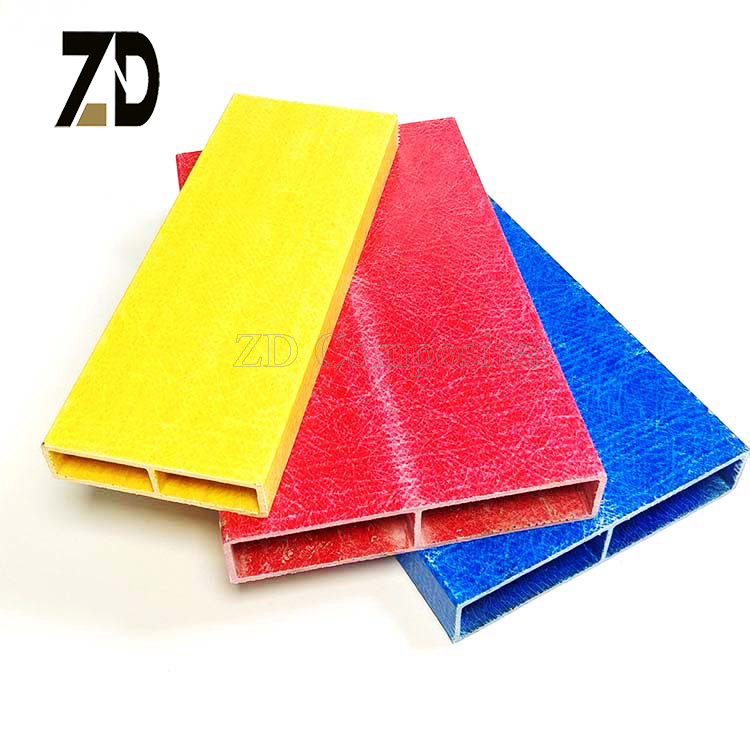
Electrical systems across industries face constant challenges from environmental factors, electrical surges, and operational wear that can compromise insulation integrity. Modern electrical applications require insulation solutions that deliver exceptional performance while maintaining durability and cost-effectiveness. Fiberglass tubing emerges as a superior choice for electrical insulation applications, offering unique properties that traditional materials cannot match. This innovative material combines the strength of glass fibers with advanced resin systems to create insulation solutions that excel in demanding environments. Industries worldwide are increasingly adopting fiberglass tubing to enhance electrical safety, improve system reliability, and extend equipment lifespan through superior insulation performance.
Understanding Fiberglass Tubing Composition and Manufacturing
Material Structure and Fiber Orientation
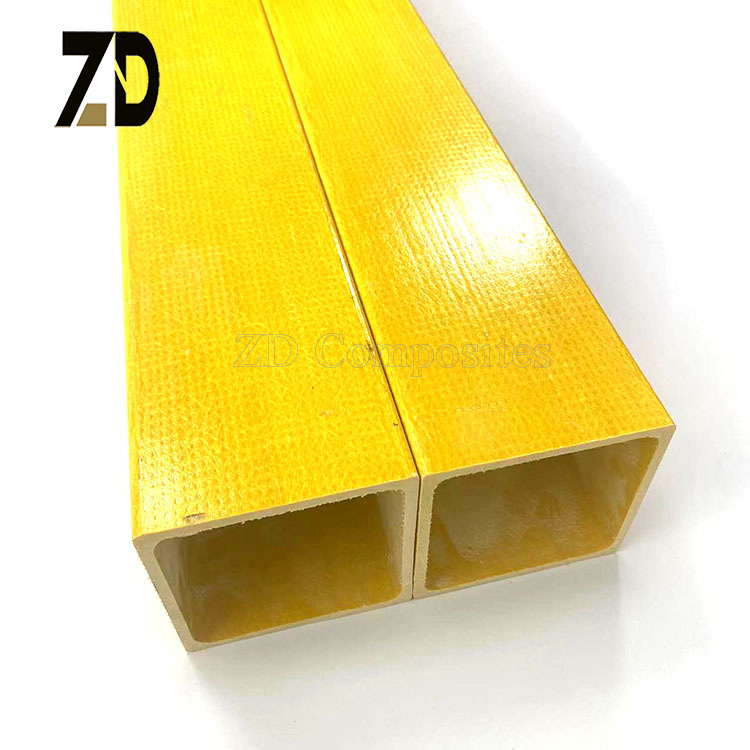
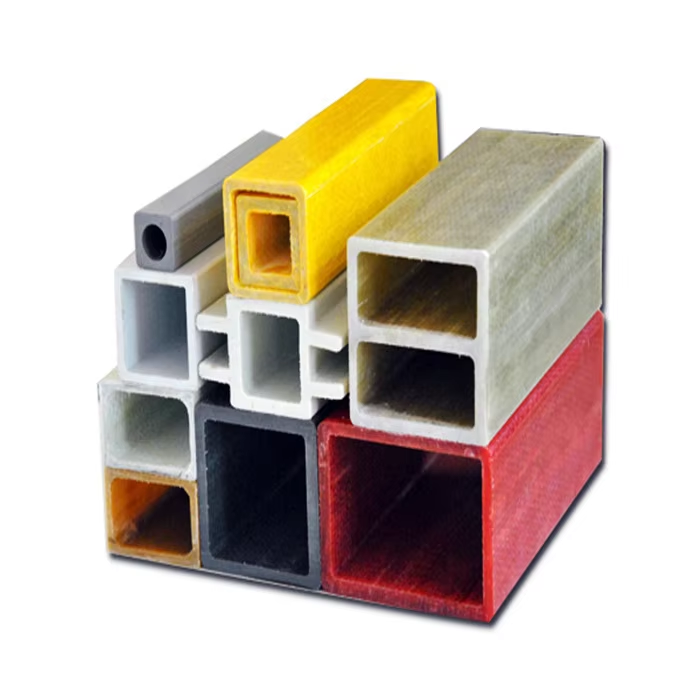
Fiberglass tubing consists of continuous glass fibers embedded within a thermosetting resin matrix, typically epoxy, polyester, or vinyl ester. The manufacturing process involves precise fiber orientation to optimize strength characteristics and electrical properties. Glass fibers provide exceptional tensile strength and dimensional stability, while the resin matrix binds the fibers together and provides chemical resistance. This composite structure creates a material with superior mechanical properties compared to traditional insulation materials like ceramic or polymer tubes.
The fiber-to-resin ratio significantly impacts the final product's electrical and mechanical characteristics. Higher glass content generally increases strength and stiffness, while resin-rich formulations may offer better chemical resistance and surface finish. Advanced manufacturing techniques ensure consistent wall thickness and uniform fiber distribution throughout the fiberglass tubing structure. Quality control measures during production guarantee that each tube meets strict electrical insulation standards and mechanical property requirements.
Advanced Resin Systems for Enhanced Performance
Modern fiberglass tubing utilizes sophisticated resin systems engineered for specific electrical insulation requirements. Epoxy resins provide excellent adhesion to glass fibers and superior electrical properties, making them ideal for high-voltage applications. Vinyl ester resins offer enhanced chemical resistance and are preferred in corrosive environments where traditional insulation materials fail. These advanced resin systems cure to form a dense, non-porous matrix that prevents moisture infiltration and maintains consistent dielectric properties.
Specialized additives incorporated into the resin system enhance specific performance characteristics of fiberglass tubing. UV stabilizers protect against solar radiation degradation, while flame retardants improve fire safety ratings. Conductive additives can be included to create semi-conductive grades for specific electrical applications. These engineered resin systems enable manufacturers to tailor fiberglass tubing properties to meet precise application requirements while maintaining excellent electrical insulation performance.
Electrical Properties and Insulation Performance
Dielectric Strength and Breakdown Characteristics
The dielectric strength of fiberglass tubing typically ranges from 15 to 25 kV/mm, significantly exceeding many traditional insulation materials. This high breakdown voltage capability allows fiberglass tubing to provide reliable insulation in high-voltage applications where safety margins are critical. The material's uniform structure ensures consistent dielectric properties throughout the tube wall, eliminating weak points that could lead to electrical failure. Testing standards such as ASTM D149 verify the electrical breakdown characteristics under controlled conditions.
Temperature effects on dielectric strength represent a crucial consideration for electrical insulation applications. Fiberglass tubing maintains stable dielectric properties across wide temperature ranges, typically from -40°C to 180°C depending on the resin system. This thermal stability ensures consistent insulation performance in applications subject to temperature cycling or extreme operating conditions. The low thermal expansion coefficient of glass fibers minimizes dimensional changes that could affect electrical clearances or create stress concentrations.
Arc resistance and tracking resistance properties make fiberglass tubing particularly suitable for outdoor electrical applications. The material's surface characteristics resist carbonization and tracking formation when exposed to electrical arcing or surface contamination. This resistance to electrical degradation extends service life and maintains insulation integrity in challenging environments where other materials might fail prematurely.
Surface Resistivity and Volume Resistivity
High surface resistivity prevents leakage currents from flowing along the exterior surface of fiberglass tubing, maintaining electrical isolation between conductors. Typical surface resistivity values exceed 10^14 ohm-cm, providing excellent insulation even in high humidity conditions. The smooth surface finish of quality fiberglass tubing minimizes contamination buildup and facilitates easy cleaning to maintain optimal electrical performance throughout the service life.
Volume resistivity characteristics determine the material's ability to prevent current flow through the tube wall itself. Fiberglass tubing exhibits volume resistivity values typically exceeding 10^16 ohm-cm, ensuring minimal leakage current even under high-voltage stress. These exceptional resistivity properties remain stable over extended periods and resist degradation from environmental exposure, chemical contamination, or thermal cycling that commonly affects other insulation materials.
Environmental Resistance and Durability Advantages
Chemical Resistance and Corrosion Protection
Chemical resistance represents a significant advantage of fiberglass tubing over metallic or ceramic insulation materials. The inorganic glass fibers are inherently resistant to most acids, alkalis, and organic solvents commonly encountered in industrial environments. The resin matrix provides additional chemical protection and can be formulated to resist specific chemicals based on application requirements. This chemical inertness prevents degradation that could compromise electrical insulation properties over time.
Corrosion resistance eliminates the maintenance issues associated with metallic insulation systems. Unlike steel or aluminum tubes that require protective coatings and regular maintenance, fiberglass tubing provides inherent corrosion resistance that extends system life and reduces operating costs. This corrosion resistance proves particularly valuable in marine environments, chemical processing facilities, or outdoor installations where traditional materials experience rapid degradation.
Moisture Resistance and Dimensional Stability
Low water absorption characteristics ensure that fiberglass tubing maintains consistent electrical properties even in high humidity environments. Typical water absorption values remain below 0.1% by weight, preventing moisture-induced changes in dielectric properties or dimensional stability. The closed-cell structure of properly manufactured fiberglass tubing prevents water penetration that could lead to electrical tracking or insulation failure.
Dimensional stability under varying environmental conditions ensures consistent electrical clearances and mechanical fits throughout the service life. The low coefficient of thermal expansion minimizes dimensional changes with temperature fluctuations, maintaining proper spacing in electrical assemblies. This stability reduces the risk of short circuits or mechanical interference that could result from thermal expansion of less stable materials. Fiberglass tubing retains its shape and dimensions even under sustained mechanical loads or thermal cycling conditions.
Applications in High-Voltage Systems
Power Transmission and Distribution
Power transmission systems utilize fiberglass tubing for bushing assemblies, surge arresters, and cable terminations where exceptional electrical insulation is required. The material's high dielectric strength and arc resistance make it ideal for applications involving voltages from medium voltage distribution systems to extra-high-voltage transmission lines. Fiberglass tubing components provide reliable insulation while maintaining mechanical strength to support heavy conductors and withstand environmental loads.
Substation equipment benefits from the corrosion resistance and dimensional stability of fiberglass tubing in critical insulation applications. Circuit breaker mechanisms, transformer bushings, and disconnect switch assemblies incorporate fiberglass tubing to ensure reliable operation and extended service life. The material's ability to maintain electrical properties in outdoor environments makes it particularly valuable for substation applications where traditional insulation materials may degrade from UV exposure, moisture, or contamination.
Industrial Motor and Generator Systems
Electric motor and generator applications utilize fiberglass tubing for slot liners, phase separators, and lead protection in high-voltage rotating machines. The material's thermal stability and electrical properties provide reliable insulation between windings and ground, preventing electrical faults that could damage expensive equipment. Fiberglass tubing maintains its insulation properties even under the mechanical stresses and thermal cycling experienced in rotating machinery applications.
Generator applications particularly benefit from the arc resistance and tracking resistance of fiberglass tubing in high-voltage lead connections and terminal assemblies. The material's ability to withstand electrical stress without degradation ensures reliable operation of critical power generation equipment. Special grades of fiberglass tubing designed for rotating machine applications incorporate enhanced flexibility and abrasion resistance to withstand the dynamic stresses encountered in these demanding environments.
Manufacturing Process and Quality Control
Pultrusion and Winding Techniques
Pultrusion represents the primary manufacturing method for producing continuous lengths of fiberglass tubing with consistent cross-sectional properties. The process involves pulling glass fiber reinforcements through a resin bath and then through a heated die that shapes and cures the composite material. This continuous process ensures uniform fiber orientation and consistent wall thickness throughout the length of the fiberglass tubing. Temperature and speed control during pultrusion directly affect the final mechanical and electrical properties of the finished product.
Filament winding techniques create fiberglass tubing by wrapping resin-impregnated glass fibers around a rotating mandrel in predetermined patterns. This method allows precise control of fiber orientation and enables the production of tubes with optimized strength characteristics for specific loading conditions. The winding angle and fiber tension can be varied to create tubes with different hoop-to-axial strength ratios, accommodating various pressure and structural requirements in electrical insulation applications.
Quality Assurance and Testing Protocols
Comprehensive quality control measures ensure that fiberglass tubing meets stringent electrical and mechanical property requirements. Electrical testing includes dielectric strength verification, surface resistivity measurement, and arc resistance evaluation according to established industry standards. Mechanical property testing encompasses tensile strength, flexural strength, and impact resistance to verify structural capability. These tests ensure consistent performance and reliability in critical electrical insulation applications.
Advanced inspection techniques identify potential defects or inconsistencies in fiberglass tubing during manufacturing. Ultrasonic testing detects internal voids or delaminations that could compromise electrical or mechanical properties. Visual inspection and dimensional measurement verify surface quality and geometric accuracy. Statistical process control methods track key quality parameters to maintain consistency and identify process variations before they affect product quality. These comprehensive quality assurance measures ensure that each piece of fiberglass tubing meets or exceeds specification requirements.
Installation and Maintenance Considerations
Handling and Cutting Techniques
Proper handling techniques preserve the integrity of fiberglass tubing during installation and prevent damage that could compromise electrical insulation performance. The material should be supported adequately during transport and storage to prevent deformation or stress concentrations. Appropriate lifting equipment and techniques distribute loads evenly and avoid point loading that could create stress risers or surface damage. Workers should use appropriate personal protective equipment when handling fiberglass tubing to prevent skin irritation from glass fibers.
Cutting and machining operations require specialized techniques to achieve clean edges and prevent delamination of the composite structure. Diamond-grit cutting wheels or carbide-tipped tools provide clean cuts without causing excessive heat buildup that could damage the resin matrix. Drilling operations should use sharp, specially designed bits and controlled feed rates to prevent fiber pullout or matrix cracking. Proper tool selection and cutting parameters ensure that machined surfaces maintain their electrical insulation properties and structural integrity.
Inspection and Preventive Maintenance
Regular inspection protocols help identify potential issues before they compromise the electrical insulation performance of fiberglass tubing installations. Visual inspection should check for surface damage, contamination buildup, or signs of electrical tracking or arcing. Electrical testing can verify continued insulation integrity and identify degradation trends before failure occurs. Thermographic inspection may reveal hot spots indicating electrical problems or mechanical stress concentrations in the fiberglass tubing system.
Preventive maintenance for fiberglass tubing installations typically involves cleaning to remove contamination that could reduce surface resistivity or create tracking paths. Appropriate cleaning agents and techniques preserve the surface finish while removing potentially harmful deposits. Unlike metallic systems, fiberglass tubing requires minimal maintenance due to its inherent corrosion resistance and dimensional stability. This low maintenance requirement reduces lifecycle costs and improves system reliability compared to traditional insulation materials that require regular protective coating renewal or replacement.
Comparison with Alternative Insulation Materials
Performance Advantages Over Ceramic Insulators
While ceramic insulators offer excellent electrical properties, they suffer from brittleness and susceptibility to thermal shock that can lead to sudden failure. Fiberglass tubing provides comparable electrical insulation performance with significantly improved mechanical toughness and resistance to impact damage. The composite structure of fiberglass tubing absorbs energy during impact events, often surviving conditions that would cause ceramic insulators to fail catastrophically. This improved damage tolerance reduces maintenance requirements and enhances system reliability in demanding applications.
Weight advantages make fiberglass tubing preferable to ceramic insulators in many applications, particularly where structural loading is a concern. The lower density of the composite material reduces support structure requirements and simplifies installation procedures. Transportation and handling costs are also reduced due to the lighter weight of fiberglass tubing compared to equivalent ceramic components. These weight savings become particularly significant in large installations or applications where seismic loading must be minimized.
Benefits Over Polymer and Rubber Insulation
Traditional polymer and rubber insulation materials often experience degradation from UV exposure, ozone, and temperature extremes that limit their service life in outdoor applications. Fiberglass tubing provides superior environmental resistance and maintains its electrical properties throughout extended service periods without requiring replacement or protective measures. The inorganic glass fiber reinforcement provides inherent UV resistance that prevents the photodegradation common in organic insulation materials.
Fire resistance represents another significant advantage of fiberglass tubing over organic insulation materials. While rubber and polymer insulators can burn and release toxic gases, fiberglass tubing is inherently non-combustible and maintains structural integrity even when exposed to flame. This fire resistance improves safety in electrical installations and may reduce insurance costs or regulatory compliance requirements. The non-toxic nature of fiberglass tubing also eliminates concerns about harmful gas emissions during fire events or normal operation.
Future Developments and Emerging Technologies
Smart Fiberglass Tubing with Integrated Sensors
Emerging technologies integrate condition monitoring capabilities directly into fiberglass tubing structures through embedded sensors and conductive fibers. These smart insulation systems can provide real-time monitoring of electrical stress, temperature, and moisture conditions that affect insulation performance. Fiber optic sensors embedded during manufacturing enable distributed monitoring along the entire length of the fiberglass tubing, providing early warning of developing problems before they lead to system failure.
Wireless communication capabilities integrated into advanced fiberglass tubing systems enable remote monitoring and predictive maintenance strategies. These intelligent insulation systems can transmit condition data to central monitoring systems, allowing operators to optimize maintenance schedules and prevent unplanned outages. The integration of sensing capabilities represents a significant advancement in electrical insulation technology that enhances system reliability while reducing maintenance costs.
Advanced Nano-Enhanced Formulations
Nanotechnology applications in fiberglass tubing manufacturing promise enhanced electrical and mechanical properties through the incorporation of engineered nanoparticles. Nano-silica additions can improve mechanical strength and reduce water absorption, while conductive nanoparticles enable precise control of electrical properties for specialized applications. These advanced formulations maintain the proven benefits of traditional fiberglass tubing while providing enhanced performance characteristics for demanding applications.
Research into bio-based resin systems for fiberglass tubing aims to reduce environmental impact while maintaining electrical and mechanical performance. These sustainable formulations utilize renewable raw materials without compromising the superior insulation properties that make fiberglass tubing the preferred choice for critical electrical applications. Advanced manufacturing techniques continue to improve consistency and reduce costs, making high-performance fiberglass tubing accessible for an expanding range of applications.
FAQ
What temperature range can fiberglass tubing withstand in electrical applications
Fiberglass tubing can typically operate in temperature ranges from -40°C to 180°C depending on the specific resin system used in manufacturing. Epoxy-based systems generally provide the highest temperature capability, while polyester resins offer good performance in moderate temperature applications. The glass fiber reinforcement maintains dimensional stability across these temperature ranges, ensuring consistent electrical clearances and mechanical properties. Special high-temperature formulations can extend the operating range to over 200°C for specialized applications requiring extreme thermal performance.
How does fiberglass tubing maintain electrical properties in humid environments
The low water absorption characteristics of fiberglass tubing, typically less than 0.1% by weight, prevent moisture from significantly affecting electrical properties. The dense resin matrix creates a barrier that prevents water penetration into the composite structure, maintaining consistent dielectric strength and surface resistivity even in high humidity conditions. Surface treatments and specialized resin formulations can further enhance moisture resistance for applications in marine or tropical environments where traditional insulation materials might fail due to moisture infiltration.
What are the key advantages of fiberglass tubing over ceramic insulators
Fiberglass tubing offers several advantages over ceramic insulators including superior impact resistance, lighter weight, and better thermal shock resistance. While ceramic materials are brittle and can fail catastrophically from impact or thermal stress, the composite structure of fiberglass tubing provides toughness that allows it to absorb energy without failure. The significantly lower density reduces structural loading requirements and transportation costs. Additionally, fiberglass tubing can be manufactured in longer lengths without joints, reducing potential failure points in electrical insulation systems.
How should fiberglass tubing be properly installed to ensure optimal electrical performance
Proper installation requires careful handling to prevent surface damage and appropriate support to avoid mechanical stress concentrations. The tubing should be cleaned before installation to remove any contamination that could affect electrical properties. Cutting and drilling operations should use appropriate tools and techniques to maintain clean edges and prevent delamination. Adequate clearances must be maintained from live electrical components, and proper grounding procedures should be followed. Regular inspection after installation helps verify continued electrical integrity and identifies any potential issues before they compromise system performance.
Table of Contents
- Understanding Fiberglass Tubing Composition and Manufacturing
- Electrical Properties and Insulation Performance
- Environmental Resistance and Durability Advantages
- Applications in High-Voltage Systems
- Manufacturing Process and Quality Control
- Installation and Maintenance Considerations
- Comparison with Alternative Insulation Materials
- Future Developments and Emerging Technologies
-
FAQ
- What temperature range can fiberglass tubing withstand in electrical applications
- How does fiberglass tubing maintain electrical properties in humid environments
- What are the key advantages of fiberglass tubing over ceramic insulators
- How should fiberglass tubing be properly installed to ensure optimal electrical performance