
 EN
EN


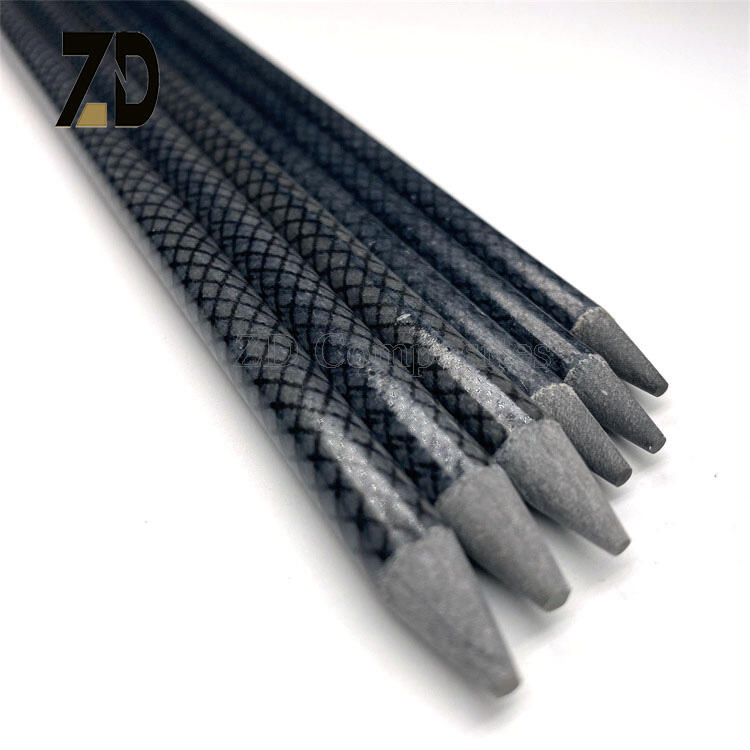
Industries across manufacturing, construction, sports, and infrastructure rely on structural materials that balance performance, cost, and longevity. The choice between fiberglass rods and metal alternatives has become increasingly significant as engineers and procurement teams seek materials that deliver superior value. A fiberglass rod offers distinct advantages that metal options often cannot match, particularly in demanding environments where corrosion, weight, and total cost of ownership matter most. Understanding why a fiberglass rod has emerged as the preferred solution in countless applications requires examining the specific performance characteristics that set this composite material apart from traditional steel and aluminum.
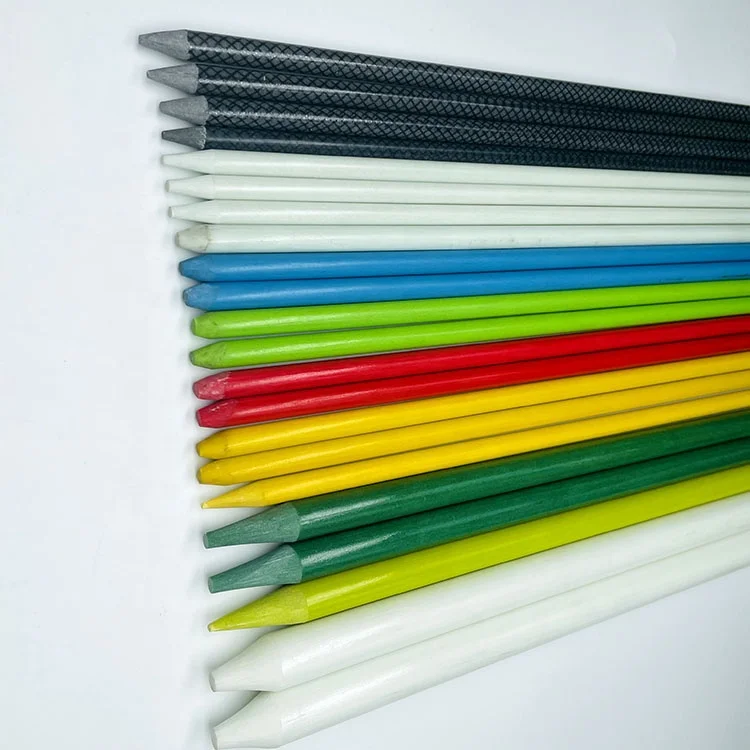
Choosing materials is never a simple decision, especially when organizations must justify long-term investments in infrastructure, equipment, or product components. A fiberglass rod delivers measurable benefits across multiple dimensions that directly impact operational efficiency and financial outcomes. This article explores the concrete advantages of selecting a fiberglass rod over metal solutions, providing decision-makers with evidence-based insights into corrosion resistance, weight reduction, cost efficiency, maintenance requirements, and environmental performance. By the end, you will understand precisely why a fiberglass rod has become the material of choice for discerning organizations worldwide.
Superior Corrosion Resistance and Durability
Why Fiberglass Rods Resist Environmental Degradation
Metal rods, whether steel or aluminum, require constant protection against rust, oxidation, and chemical attack. When exposed to moisture, saltwater, or acidic environments, metal surfaces corrode at predictable rates, necessitating expensive coatings, maintenance schedules, and eventual replacement. A fiberglass rod, by contrast, contains no ferrous elements and resists oxidation at a fundamental material level. The polymer matrix that comprises a fiberglass rod does not undergo electrochemical degradation, meaning it remains structurally sound in coastal environments, chemical processing plants, wastewater treatment facilities, and underground installations where metal alternatives fail within years.
Longevity and Reduced Lifecycle Costs
The durability advantage of a fiberglass rod translates directly into extended service life and reduced total cost of ownership. Metal rods installed in corrosive environments typically require protective coatings that demand periodic reapplication, specialized surface preparation, and ongoing inspection protocols. A fiberglass rod eliminates these recurring expenses entirely. Field data from infrastructure projects demonstrates that a fiberglass rod can remain in service for 50 years or longer without degradation, while comparable metal solutions require replacement after 15 to 25 years. This extended lifecycle means organizations using a fiberglass rod avoid the disruption, labor costs, and downtime associated with material replacement cycles.
Significant Weight Reduction and Handling Benefits
Decreased Installation Labor and Transportation Costs
A fiberglass rod weighs approximately one-fourth to one-fifth the weight of steel rods of comparable diameter and length. This dramatic weight difference creates substantial economic benefits throughout the product lifecycle. Installation teams can handle, position, and secure a fiberglass rod without heavy lifting equipment, reducing labor hours and associated safety risks. Transportation costs decrease proportionally because a fiberglass rod occupies less volumetric space and requires smaller vehicles for delivery. In applications such as drilling operations, utility pole replacement, and structural reinforcement, the cumulative weight savings translate into quantifiable reductions in project timelines and equipment rental expenses.
Improved Strength-to-Weight Performance
Despite weighing significantly less than metal alternatives, a fiberglass rod maintains excellent tensile strength and structural integrity under load. Modern fiberglass composite formulations deliver strength values comparable to aluminum while weighing nearly as little as plastic materials. This exceptional strength-to-weight ratio means that a fiberglass rod can replace a heavier metal rod in load-bearing applications without sacrificing performance or safety margins. Engineers designing new systems or retrofitting existing installations can specify a fiberglass rod with confidence, knowing that the material will not compromise structural reliability while delivering transportation and handling advantages that reduce project costs.
Cost Efficiency and Economic Advantages
Lower Initial Purchase Price and Material Costs
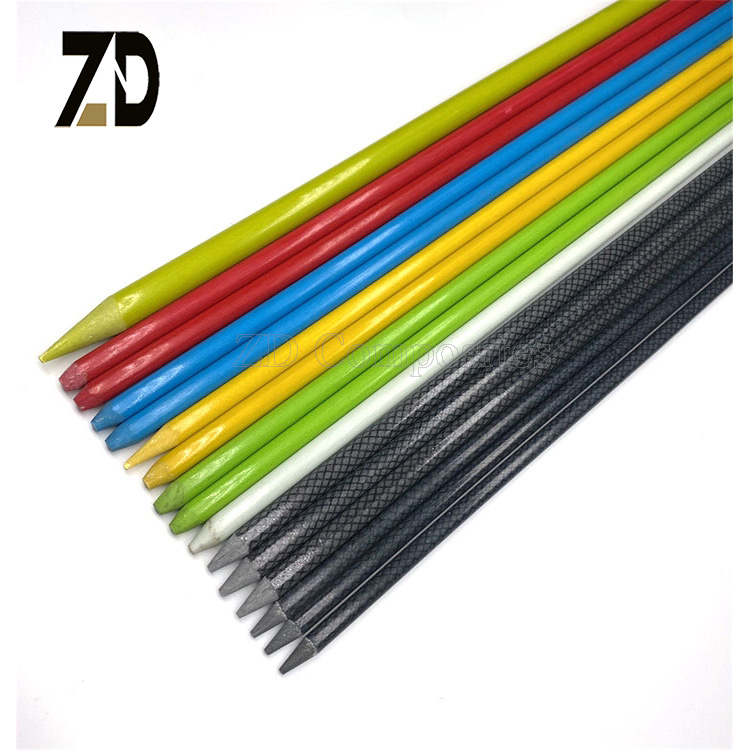
A fiberglass rod typically costs less than steel or aluminum rods of equivalent specifications when purchased in volume. The manufacturing process for a fiberglass rod involves pultrusion techniques that offer substantial production efficiency compared to metal extrusion or forging operations. Raw material costs for composite resins and glass fibers have stabilized while metal commodity prices remain volatile, creating pricing predictability when sourcing a fiberglass rod. This cost advantage extends across diverse industries, from golf practice nets and sporting equipment to industrial platforms and structural applications where budget constraints influence material selection decisions.
Elimination of Maintenance and Treatment Expenses
The economic case for a fiberglass rod strengthens dramatically when accounting for maintenance elimination. Metal rods require regular inspection, cleaning, rust treatment, protective coating reapplication, and corrosion monitoring programs that accumulate substantial costs over decades. A fiberglass rod requires virtually no preventive maintenance beyond occasional washing to remove surface dirt. Organizations can reallocate budgets previously dedicated to metal rod maintenance toward other operational priorities. When calculated across a 30-year operational horizon, the cumulative savings from selecting a fiberglass rod often exceed the initial material cost difference by factors of 3 to 5, representing exceptional return on investment.
Enhanced Performance in Demanding Environments
Chemical and Environmental Resistance Capabilities
A fiberglass rod excels in chemical processing facilities, wastewater treatment plants, marine installations, and agricultural settings where environmental factors degrade traditional materials rapidly. Unlike steel rods that rust when exposed to moisture or aluminum rods that pit in acidic or alkaline conditions, a fiberglass rod maintains structural properties when contacted by oils, solvents, fertilizers, saltwater, and industrial chemicals. This chemical inertness expands the application range for a fiberglass rod into environments where metal alternatives simply cannot function reliably. Food processing facilities, pharmaceutical manufacturing plants, and chemical distribution centers increasingly specify a fiberglass rod specifically because of this environmental performance advantage.
Temperature Stability and Electrical Properties
A fiberglass rod demonstrates superior performance in temperature-sensitive applications where thermal conductivity must remain low or electrical conductivity must be avoided. Metal rods conduct electricity and heat efficiently, creating potential safety hazards in electrical applications or temperature-critical processes. A fiberglass rod provides natural electrical insulation, making it ideal for applications involving live electrical systems or electromagnetic field control. Additionally, a fiberglass rod maintains consistent mechanical properties across wider temperature ranges than metal alternatives, performing reliably in arctic conditions, tropical environments, and industrial settings with extreme temperature fluctuations.
FAQ
How does a fiberglass rod compare to stainless steel in corrosion resistance?
While stainless steel offers superior corrosion resistance compared to carbon steel, a fiberglass rod provides equivalent or superior protection in most corrosive environments at a lower material cost. Stainless steel can still suffer pitting corrosion in high-chloride environments like coastal zones, whereas a fiberglass rod remains completely unaffected. A fiberglass rod also avoids the galvanic corrosion issues that occur when stainless steel contacts other metals, making it the more reliable long-term choice for complex installations.
Can a fiberglass rod replace metal rods in structural load-bearing applications?
Yes, a fiberglass rod can successfully replace metal rods in many load-bearing applications when properly specified. Modern fiberglass composites achieve tensile strengths exceeding 200,000 psi, comparable to structural steel. Engineers must calculate load requirements and safety factors appropriately, but a fiberglass rod offers sufficient strength for platforms, handrails, reinforcement, and support structures. The added advantage is that a fiberglass rod simplifies installation while providing superior corrosion resistance compared to metal alternatives.
What is the typical lifespan of a fiberglass rod compared to steel?
A fiberglass rod can remain in service for 50 to 70 years without degradation under normal environmental exposure, while steel rods in corrosive settings typically require replacement after 15 to 25 years. This extended lifespan reflects the inherent resistance of fiberglass composites to environmental attack. When calculating total cost of ownership across decades of service, a fiberglass rod delivers exceptional value through elimination of replacement cycles and maintenance expenses that metal alternatives necessitate.