
 EN
EN


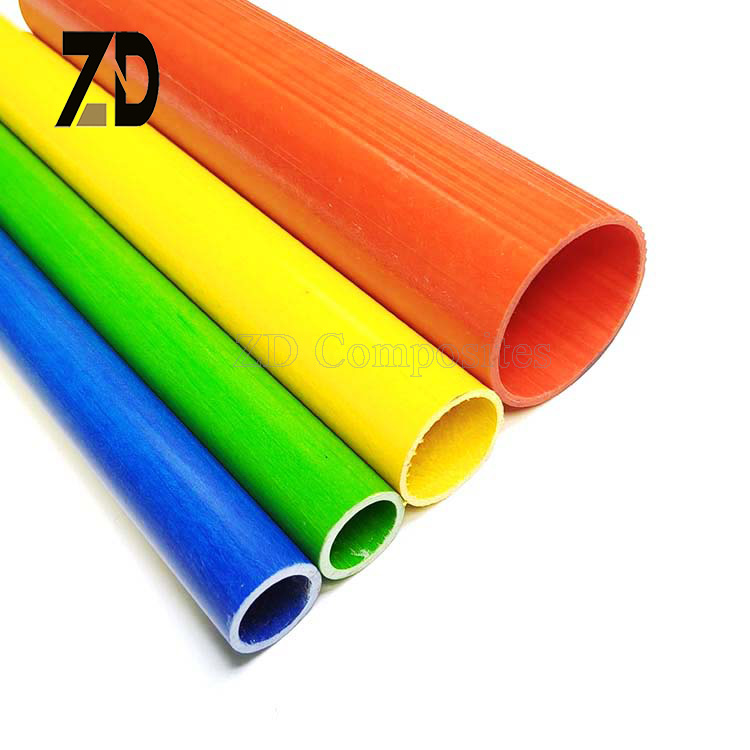
Chemical processing plants, petrochemical refineries, water treatment facilities, and heavy industrial operations face constant pressure to select materials that can survive prolonged exposure to aggressive chemicals, extreme temperatures, and corrosive environments. Fiberglass tubing has emerged as a leading solution for these demanding applications because it offers exceptional resistance to chemical degradation while maintaining structural integrity under stress. Unlike traditional metal pipes that corrode, crack, and require frequent replacement, fiberglass tubing delivers reliable long-term performance in conditions where conventional materials fail. Understanding how fiberglass tubing performs in harsh chemical environments is essential for engineers, procurement managers, and facility operators who need durable, cost-effective solutions that minimize downtime and maintenance expenses.
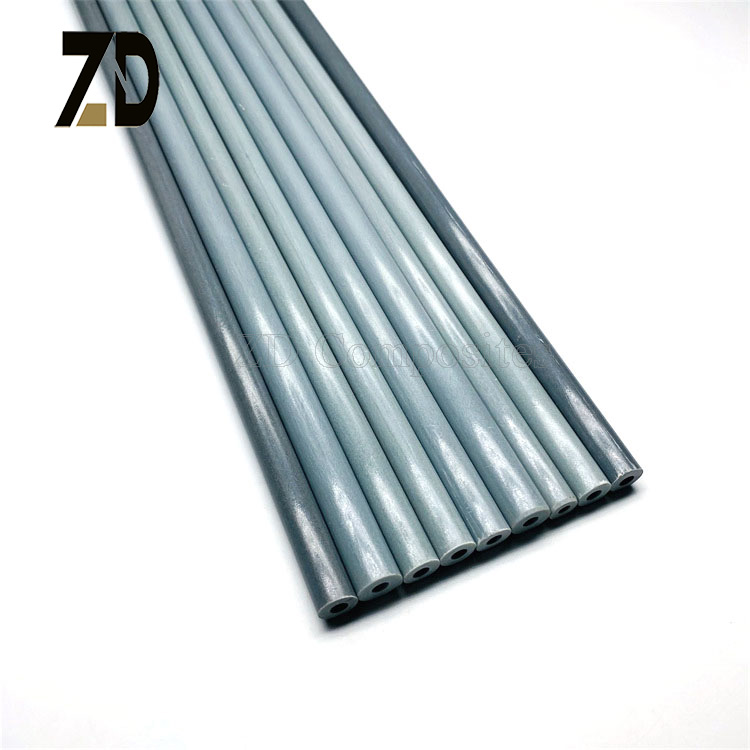
The chemical resistance of fiberglass tubing stems from its composite structure, which combines glass fibers with a protective resin matrix that creates an impermeable barrier against corrosive agents. This fundamental design makes fiberglass tubing fundamentally different from metal alternatives, which oxidize, scale, and degrade when exposed to acids, bases, solvents, and other aggressive chemicals. Industrial facilities that switch to fiberglass tubing often report dramatic reductions in maintenance costs, extended service life, and improved operational safety because the material resists the chemical attack that compromises metal systems.
Chemical Resistance Properties of Fiberglass Tubing
How Fiberglass Tubing Resists Chemical Attack
Fiberglass tubing achieves superior chemical resistance through its composite layering strategy, where glass fiber reinforcement is bonded within a thermosetting resin matrix that acts as a protective shell. This fiberglass tubing structure prevents direct contact between corrosive chemicals and the glass fibers themselves, effectively isolating the load-bearing material from degradation. The resin formulation, typically polyester, vinyl ester, or epoxy, is specifically engineered to remain stable when exposed to a wide range of chemical agents including sulfuric acid, hydrochloric acid, sodium hydroxide, chlorine, methylene chloride, and petroleum products. When fiberglass tubing is manufactured using proper curing techniques and quality resin selection, the resulting material exhibits chemical compatibility ratings that meet or exceed industry standards such as ASTM D543 and other chemical resistance testing protocols.
Temperature Stability in Aggressive Chemical Conditions
Beyond pure chemical resistance, fiberglass tubing maintains mechanical strength across temperature ranges that would compromise metal pipes or thermoplastic alternatives. When fiberglass tubing is exposed to hot chemical solutions, acidic vapors at elevated temperatures, or thermal cycling during process changes, the material retains its dimensional stability and does not soften, warp, or lose structural capacity. This thermal resilience of fiberglass tubing makes it particularly valuable in applications involving heated processing streams, where traditional metal tubing undergoes corrosion acceleration and plastic tubing deforms. Engineers designing piping systems for petrochemical plants, caustic soda production, and chlor-alkali processes consistently specify fiberglass tubing because its performance remains predictable across temperature swings from near-ambient to 150°C or higher, depending on resin chemistry.
Industrial Applications Where Fiberglass Tubing Excels
Chemical Processing and Refinery Operations
Fiberglass tubing serves critical roles in chemical processing environments where process fluids include strong oxidizing agents, corrosive solvents, or acidic or alkaline streams that rapidly degrade steel, copper, and aluminum systems. In petroleum refineries, fiberglass tubing conveys intermediate process streams, cooling water contaminated with trace chemicals, and waste streams that would trigger aggressive corrosion in metal conduits. The lightweight nature of fiberglass tubing also simplifies installation compared to heavy metal systems, reducing labor costs and allowing for faster commissioning. Maintenance teams appreciate fiberglass tubing because inspections reveal no rust staining, scale buildup, or internal degradation, allowing operators to maintain production schedules with confidence and predictability.
Water Treatment and Environmental Facilities
Water treatment plants rely on fiberglass tubing to transport caustic, bleach, polymer solutions, and other chemical additives without contamination or material failure. When fiberglass tubing is used to convey chlorine-containing solutions, hypochlorite, or ozone-rich streams, the material remains chemically stable while metal piping requires constant monitoring and premature replacement cycles. Wastewater treatment applications benefit significantly from fiberglass tubing because exposure to biosolids, ferrous compounds, and pH-variable effluent streams no longer triggers the corrosion-driven failures common in traditional metal infrastructure. Environmental compliance also improves because fiberglass tubing does not leach metal ions into the process stream, ensuring treated water quality and regulatory adherence.
Performance Advantages and Long-Term Cost Implications
Durability and Extended Service Life
The design of fiberglass tubing inherently delivers durability that metal or thermoplastic alternatives cannot match in harsh chemical environments because the material does not degrade through oxidation, galvanic corrosion, or stress-cracking. A properly installed fiberglass tubing system often achieves 30, 40, or even 50+ year service life in aggressive chemical applications where metal piping requires replacement every 5–15 years. This longevity reduces the total cost of ownership dramatically because replacement frequency, associated downtime, labor expenses, and environmental remediation costs all decline substantially. Facility operators can plan capital budgets with greater confidence when fiberglass tubing systems are deployed because replacement timing becomes predictable rather than driven by unexpected corrosion failures.
Installation and Maintenance Efficiency
Fiberglass tubing installation simplifies facility operations because the material is lightweight, easy to cut and join, and does not require specialized corrosion protection measures such as cathodic protection systems, sacrificial anodes, or regular coating reapplication. Maintenance personnel spend significantly less time on system inspection and repair because fiberglass tubing exhibits no visible degradation signs such as rust, weeping, or scale accumulation that characterize failing metal systems. When maintenance is required on fiberglass tubing systems, repair procedures are straightforward and lower-cost compared to metal system interventions. This operational efficiency translates directly into extended equipment uptime, reduced emergency repairs, and improved facility profitability in competitive industrial markets.
Design Specifications and Performance Standards
Selecting the Right Fiberglass Tubing for Chemical Compatibility
Engineers specifying fiberglass tubing must verify that the resin system formulation matches the specific chemical environment where the tubing will operate. Polyester resin fiberglass tubing suits many applications but may exhibit reduced resistance to strong solvents or extended immersion in certain alkaline solutions. Vinyl ester formulations provide enhanced chemical resistance across broader chemical families while maintaining cost-effectiveness, making them preferred for versatile industrial applications. Epoxy-based fiberglass tubing offers premium chemical resistance but typically carries higher material costs, making it appropriate for most severe exposures such as concentrated acid handling or specialized chemical processing streams.
Pressure Rating and Structural Integrity Under Chemical Stress
Beyond chemical resistance, fiberglass tubing must maintain its pressure-bearing capacity throughout the intended service life when exposed to corrosive process fluids. Properly engineered fiberglass tubing systems account for chemical softening, long-term environmental stress cracking, and cumulative fatigue when operating under continuous pressure in harsh chemical environments. Design standards such as ASTM D2517 and ASME standards establish guidelines for fiberglass tubing pressure ratings, safety factors, and service life predictions based on chemical exposure scenarios. Consulting with materials engineers ensures that specified fiberglass tubing meets the combined demands of chemical resistance, structural strength, and operational reliability required for mission-critical industrial applications.
FAQ
Can fiberglass tubing handle all types of harsh chemicals?
Fiberglass tubing exhibits outstanding resistance to most common industrial chemicals including mineral acids, alkalis, and solvents, but chemical compatibility depends on the specific resin formulation and the particular chemical or chemical mixture in question. Some specialized chemicals, such as certain halogenated solvents or extremely strong oxidizers at high temperatures, may require premium resin systems or even alternative materials. Always consult chemical compatibility charts and perform testing with your specific process fluid before specifying fiberglass tubing for critical applications to ensure optimal performance and longevity.
How does fiberglass tubing compare to stainless steel in chemical environments?
While stainless steel offers good chemical resistance in many applications, fiberglass tubing often outperforms stainless in highly corrosive environments because the composite material exhibits superior resistance to acids, chlorides, and aggressive combinations of chemicals that trigger stress-corrosion cracking in stainless grades. Fiberglass tubing is also significantly lighter, easier to install, and typically less expensive than stainless steel systems while requiring virtually no maintenance. However, stainless steel maintains better performance at extremely high temperatures above 150°C or in applications requiring high pressure ratings, so material selection depends on specific operational requirements.
What maintenance does fiberglass tubing require in harsh chemical environments?
One of the primary advantages of fiberglass tubing is that it requires minimal maintenance in harsh chemical environments compared to metal systems. Routine inspections to verify joint integrity, check for any external physical damage, and confirm proper operation are typically sufficient for most applications. Unlike metal piping that requires corrosion monitoring, coating touch-ups, or eventual replacement, fiberglass tubing systems operate reliably for decades with basic preventive maintenance, making them economically advantageous for long-term industrial operations.