
 EN
EN


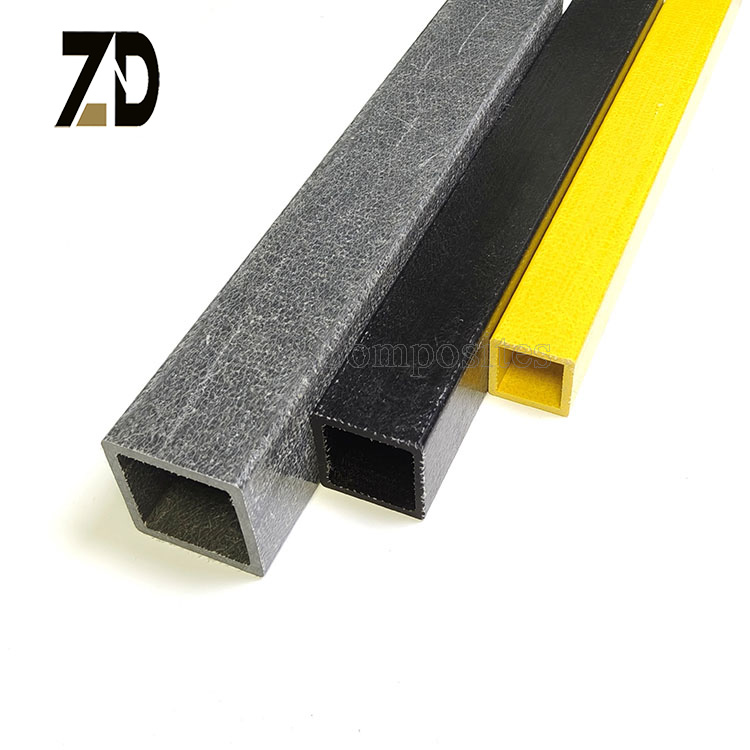
Fiberglass square tubes have revolutionized industrial applications across countless sectors, offering exceptional durability and performance characteristics that traditional materials struggle to match. These engineered composite structures deliver remarkable strength-to-weight ratios while maintaining excellent corrosion resistance, making them indispensable components in construction, infrastructure, and manufacturing environments. Understanding proper maintenance protocols ensures that your fiberglass square tube installations continue delivering optimal performance for decades, maximizing return on investment and operational reliability.
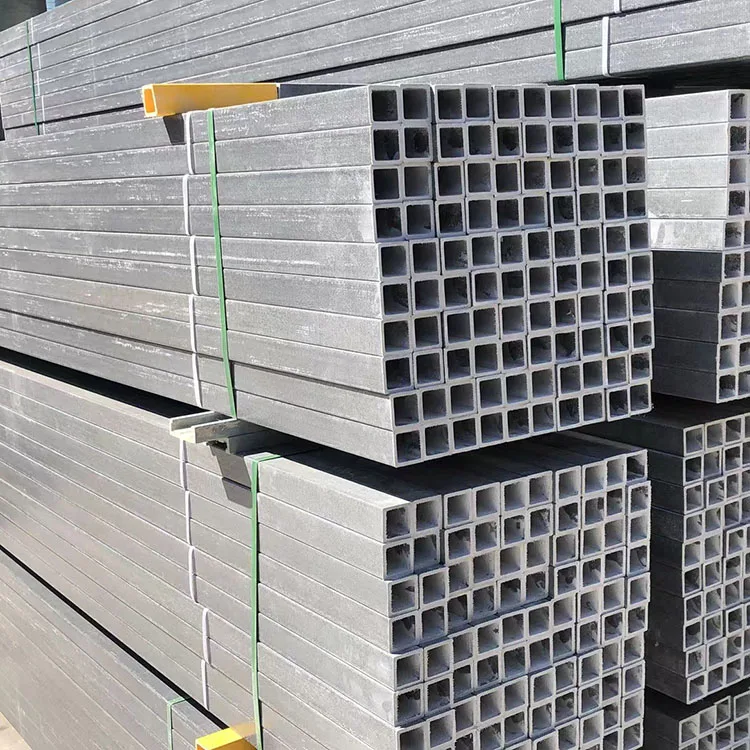
The longevity of fiberglass square tube systems depends heavily on implementing comprehensive maintenance strategies that address both preventive care and responsive interventions. These composite materials, while inherently low-maintenance compared to steel or aluminum alternatives, still require systematic attention to preserve their structural integrity and aesthetic appeal. Professional maintenance approaches focus on protecting the resin matrix, monitoring for environmental damage, and ensuring proper load distribution across the tube structure.
Understanding Fiberglass Square Tube Composition and Vulnerability Points
Material Science Behind Fiberglass Composite Construction
Each fiberglass square tube consists of continuous glass fiber reinforcements embedded within a polymer resin matrix, creating a unified structural component with directional strength properties. The pultrusion manufacturing process ensures consistent fiber orientation and resin distribution, resulting in predictable mechanical characteristics that engineers rely upon for critical applications. Understanding this composite structure helps maintenance professionals identify potential failure modes and implement appropriate protective measures.
The resin matrix serves as the primary barrier against environmental intrusion, while the glass fibers provide tensile and flexural strength. UV radiation, chemical exposure, and mechanical abrasion represent the primary threats to fiberglass square tube longevity. Regular inspection of the outer resin surface reveals early signs of degradation before structural compromise occurs, enabling proactive maintenance interventions that extend service life significantly.
Common Environmental Stress Factors
Environmental conditions play crucial roles in determining maintenance requirements for fiberglass square tube installations. Ultraviolet radiation gradually breaks down polymer chains in the resin matrix, leading to surface chalking and eventual fiber exposure if left untreated. Temperature cycling causes expansion and contraction that can create micro-cracks, particularly at connection points where thermal movement is constrained.
Chemical exposure from industrial processes, cleaning agents, or atmospheric pollutants may cause resin swelling, softening, or chemical attack depending on the specific polymer formulation. Salt spray in marine environments accelerates surface degradation, while freeze-thaw cycles in cold climates stress the material through repeated expansion and contraction. Understanding these environmental factors enables targeted maintenance strategies that address the most significant threats to your specific installation.
Preventive Maintenance Strategies for Optimal Performance
Regular Inspection Protocols and Documentation
Systematic visual inspection forms the foundation of effective fiberglass square tube maintenance programs. Monthly walkthroughs should document surface condition, joint integrity, and any visible changes in appearance or dimensions. Professional inspectors look for surface chalking, color changes, crack formation, or delamination signs that indicate developing problems requiring intervention.
Detailed photographic documentation creates baseline references for tracking degradation over time, enabling data-driven maintenance decisions. Digital inspection reports should include GPS coordinates, environmental conditions during inspection, and standardized rating scales for various condition parameters. This systematic approach builds institutional knowledge about specific installation performance, informing future maintenance scheduling and budget planning.
Cleaning and Surface Protection Methods
Proper cleaning techniques preserve the protective resin surface while removing contaminants that accelerate degradation. Low-pressure water washing with mild detergents effectively removes most surface deposits without damaging the fiberglass square tube structure. Avoid high-pressure washing or abrasive cleaning methods that can damage the resin surface and create entry points for environmental attack.
Specialized composite cleaning products maintain surface integrity while removing stubborn stains or chemical residues. After cleaning, applying UV-resistant protective coatings extends surface life and maintains aesthetic appearance. These protective systems should be reapplied according to manufacturer recommendations or when visual inspection reveals surface degradation. Regular cleaning also provides opportunities for close-up inspection that might reveal developing problems not visible during routine surveys.
Advanced Maintenance Techniques and Professional Services
Structural Health Monitoring Systems
Modern fiberglass square tube installations increasingly incorporate structural health monitoring systems that provide continuous performance data. Strain gauges, accelerometers, and environmental sensors collect real-time information about loading conditions, temperature variations, and structural response characteristics. This data enables predictive maintenance approaches that anticipate problems before they compromise structural integrity.
Wireless sensor networks can monitor multiple fiberglass square tube locations simultaneously, transmitting data to centralized monitoring systems for analysis. Advanced algorithms identify trends and anomalies that indicate developing problems, triggering maintenance alerts before critical thresholds are reached. This technology-enabled approach optimizes maintenance resource allocation while ensuring maximum reliability for critical applications.
Repair and Restoration Methodologies
When damage occurs, professional repair techniques can restore fiberglass square tube performance without complete replacement. Surface damage typically requires careful preparation, application of compatible repair resins, and protective overcoating systems. Structural damage may require reinforcement patches or section replacement using advanced composite repair techniques.
Professional repair services utilize specialized materials and equipment designed specifically for composite restoration. Heat blankets, vacuum bagging systems, and environmental chambers ensure proper cure conditions for repair materials. These controlled processes create permanent repairs that restore original strength and environmental resistance properties, extending overall system life significantly.
Environmental Protection and Longevity Enhancement
UV Protection and Surface Treatment Options
Ultraviolet radiation poses the greatest long-term threat to outdoor fiberglass square tube installations, making UV protection systems essential for maximum service life. Factory-applied gelcoats provide initial protection, but periodic recoating maintains this barrier against photodegradation. Advanced UV-resistant topcoats incorporate light stabilizers and UV absorbers that prevent polymer chain breakdown in the underlying resin matrix.
Surface treatment options range from clear protective coatings that maintain original appearance to pigmented systems that provide both protection and aesthetic enhancement. Selection depends on exposure conditions, appearance requirements, and maintenance budget considerations. Regular reapplication schedules ensure continuous protection, with typical intervals ranging from three to seven years depending on environmental severity and coating selection.
Chemical Resistance and Contamination Prevention
Industrial environments often expose fiberglass square tube systems to various chemicals that can attack the resin matrix if protective measures are not implemented. Chemical resistance depends on the specific resin formulation, with vinyl ester and epoxy novolac systems providing superior performance in aggressive environments. Understanding the chemical compatibility of your specific installation guides appropriate protective strategies.
Barrier coatings and chemical-resistant linings provide additional protection in severe service conditions. Regular monitoring of chemical exposure levels and immediate cleaning after contamination events prevent cumulative damage that compromises long-term performance. Emergency response procedures should address accidental chemical spills or unexpected exposure conditions that exceed normal design parameters.
Load Management and Structural Considerations
Understanding Load Limits and Safety Factors
Every fiberglass square tube installation has specific load ratings based on material properties, cross-sectional geometry, and support conditions. Exceeding these limits, even temporarily, can cause permanent damage that reduces long-term capacity and reliability. Maintenance programs should include regular verification that actual loads remain within design parameters and that temporary loading conditions do not exceed emergency ratings.
Dynamic loading from wind, vibration, or operational forces requires special consideration in maintenance planning. Fatigue loading can accumulate damage over time even when individual load cycles remain within static capacity limits. Monitoring systems that track loading history enable fatigue life assessments and predictive maintenance scheduling based on actual usage patterns rather than conservative calendar-based approaches.
Connection Point Maintenance and Inspection
Connection details represent critical points in fiberglass square tube systems where concentrated stresses and differential thermal expansion can cause problems. Bolted connections require periodic torque verification to maintain proper preload without over-stressing the composite material. Bonded joints should be inspected for adhesive degradation or debonding that could compromise load transfer.
Sealant systems at connection points prevent water intrusion that can cause freeze-thaw damage or accelerate adhesive degradation. Regular inspection and renewal of sealant systems prevents costly damage and maintains the environmental barrier that protects internal connection components. Professional maintenance includes non-destructive testing methods that verify connection integrity without disassembly or service interruption.
Quality Assurance and Performance Monitoring
Performance Metrics and Acceptance Criteria
Establishing clear performance metrics enables objective assessment of fiberglass square tube condition and maintenance effectiveness. Deflection measurements under known loads verify that structural performance remains within acceptable limits. Surface condition ratings provide quantitative assessment of environmental degradation and coating effectiveness over time.
Baseline measurements taken during initial installation create reference standards for future comparison. Regular performance testing validates that maintenance programs effectively preserve design performance and identify emerging issues before they compromise safety or functionality. These objective measures support data-driven maintenance decisions and demonstrate regulatory compliance in critical applications.
Documentation and Compliance Requirements
Comprehensive maintenance documentation satisfies regulatory requirements while building institutional knowledge about fiberglass square tube performance characteristics. Inspection reports, maintenance activities, and performance test results create audit trails that demonstrate due diligence and support warranty claims if problems develop.
Digital maintenance management systems streamline documentation while providing analytical tools for trend identification and predictive maintenance planning. Integration with asset management systems enables cost tracking and optimization of maintenance resource allocation across multiple installations. This systematic approach maximizes the value derived from maintenance investments while ensuring regulatory compliance and insurance coverage continuity.
FAQ
How often should fiberglass square tubes be inspected for maintenance purposes
Professional inspection schedules depend on environmental exposure and application criticality, but monthly visual inspections combined with annual detailed assessments represent typical minimum requirements. High-exposure environments or critical structural applications may require more frequent professional evaluation. Inspection frequency should increase if any degradation signs are observed during routine surveys.
What are the most common signs of deterioration in fiberglass square tube systems
Surface chalking, color fading, and visible fiber exposure indicate UV degradation requiring immediate attention. Crack formation, delamination, or dimensional changes suggest more serious structural issues requiring professional evaluation. Any changes in deflection characteristics under normal loads warrant immediate investigation by qualified composite specialists.
Can fiberglass square tubes be repaired instead of replaced when damage occurs
Most fiberglass square tube damage can be effectively repaired using appropriate composite repair techniques, often restoring full original performance at a fraction of replacement cost. Professional assessment determines repair feasibility based on damage extent and location. Proper repairs using compatible materials and controlled cure conditions provide permanent solutions that extend overall system life significantly.
What environmental factors most significantly impact fiberglass square tube longevity
Ultraviolet radiation represents the primary long-term degradation mechanism for most installations, making UV protection systems essential for maximum service life. Temperature cycling, chemical exposure, and mechanical abrasion also contribute to degradation rates. Understanding specific environmental conditions enables targeted protection strategies that address the most significant threats to your particular installation.
Table of Contents
- Understanding Fiberglass Square Tube Composition and Vulnerability Points
- Preventive Maintenance Strategies for Optimal Performance
- Advanced Maintenance Techniques and Professional Services
- Environmental Protection and Longevity Enhancement
- Load Management and Structural Considerations
- Quality Assurance and Performance Monitoring
-
FAQ
- How often should fiberglass square tubes be inspected for maintenance purposes
- What are the most common signs of deterioration in fiberglass square tube systems
- Can fiberglass square tubes be repaired instead of replaced when damage occurs
- What environmental factors most significantly impact fiberglass square tube longevity