
 EN
EN


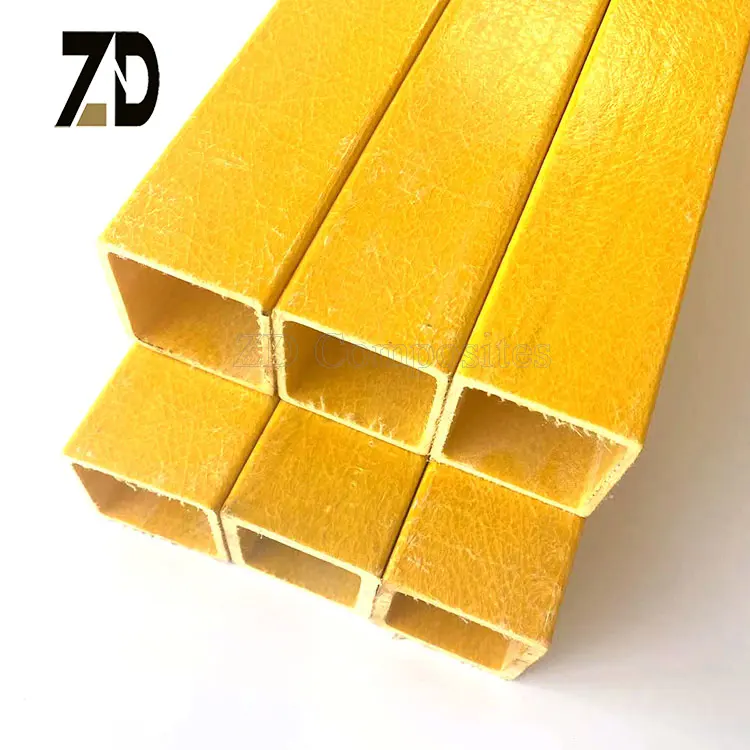
Modern infrastructure demands materials that deliver exceptional performance while maintaining long-term reliability and safety standards. The fiberglass square tube has emerged as a revolutionary solution in construction and engineering applications, offering unique advantages over traditional materials like steel and aluminum. These composite structures combine the strength of glass fibers with polymer resins to create lightweight yet incredibly durable components that resist corrosion, environmental degradation, and structural fatigue. Engineers and architects increasingly recognize the value of incorporating fiberglass square tube systems into their designs, particularly in environments where conventional materials fall short of performance expectations.
Superior Corrosion Resistance Properties
Chemical Immunity in Harsh Environments
The fiberglass square tube demonstrates remarkable resistance to chemical attack, making it ideal for infrastructure exposed to aggressive substances. Unlike steel components that rust and deteriorate when exposed to acids, salts, or industrial chemicals, fiberglass maintains its structural integrity indefinitely. This chemical immunity proves particularly valuable in marine environments, chemical processing facilities, and wastewater treatment plants where traditional materials experience rapid degradation. The polymer matrix protects the glass fibers from environmental contaminants, ensuring consistent performance throughout the structure's service life.
Long-Term Durability Benefits
Infrastructure projects require materials that maintain their properties for decades without significant maintenance interventions. The fiberglass square tube excels in this regard, offering superior longevity compared to conventional alternatives. Field studies demonstrate that properly installed fiberglass components retain over 95% of their original strength after 25 years of service, even in challenging outdoor conditions. This exceptional durability translates to reduced lifecycle costs, fewer replacement cycles, and enhanced safety margins throughout the structure's operational period.
Enhanced Structural Safety Features
Superior Strength-to-Weight Performance
Safety in infrastructure heavily depends on the structural materials' ability to handle loads while minimizing dead weight. The fiberglass square tube provides exceptional strength-to-weight ratios, often exceeding steel by 300% when comparing load capacity to material weight. This advantage allows engineers to design lighter structures without compromising safety factors, reducing foundation requirements and seismic loads. The material's consistent performance under various loading conditions ensures predictable behavior during extreme weather events or unexpected load applications.
Non-Conductive Properties for Electrical Safety
Electrical safety represents a critical concern in modern infrastructure, particularly near power lines, substations, or electronic equipment. The fiberglass square tube offers inherent electrical insulation properties that eliminate risks associated with conductive materials. This characteristic proves invaluable in telecommunications towers, electrical utility structures, and industrial facilities where accidental contact with energized components could result in catastrophic failures. The non-conductive nature also prevents galvanic corrosion when fiberglass components interface with different metal types in complex assemblies.
Versatile Applications Across Industries
Transportation Infrastructure Solutions
Transportation systems benefit significantly from fiberglass square tube implementation, particularly in bridge construction, guardrail systems, and support structures. The material's resistance to road salt, de-icing chemicals, and vehicle emissions ensures long-term performance in demanding roadway environments. Bridge designers appreciate the reduced dead loads that fiberglass components provide, allowing for longer spans or reduced foundation requirements. The material's fatigue resistance also proves superior to steel in applications involving repetitive loading cycles from traffic vibrations.
Industrial and Commercial Building Applications
Commercial and industrial facilities increasingly incorporate fiberglass square tube elements in their structural systems, particularly where chemical exposure or moisture concerns exist. Food processing plants, pharmaceutical facilities, and manufacturing operations benefit from the material's hygiene properties and resistance to cleaning chemicals. The fiberglass square tube maintains dimensional stability across wide temperature ranges, making it suitable for both refrigerated environments and high-temperature industrial processes. Its non-magnetic properties also prove valuable in facilities housing sensitive electronic equipment or medical imaging devices.
Manufacturing Excellence and Quality Control
Pultrusion Process Advantages
The manufacturing process for fiberglass square tube products utilizes advanced pultrusion techniques that ensure consistent quality and dimensional accuracy. This continuous manufacturing method produces uniform fiber orientation and resin distribution throughout the cross-section, resulting in predictable mechanical properties. Quality control systems monitor fiber content, resin cure, and dimensional tolerances to guarantee that each fiberglass square tube meets specified performance criteria. The controlled manufacturing environment eliminates many variables that affect traditional material production, leading to more reliable structural components.
Customization Capabilities for Specific Requirements
Modern infrastructure projects often require specialized solutions that standard materials cannot address effectively. The fiberglass square tube manufacturing process allows for extensive customization in terms of dimensions, fiber orientations, resin systems, and additional properties. Engineers can specify exact wall thicknesses, cross-sectional dimensions, and performance characteristics to match project requirements. This flexibility enables optimization of material usage while ensuring adequate safety margins, resulting in more efficient and cost-effective structural solutions.
Environmental Benefits and Sustainability
Reduced Environmental Impact During Service Life
Sustainability considerations increasingly influence material selection in infrastructure projects, and the fiberglass square tube offers several environmental advantages. The material's extended service life reduces replacement frequency, minimizing disruption to ecosystems and reducing construction-related environmental impacts. Its corrosion resistance eliminates the need for protective coatings that may contain harmful chemicals or require periodic renewal. The material also maintains its properties without releasing particulates or degradation products into the surrounding environment.
Energy Efficiency Contributions
The lightweight nature of fiberglass square tube components contributes to energy efficiency throughout the structure's lifecycle. Transportation costs decrease due to reduced material weight, and installation equipment requirements diminish accordingly. The material's thermal properties can contribute to building energy efficiency when used in structural applications, as fiberglass provides better insulation characteristics than metal alternatives. These factors combine to reduce the overall carbon footprint of infrastructure projects while maintaining superior performance standards.
Installation and Maintenance Advantages
Simplified Installation Procedures
The installation of fiberglass square tube systems offers significant advantages over traditional materials, primarily due to weight reduction and handling ease. Construction crews can manipulate larger components manually, reducing crane time and heavy equipment requirements. The material cuts easily with standard tools and doesn't require specialized welding or joining techniques in many applications. These factors reduce installation time, lower labor costs, and minimize safety risks associated with heavy lifting operations during construction.
Minimal Maintenance Requirements
Long-term maintenance costs represent a substantial portion of infrastructure lifecycle expenses, making low-maintenance materials highly valuable. The fiberglass square tube requires minimal upkeep throughout its service life, eliminating painting, rust prevention, or protective coating renewal. Routine inspections typically reveal no degradation, and cleaning requirements remain minimal even in polluted environments. This maintenance advantage translates to reduced operational costs, fewer service interruptions, and enhanced safety through reduced maintenance-related activities at height or in hazardous locations.
Economic Considerations and Cost Analysis
Lifecycle Cost Advantages
While initial costs for fiberglass square tube products may exceed traditional materials in some applications, lifecycle cost analysis consistently favors fiberglass solutions. The extended service life, reduced maintenance requirements, and elimination of replacement cycles create substantial savings over project lifespans. Insurance costs may also decrease due to enhanced safety characteristics and reduced fire risk compared to combustible materials. These economic benefits become more pronounced in challenging environments where traditional materials experience accelerated degradation.
Value Engineering Opportunities
Value engineering studies frequently identify fiberglass square tube applications as cost-effective alternatives to conventional solutions. The material's properties often allow for structural optimization that reduces overall system complexity and cost. Foundation requirements may decrease due to reduced dead loads, and simplified connection details can reduce fabrication expenses. The fiberglass square tube also enables architectural features that would be cost-prohibitive with traditional materials, adding aesthetic value without compromising structural performance.
FAQ
What is the typical lifespan of fiberglass square tube in infrastructure applications
Fiberglass square tube components typically last 50 to 75 years in infrastructure applications, significantly exceeding the service life of steel or aluminum alternatives. Field studies and accelerated aging tests demonstrate that properly designed and installed fiberglass systems maintain their structural properties with minimal degradation throughout this extended period. The material's resistance to environmental factors eliminates the gradual strength loss associated with corrosion in metal structures, ensuring consistent safety margins throughout the service life.
How does fiberglass square tube performance compare to steel in high-load applications
In high-load applications, fiberglass square tube products can match or exceed steel performance while offering significant weight savings. The material's tensile strength often equals or surpasses structural steel, while its fatigue resistance proves superior under cyclic loading conditions. Engineers must consider the different elastic modulus of fiberglass when designing for deflection-critical applications, but proper design practices easily accommodate these characteristics while maintaining structural adequacy and safety.
Can fiberglass square tube withstand extreme temperature variations
Standard fiberglass square tube products perform well across temperature ranges from -40°F to 200°F, covering most infrastructure exposure conditions. Specialized resin systems can extend this range for extreme applications, maintaining structural properties at temperatures up to 400°F or down to -100°F. The material's low thermal expansion coefficient reduces thermal stresses compared to metal alternatives, contributing to enhanced durability in environments with significant temperature cycling.
What fire safety considerations apply to fiberglass square tube installations
Modern fiberglass square tube products incorporate fire-retardant additives that meet building code requirements for structural applications. These formulations provide self-extinguishing properties and low smoke generation during fire exposure. While fiberglass doesn't achieve the fire resistance of steel or concrete, proper fire protection systems and design considerations ensure adequate safety performance. The material's non-conductive properties also eliminate fire risks associated with electrical arcing that can occur with metal structural components.
Table of Contents
- Superior Corrosion Resistance Properties
- Enhanced Structural Safety Features
- Versatile Applications Across Industries
- Manufacturing Excellence and Quality Control
- Environmental Benefits and Sustainability
- Installation and Maintenance Advantages
- Economic Considerations and Cost Analysis
-
FAQ
- What is the typical lifespan of fiberglass square tube in infrastructure applications
- How does fiberglass square tube performance compare to steel in high-load applications
- Can fiberglass square tube withstand extreme temperature variations
- What fire safety considerations apply to fiberglass square tube installations