
 EN
EN


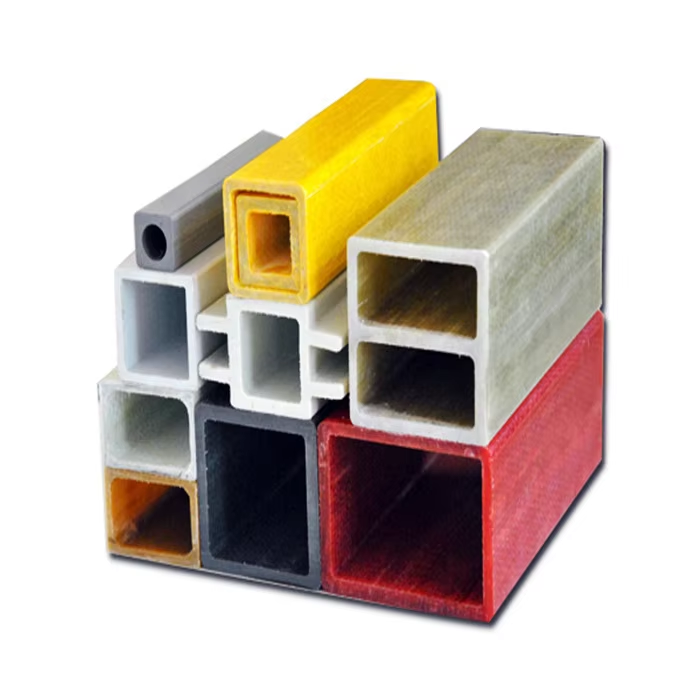
Modern industrial applications increasingly demand materials that combine strength, durability, and cost-effectiveness. The fiberglass square tube has emerged as a superior alternative to traditional materials like steel and aluminum across numerous sectors. This composite material offers unique properties that make it particularly well-suited for structural applications, utility infrastructure, and specialized industrial projects. Understanding the advantages of fiberglass square tube technology can help engineers and project managers make informed decisions for their specific applications.
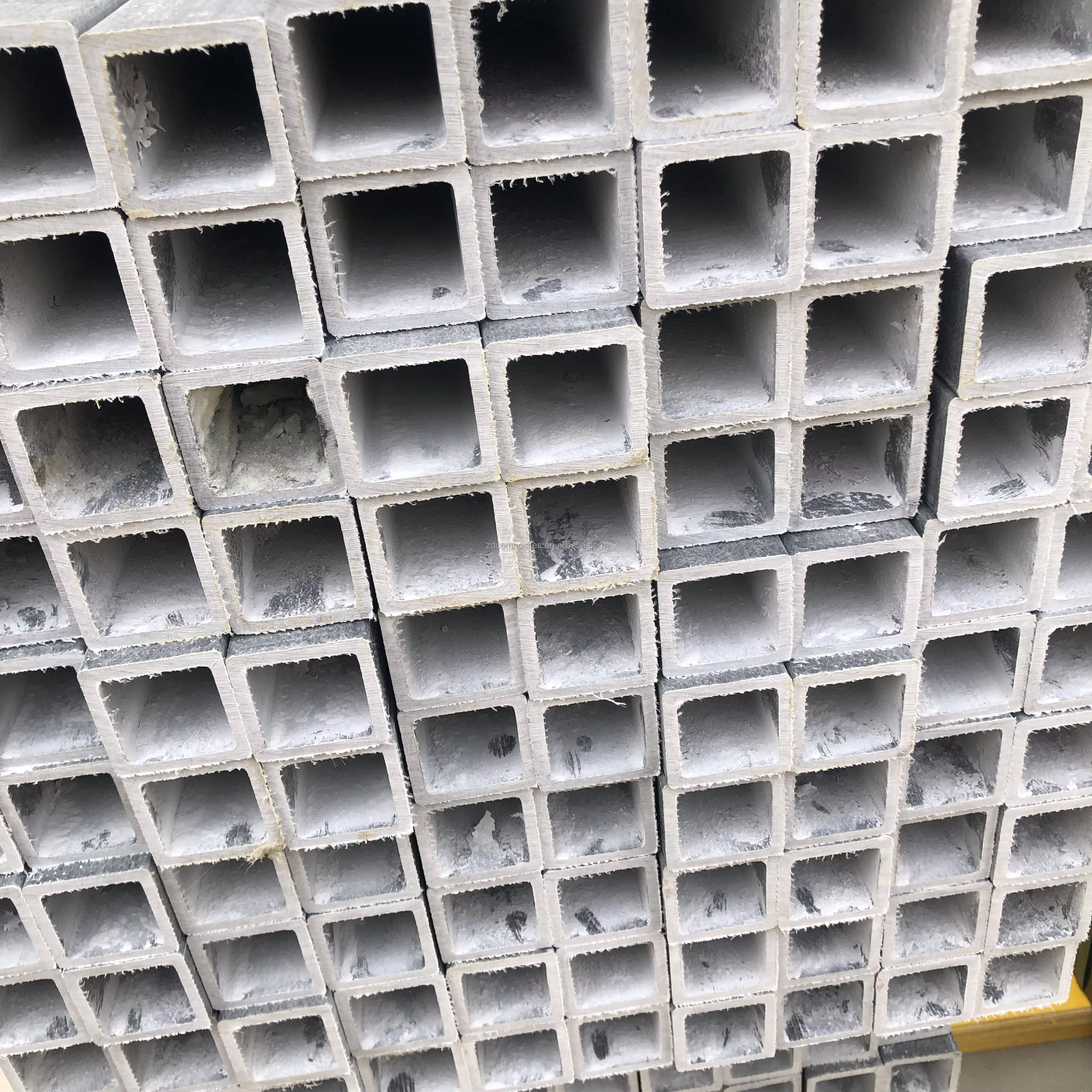
The growing adoption of composite materials in construction and industrial sectors reflects their superior performance characteristics compared to conventional options. A fiberglass square tube provides exceptional versatility while addressing many limitations associated with metallic alternatives. These composite structures have revolutionized how engineers approach design challenges in corrosive environments, weight-sensitive applications, and long-term durability requirements.
Superior Corrosion Resistance Properties
Chemical Immunity Advantages
Unlike steel or aluminum, a fiberglass square tube demonstrates remarkable resistance to chemical corrosion and environmental degradation. The glass fiber reinforcement combined with resin matrix creates an inherently non-reactive surface that withstands exposure to acids, alkalis, and salt water without deteriorating. This chemical immunity eliminates the need for protective coatings, galvanizing, or regular maintenance treatments required by metallic alternatives.
Industrial facilities operating in harsh chemical environments benefit significantly from fiberglass square tube installations. Chemical processing plants, wastewater treatment facilities, and marine applications experience extended service life without the gradual weakening that affects steel structures. The composite material maintains its structural integrity even after prolonged exposure to corrosive substances that would rapidly degrade traditional metals.
Environmental Durability Benefits
Weather resistance represents another critical advantage where fiberglass square tube technology excels beyond conventional materials. UV radiation, temperature fluctuations, and moisture exposure cause minimal degradation to properly formulated composite structures. The material resists oxidation, rust formation, and galvanic corrosion that commonly plague metal installations in outdoor environments.
Coastal installations and agricultural applications particularly benefit from this environmental durability. Salt air and high humidity conditions that accelerate corrosion in steel and aluminum have minimal impact on fiberglass square tube performance. This resistance translates to reduced replacement costs and extended operational reliability in challenging environmental conditions.
Weight and Strength Performance
Exceptional Strength-to-Weight Ratio
The fiberglass square tube offers an outstanding strength-to-weight ratio that surpasses both steel and aluminum in many applications. While steel provides high strength, its density significantly increases structural weight and transportation costs. Aluminum offers lighter weight than steel but often requires larger cross-sections to achieve equivalent strength, potentially increasing material costs and design complexity.
Composite fiberglass square tube structures typically weigh 70-80% less than equivalent steel components while maintaining comparable or superior strength characteristics. This weight reduction benefits transportation logistics, installation procedures, and foundation requirements. Crane capacity limitations, shipping costs, and handling safety all improve when using lightweight composite alternatives.
Load-Bearing Capacity Excellence
The directional strength properties of fiberglass square tube construction allow engineers to optimize load-bearing capacity for specific applications. Unlike isotropic metals, composite materials can be engineered with fiber orientations that maximize strength in primary load directions. This customization capability enables more efficient structural designs with reduced material usage.
Flexural strength, compression resistance, and fatigue performance of quality fiberglass square tube products often exceed those of aluminum and approach steel performance levels. The absence of stress concentration points common in welded steel joints further enhances the overall structural reliability of composite systems.
Economic and Maintenance Advantages
Long-Term Cost Effectiveness
While initial material costs for fiberglass square tube products may exceed those of steel or aluminum, the total cost of ownership typically favors composite solutions. Reduced maintenance requirements, elimination of protective coatings, and extended service life create significant long-term savings. The absence of corrosion means structures maintain their appearance and performance without periodic refinishing or replacement.
Installation cost advantages also contribute to overall project economics. Lighter weight fiberglass square tube components reduce crane requirements, labor costs, and foundation specifications. The material's workability allows for easier field modifications and repairs compared to welding operations required for metallic alternatives.
Maintenance Simplification
Maintenance schedules for fiberglass square tube installations are significantly simplified compared to steel or aluminum structures. The absence of rust, oxidation, or galvanic corrosion eliminates regular inspection and treatment cycles. Cleaning typically requires only basic washing, without specialized protective coating applications or corrosion remediation procedures.
This maintenance reduction particularly benefits remote installations, offshore platforms, and infrastructure projects where access difficulties increase service costs. The predictable performance characteristics of fiberglass square tube systems enable more accurate lifecycle planning and budget forecasting for facility managers.
Design Flexibility and Installation Benefits
Manufacturing Customization Options
The pultrusion manufacturing process used for fiberglass square tube production enables extensive customization options unavailable with standard steel or aluminum profiles. Wall thickness variations, dimensional tolerances, and integrated features can be incorporated during manufacturing rather than requiring secondary operations. This customization capability allows engineers to optimize designs for specific performance requirements.
Color integration during manufacturing eliminates the need for painting or coating operations while providing permanent aesthetic finishes. UV-resistant gel coats and specialty surface textures can be applied during production, creating finished products that require no additional treatment before installation.
Installation Process Advantages
Field installation procedures for fiberglass square tube systems often prove simpler and faster than traditional metal alternatives. Standard woodworking and metalworking tools can cut and shape composite materials without specialized equipment. The absence of welding requirements reduces fire hazards, eliminates hot work permits, and simplifies safety procedures on construction sites.
Connection methods for fiberglass square tube assemblies include mechanical fastening, adhesive bonding, and composite joining techniques that provide reliable structural connections. These joining methods often create stronger bonds than the parent material, ensuring structural integrity throughout the assembled system.
Electrical and Thermal Properties
Electrical Insulation Characteristics
The non-conductive properties of fiberglass square tube materials provide significant safety advantages in electrical applications. Unlike steel or aluminum, composite structures do not create electrical conductivity paths that could pose shock hazards or interference problems. This electrical isolation makes fiberglass square tube ideal for utility applications, electrical equipment supports, and installations near power systems.
Lightning protection systems and electrical safety protocols are simplified when using non-conductive composite materials. The absence of electrical conductivity eliminates galvanic corrosion between dissimilar metals and reduces electromagnetic interference concerns in sensitive electronic environments.
Thermal Performance Benefits
Thermal expansion characteristics of fiberglass square tube products differ significantly from metals, often providing advantages in temperature-varying environments. The lower coefficient of thermal expansion reduces stress concentrations and connection failures that commonly affect metal structures during temperature cycling.
Thermal conductivity properties of composite materials also provide insulation benefits that can improve energy efficiency in certain applications. This thermal resistance helps maintain temperature stability in heated or cooled structures while reducing energy transfer through structural components.
Environmental Impact Considerations
Sustainability Advantages
The extended service life of fiberglass square tube installations contributes to improved environmental sustainability compared to shorter-lived alternatives. Reduced replacement frequency decreases material consumption, manufacturing energy requirements, and transportation impacts over the structure's lifecycle. The corrosion resistance eliminates the need for protective coatings that may contain environmentally harmful compounds.
Manufacturing processes for modern fiberglass square tube products increasingly incorporate recycled content and environmentally responsible resin systems. These improvements further reduce the environmental impact while maintaining performance characteristics essential for structural applications.
Resource Efficiency Benefits
The superior strength-to-weight ratio of fiberglass square tube construction enables more efficient use of raw materials compared to equivalent steel or aluminum structures. Lighter structures require smaller foundations, reduce transportation energy consumption, and minimize construction equipment requirements. These efficiency gains translate to reduced resource consumption throughout the project lifecycle.
End-of-life considerations for composite materials continue to improve as recycling technologies develop. While traditional disposal methods have limitations, emerging processing techniques enable recovery and reuse of fiberglass components, improving the overall environmental profile of composite construction materials.
FAQ
How does the lifespan of fiberglass square tube compare to steel alternatives
Fiberglass square tube installations typically provide 50-75 years of service life in most environments, significantly exceeding steel structures that may require replacement every 20-30 years due to corrosion. The composite material's resistance to environmental degradation ensures consistent performance throughout its extended service life, making it a more sustainable long-term solution.
What are the load-bearing limitations of fiberglass square tube compared to steel
While steel generally provides higher ultimate strength values, fiberglass square tube products offer excellent strength-to-weight ratios that make them suitable for most structural applications. The key difference lies in design approaches, where composite materials excel in tension and flexural loading while requiring careful consideration for compression and impact loads.
Can fiberglass square tube be used in high-temperature applications
Standard fiberglass square tube products typically maintain structural properties up to 200-250°F, making them suitable for many industrial applications. Specialized high-temperature resin systems can extend this range to 400°F or higher for specific applications, though thermal expansion characteristics must be considered in design calculations.
How do connection methods for fiberglass square tube differ from metal alternatives
Fiberglass square tube assemblies utilize mechanical fastening, structural adhesives, and composite joining techniques rather than welding. These connection methods often create stronger bonds than the parent material and eliminate heat-affected zones that can weaken welded steel joints. Proper joint design is crucial for achieving optimal structural performance in composite assemblies.
Table of Contents
- Superior Corrosion Resistance Properties
- Weight and Strength Performance
- Economic and Maintenance Advantages
- Design Flexibility and Installation Benefits
- Electrical and Thermal Properties
- Environmental Impact Considerations
-
FAQ
- How does the lifespan of fiberglass square tube compare to steel alternatives
- What are the load-bearing limitations of fiberglass square tube compared to steel
- Can fiberglass square tube be used in high-temperature applications
- How do connection methods for fiberglass square tube differ from metal alternatives