
 EN
EN


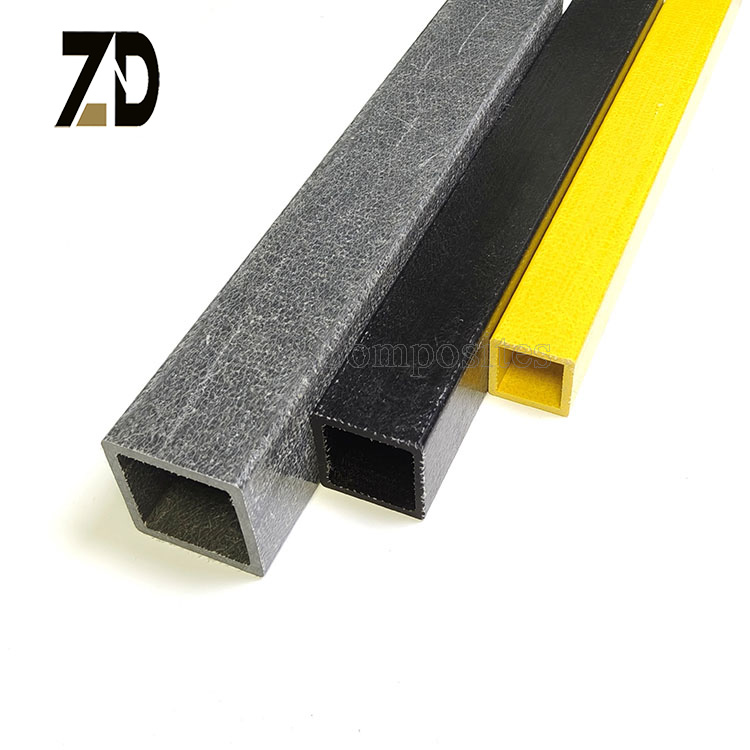
Fiberglass square tubes have emerged as a revolutionary construction material that combines exceptional strength, corrosion resistance, and lightweight properties. These composite structures are increasingly replacing traditional materials in demanding construction and industrial applications where durability and performance are critical. The unique manufacturing process of pultruded fiberglass creates a uniform cross-section that maintains consistent structural properties throughout the entire length of the fiberglass square tube, making it an ideal choice for engineers and contractors seeking reliable building solutions.
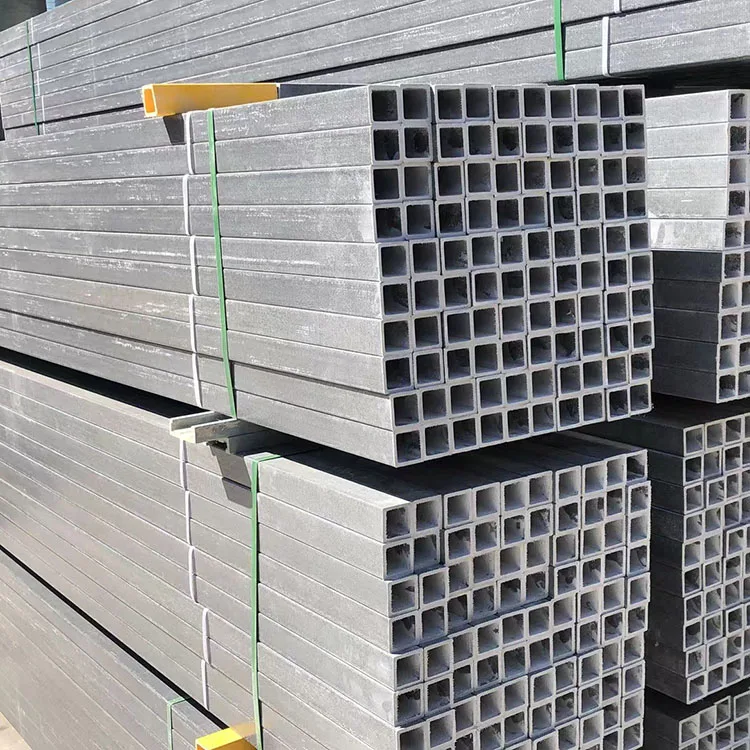
The construction industry has witnessed a significant shift toward advanced composite materials, with fiberglass square tube leading this transformation. Unlike steel or aluminum alternatives, these composite tubes offer superior resistance to environmental factors while maintaining exceptional load-bearing capabilities. The versatility of fiberglass square tubes extends across multiple sectors, from infrastructure development to specialized industrial facilities, where their unique properties provide solutions to challenging engineering requirements.
Structural Applications in Modern Construction
Building Framework and Support Systems
In contemporary construction projects, fiberglass square tube serves as an essential component for building frameworks and structural support systems. These tubes provide excellent compressive and tensile strength while offering significant weight advantages over traditional materials. Construction teams frequently utilize fiberglass square tube assemblies in areas where corrosion resistance is paramount, such as coastal buildings, chemical processing facilities, and environments with high humidity levels.
The installation process of fiberglass square tube frameworks requires specialized techniques that differ from conventional steel construction methods. Professional installers must understand the unique connection methods, including mechanical fasteners, adhesive bonding, and specialized joining systems. The thermal expansion characteristics of fiberglass square tube also influence design considerations, as these materials exhibit lower expansion rates compared to metal alternatives, reducing stress on connecting elements.
Infrastructure and Civil Engineering Projects
Civil engineering applications have embraced fiberglass square tube technology for infrastructure projects requiring long-term durability and minimal maintenance. Bridge construction projects increasingly incorporate these composite tubes in pedestrian walkways, utility support structures, and architectural elements. The non-conductive properties of fiberglass square tube make them particularly valuable in electrical infrastructure applications where safety and reliability are critical.
Transportation infrastructure benefits significantly from fiberglass square tube implementations, particularly in rail systems and highway applications. These tubes resist road salt corrosion and environmental degradation while maintaining structural integrity under dynamic loading conditions. The lightweight nature of fiberglass square tube assemblies reduces foundation requirements and simplifies installation procedures in challenging terrain or existing infrastructure environments.
Industrial Manufacturing and Processing Applications
Chemical and Petrochemical Industries
Industrial processing facilities rely heavily on fiberglass square tube systems for equipment support structures, piping frameworks, and safety barriers. The chemical resistance properties of these composite materials enable their use in aggressive environments where traditional materials would rapidly deteriorate. Petrochemical plants utilize fiberglass square tube assemblies for platform construction, equipment mounting systems, and process piping support structures that must withstand corrosive atmospheres and extreme operating conditions.
Manufacturing processes benefit from the non-metallic properties of fiberglass square tube, particularly in applications requiring electromagnetic transparency or electrical isolation. Food processing facilities appreciate the smooth surface finish and chemical resistance that prevents contamination and simplifies cleaning procedures. The dimensional stability of fiberglass square tube under temperature variations ensures consistent performance in industrial environments with fluctuating operating conditions.
Marine and Offshore Applications
Marine construction projects extensively utilize fiberglass square tube due to its exceptional resistance to saltwater corrosion and marine organisms. Offshore platforms, dock structures, and marine facilities benefit from the long-term performance characteristics that significantly reduce maintenance requirements. The buoyancy properties and corrosion resistance of fiberglass square tube make it an ideal choice for underwater applications and tidal zone installations.
Shipbuilding applications incorporate fiberglass square tube in superstructure elements, equipment mounts, and interior framework systems. The electromagnetic transparency of these materials prevents interference with navigation and communication equipment while providing necessary structural support. Marine contractors appreciate the ease of fabrication and modification that fiberglass square tube offers during construction and retrofit operations.
Specialized Engineering Applications
Telecommunications and Electrical Infrastructure
Telecommunications infrastructure requires support structures that do not interfere with signal transmission while providing reliable mechanical support. Fiberglass square tube assemblies serve as ideal mounting systems for antenna arrays, cable management systems, and equipment enclosures. The non-conductive properties eliminate concerns about electrical grounding and reduce the risk of signal interference in sensitive electronic environments.
Electrical utility applications benefit from the insulating properties of fiberglass square tube in high-voltage environments and substations. These materials provide safe working platforms and equipment support structures that eliminate electrical hazards associated with metallic alternatives. The weather resistance and dimensional stability of fiberglass square tube ensure long-term reliability in outdoor electrical installations exposed to extreme environmental conditions.
Architectural and Aesthetic Applications
Modern architecture increasingly incorporates fiberglass square tube elements for both structural and aesthetic purposes. The ability to produce these tubes in various colors and surface finishes enables architects to integrate structural elements seamlessly into building designs. Curtain wall systems, decorative facades, and architectural features benefit from the design flexibility and performance characteristics of fiberglass square tube assemblies.
The lightweight nature of fiberglass square tube allows for innovative architectural solutions that would be impractical with traditional materials. Cantilevered structures, suspended elements, and complex geometric forms become feasible when utilizing these advanced composite materials. The low thermal conductivity of fiberglass square tube also contributes to energy efficiency in building envelope applications.
Installation and Engineering Considerations
Design and Specification Requirements
Proper specification of fiberglass square tube requires understanding the unique material properties and design methodologies specific to composite materials. Engineers must consider factors such as fiber orientation, resin systems, and manufacturing tolerances when developing structural designs. The anisotropic nature of fiberglass square tube necessitates careful analysis of loading conditions and stress distributions to ensure optimal performance.
Quality control measures for fiberglass square tube installation include dimensional verification, surface preparation requirements, and connection integrity testing. Construction specifications must address environmental conditions during installation, curing requirements for adhesive systems, and quality assurance procedures specific to composite construction methods. Proper handling and storage procedures protect the integrity of fiberglass square tube during transportation and construction phases.
Connection Methods and Assembly Techniques
Connecting fiberglass square tube assemblies requires specialized hardware and techniques that accommodate the material properties of composite structures. Mechanical fastening systems utilize through-bolts, clamps, and brackets designed specifically for composite materials. Adhesive bonding methods provide continuous load transfer and weather sealing when properly executed according to manufacturer specifications and environmental conditions.
Field modification and cutting of fiberglass square tube require appropriate tools and safety procedures to maintain material integrity and worker safety. Professional installation teams must understand proper cutting techniques, edge finishing requirements, and protective measures necessary when working with composite materials. Training and certification programs ensure that installation personnel possess the knowledge and skills required for successful fiberglass square tube construction projects.
Performance Benefits and Economic Advantages
Long-term Durability and Maintenance
The exceptional durability of fiberglass square tube translates into significant long-term cost savings through reduced maintenance requirements and extended service life. Unlike metallic alternatives that require regular painting, coating renewal, and corrosion prevention measures, fiberglass square tube maintains its appearance and structural properties with minimal maintenance intervention. This characteristic provides substantial economic benefits over the lifecycle of construction and industrial projects.
Maintenance procedures for fiberglass square tube installations typically involve periodic cleaning and inspection rather than extensive refurbishment or replacement activities. The stable material properties resist degradation from ultraviolet exposure, chemical contact, and mechanical wear under normal service conditions. Documentation and tracking of fiberglass square tube performance demonstrate consistent reliability and predictable service life characteristics.
Environmental and Sustainability Considerations
Environmental benefits of fiberglass square tube include reduced material consumption due to high strength-to-weight ratios and extended service life compared to traditional materials. Manufacturing processes for these composite materials utilize energy-efficient production methods and generate minimal waste products. The recyclability of fiberglass square tube at end-of-life provides additional environmental benefits when properly processed through specialized recycling facilities.
Sustainable construction practices increasingly recognize the value of fiberglass square tube in green building initiatives and LEED certification projects. The reduced transportation energy requirements due to lightweight properties and minimal maintenance needs contribute to overall project sustainability goals. Life-cycle assessment studies demonstrate favorable environmental profiles for fiberglass square tube applications compared to conventional construction materials.
FAQ
What are the primary advantages of using fiberglass square tube in construction projects
Fiberglass square tube offers superior corrosion resistance, exceptional strength-to-weight ratio, and electrical insulation properties that make it ideal for construction applications. These tubes require minimal maintenance, resist environmental degradation, and provide long-term structural reliability in demanding conditions where traditional materials would fail or require frequent replacement.
How does the installation process for fiberglass square tube differ from steel construction
Installing fiberglass square tube requires specialized connection methods including adhesive bonding, mechanical fasteners designed for composites, and different handling procedures. The lightweight nature simplifies transportation and positioning, but proper techniques for cutting, drilling, and connecting must be followed to maintain structural integrity and performance characteristics.
What factors should engineers consider when specifying fiberglass square tube for industrial applications
Engineers must evaluate load requirements, environmental conditions, temperature ranges, and chemical exposure when specifying fiberglass square tube. Material properties such as fiber orientation, resin system selection, and dimensional tolerances directly impact performance. Proper design methodology accounts for the anisotropic nature of composite materials and specific connection requirements.
What is the expected service life of fiberglass square tube in outdoor applications
Fiberglass square tube typically provides 25-50 years of service life in outdoor applications with minimal maintenance requirements. The actual service life depends on environmental conditions, loading patterns, and quality of installation. UV-resistant resin systems and proper surface finishes ensure long-term performance in direct sunlight and weather exposure conditions.
Table of Contents
- Structural Applications in Modern Construction
- Industrial Manufacturing and Processing Applications
- Specialized Engineering Applications
- Installation and Engineering Considerations
- Performance Benefits and Economic Advantages
-
FAQ
- What are the primary advantages of using fiberglass square tube in construction projects
- How does the installation process for fiberglass square tube differ from steel construction
- What factors should engineers consider when specifying fiberglass square tube for industrial applications
- What is the expected service life of fiberglass square tube in outdoor applications