
 EN
EN


The world of modern sports equipment has undergone a revolutionary transformation with the introduction of advanced composite materials. Among these innovative materials, carbon fiber tubing stands out as a game-changing component that has redefined performance standards across numerous athletic disciplines. From professional cycling frames to fishing rods and tennis rackets, carbon fiber tubing has become the material of choice for manufacturers seeking to deliver superior strength, reduced weight, and enhanced performance characteristics.
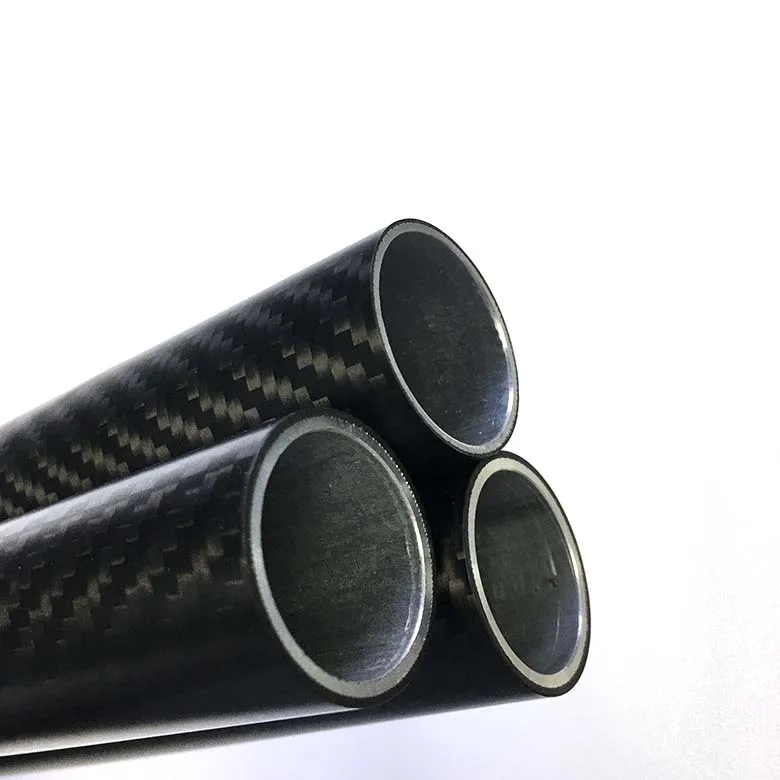
The exceptional properties of carbon fiber tubing have made it an indispensable material in the sports industry, where every gram of weight reduction and increment of strength can determine the difference between victory and defeat. This remarkable material combines the lightweight nature of carbon fibers with the structural integrity required for demanding athletic applications, creating a perfect balance that traditional materials simply cannot match.
Fundamental Properties of Carbon Fiber Tubing in Athletic Applications
Exceptional Strength-to-Weight Ratio
The most compelling advantage of carbon fiber tubing lies in its remarkable strength-to-weight ratio, which significantly exceeds that of traditional materials like aluminum or steel. This characteristic makes carbon fiber tubing approximately five times stronger than steel while weighing only one-fourth as much. In sports equipment manufacturing, this translates to products that can withstand tremendous forces and impacts while maintaining minimal weight, allowing athletes to achieve superior performance with reduced fatigue.
The molecular structure of carbon fiber tubing consists of thousands of carbon atoms bonded together in microscopic crystals, creating an incredibly strong yet lightweight matrix. This unique composition enables sports equipment manufacturers to design products that meet the rigorous demands of competitive athletics without compromising on durability or performance. The resulting equipment provides athletes with the confidence to push their limits while maintaining the structural integrity necessary for safety and optimal performance.
Superior Stiffness and Flex Characteristics
Carbon fiber tubing exhibits exceptional stiffness properties that can be precisely engineered to match specific application requirements. Unlike traditional materials that offer fixed stiffness characteristics, carbon fiber tubing can be manufactured with varying degrees of flexibility along different axes, allowing for customized performance characteristics. This versatility enables equipment designers to create products that respond predictably to applied forces, providing athletes with consistent and reliable performance.
The directional properties of carbon fiber tubing allow manufacturers to optimize stiffness in critical load-bearing directions while maintaining appropriate flexibility in other orientations. This strategic engineering approach results in sports equipment that delivers precise energy transfer during athletic movements while absorbing unwanted vibrations that could negatively impact performance. The ability to fine-tune these characteristics makes carbon fiber tubing an ideal choice for demanding sports applications where performance optimization is paramount.
Manufacturing Advantages in Sports Equipment Production
Precision Manufacturing Capabilities
The manufacturing process of carbon fiber tubing allows for exceptional precision in creating components with tight tolerances and consistent quality. Advanced pultrusion and filament winding techniques enable manufacturers to produce carbon fiber tubing with uniform wall thickness, precise dimensions, and predictable mechanical properties. This manufacturing precision is crucial in sports equipment applications where even minor variations can significantly impact performance and safety.
Modern carbon fiber tubing production utilizes computer-controlled processes that ensure repeatability and quality consistency across large production runs. This capability allows sports equipment manufacturers to maintain strict performance standards while scaling production to meet market demands. The precision achievable with carbon fiber tubing manufacturing processes far exceeds what is possible with traditional materials, enabling the creation of high-performance sports equipment with unparalleled consistency.
Design Flexibility and Customization
Carbon fiber tubing offers unprecedented design flexibility that enables sports equipment manufacturers to create innovative products tailored to specific performance requirements. The material can be formed into complex shapes and configurations that would be impossible or prohibitively expensive to achieve with traditional materials. This flexibility allows designers to optimize aerodynamics, weight distribution, and structural characteristics simultaneously.
The ability to vary fiber orientation and layup patterns in carbon fiber tubing provides manufacturers with extensive customization options for different sports applications. Engineers can strategically place reinforcing fibers to maximize strength in high-stress areas while minimizing weight in less critical regions. This level of customization enables the development of specialized sports equipment that delivers optimal performance for specific athletic disciplines and individual athlete preferences.
Performance Benefits Across Different Sports Categories
Cycling and Wheeled Sports Applications
In cycling applications, carbon fiber tubing has revolutionized frame construction by providing the ideal combination of lightweight construction and structural rigidity. Professional cycling teams have universally adopted carbon fiber tubing for their competitive bicycles due to its ability to transfer power efficiently from the rider to the wheels while absorbing road vibrations that cause fatigue. The material's excellent fatigue resistance ensures that cycling frames maintain their performance characteristics throughout extended use.
The aerodynamic advantages of carbon fiber tubing in cycling applications cannot be overstated. The material can be shaped into aerodynamically optimized profiles that reduce drag while maintaining structural integrity. This capability has enabled the development of time trial and triathlon bicycles that achieve significant aerodynamic improvements over traditional frame materials, providing competitive advantages that translate directly into improved race times and performance outcomes.
Racquet Sports and Impact Applications
Tennis racquets, badminton racquets, and other impact sports equipment benefit tremendously from the vibration-damping properties of carbon fiber tubing. The material's ability to absorb and dissipate impact energy reduces the transmission of harmful vibrations to the athlete's arm and shoulder, minimizing the risk of repetitive stress injuries. This characteristic has made carbon fiber tubing the preferred choice for professional and amateur athletes seeking to maintain peak performance while protecting their long-term health.
The precise stiffness control possible with carbon fiber tubing allows racquet manufacturers to fine-tune the feel and responsiveness of their products to match different playing styles and skill levels. Advanced players often prefer stiffer carbon fiber tubing constructions that provide maximum power transfer, while recreational players may benefit from more flexible configurations that offer greater forgiveness and comfort during play.
Durability and Longevity Considerations
Resistance to Environmental Factors
Carbon fiber tubing demonstrates exceptional resistance to environmental factors that commonly affect sports equipment, including moisture, temperature variations, and ultraviolet radiation. Unlike metallic materials that are susceptible to corrosion and oxidation, carbon fiber tubing maintains its structural properties and appearance even after prolonged exposure to harsh outdoor conditions. This durability makes it ideal for sports equipment that must perform reliably across diverse environmental conditions.
The chemical inertness of carbon fiber tubing provides additional advantages in sports applications where equipment may be exposed to saltwater, chlorine, or other potentially corrosive substances. This resistance ensures that sports equipment maintains its performance characteristics and aesthetic appearance throughout its service life, providing athletes with consistent performance and reducing the need for frequent equipment replacement.
Fatigue Resistance and Service Life
The exceptional fatigue resistance of carbon fiber tubing makes it particularly suitable for sports equipment subjected to repeated loading cycles. Unlike traditional materials that may develop stress concentrations and eventual failure after extended use, carbon fiber tubing maintains its structural integrity through millions of loading cycles. This characteristic is especially important in sports equipment applications where failure could result in injury or performance degradation.
Long-term studies have demonstrated that properly designed carbon fiber tubing components can maintain their performance characteristics for decades of regular use. This longevity provides significant value to athletes and sports equipment manufacturers by reducing replacement costs and ensuring consistent performance throughout the product's service life. The predictable aging characteristics of carbon fiber tubing also enable manufacturers to provide accurate warranty coverage and service life estimates.
Cost-Effectiveness and Economic Considerations
Initial Investment versus Long-Term Value
While carbon fiber tubing typically requires a higher initial investment compared to traditional materials, its superior performance characteristics and extended service life often result in better long-term value for sports equipment applications. The reduced weight and improved performance can lead to better athletic outcomes, while the extended durability reduces the frequency of equipment replacement. These factors combine to create a compelling economic case for carbon fiber tubing in high-performance sports applications.
The manufacturing efficiency improvements possible with carbon fiber tubing also contribute to its cost-effectiveness. The material's ability to be formed into complex shapes in single manufacturing operations reduces assembly requirements and associated labor costs. Additionally, the precision achievable with carbon fiber tubing manufacturing processes reduces waste and quality control expenses compared to traditional materials.
Market Adoption and Accessibility
The increasing adoption of carbon fiber tubing in sports equipment has led to economies of scale that have gradually reduced manufacturing costs and improved accessibility for a broader range of applications. As production volumes have increased and manufacturing processes have become more efficient, the cost premium associated with carbon fiber tubing has decreased significantly, making it viable for a wider range of sports equipment categories.
The growing availability of standard carbon fiber tubing profiles and sizes has further improved cost-effectiveness by reducing the need for custom tooling and setup costs. Sports equipment manufacturers can now select from a wide range of readily available carbon fiber tubing options, enabling them to incorporate this advanced material into their products without significant development investments.
Future Innovations and Development Trends
Advanced Fiber Technologies
Ongoing research and development in carbon fiber technology continue to improve the performance characteristics of carbon fiber tubing for sports applications. New fiber types and manufacturing processes are being developed that promise even higher strength-to-weight ratios, improved impact resistance, and enhanced fatigue performance. These innovations will further expand the potential applications for carbon fiber tubing in sports equipment.
Hybrid carbon fiber tubing constructions that combine carbon fibers with other advanced materials are showing promising results in laboratory testing. These composite approaches may provide optimized performance characteristics for specific sports applications while potentially reducing costs compared to pure carbon fiber constructions.
Smart Integration and Sensor Technology
The integration of sensor technology and smart materials with carbon fiber tubing represents an exciting frontier in sports equipment development. Researchers are exploring methods to embed strain sensors, accelerometers, and other monitoring devices directly into carbon fiber tubing structures. This integration could provide real-time performance feedback and equipment health monitoring capabilities that enhance both performance and safety.
Future developments may include carbon fiber tubing with self-monitoring capabilities that can detect damage or wear before it becomes critical. Such innovations could revolutionize sports equipment maintenance and replacement strategies while providing athletes with unprecedented insights into their equipment performance and condition.
FAQ
How does carbon fiber tubing compare to aluminum tubing in sports equipment?
Carbon fiber tubing offers several significant advantages over aluminum tubing in sports equipment applications. It provides approximately five times the strength of aluminum while weighing only about 60% as much, resulting in superior strength-to-weight ratios. Carbon fiber tubing also offers better vibration damping properties, reducing fatigue and improving comfort during extended use. Additionally, carbon fiber tubing can be engineered with directional properties that optimize stiffness and flexibility for specific applications, while aluminum has fixed material properties. The corrosion resistance of carbon fiber tubing is also superior, ensuring longer service life in challenging environmental conditions.
Is carbon fiber tubing suitable for all types of sports equipment?
While carbon fiber tubing offers exceptional performance characteristics, it may not be suitable for all sports equipment applications. It excels in applications where weight reduction, vibration damping, and high stiffness-to-weight ratios are critical, such as bicycle frames, fishing rods, tennis racquets, and archery arrows. However, for sports equipment requiring extreme impact resistance or where cost is a primary concern, traditional materials may be more appropriate. The decision should be based on specific performance requirements, cost considerations, and the intended application environment.
What maintenance requirements are associated with carbon fiber tubing sports equipment?
Carbon fiber tubing sports equipment generally requires minimal maintenance compared to traditional materials. Regular cleaning with mild soap and water is typically sufficient to maintain appearance and performance. Unlike metal components, carbon fiber tubing does not require protection against corrosion or oxidation. However, it's important to inspect carbon fiber tubing equipment regularly for visible damage such as cracks, delamination, or impact damage, as these issues can significantly compromise structural integrity. Any damaged carbon fiber tubing components should be professionally evaluated and repaired or replaced as necessary.
Can carbon fiber tubing be repaired if damaged during use?
Carbon fiber tubing can often be repaired if damaged, depending on the extent and location of the damage. Minor surface scratches and small chips typically do not affect structural integrity and may only require cosmetic repair. More significant damage such as cracks, delamination, or impact damage may require professional repair using specialized carbon fiber repair techniques and materials. However, repairs should always be performed by qualified technicians familiar with carbon fiber tubing construction and repair methods. In some cases, replacement may be more cost-effective than repair, particularly for high-stress applications where safety is paramount.
Table of Contents
- Fundamental Properties of Carbon Fiber Tubing in Athletic Applications
- Manufacturing Advantages in Sports Equipment Production
- Performance Benefits Across Different Sports Categories
- Durability and Longevity Considerations
- Cost-Effectiveness and Economic Considerations
- Future Innovations and Development Trends
- FAQ