
 EN
EN


The electrical industry has witnessed remarkable advancements in materials technology, with carbon fiber tubing emerging as a revolutionary solution for modern electrical applications. This innovative material combines exceptional strength, lightweight properties, and superior electrical characteristics that make it increasingly valuable across diverse electrical systems. Engineers and electrical professionals are discovering that carbon fiber tubing offers unique advantages that traditional materials simply cannot match in today's demanding electrical environments.
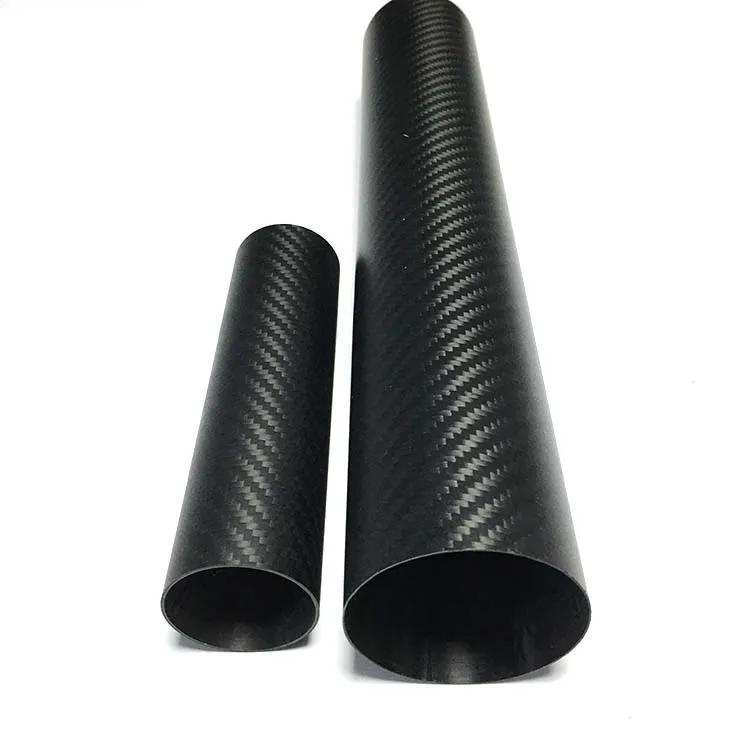
Understanding Carbon Fiber Tubing in Electrical Systems
Material Composition and Structure
Carbon fiber tubing consists of carbon fibers woven together and bound with polymer resins to create a composite material with exceptional properties. The carbon fibers themselves are incredibly thin, measuring only 5-10 micrometers in diameter, yet they provide remarkable tensile strength when combined in tubular configurations. This unique structure allows carbon fiber tubing to maintain its integrity under extreme conditions while offering excellent dimensional stability.
The manufacturing process involves carefully aligning carbon fibers in specific orientations to optimize mechanical properties for electrical applications. The resin matrix surrounding the fibers provides protection against environmental factors while maintaining the material's inherent electrical characteristics. This combination results in a lightweight yet robust solution that outperforms many traditional electrical materials in demanding applications.
Electrical Properties and Performance
One of the most significant advantages of carbon fiber tubing in electrical applications lies in its unique electrical properties. Unlike metals that conduct electricity, carbon fiber tubing can be engineered to provide specific electrical characteristics ranging from conductive to insulating properties. This versatility makes it suitable for various electrical applications where precise electrical behavior is required.
The material exhibits excellent electromagnetic shielding properties, making it valuable in applications where electromagnetic interference (EMI) protection is critical. Carbon fiber tubing can effectively block electromagnetic radiation while maintaining structural integrity, providing dual functionality that traditional materials struggle to achieve. These properties make it particularly useful in sensitive electronic equipment housings and cable management systems.
Superior Mechanical Advantages
Strength-to-Weight Ratio Excellence
Carbon fiber tubing delivers an exceptional strength-to-weight ratio that significantly surpasses traditional materials used in electrical applications. This characteristic allows electrical systems to maintain structural integrity while reducing overall system weight, which is particularly beneficial in aerospace, automotive, and portable electrical equipment applications. The reduced weight translates to easier installation, lower transportation costs, and improved system efficiency.
The high tensile strength of carbon fiber tubing enables it to withstand substantial mechanical stresses without deformation or failure. This reliability is crucial in electrical applications where mechanical stability directly impacts system performance and safety. Engineers can design more compact and efficient electrical systems knowing that carbon fiber tubing will maintain its structural properties under various loading conditions.
Dimensional Stability and Precision
Carbon fiber tubing exhibits remarkable dimensional stability across varying temperature ranges, making it ideal for electrical applications exposed to thermal cycling. Unlike metals that expand and contract significantly with temperature changes, carbon fiber tubing maintains consistent dimensions, ensuring reliable electrical connections and system performance over time. This stability is particularly valuable in precision electrical equipment where dimensional changes could affect functionality.
The material's low coefficient of thermal expansion means that electrical components housed within carbon fiber tubing experience minimal stress from thermal variations. This characteristic extends component life, reduces maintenance requirements, and improves overall system reliability in demanding electrical environments.
Environmental Resistance and Durability
Chemical and Corrosion Resistance
Carbon fiber tubing demonstrates exceptional resistance to chemical degradation and corrosion, making it suitable for electrical applications in harsh environmental conditions. Unlike metallic materials that can suffer from galvanic corrosion, oxidation, or chemical attack, carbon fiber tubing maintains its properties when exposed to moisture, acids, bases, and various industrial chemicals commonly encountered in electrical installations.
This chemical resistance translates to longer service life and reduced maintenance costs in electrical systems. Carbon fiber tubing continues to perform reliably in marine environments, chemical processing facilities, and outdoor electrical installations where traditional materials might degrade over time. The material's inherent stability ensures consistent electrical performance throughout its extended service life.
UV Resistance and Weather Protection
Modern carbon fiber tubing formulations include UV-resistant additives that protect against solar radiation damage, making them suitable for outdoor electrical applications. This UV resistance prevents degradation of mechanical and electrical properties even after prolonged exposure to sunlight, ensuring long-term reliability in solar installations, outdoor lighting systems, and exposed electrical infrastructure.
The weather resistance of carbon fiber tubing extends beyond UV protection to include resistance to temperature extremes, humidity variations, and precipitation. These properties make it an excellent choice for electrical applications in challenging climates where traditional materials might require frequent replacement or extensive protective measures.
Design Flexibility and Customization
Tailored Electrical Properties
Carbon fiber tubing can be engineered with specific electrical properties to meet unique application requirements. Manufacturers can adjust fiber orientation, resin selection, and additional conductive or insulating materials to create carbon fiber tubing with precisely controlled electrical characteristics. This customization capability allows engineers to optimize electrical performance for specific applications rather than compromising with standard materials.
The ability to tailor electrical properties extends to creating carbon fiber tubing with gradient properties along its length or circumference. This advanced engineering capability enables the development of specialized electrical components that would be impossible to achieve with traditional materials, opening new possibilities for innovative electrical system designs.
Complex Geometric Capabilities
Manufacturing processes for carbon fiber tubing allow for the creation of complex geometries and integrated features that enhance electrical system design possibilities. Unlike traditional materials that may require multiple components and joints, carbon fiber tubing can incorporate mounting points, connection interfaces, and specialized shapes in a single piece, reducing assembly complexity and potential failure points.
This design flexibility enables the creation of carbon fiber tubing solutions that integrate multiple functions within a single component. Electrical enclosures, cable management systems, and support structures can be combined into unified carbon fiber tubing assemblies that simplify installation while improving overall system performance and reliability.
Cost-Effectiveness and Long-Term Value
Lifecycle Cost Analysis
While the initial cost of carbon fiber tubing may exceed traditional materials, comprehensive lifecycle cost analysis reveals significant long-term value. The extended service life, reduced maintenance requirements, and improved system efficiency provided by carbon fiber tubing often result in lower total ownership costs over the system's operational lifetime.
The durability and reliability of carbon fiber tubing translate to reduced downtime, fewer replacement cycles, and lower maintenance costs in electrical systems. These factors contribute to improved return on investment, particularly in critical electrical applications where system reliability directly impacts operational efficiency and profitability.
Energy Efficiency Benefits
Carbon fiber tubing contributes to improved energy efficiency in electrical systems through its lightweight properties and thermal characteristics. Reduced system weight decreases energy requirements for portable applications, while the material's thermal properties can enhance heat dissipation in electrical components, improving efficiency and extending component life.
The electromagnetic shielding properties of carbon fiber tubing also contribute to energy efficiency by reducing electromagnetic losses and improving signal integrity in electrical systems. These benefits accumulate over time, resulting in measurable energy savings and improved system performance that justify the initial investment in carbon fiber tubing technology.
Applications in Modern Electrical Systems
Power Distribution and Transmission
Carbon fiber tubing finds extensive applications in power distribution systems where its combination of strength, lightweight properties, and electrical characteristics provide significant advantages. Utility companies utilize carbon fiber tubing for overhead line supports, underground conduit systems, and specialized electrical equipment housings that require exceptional durability and performance.
In transmission applications, carbon fiber tubing serves as an ideal material for supporting structures and protective housings that must withstand high electrical stresses while maintaining dimensional stability. The material's resistance to environmental factors ensures reliable performance in diverse geographical and climatic conditions encountered in electrical transmission infrastructure.
Industrial Automation and Control Systems
Industrial automation systems benefit significantly from carbon fiber tubing applications in robot arms, conveyor systems, and precision positioning equipment. The material's excellent strength-to-weight ratio enables faster operation and improved accuracy while its electromagnetic shielding properties protect sensitive control electronics from interference.
Control system applications leverage the dimensional stability and vibration damping properties of carbon fiber tubing to ensure precise operation of sensors, actuators, and measurement equipment. The material's reliability in harsh industrial environments reduces maintenance requirements and improves overall system uptime in critical manufacturing processes.
FAQ
How does carbon fiber tubing compare to aluminum in electrical applications
Carbon fiber tubing offers superior strength-to-weight ratio, better corrosion resistance, and customizable electrical properties compared to aluminum. While aluminum conducts electricity naturally, carbon fiber tubing can be engineered for specific electrical characteristics and provides better electromagnetic shielding. Additionally, carbon fiber tubing exhibits greater dimensional stability across temperature variations and superior fatigue resistance in cyclic loading applications.
What maintenance requirements does carbon fiber tubing have in electrical systems
Carbon fiber tubing requires minimal maintenance in electrical applications due to its inherent resistance to corrosion, chemical degradation, and environmental factors. Regular visual inspections for physical damage and cleaning with appropriate solvents are typically sufficient. The material does not require protective coatings or treatments like metal alternatives, significantly reducing long-term maintenance costs and system downtime.
Can carbon fiber tubing be repaired if damaged in electrical applications
Yes, carbon fiber tubing can be effectively repaired using composite repair techniques including patch repairs, overwrap methods, and bonded joint repairs. Professional repair procedures can restore structural integrity and electrical properties to near-original specifications. However, the durability and damage resistance of carbon fiber tubing typically results in fewer repair requirements compared to traditional materials used in electrical applications.
What are the temperature limitations for carbon fiber tubing in electrical systems
Carbon fiber tubing can operate effectively across a wide temperature range, typically from -40°C to 150°C (-40°F to 300°F) depending on the specific resin system used. High-temperature formulations can extend this range to 200°C (400°F) or higher for specialized electrical applications. The material maintains its mechanical and electrical properties throughout these temperature ranges, making it suitable for diverse electrical system requirements.
Table of Contents
- Understanding Carbon Fiber Tubing in Electrical Systems
- Superior Mechanical Advantages
- Environmental Resistance and Durability
- Design Flexibility and Customization
- Cost-Effectiveness and Long-Term Value
- Applications in Modern Electrical Systems
-
FAQ
- How does carbon fiber tubing compare to aluminum in electrical applications
- What maintenance requirements does carbon fiber tubing have in electrical systems
- Can carbon fiber tubing be repaired if damaged in electrical applications
- What are the temperature limitations for carbon fiber tubing in electrical systems