
 EN
EN


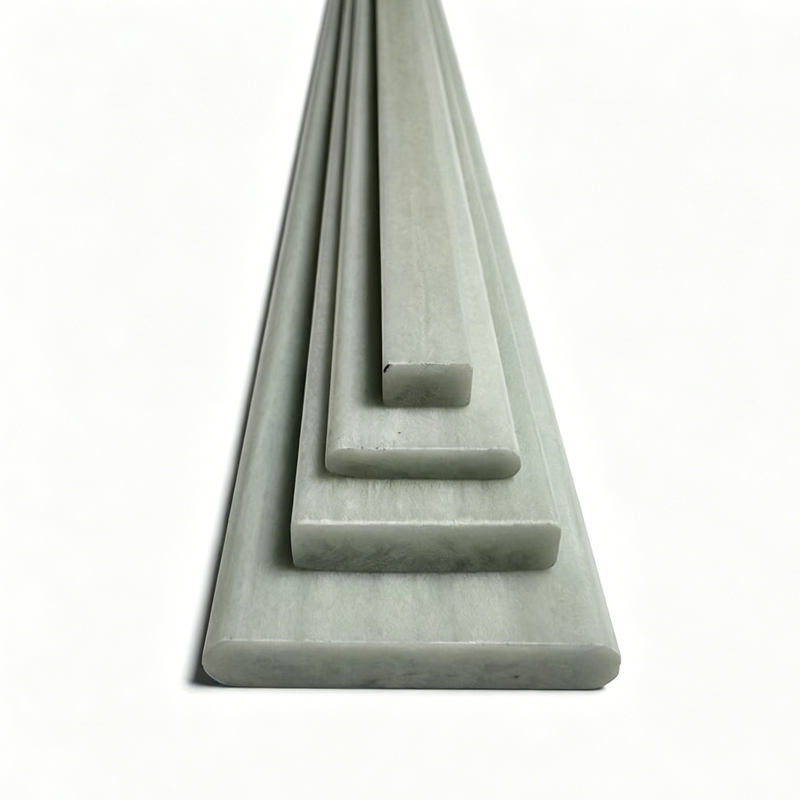
Construction professionals increasingly recognize the versatile advantages of fiberglass pole applications across diverse building projects. These advanced composite materials deliver exceptional performance characteristics that traditional steel and wood alternatives simply cannot match. From utility installations to architectural frameworks, the fiberglass pole has transformed modern construction methodologies through superior durability, lightweight handling, and remarkable resistance to environmental degradation
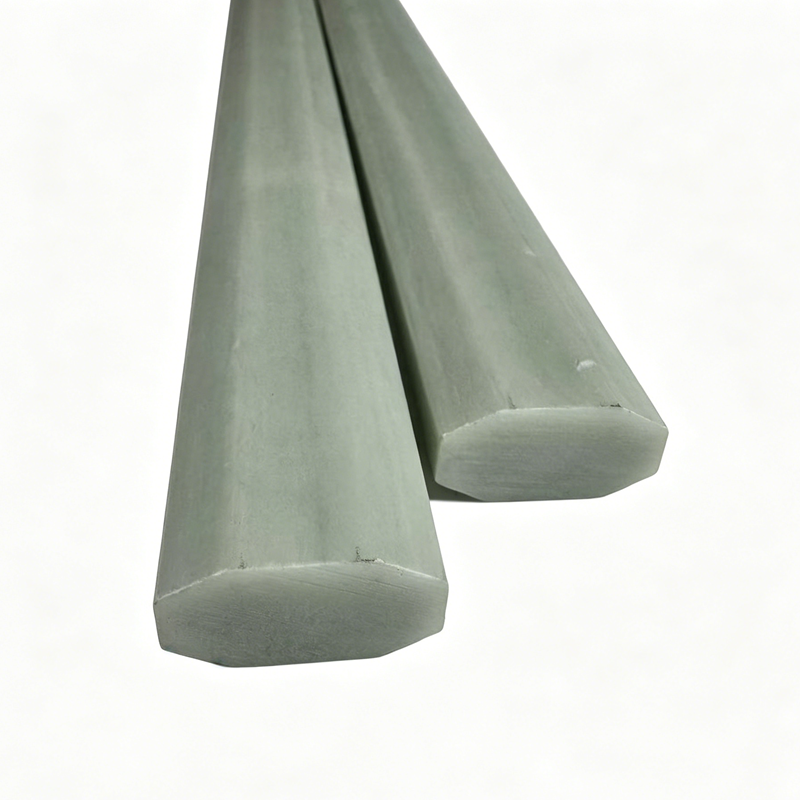
The construction industry continues evolving toward materials that combine structural integrity with operational efficiency. Engineers and contractors demand solutions that withstand harsh environmental conditions while maintaining dimensional stability over extended service periods. A properly specified fiberglass pole meets these demanding requirements through advanced polymer matrix composites that resist corrosion, ultraviolet radiation, and thermal expansion challenges that plague conventional materials.
Understanding optimal applications for fiberglass poles requires comprehensive analysis of project requirements, environmental conditions, and long-term performance expectations. Modern construction specifications increasingly favor composite materials that deliver predictable performance across varied installation scenarios while reducing maintenance costs and extending operational lifespans.
Utility Infrastructure Applications
Electrical Distribution Systems
Electrical utility companies extensively utilize fiberglass pole technology for overhead power distribution networks. These installations benefit from the inherent electrical insulation properties that eliminate dangerous ground fault conditions common with metallic alternatives. The fiberglass pole construction provides reliable support for transmission lines while maintaining safety standards in residential and commercial environments.
Power distribution applications require materials that withstand extreme weather conditions including high winds, ice loading, and temperature fluctuations. Fiberglass poles demonstrate superior performance under these challenging conditions through flexible strength characteristics that absorb dynamic loads without brittle failure modes typical of concrete alternatives.
Maintenance advantages become particularly evident in utility applications where traditional materials require frequent inspection and replacement cycles. The corrosion resistance inherent in fiberglass pole construction eliminates common failure points associated with steel corrosion and concrete spalling, resulting in extended service intervals and reduced operational costs.
Telecommunications Infrastructure
Modern telecommunications networks depend on reliable support structures that maintain signal integrity while withstanding environmental stresses. The fiberglass pole offers exceptional dimensional stability that prevents signal degradation caused by structural movement or electromagnetic interference from metallic components.
Cellular tower installations frequently specify fiberglass poles for antenna mounting applications where weight reduction and corrosion resistance provide significant advantages. These structures must support complex antenna arrays while maintaining precise alignment over decades of service life in challenging outdoor environments.
Cable television and internet service providers increasingly adopt fiberglass pole solutions for aerial distribution networks. The lightweight characteristics facilitate installation in areas with limited access while the non-conductive properties eliminate safety concerns related to electrical contact hazards.
Architectural and Structural Applications
Building Framework Components
Contemporary architectural designs incorporate fiberglass poles as primary structural elements in applications requiring both strength and aesthetic appeal. These components integrate seamlessly into modern building facades while providing reliable load-bearing capacity that meets stringent engineering requirements.
Commercial building applications benefit from the design flexibility inherent in fiberglass pole manufacturing processes. Custom profiles and dimensional specifications accommodate unique architectural requirements while maintaining structural performance standards essential for building code compliance.
Industrial facility construction frequently specifies fiberglass poles for applications where chemical resistance becomes critical to long-term performance. Manufacturing environments with corrosive atmospheres benefit from composite materials that maintain structural integrity despite exposure to aggressive chemicals that rapidly degrade traditional materials.
Canopy and Awning Support Systems
Outdoor architectural features require support structures that combine strength with weather resistance while maintaining visual appeal. Fiberglass pole applications in canopy systems provide reliable support for fabric and solid covering materials while resisting the environmental degradation that affects conventional support materials.
Commercial awning installations benefit from the lightweight characteristics that reduce foundation requirements while maintaining adequate strength for wind load resistance. The fiberglass pole construction eliminates concerns about galvanic corrosion when combined with aluminum hardware components common in commercial awning systems.
Sports facility applications utilize fiberglass poles for stadium canopies and grandstand covers where large span requirements demand high strength-to-weight ratios. These installations must withstand significant wind loads while supporting substantial dead loads from covering materials and equipment installations.
Transportation Infrastructure Applications
Highway Sign Support Systems
Transportation departments increasingly specify fiberglass pole solutions for highway sign mounting applications where durability and maintenance reduction provide significant lifecycle value. These installations must withstand constant vibration from traffic while maintaining sign position accuracy over extended service periods.
Bridge-mounted sign applications benefit from the corrosion resistance inherent in fiberglass pole construction, particularly in coastal environments where salt spray accelerates degradation of traditional materials. The non-metallic composition eliminates galvanic corrosion concerns when interfacing with existing bridge structures.
Variable message sign installations require stable support structures that maintain precise positioning for electronic display systems. The dimensional stability of fiberglass poles ensures consistent display alignment while the electrical insulation properties eliminate interference with sensitive electronic components.
Transit System Applications
Urban transit systems utilize fiberglass pole technology for station canopy supports and platform structures where passenger safety and structural reliability intersect. These applications require materials that resist vandalism while maintaining structural performance under dynamic loading conditions.
Bus stop shelters frequently incorporate fiberglass poles as primary support elements where the combination of strength, weather resistance, and low maintenance requirements provides optimal lifecycle performance. The smooth surface finish resists graffiti adhesion while maintaining structural integrity under repeated cleaning cycles.
Light rail installations benefit from the electrical insulation properties of fiberglass poles in applications where proximity to electrical systems creates safety concerns. The non-conductive nature eliminates shock hazards while providing reliable structural support for platform covers and passenger amenities.
Industrial and Marine Applications
Chemical Processing Facilities
Chemical processing environments present unique challenges where traditional materials fail rapidly due to aggressive chemical exposure. The fiberglass pole offers exceptional resistance to acids, bases, and organic solvents commonly encountered in industrial processing applications.
Tank farm installations utilize fiberglass poles for piping support systems where the combination of chemical resistance and structural strength provides reliable performance in demanding service conditions. These applications benefit from the predictable performance characteristics that enable precise engineering calculations and safety factor determinations.
Cooling tower applications frequently specify fiberglass poles for internal structural components where the combination of moisture resistance and dimensional stability prevents premature failure common with traditional materials. The smooth surface finish inhibits biological growth while maintaining structural performance under constant moisture exposure.
Marine and Coastal Installations
Coastal construction projects demand materials that withstand saltwater exposure without degradation over extended service periods. The fiberglass pole provides exceptional resistance to marine environments where traditional materials experience rapid deterioration from salt spray and galvanic corrosion.
Marina dock systems increasingly incorporate fiberglass poles for piling and support applications where the combination of strength and corrosion resistance provides superior performance compared to traditional timber or steel alternatives. The smooth surface finish resists marine organism attachment while maintaining structural capacity.
Waterfront lighting installations benefit from fiberglass pole construction where the electrical insulation properties enhance safety while the corrosion resistance ensures reliable performance in harsh marine environments. These applications require materials that maintain structural integrity despite constant exposure to salt spray and humidity variations.
Specialized Construction Applications
Agricultural Building Systems
Agricultural construction applications benefit from fiberglass pole technology where the combination of strength, corrosion resistance, and dimensional stability provides optimal performance in challenging farm environments. Livestock facilities particularly benefit from materials that resist degradation from ammonia exposure and high humidity conditions.
Greenhouse structures increasingly utilize fiberglass poles for framework applications where the thermal stability and UV resistance provide long-term performance advantages. The smooth surface finish facilitates cleaning while the structural properties support glazing systems and environmental control equipment.
Grain storage facilities specify fiberglass poles for structural applications where the combination of strength and moisture resistance prevents the degradation common with traditional materials in high-humidity agricultural environments. The dimensional stability maintains structural alignment despite seasonal moisture variations.
Recreation and Sports Facilities
Sports facility construction frequently incorporates fiberglass pole technology for applications requiring high strength-to-weight ratios combined with safety considerations. Athletic field lighting systems benefit from the electrical insulation properties while maintaining the structural capacity necessary for equipment mounting.
Swimming pool facilities utilize fiberglass poles for shade structure support where the chlorine resistance prevents degradation common with metallic alternatives. The smooth surface finish facilitates maintenance while the corrosion resistance ensures reliable performance in pool chemical environments.
Playground equipment applications benefit from the safety characteristics inherent in fiberglass pole construction where the non-conductive properties eliminate electrical hazards while the smooth finish prevents injury from surface irregularities common with traditional materials.
Installation and Design Considerations
Foundation Requirements
Proper foundation design becomes critical for fiberglass pole installations where the load transfer characteristics differ from traditional materials. The installation process requires consideration of thermal expansion coefficients and connection details that accommodate the unique properties of composite materials.
Anchor bolt specifications must account for the mechanical properties of fiberglass poles where connection stress concentrations can develop at hardware interfaces. Professional engineering analysis ensures proper load distribution while preventing localized failures that compromise overall structural performance.
Foundation sizing calculations benefit from the reduced weight characteristics of fiberglass poles where smaller foundations may provide adequate support compared to heavier traditional alternatives. This weight advantage translates to construction cost savings while maintaining required safety factors.
Connection and Hardware Details
Hardware selection requires careful consideration of material compatibility where galvanic corrosion potential exists between dissimilar materials. Stainless steel fasteners provide optimal performance when connecting to fiberglass poles while maintaining corrosion resistance in demanding environments.
Connection design must accommodate the thermal expansion characteristics of fiberglass poles where differential movement between connected components can create stress concentrations. Proper joint design allows controlled movement while maintaining structural integrity under thermal cycling conditions.
Drilling and cutting operations require specialized techniques appropriate for composite materials where traditional metalworking practices may cause delamination or fiber damage. Professional installation ensures proper techniques that maintain structural performance while preventing localized failures.
FAQ
What are the primary advantages of using fiberglass poles in construction projects
Fiberglass poles offer exceptional corrosion resistance, lightweight handling characteristics, electrical insulation properties, and dimensional stability that surpass traditional materials. These advantages translate to reduced maintenance requirements, extended service life, and improved safety performance in demanding construction applications. The material also provides design flexibility through custom manufacturing capabilities that accommodate unique project specifications.
How do fiberglass poles perform in extreme weather conditions
Fiberglass poles demonstrate superior performance under extreme weather conditions through flexible strength characteristics that absorb dynamic loads without brittle failure. The material resists temperature variations, UV radiation, and moisture penetration that cause degradation in traditional materials. Wind load resistance and ice loading capacity meet or exceed requirements for most construction applications while maintaining structural integrity over extended service periods.
What maintenance requirements exist for fiberglass pole installations
Fiberglass pole maintenance requirements remain minimal compared to traditional materials due to inherent corrosion resistance and dimensional stability. Periodic visual inspections verify structural condition while occasional cleaning maintains appearance and surface characteristics. The material eliminates painting requirements common with steel poles while avoiding the cracking and spalling issues associated with concrete alternatives, resulting in significantly reduced lifecycle maintenance costs.
Can fiberglass poles be customized for specific construction applications
Modern manufacturing processes enable extensive customization of fiberglass poles to meet specific construction requirements including dimensional specifications, strength characteristics, and surface finishes. Custom profiles, connection details, and performance properties can be engineered to accommodate unique project demands while maintaining cost-effectiveness. This flexibility allows architects and engineers to specify optimal solutions for challenging applications where standard products may not provide adequate performance.