
 EN
EN


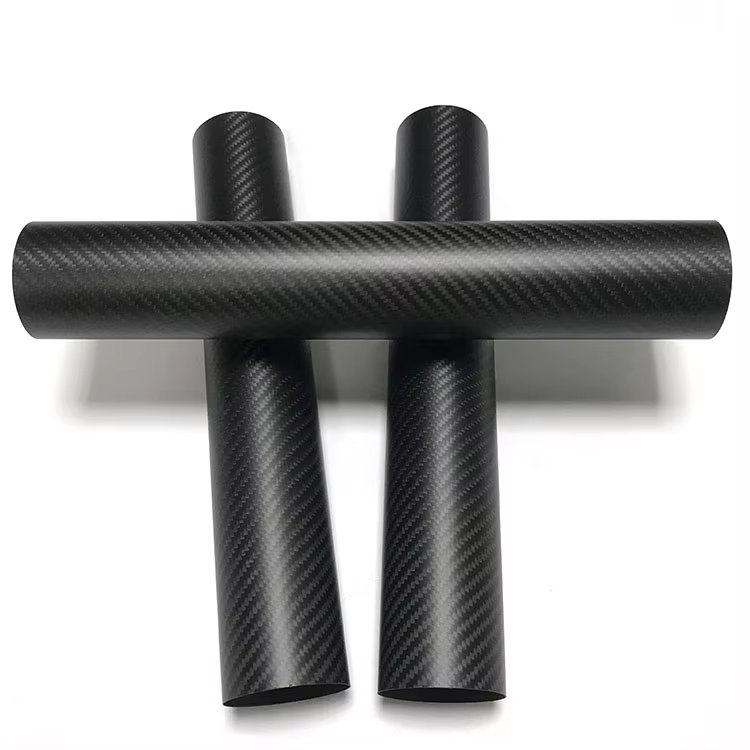
The aerospace and automotive industries continually seek innovative materials that deliver superior performance while reducing weight and enhancing structural integrity. Carbon fiber tubes have emerged as a revolutionary solution, offering exceptional strength-to-weight ratios that traditional materials simply cannot match. While many applications utilize various composite materials, the fiberglass pole technology serves as a foundation for understanding how advanced fiber-reinforced structures can transform modern engineering designs. These lightweight yet incredibly strong components are reshaping how engineers approach complex structural challenges in both aviation and automotive applications.
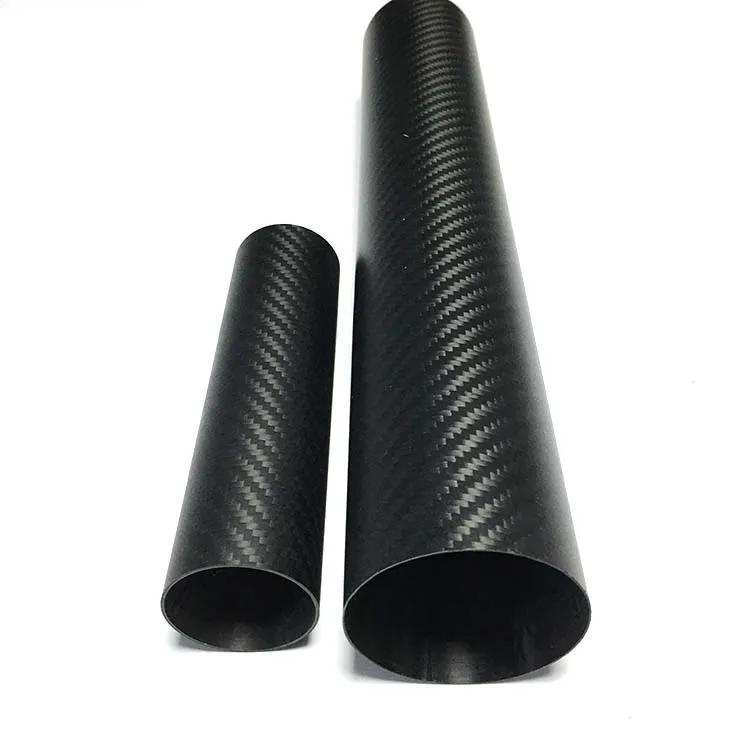
The evolution from traditional metallic structures to composite materials represents one of the most significant advances in manufacturing technology. Carbon fiber tubes provide engineers with unprecedented design flexibility while maintaining the structural reliability demanded in high-performance applications. The integration of fiberglass pole concepts into carbon fiber manufacturing has enabled the development of hybrid solutions that combine the best properties of multiple composite materials. This technological convergence has opened new possibilities for creating components that were previously impossible to manufacture using conventional methods.
Advanced Material Properties and Performance Characteristics
Exceptional Strength-to-Weight Ratios
Carbon fiber tubes demonstrate remarkable mechanical properties that make them ideal for aerospace and automotive applications where weight reduction is critical. The material exhibits tensile strength values that can exceed steel by up to 300% while weighing approximately 75% less than equivalent metallic components. This extraordinary strength-to-weight ratio allows engineers to design structures that maintain structural integrity under extreme loads while significantly reducing overall system weight. The fiberglass pole manufacturing principles have contributed to optimizing the fiber orientation patterns that maximize these strength characteristics.
The directional properties of carbon fiber tubes can be precisely engineered to match specific loading conditions, providing targeted reinforcement where needed most. Unlike isotropic materials that exhibit uniform properties in all directions, carbon fiber composites allow engineers to customize material properties by adjusting fiber orientation and layup sequences. This design flexibility enables the creation of components that are optimized for their specific application requirements, whether that involves resisting bending moments, torsional loads, or axial forces.
Thermal and Chemical Stability
The thermal stability of carbon fiber tubes makes them particularly suitable for high-temperature environments commonly encountered in aerospace and automotive applications. These materials maintain their structural properties across a wide temperature range, from cryogenic conditions to elevated temperatures exceeding 200°C in standard resin systems. The low coefficient of thermal expansion ensures dimensional stability under varying thermal conditions, preventing the thermal stresses that can compromise traditional materials. Similar thermal management principles are employed in fiberglass pole applications where temperature cycling resistance is essential.
Chemical resistance represents another significant advantage of carbon fiber tubes, particularly in automotive applications where exposure to fuels, oils, and cleaning solvents is common. The inert nature of carbon fibers combined with appropriate resin systems creates components that resist degradation from chemical exposure over extended service periods. This chemical stability eliminates the need for protective coatings that add weight and complexity while potentially compromising the underlying structure through coating failures or delamination.
Aerospace Applications and Performance Benefits
Structural Components and Fuselage Elements
In aerospace applications, carbon fiber tubes serve as critical structural elements in fuselage frames, wing spars, and control surface components where weight savings directly translate to improved fuel efficiency and payload capacity. The ability to create seamless tubular structures eliminates the need for multiple joints and fasteners that introduce stress concentrations and potential failure points. Modern aircraft manufacturers have embraced carbon fiber tube technology to create lighter, more efficient aircraft that meet increasingly stringent environmental regulations while maintaining safety standards.
The manufacturing versatility of carbon fiber tubes allows for the creation of complex geometries that would be extremely difficult or impossible to achieve with traditional metallic construction methods. Variable cross-sections, integrated mounting features, and hollow internal structures can be incorporated during the manufacturing process, eliminating secondary machining operations and reducing assembly complexity. The same design principles that make fiberglass pole construction efficient apply to carbon fiber tube manufacturing, enabling cost-effective production of high-performance aerospace components.
Propulsion System Components
Carbon fiber tubes play increasingly important roles in propulsion system applications, including engine mounts, ducting systems, and rotor assemblies where the combination of high strength and low weight is crucial for optimal performance. The vibration damping characteristics of carbon fiber composites help reduce noise and improve system reliability by minimizing fatigue-inducing oscillations. These properties make carbon fiber tubes particularly valuable in helicopter rotor systems and unmanned aerial vehicle applications where weight optimization is paramount.
The high fatigue resistance of properly designed carbon fiber tubes enables them to withstand the cyclic loading conditions encountered in rotating machinery applications. Unlike metallic components that may develop fatigue cracks over time, carbon fiber composites distribute loads across multiple fibers, preventing catastrophic failure modes. This reliability advantage, combined with the weight savings, makes carbon fiber tubes an attractive option for next-generation propulsion systems that demand both performance and longevity.
Automotive Industry Integration and Innovation
Chassis and Suspension Applications
The automotive industry has embraced carbon fiber tube technology for chassis components, roll cages, and suspension elements where the combination of strength, weight reduction, and design flexibility provides significant performance advantages. High-performance vehicles utilize carbon fiber tubes in space frame construction to achieve optimal torsional rigidity while minimizing weight penalty. The fiberglass pole manufacturing techniques have influenced carbon fiber production methods, enabling cost-effective manufacturing of automotive-grade components that meet strict safety and performance requirements.
Suspension components manufactured from carbon fiber tubes offer improved unsprung weight characteristics that enhance vehicle handling and ride quality. The reduced rotational inertia of lightweight suspension components allows for more responsive suspension behavior and improved tire contact with the road surface. This performance advantage is particularly noticeable in racing applications where every gram of weight reduction translates to measurable performance improvements on the track.
Body Panel Integration and Aerodynamic Enhancement
Carbon fiber tubes serve as structural reinforcements within body panels and aerodynamic components, providing the necessary stiffness to maintain precise aerodynamic shapes under varying load conditions. The ability to integrate structural and aesthetic functions within a single component reduces part count and assembly complexity while improving overall vehicle performance. Modern automotive manufacturers are increasingly utilizing carbon fiber tube reinforcements in door frames, roof structures, and bumper assemblies to achieve weight reduction targets without compromising safety performance.
The moldability of carbon fiber tubes during manufacturing enables the creation of complex three-dimensional shapes that optimize both structural performance and aerodynamic efficiency. This design freedom allows engineers to create components that serve multiple functions, such as providing structural support while directing airflow for cooling or aerodynamic purposes. The integration of fiberglass pole design principles ensures that these multi-functional components maintain their structural integrity under all operating conditions.
Manufacturing Processes and Quality Control
Advanced Pultrusion and Filament Winding Techniques
The manufacturing of carbon fiber tubes requires sophisticated processes that ensure consistent fiber orientation, resin distribution, and dimensional accuracy throughout the finished product. Pultrusion techniques, similar to those used in fiberglass pole production, enable continuous manufacturing of carbon fiber tubes with precise cross-sectional geometries and consistent material properties. The controlled environment of pultrusion processing ensures optimal fiber wet-out and eliminates voids that could compromise structural performance.
Filament winding represents another critical manufacturing approach for carbon fiber tubes, particularly for applications requiring complex fiber orientations or varying wall thicknesses. This process allows for precise control over fiber placement angles, enabling engineers to optimize structural properties for specific loading conditions. The combination of axial, circumferential, and helical winding patterns creates tubes with tailored stiffness and strength characteristics that match application requirements.
Quality Assurance and Testing Protocols
Comprehensive quality control measures ensure that carbon fiber tubes meet the stringent requirements of aerospace and automotive applications where component failure could have catastrophic consequences. Non-destructive testing methods, including ultrasonic inspection and radiographic examination, identify potential defects before components enter service. The quality standards developed for fiberglass pole manufacturing have been adapted and enhanced for carbon fiber applications, ensuring consistent performance across production batches.
Material certification processes verify that carbon fiber tubes meet or exceed specified mechanical properties, environmental resistance, and fatigue performance requirements. Accelerated testing protocols simulate years of service conditions in compressed timeframes, validating long-term reliability predictions. This rigorous approach to quality assurance provides manufacturers and end-users with confidence in the performance and reliability of carbon fiber tube components throughout their service life.
Future Developments and Emerging Technologies
Hybrid Material Systems and Smart Composites
The future of carbon fiber tube technology lies in the development of hybrid material systems that combine carbon fibers with other high-performance materials to create components with enhanced functionality. Smart composite systems incorporating embedded sensors enable real-time monitoring of structural health, providing early warning of potential issues before they become critical. These intelligent materials represent the next evolution in composite technology, building upon the foundation established by traditional fiberglass pole and carbon fiber manufacturing techniques.
Nanotechnology integration promises to further enhance the performance characteristics of carbon fiber tubes by improving fiber-matrix interfaces and introducing novel properties such as electrical conductivity or thermal management capabilities. These advanced materials will enable new applications in electric vehicles, renewable energy systems, and next-generation aerospace platforms where multifunctional materials provide significant system-level advantages.
Sustainable Manufacturing and Recyclability
Environmental sustainability is driving innovation in carbon fiber tube manufacturing, with emphasis on developing recyclable resin systems and reducing energy consumption during production. Bio-based resins and renewable energy-powered manufacturing facilities are becoming increasingly important as industries seek to reduce their environmental impact. The lessons learned from sustainable fiberglass pole production are being applied to carbon fiber manufacturing, creating more environmentally responsible production processes.
End-of-life recycling technologies for carbon fiber composites are advancing rapidly, enabling the recovery and reuse of expensive carbon fibers in new applications. These circular economy approaches reduce waste while making carbon fiber technology more economically accessible for a broader range of applications. The development of recyclable carbon fiber tubes will accelerate their adoption across industries that previously considered them economically unfeasible.
FAQ
What makes carbon fiber tubes superior to traditional metallic tubes in aerospace applications
Carbon fiber tubes offer exceptional strength-to-weight ratios that can exceed steel by up to 300% while weighing approximately 75% less, making them ideal for aerospace applications where weight reduction directly impacts fuel efficiency and payload capacity. Additionally, their excellent fatigue resistance and vibration damping properties contribute to improved system reliability and reduced maintenance requirements compared to metallic alternatives.
How do manufacturing processes affect the performance characteristics of carbon fiber tubes
Manufacturing processes like pultrusion and filament winding directly influence fiber orientation, resin distribution, and dimensional accuracy, which determine the final mechanical properties of carbon fiber tubes. Precise control over these parameters enables engineers to tailor strength and stiffness characteristics to match specific application requirements, similar to how fiberglass pole manufacturing optimizes material properties through controlled processing conditions.
What are the main advantages of using carbon fiber tubes in automotive suspension systems
Carbon fiber tubes in automotive suspension systems provide significant unsprung weight reduction, which improves vehicle handling, ride quality, and tire contact with the road surface. The reduced rotational inertia of lightweight suspension components enables more responsive suspension behavior and enhanced overall vehicle performance, particularly noticeable in high-performance and racing applications.
How do quality control measures ensure reliability in critical carbon fiber tube applications
Comprehensive quality control includes non-destructive testing methods such as ultrasonic inspection and radiographic examination to identify potential defects before service. Material certification processes verify mechanical properties, environmental resistance, and fatigue performance through accelerated testing protocols that simulate years of service conditions, ensuring long-term reliability in critical aerospace and automotive applications where component failure could have serious consequences.
Table of Contents
- Advanced Material Properties and Performance Characteristics
- Aerospace Applications and Performance Benefits
- Automotive Industry Integration and Innovation
- Manufacturing Processes and Quality Control
- Future Developments and Emerging Technologies
-
FAQ
- What makes carbon fiber tubes superior to traditional metallic tubes in aerospace applications
- How do manufacturing processes affect the performance characteristics of carbon fiber tubes
- What are the main advantages of using carbon fiber tubes in automotive suspension systems
- How do quality control measures ensure reliability in critical carbon fiber tube applications