Precision Engineering and Customization Capabilities
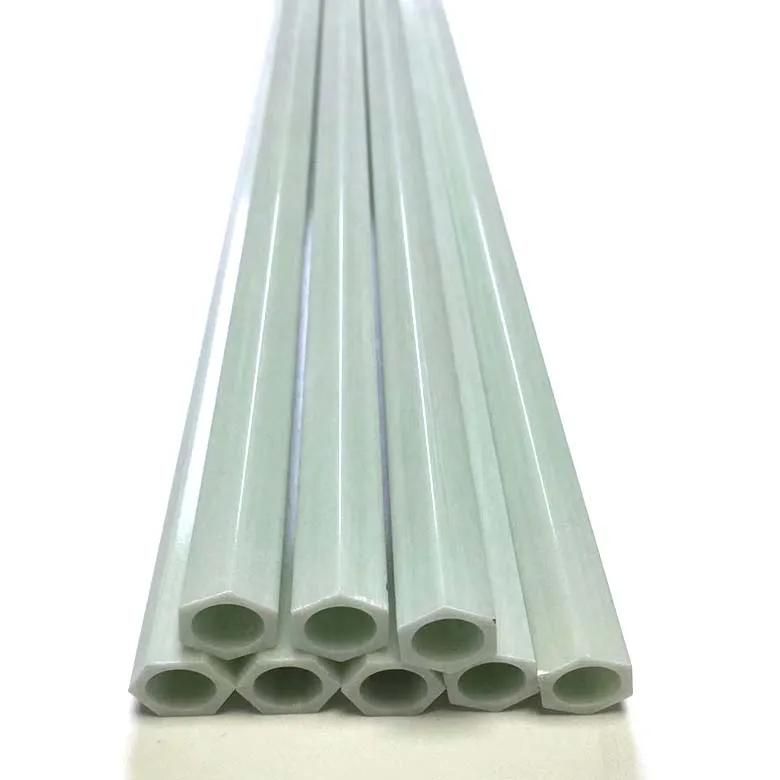
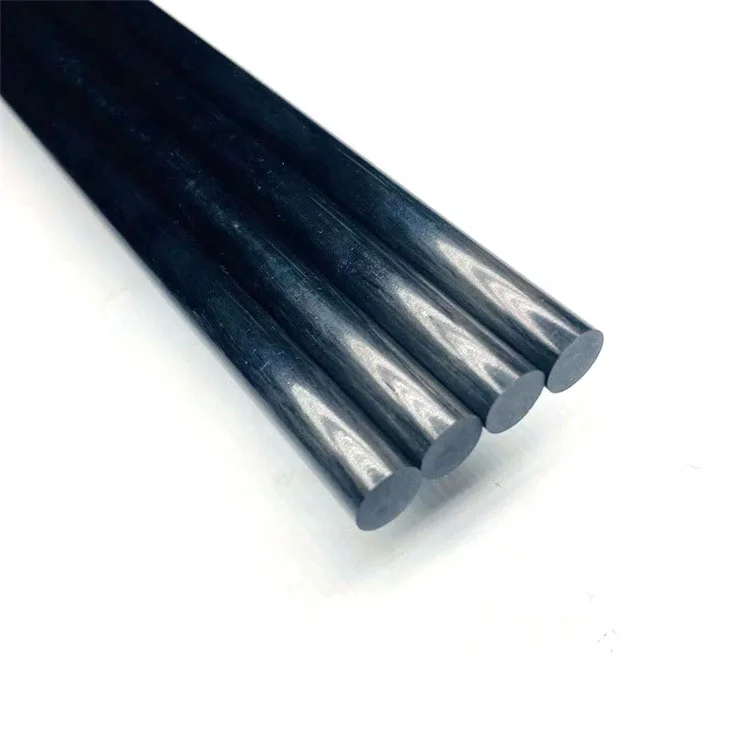
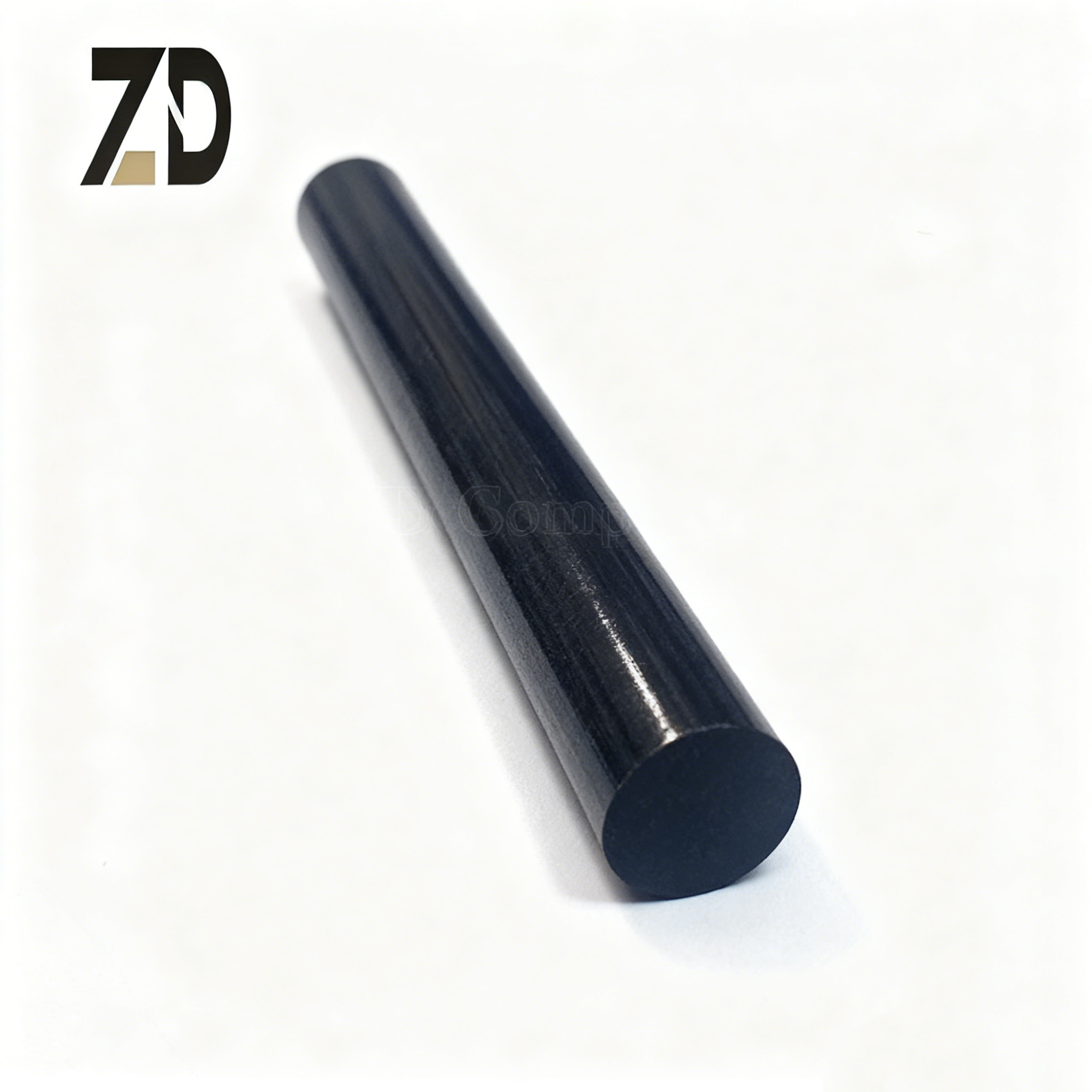
High quality carbon fiber rods offer unprecedented precision engineering capabilities and customization options that enable engineers to optimize performance characteristics for specific application requirements with remarkable accuracy and consistency. The manufacturing precision achievable through advanced pultrusion and filament winding processes allows production tolerances that meet the most demanding engineering specifications, often surpassing the dimensional accuracy of machined metallic components. This precision extends to mechanical properties, where fiber orientation, resin content, and curing parameters can be precisely controlled to achieve target strength, stiffness, and thermal characteristics within narrow specification bands. The customization possibilities include tailoring the modulus of elasticity from flexible to ultra-rigid configurations, adjusting thermal expansion coefficients to match connected materials, and optimizing strength characteristics for specific loading conditions such as tension, compression, bending, or torsion. Advanced fiber architectures, including unidirectional, woven, braided, and hybrid configurations, enable engineers to create rods with precisely tuned anisotropic properties that maximize performance efficiency. The resin matrix selection process allows optimization for specific environmental conditions, operating temperatures, and chemical exposure requirements while maintaining the desired mechanical properties. High quality carbon fiber rods can incorporate functional additives such as conductive fillers for electromagnetic shielding, thermal management particles for heat dissipation, or specialized fibers for enhanced impact resistance. The precision of fiber placement during manufacturing ensures consistent load distribution throughout the rod cross-section, eliminating stress concentrations that could lead to premature failure. Quality assurance processes including non-destructive testing, mechanical property verification, and dimensional inspection ensure each rod meets stringent specifications before delivery. The ability to produce rods with complex cross-sectional geometries, including hollow sections, integrated features, and varying wall thicknesses, enables designers to optimize structural efficiency while minimizing weight and material usage. Surface finish options range from smooth aerospace-quality surfaces to textured finishes for improved bonding or aesthetic requirements. The precision achievable in high quality carbon fiber rods enables their use in high-precision applications such as optical equipment supports, measurement instruments, and robotic systems where dimensional stability and accuracy are critical performance parameters.
 ×
×

 EN
EN