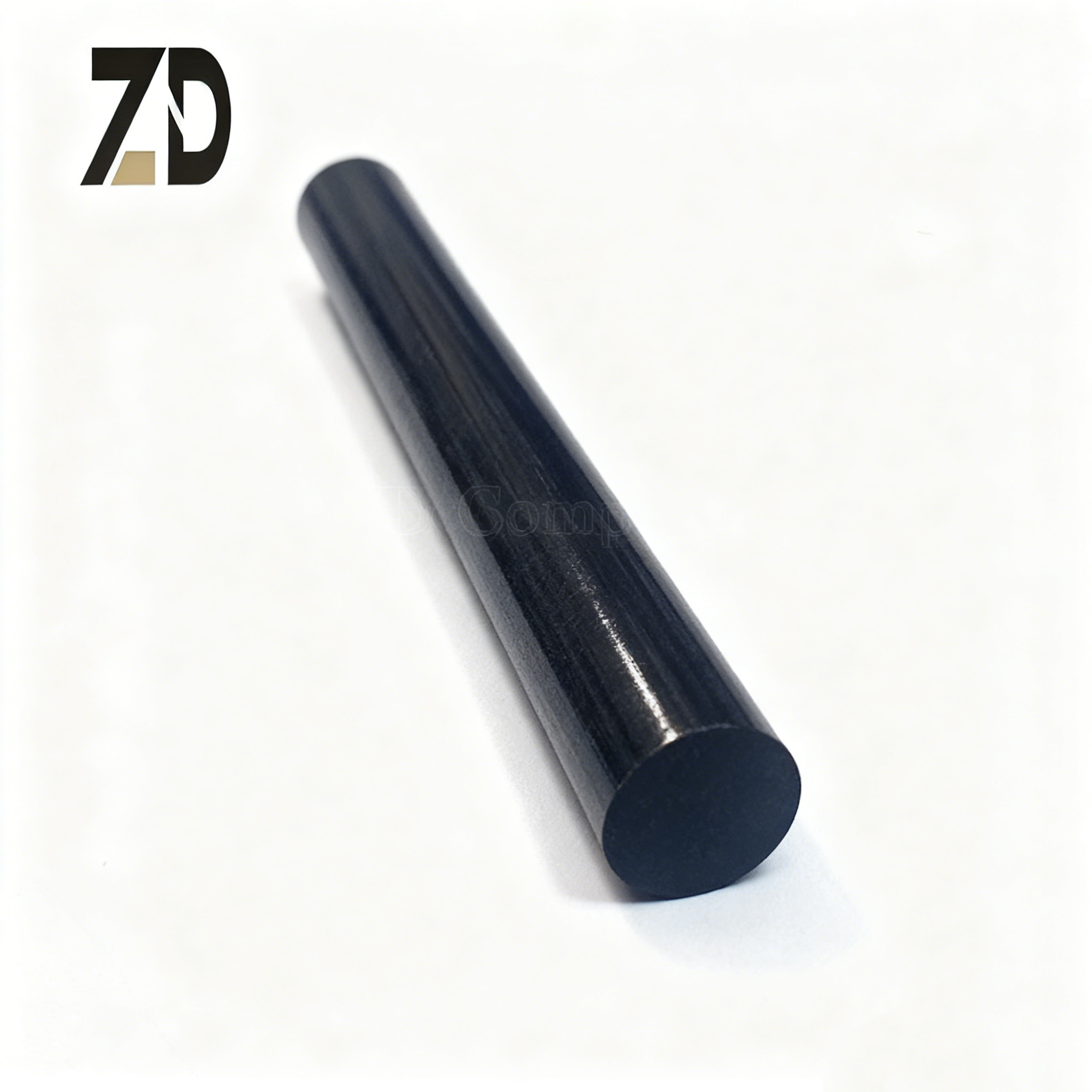
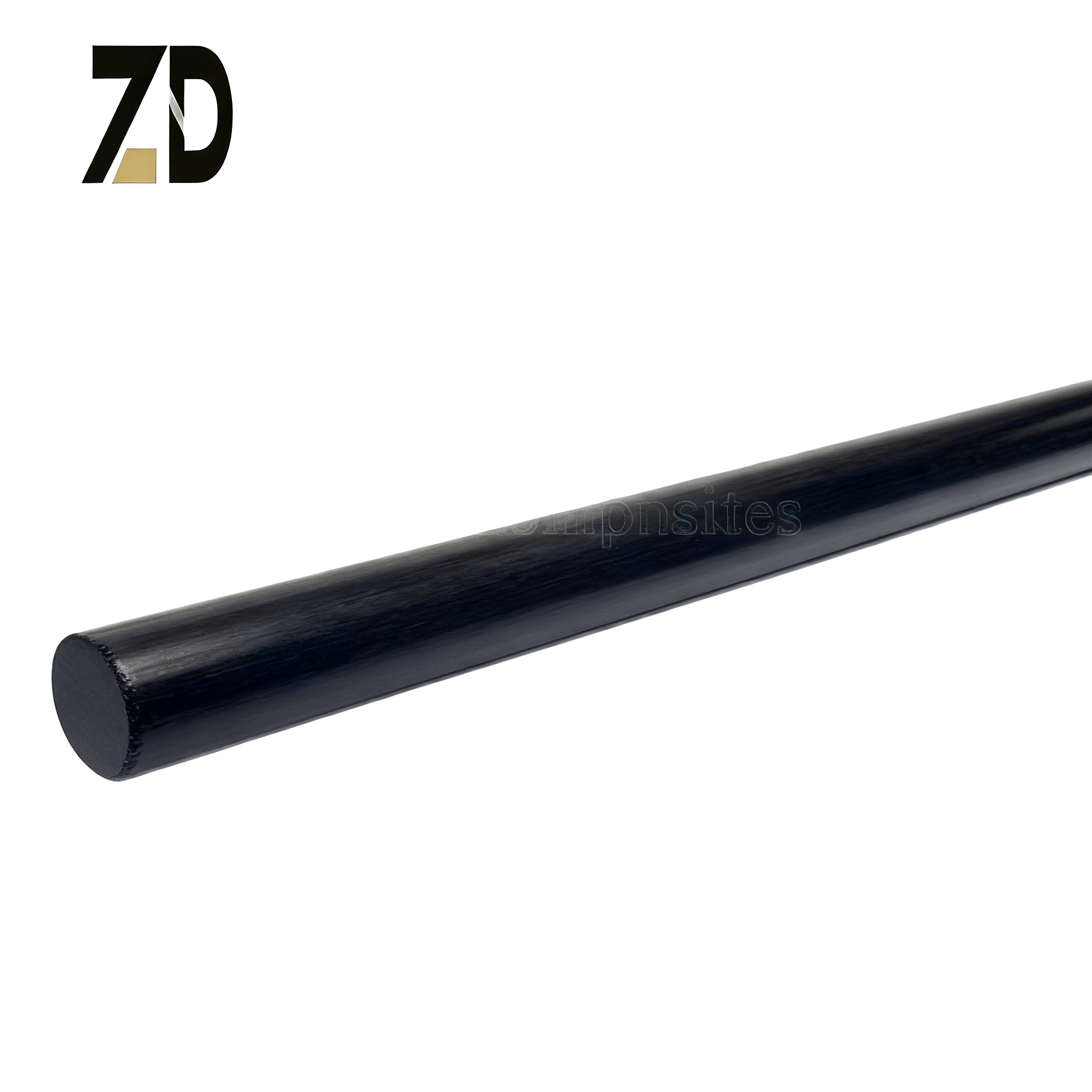
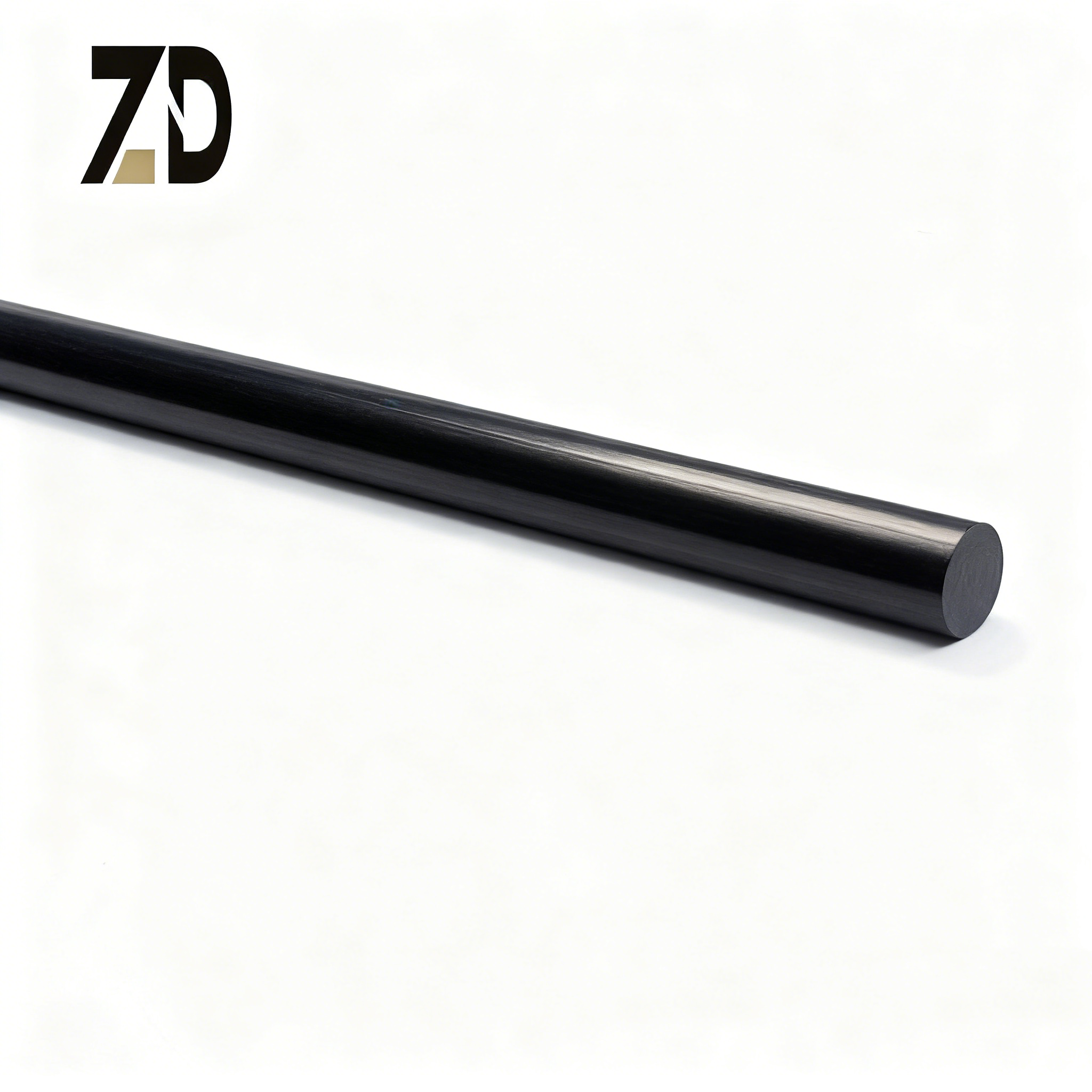
carbon fiber rods
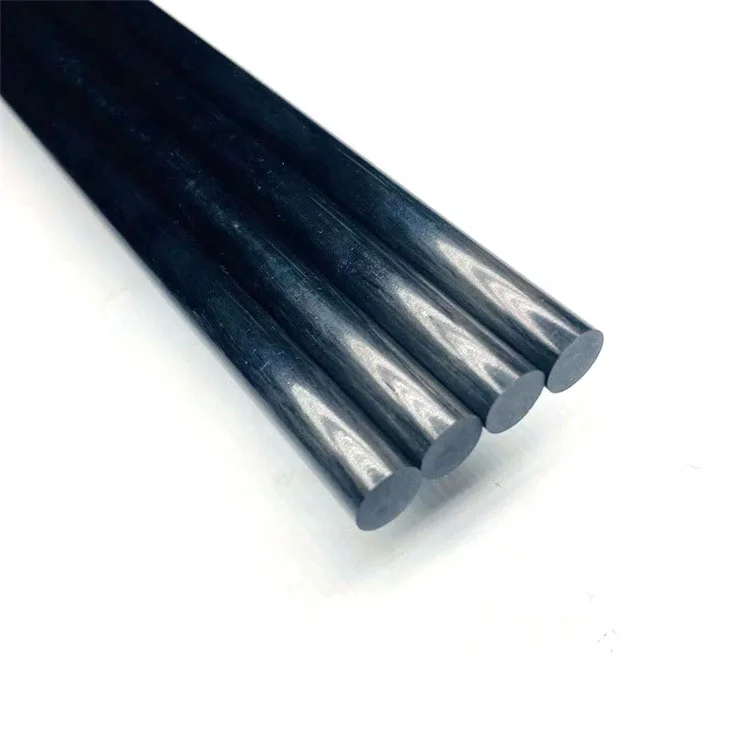
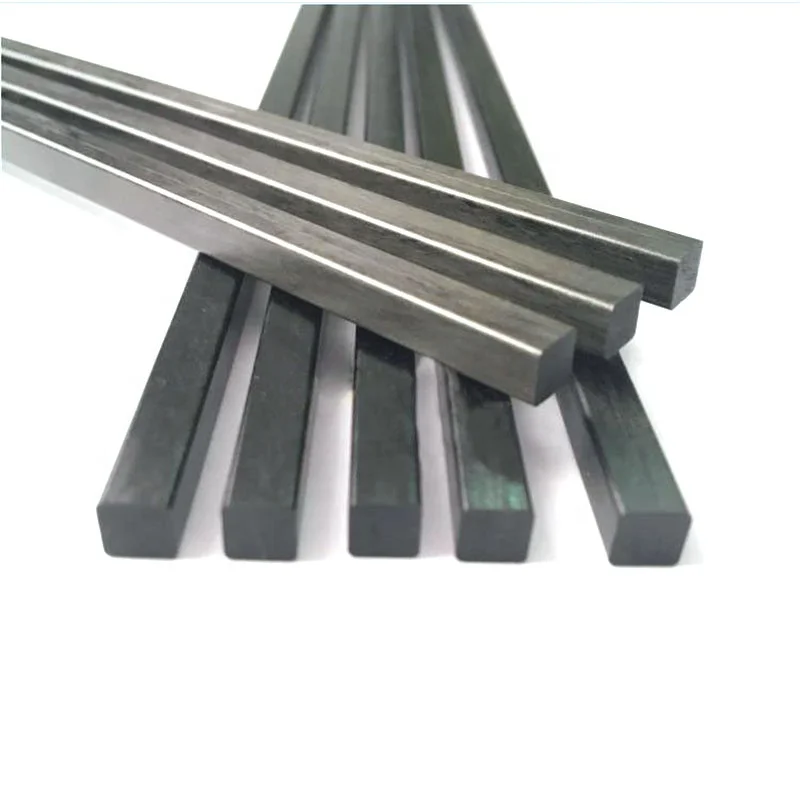
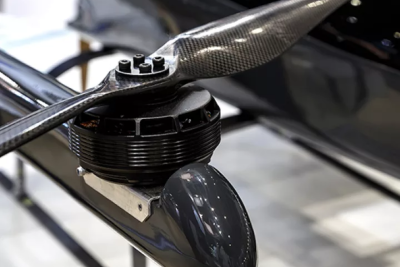
Carbon fiber rods represent a revolutionary advancement in composite material technology, delivering exceptional performance across numerous industrial and commercial applications. These sophisticated structural components are manufactured through a precise process that combines high-strength carbon fibers with advanced resin systems, creating rods that exhibit remarkable mechanical properties while maintaining minimal weight. The production process involves carefully aligning continuous carbon fibers in predetermined orientations, then impregnating them with epoxy or other high-performance resins before curing under controlled temperature and pressure conditions. This meticulous manufacturing approach ensures consistent quality and optimal performance characteristics throughout each carbon fiber rod. The primary functions of carbon fiber rods encompass structural reinforcement, load bearing, vibration dampening, and dimensional stability in demanding environments. These components excel in applications requiring high stiffness-to-weight ratios, corrosion resistance, and fatigue durability. Technological features include exceptional tensile strength that often exceeds traditional steel by weight, superior modulus of elasticity providing excellent rigidity, and remarkable resistance to environmental degradation including moisture, chemicals, and temperature fluctuations. Carbon fiber rods demonstrate outstanding dimensional stability across wide temperature ranges, making them ideal for precision applications where thermal expansion must be minimized. Their non-conductive properties offer additional benefits in electrical applications, while their electromagnetic transparency makes them suitable for radar and communication systems. Applications span aerospace structures, automotive components, sporting goods, construction reinforcement, marine equipment, industrial machinery, and specialized tooling. In aerospace, carbon fiber rods serve as structural elements in aircraft frames, wing components, and satellite assemblies. The automotive industry utilizes these rods for lightweight chassis components, drive shafts, and performance vehicle structures. Construction applications include concrete reinforcement, seismic retrofitting, and architectural elements requiring both strength and aesthetic appeal.
 ×
×

 EN
EN