Exceptional Durability and Corrosion Resistance
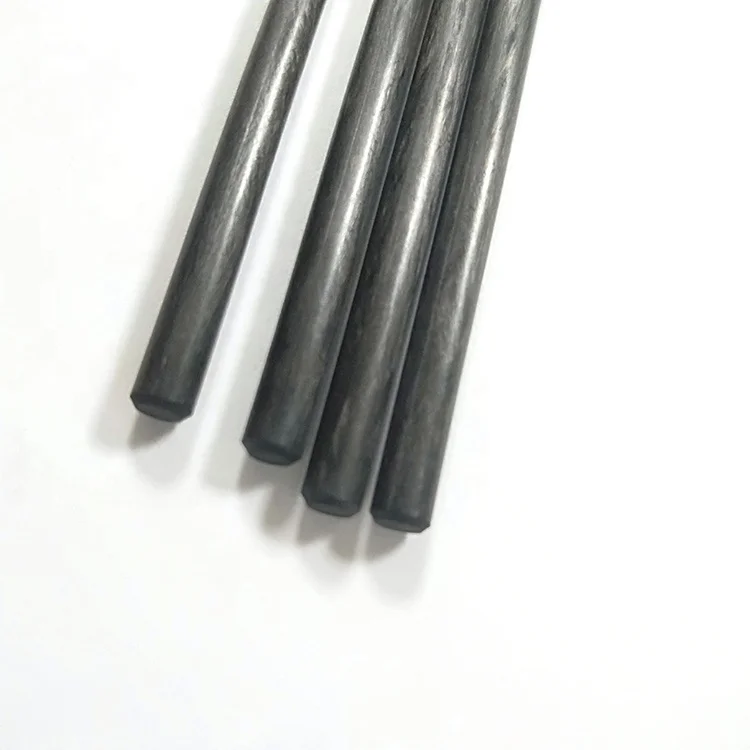
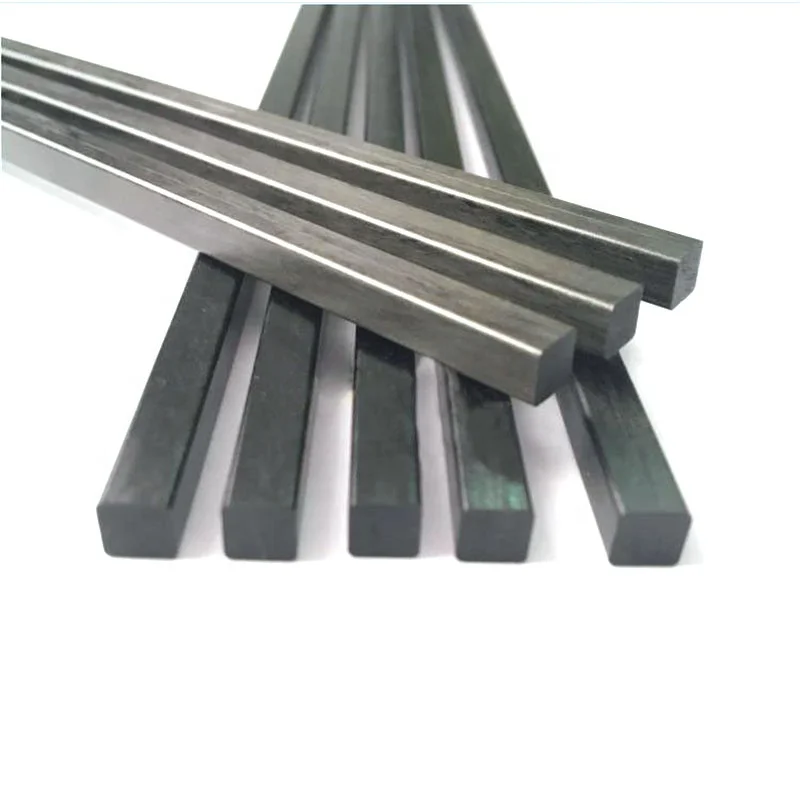
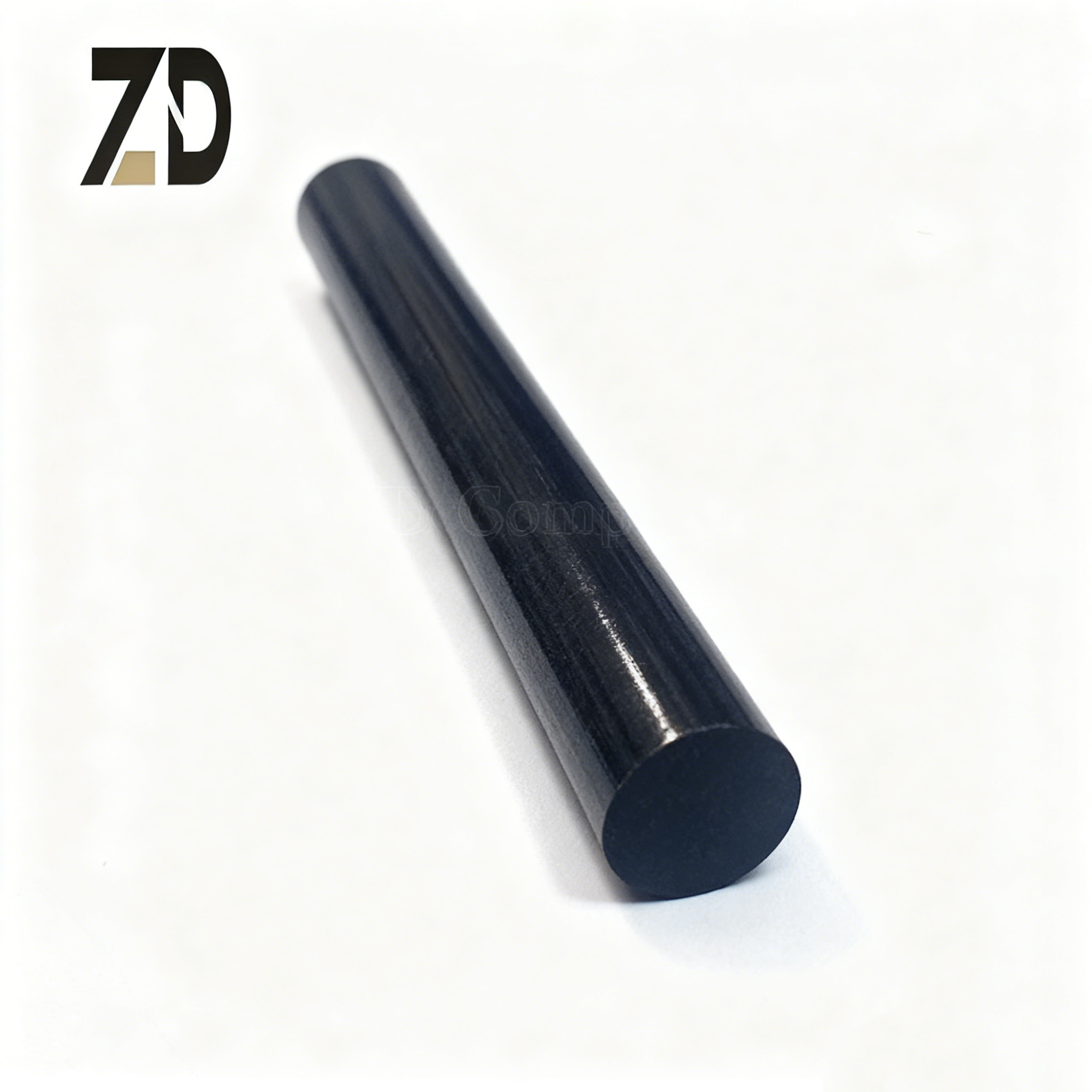
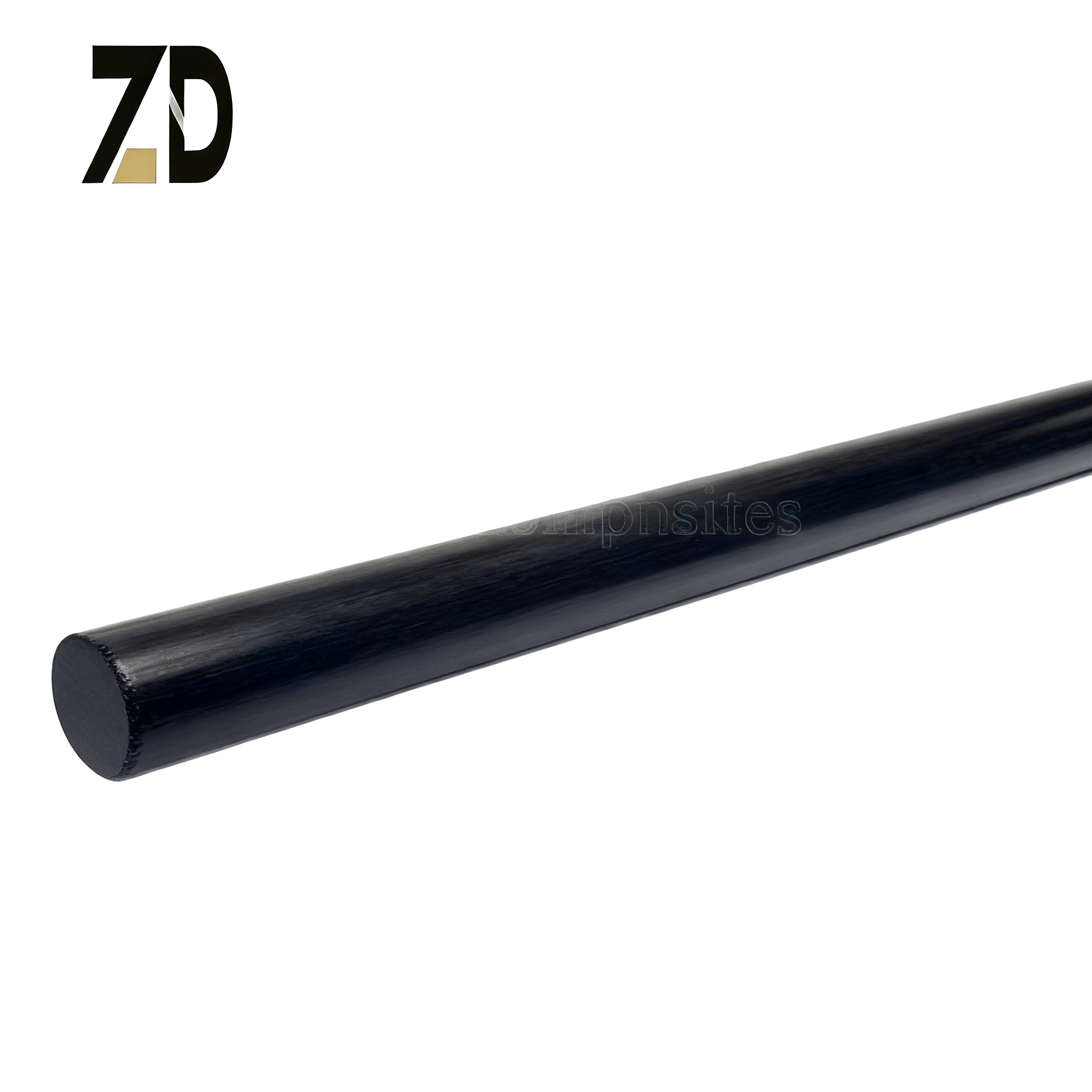
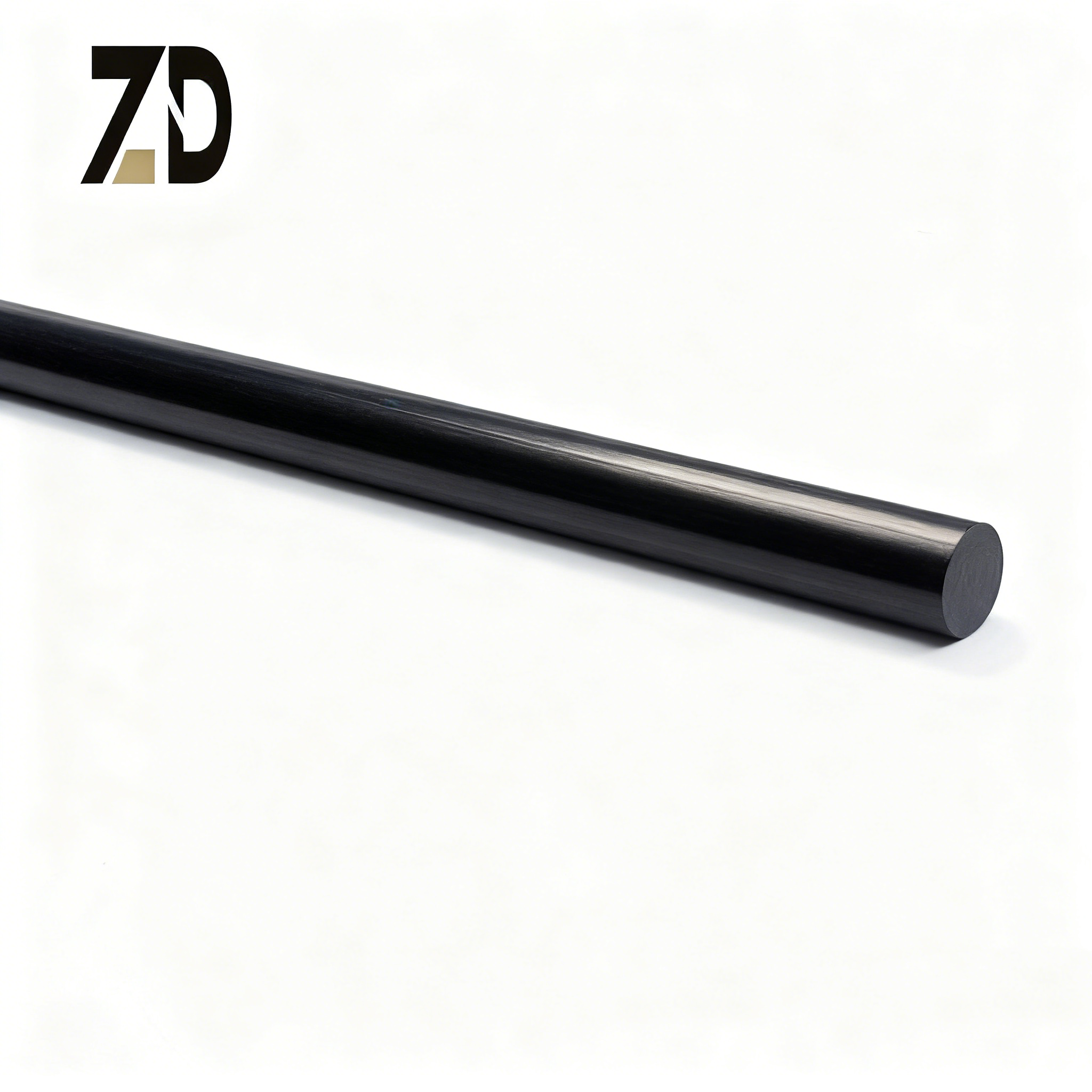
The inherent corrosion resistance of durable carbon fiber rods provides unmatched longevity in challenging environmental conditions, eliminating the degradation mechanisms that plague metal alternatives and ensuring decades of reliable service without protective treatments or maintenance interventions. Unlike steel or aluminum components that require ongoing corrosion protection through coatings, galvanizing, or cathodic protection systems, these carbon fiber rods maintain their structural integrity through direct exposure to saltwater, industrial chemicals, and atmospheric pollutants. The carbon fiber matrix demonstrates immunity to electrochemical corrosion processes, as the non-metallic structure eliminates galvanic reactions that cause material degradation in traditional rods. This fundamental advantage translates into substantial lifecycle cost savings, as replacement cycles extend from years to decades, and maintenance requirements virtually disappear. Marine applications particularly showcase this durability advantage, where durable carbon fiber rods perform reliably in splash zones, underwater installations, and high-salinity environments that would rapidly degrade metal alternatives. Chemical processing industries benefit from the broad chemical compatibility, as these rods resist attack from acids, bases, organic solvents, and specialized process chemicals that would compromise other materials. The thermal cycling resistance prevents degradation from repeated heating and cooling, maintaining mechanical properties through thousands of temperature cycles that would cause fatigue failure in conventional rods. UV radiation resistance ensures surface stability in outdoor applications, eliminating the chalking, cracking, and strength reduction associated with polymer degradation. The fatigue resistance characteristics allow millions of load cycles without crack initiation or propagation, making these rods ideal for dynamic applications where repeated loading occurs. Field experience demonstrates service lives exceeding 30 years in harsh environments, with minimal property degradation and no observable corrosion effects, validating the long-term durability claims and providing confidence for critical infrastructure applications.
 ×
×

 EN
EN