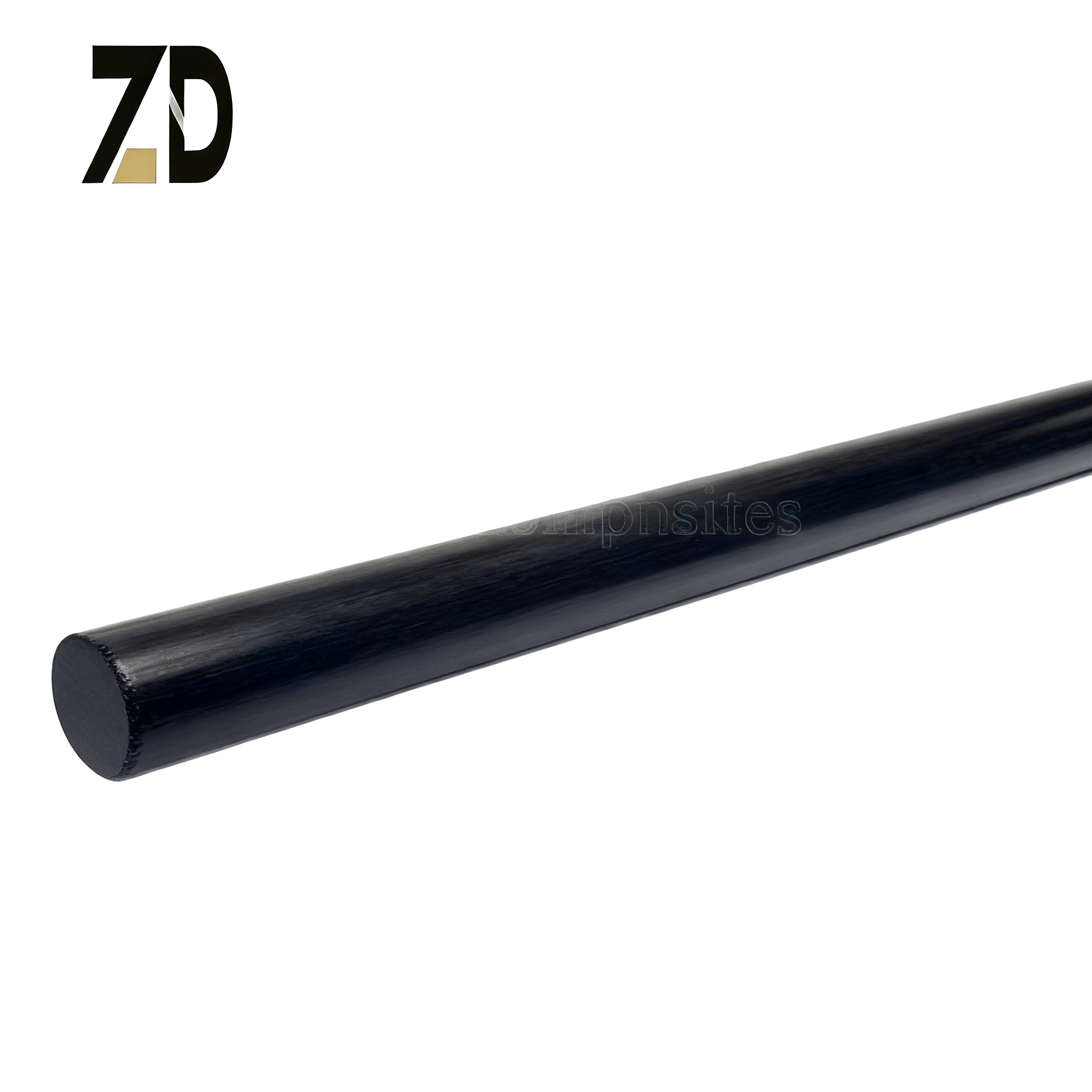
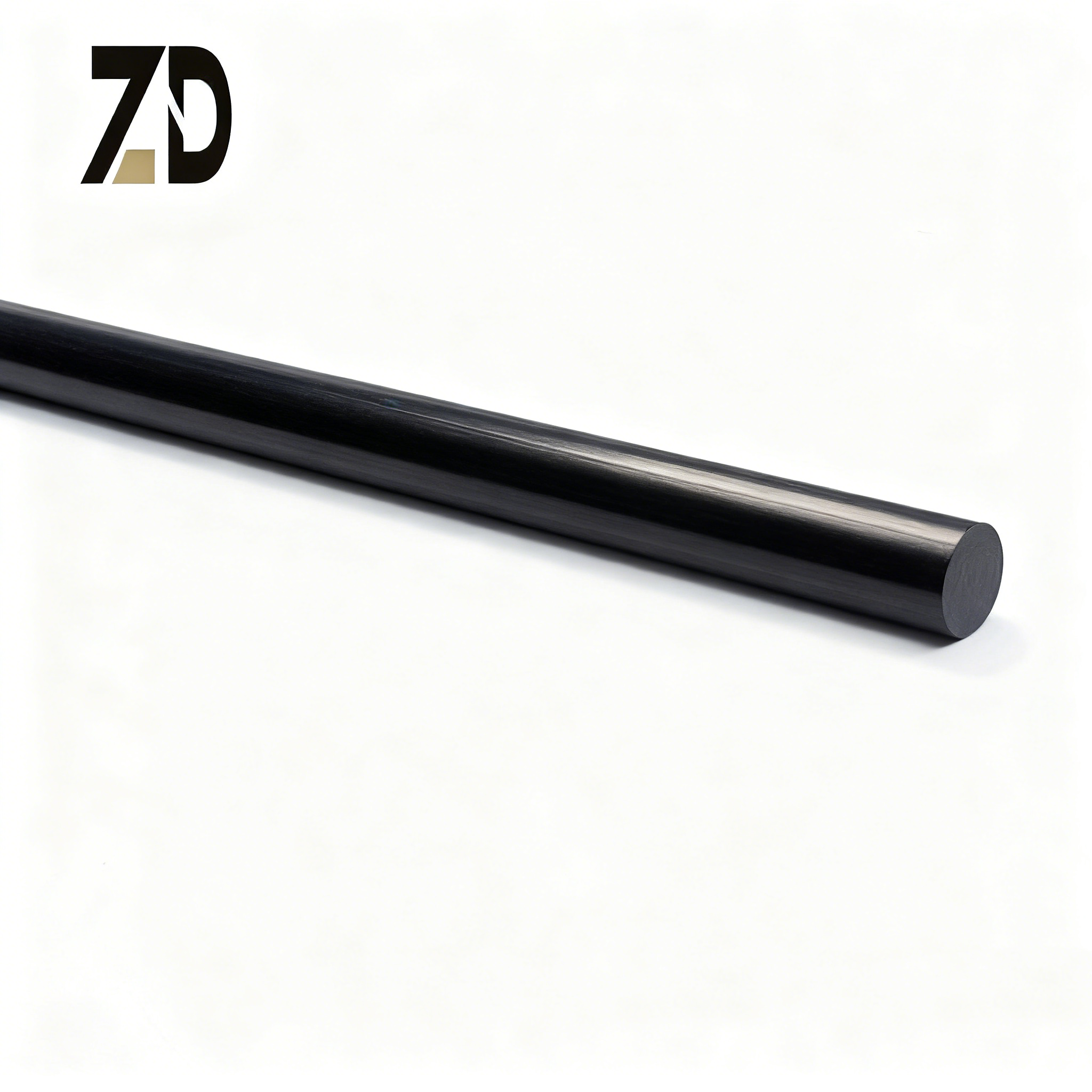
carbon fiber rods and tubes
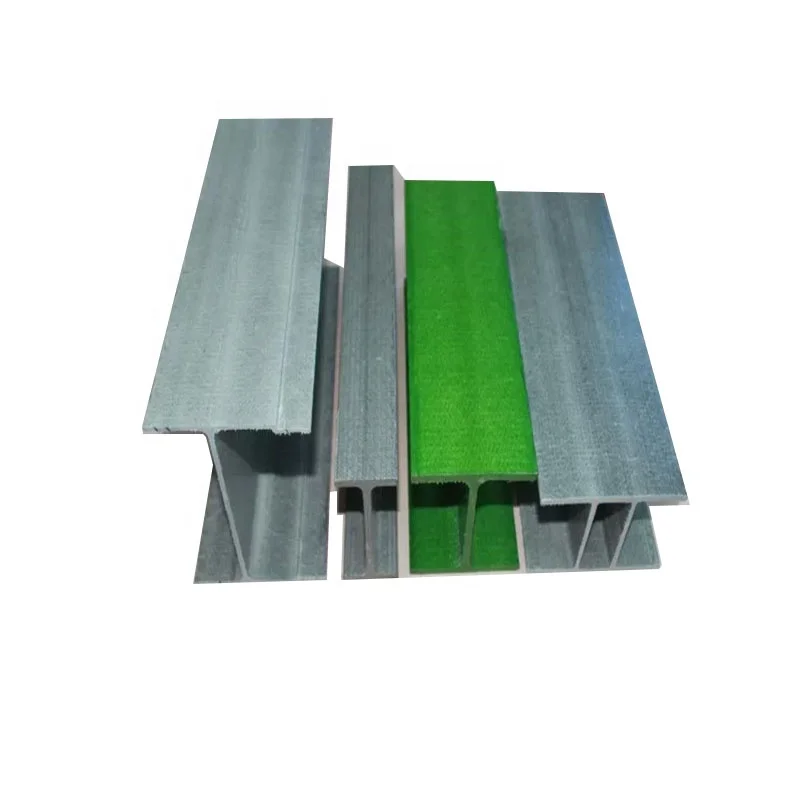
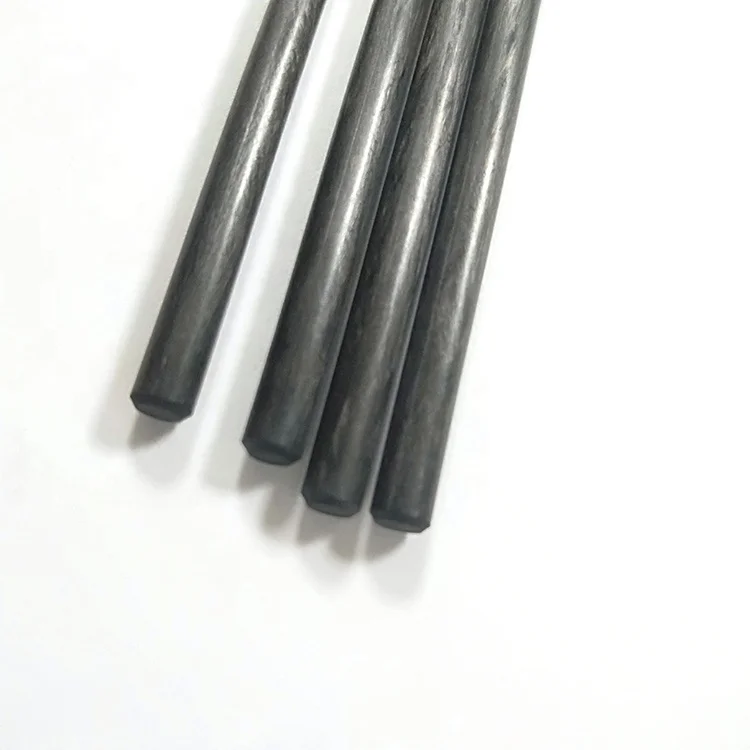
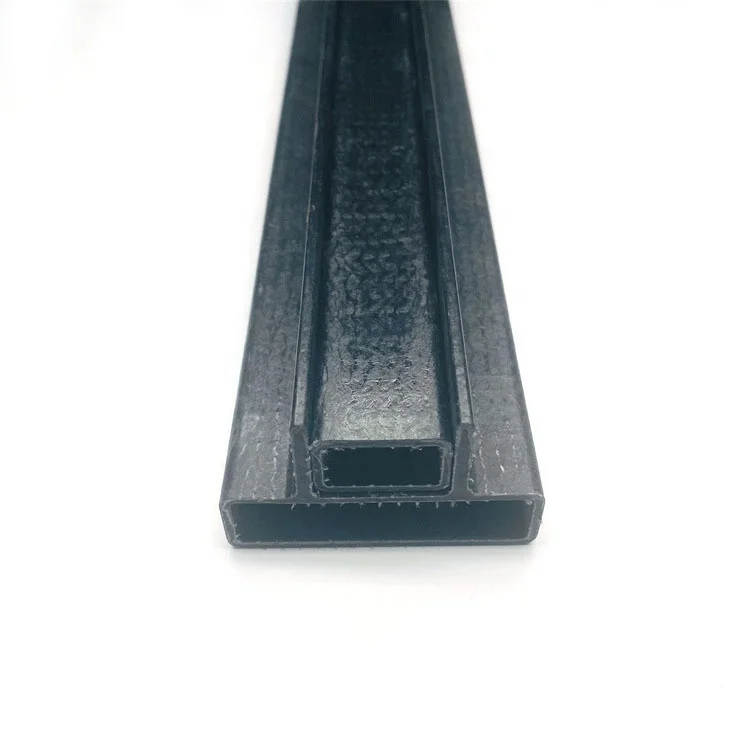
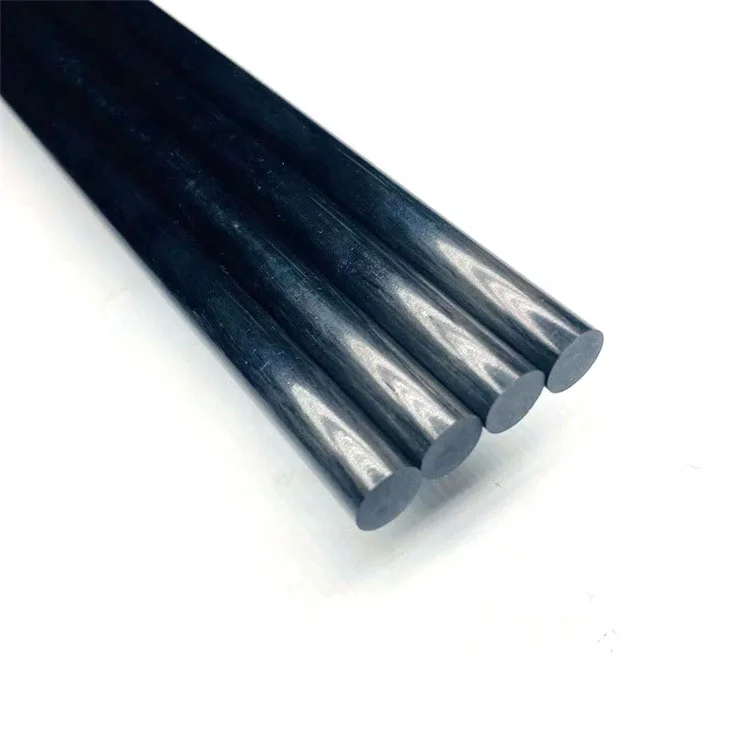
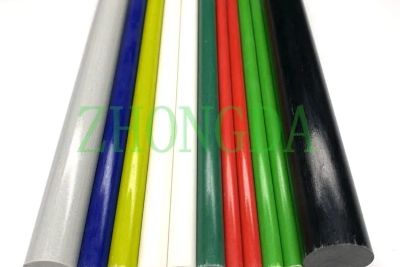
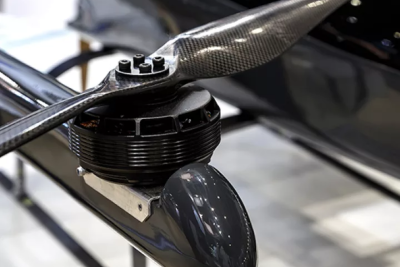
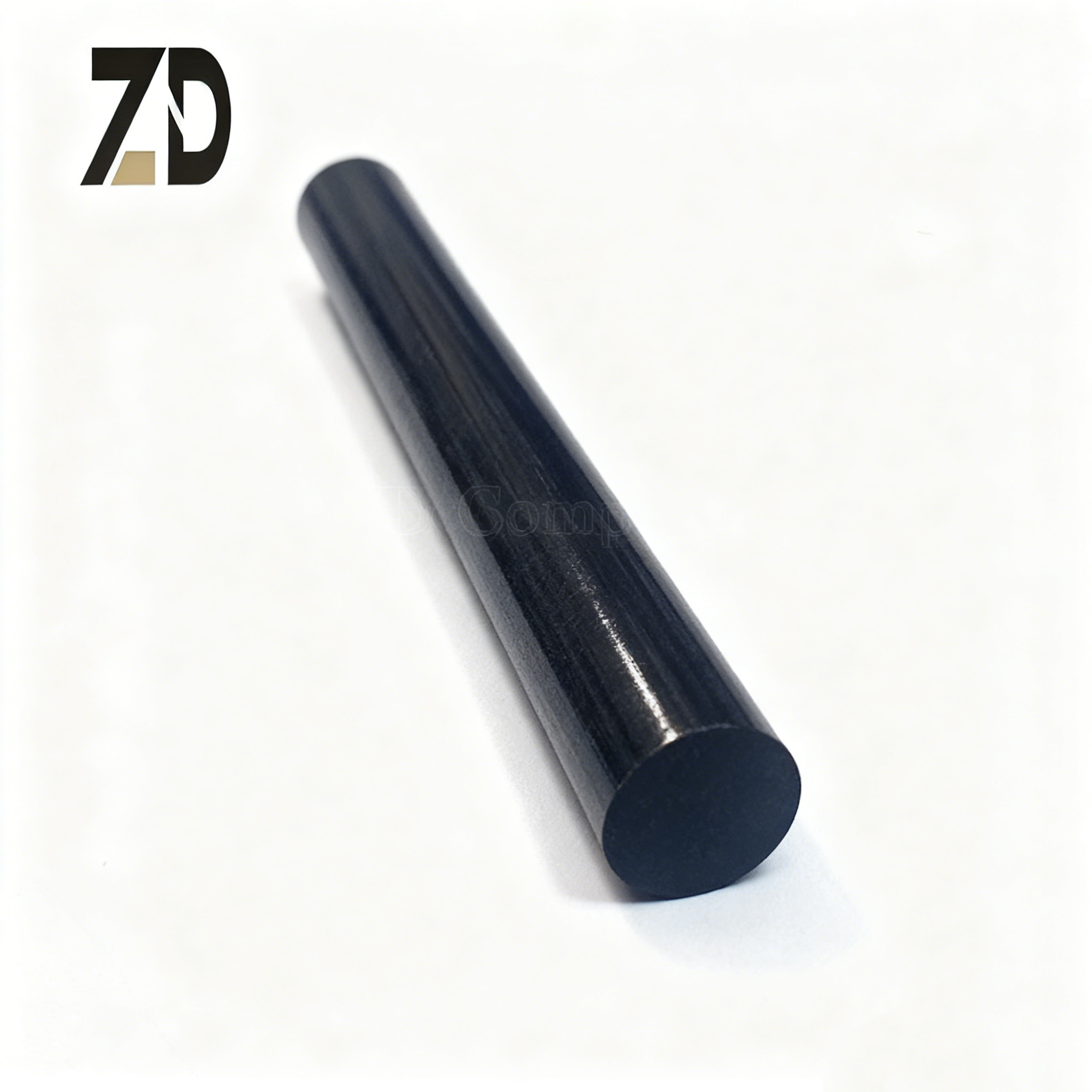
Carbon fiber rods and tubes represent a revolutionary advancement in composite material engineering, offering exceptional performance characteristics that make them indispensable across numerous industries. These sophisticated components are manufactured through precise processes that combine carbon fiber reinforcement with advanced resin systems, creating structures that deliver unmatched strength-to-weight ratios. The primary functions of carbon fiber rods and tubes include providing structural support in aerospace applications, enhancing performance in sporting goods, and delivering reliable solutions for industrial machinery components. Their technological features encompass exceptional tensile strength, superior corrosion resistance, and remarkable dimensional stability under varying environmental conditions. The manufacturing process involves carefully controlled fiber orientation, precise resin impregnation, and advanced curing techniques that ensure consistent quality and performance. Carbon fiber rods and tubes exhibit excellent fatigue resistance, making them suitable for applications requiring long-term reliability and minimal maintenance requirements. Their applications span across aerospace engineering where weight reduction is critical, automotive manufacturing for performance enhancement, marine industry for corrosion-free components, and recreational equipment where durability meets performance demands. The unique molecular structure of carbon fibers provides exceptional stiffness while maintaining lightweight characteristics, enabling engineers to design more efficient systems. These components offer superior vibration damping properties, thermal stability across wide temperature ranges, and excellent electromagnetic shielding capabilities. Modern carbon fiber rods and tubes are available in various configurations, including hollow tubes for weight optimization, solid rods for maximum strength, and custom profiles for specific application requirements. Their versatility extends to specialized applications in robotics, medical devices, architectural structures, and renewable energy systems where traditional materials fall short of performance expectations.
 ×
×

 EN
EN