Exceptional Design Flexibility and Manufacturing Precision
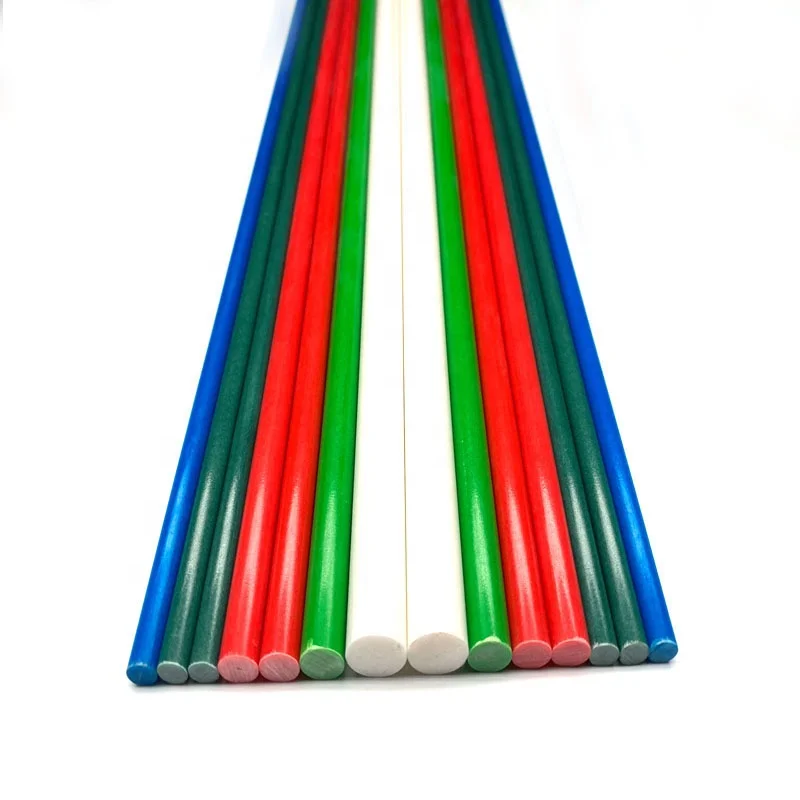
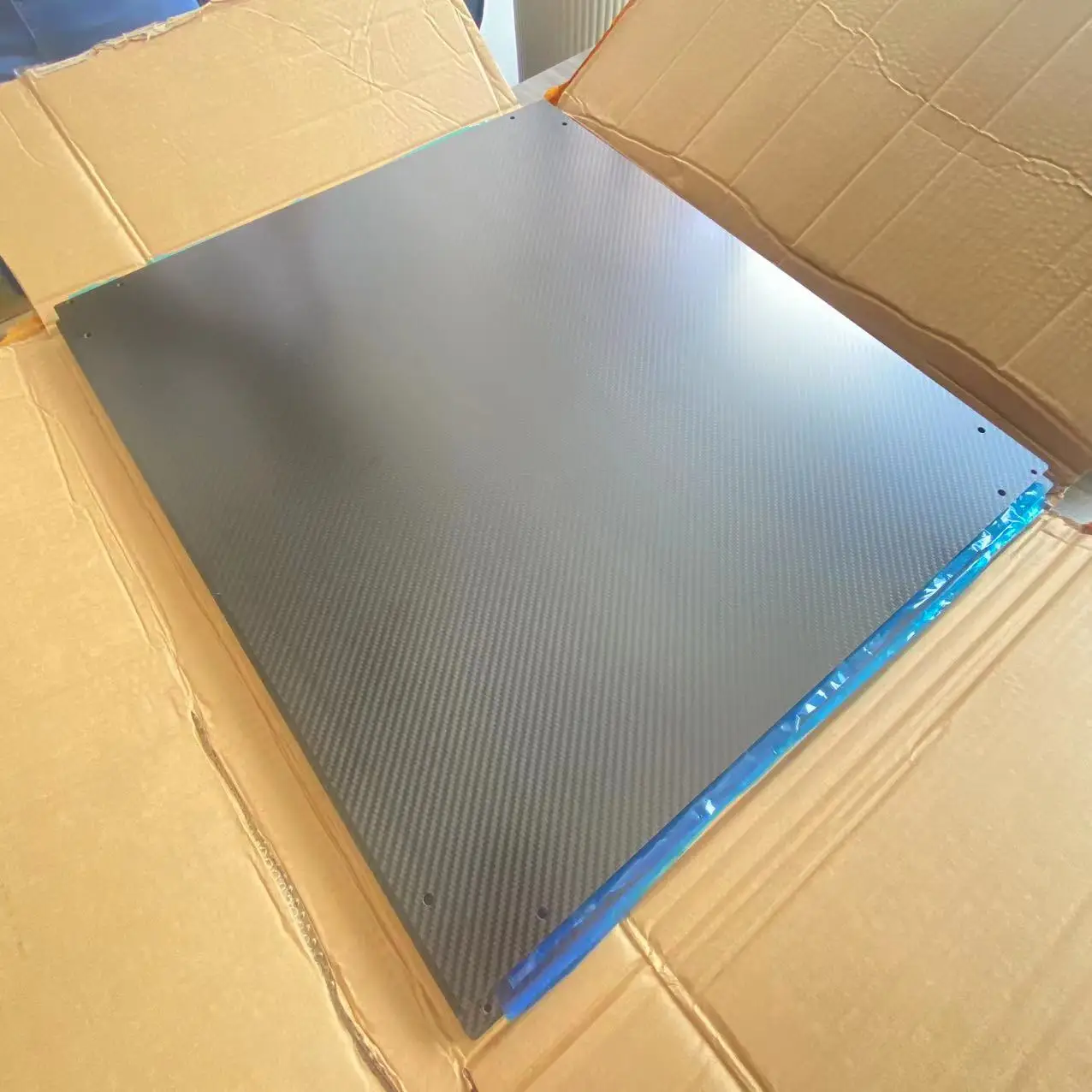
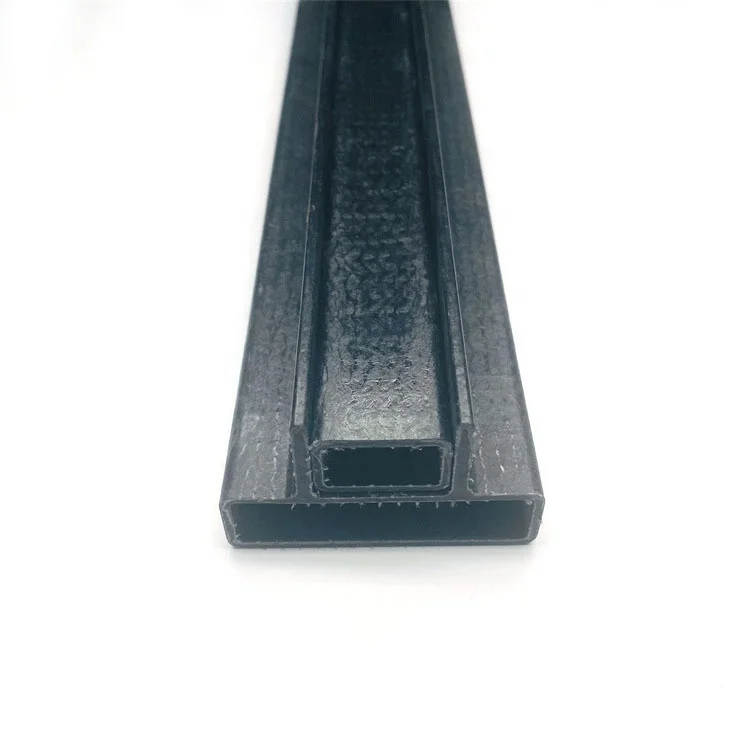
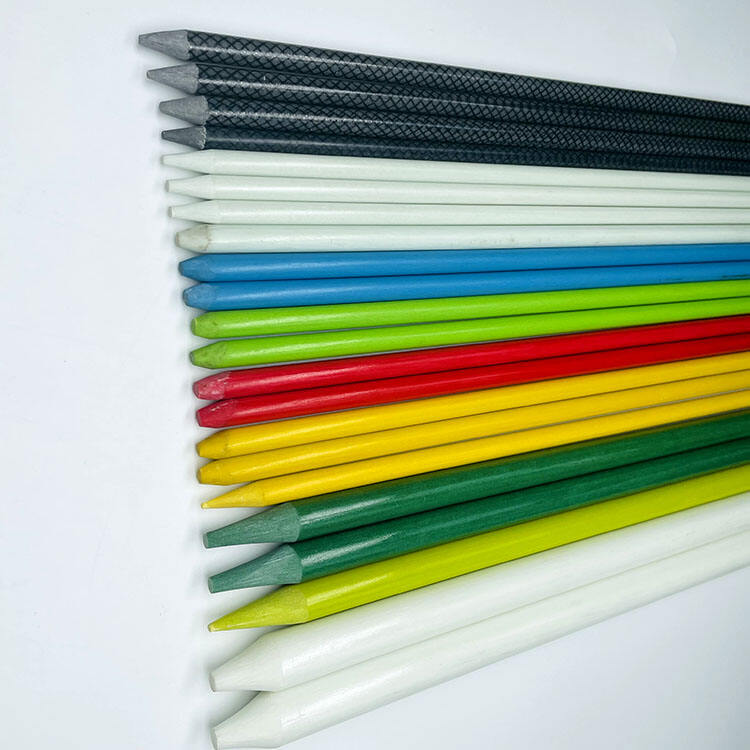
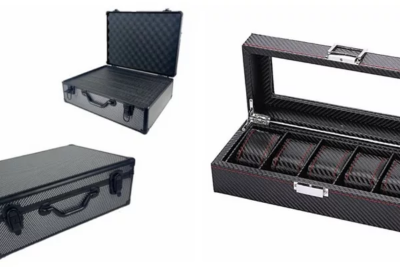
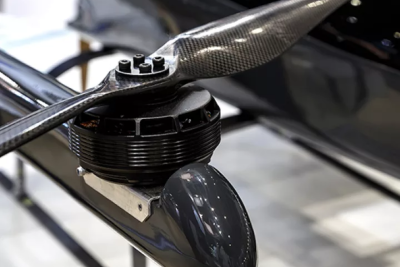
Carbon fibre board offers unprecedented design flexibility that enables engineers and manufacturers to create complex, optimized structures that maximize performance while minimizing material usage. This flexibility stems from the material's unique manufacturing process, which allows for precise control over fibre orientation, thickness distribution, and local reinforcement to match specific loading requirements. Unlike isotropic materials that possess uniform properties in all directions, carbon fibre board can be engineered with directional properties that align with anticipated stress patterns, resulting in more efficient structural designs. Manufacturing precision capabilities of carbon fibre board enable tight tolerances and smooth surface finishes that facilitate assembly processes and reduce secondary machining requirements. The material's dimensional stability ensures that manufactured components maintain their precise geometries throughout their service life, eliminating concerns about dimensional drift that could compromise fit and function. Advanced manufacturing techniques allow for the integration of inserts, attachments, and complex geometries directly into carbon fibre board components during the molding process, reducing assembly complexity and improving overall system reliability. The excellent machinability of carbon fibre board supports conventional manufacturing processes including cutting, drilling, and milling operations using standard tooling and equipment. This compatibility with existing manufacturing infrastructure reduces implementation barriers and allows fabricators to leverage their current capabilities. Surface quality characteristics of carbon fibre board provide excellent bonding surfaces for adhesives, paints, and other coatings, while the material's low thermal expansion coefficient ensures stable bonds under thermal cycling conditions. Customization options extend to aesthetic considerations, as carbon fibre board can be produced with various surface textures, patterns, and finishes to meet both functional and visual requirements. The material's ability to be formed into complex three-dimensional shapes opens possibilities for consolidated designs that eliminate joints, fasteners, and other potential failure points. Integration capabilities allow carbon fibre board to incorporate features such as mounting bosses, channels, and reinforced areas without compromising structural integrity. Quality assurance processes ensure consistent material properties and dimensional accuracy across production runs, providing manufacturers with reliable performance characteristics for their design calculations and assembly procedures. This manufacturing precision, combined with the inherent design flexibility of carbon fibre board, enables the creation of optimized components that deliver superior performance while meeting strict dimensional and aesthetic requirements.
 ×
×

 EN
EN