High-Performance Carbon Fiber Panels - Lightweight, Durable, Versatile Composite Solutions

Get a Free Quote

Our representative will contact you soon.
Email
Name
Company Name
Message
0/1000

carbon fiber panel

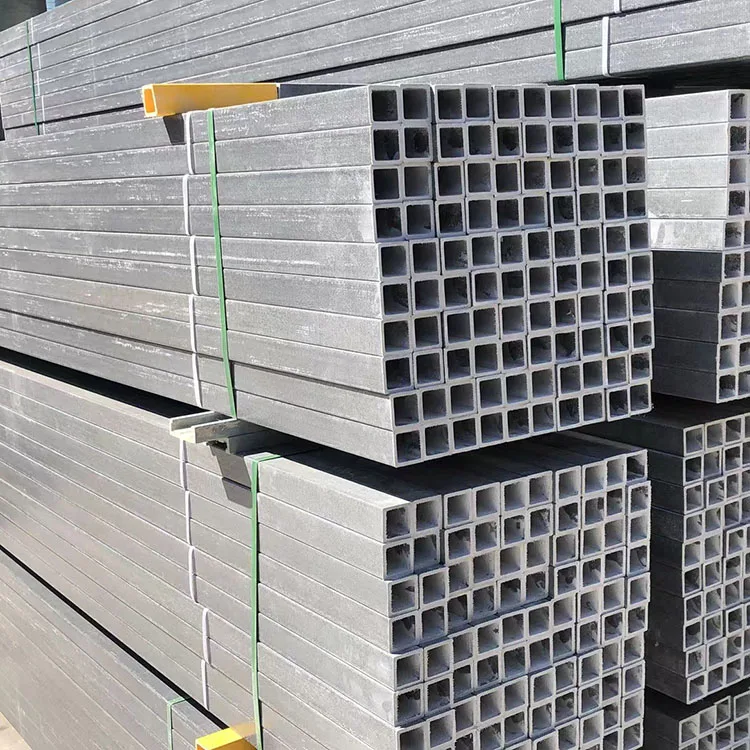
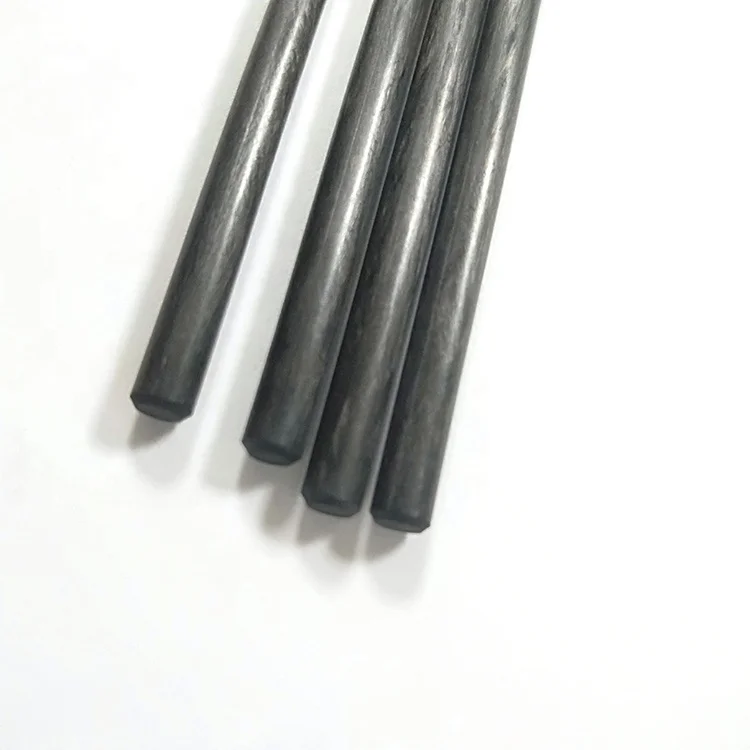
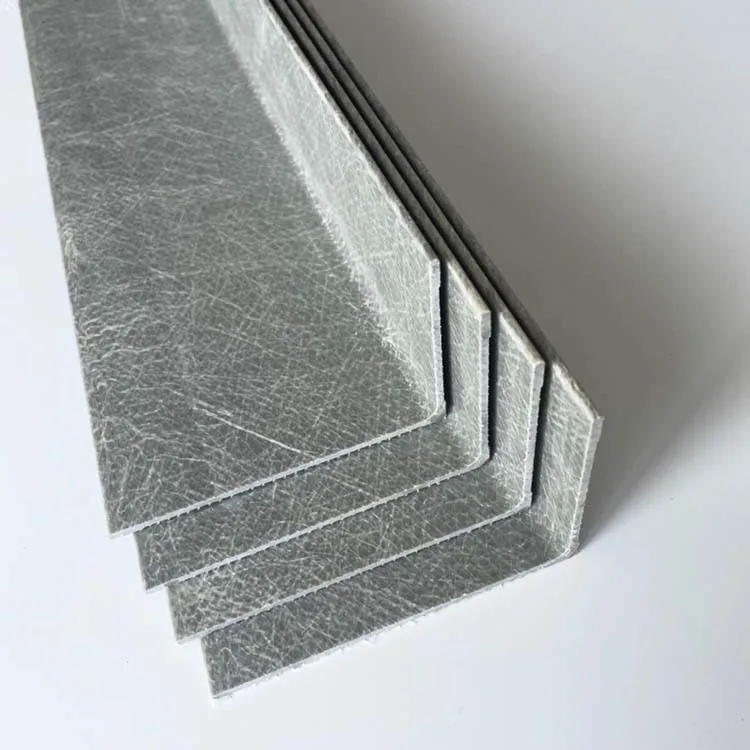
Carbon fiber panels represent a revolutionary advancement in composite material technology, offering exceptional performance characteristics that make them indispensable across numerous industries. These sophisticated panels consist of carbon fibers woven together and bonded with epoxy resin, creating a lightweight yet incredibly strong structural component. The carbon fiber panel manufacturing process involves precise layering techniques that ensure optimal fiber alignment, resulting in superior mechanical properties and consistent quality. Modern carbon fiber panels showcase remarkable strength-to-weight ratios, often exceeding traditional materials by significant margins. The technological features of carbon fiber panels include excellent fatigue resistance, dimensional stability, and outstanding corrosion resistance, making them ideal for demanding applications. These panels exhibit minimal thermal expansion, ensuring structural integrity across varying temperature conditions. The manufacturing process allows for customizable thickness, surface finishes, and mechanical properties to meet specific application requirements. Carbon fiber panels demonstrate exceptional stiffness characteristics, providing structural stability without adding unnecessary weight to the overall system. The material's inherent properties include excellent vibration damping capabilities, which prove crucial in applications requiring precision and stability. Advanced manufacturing techniques enable the production of carbon fiber panels with complex geometries and varying fiber orientations, optimizing performance for specific load conditions. The panels feature smooth surface finishes that reduce drag in aerodynamic applications and provide aesthetic appeal in visible installations. Quality control measures ensure consistent performance across production batches, with rigorous testing protocols validating mechanical properties and structural integrity. The versatility of carbon fiber panels extends to their compatibility with various joining methods, including mechanical fastening, adhesive bonding, and advanced welding techniques. These panels offer exceptional resistance to environmental factors such as UV radiation, moisture, and chemical exposure, ensuring long-term durability and performance retention throughout their service life.

New Product Recommendations

Carbon fiber panels deliver outstanding benefits that transform how engineers and designers approach structural challenges across diverse applications. The primary advantage lies in their exceptional strength-to-weight ratio, which allows carbon fiber panels to provide superior structural performance while reducing overall system weight by up to 70 percent compared to traditional materials. This weight reduction directly translates to improved fuel efficiency in transportation applications and reduced foundation requirements in construction projects. The durability of carbon fiber panels surpasses conventional materials, with many installations maintaining structural integrity for decades without significant degradation. Unlike metal alternatives, carbon fiber panels resist corrosion, eliminating the need for protective coatings and reducing maintenance costs substantially. The panels maintain their mechanical properties across extreme temperature ranges, from arctic conditions to high-temperature environments, ensuring consistent performance regardless of operating conditions. Manufacturing flexibility represents another significant advantage, as carbon fiber panels can be produced in virtually any shape or size to meet specific design requirements. This adaptability eliminates the need for complex machining operations and reduces waste material during production. The electrical properties of carbon fiber panels provide unique advantages in specialized applications, offering controlled conductivity or insulation depending on design requirements. Installation processes benefit from the lightweight nature of carbon fiber panels, reducing labor costs and installation time while minimizing equipment requirements for handling and positioning. The panels exhibit excellent dimensional stability, maintaining precise tolerances over extended periods without warping or distortion commonly seen in other materials. Environmental benefits include the panels' recyclability and reduced energy consumption during transportation due to their lightweight characteristics. Carbon fiber panels offer superior fatigue resistance, withstanding millions of load cycles without failure, making them ideal for applications involving repetitive stress. The smooth surface finish of carbon fiber panels reduces friction in moving applications and provides easy cleaning in hygienic environments. Cost-effectiveness emerges through reduced maintenance requirements, extended service life, and improved system efficiency. The panels' resistance to impact damage prevents catastrophic failures and reduces replacement costs. Quality consistency ensures predictable performance characteristics across production batches, simplifying design calculations and reducing safety factors. The versatility of carbon fiber panels allows for integration with existing systems while providing upgrade paths for enhanced performance.

Tips And Tricks

How to Make a Carbon Fiber Box: Choosing the Right Prepreg, Resin & Mold

20

Oct

How to Make a Carbon Fiber Box: Choosing the Right Prepreg, Resin & Mold

View More
The advantages of fiberglass stakes

20

Oct

The advantages of fiberglass stakes

View More
Applications and advantages of carbon fiber materials in industry

27

Oct

Applications and advantages of carbon fiber materials in industry

View More

Get a Free Quote

Our representative will contact you soon.
Email
Name
Company Name
Message
0/1000

carbon fiber panel

Unmatched Strength-to-Weight Performance

Unmatched Strength-to-Weight Performance

The strength-to-weight performance of carbon fiber panels represents their most compelling advantage, fundamentally changing how structural engineers approach design challenges across industries. Carbon fiber panels achieve tensile strengths exceeding 3,500 MPa while maintaining densities approximately 75 percent lower than steel and 35 percent lower than aluminum. This extraordinary combination allows engineers to design structures that were previously impossible with conventional materials. The high specific strength of carbon fiber panels enables the creation of larger spans in construction applications without intermediate supports, opening new architectural possibilities and reducing material costs. In aerospace applications, the weight savings from carbon fiber panels directly translate to increased payload capacity or extended range, providing significant operational advantages. The panels maintain their strength characteristics across varying load directions when properly designed, offering isotropic or anisotropic properties as needed for specific applications. Manufacturing techniques allow for strategic fiber placement within carbon fiber panels, optimizing strength along primary load paths while minimizing weight in non-critical areas. The fatigue strength of these panels exceeds that of metals by substantial margins, ensuring reliable performance under cyclic loading conditions that would cause failure in traditional materials. Quality control processes verify that each carbon fiber panel meets specified strength requirements through non-destructive testing methods, ensuring consistent performance across production runs. The strength characteristics remain stable throughout the panels' service life, with minimal degradation even under harsh environmental conditions. Design flexibility emerges from the ability to tailor strength properties during manufacturing, creating carbon fiber panels optimized for specific load cases and operational requirements. Installation advantages result from the lightweight nature of high-strength carbon fiber panels, reducing crane requirements and enabling installation in locations inaccessible to heavier alternatives. The economic benefits compound over time as the superior strength-to-weight ratio of carbon fiber panels reduces foundation requirements, transportation costs, and ongoing maintenance expenses while extending service life beyond traditional materials.
Superior Environmental Resistance

Superior Environmental Resistance

Carbon fiber panels demonstrate exceptional resistance to environmental factors that typically degrade conventional materials, making them ideal for demanding applications across diverse operating conditions. The inherent corrosion resistance of carbon fiber panels eliminates the electrochemical processes that cause metal degradation, ensuring structural integrity in marine environments, chemical processing facilities, and industrial installations. Unlike steel or aluminum components, carbon fiber panels require no protective coatings or cathodic protection systems, reducing initial costs and eliminating ongoing maintenance requirements. The panels maintain their properties when exposed to salt spray, acidic conditions, and alkaline environments that would rapidly deteriorate metal alternatives. UV resistance prevents the degradation commonly seen in plastic materials, allowing carbon fiber panels to maintain their appearance and structural properties even after decades of direct sunlight exposure. Temperature stability represents another crucial advantage, as carbon fiber panels operate effectively across temperature ranges from -150°C to +200°C without significant property changes. This thermal stability eliminates the expansion and contraction cycles that cause fatigue in metal components, reducing stress concentrations and extending service life. Moisture resistance prevents the swelling and dimensional changes seen in wood-based materials, ensuring precise tolerances throughout varying humidity conditions. The smooth, non-porous surface of carbon fiber panels resists biological growth and contamination, making them suitable for food processing and pharmaceutical applications where hygiene is critical. Chemical compatibility testing demonstrates that carbon fiber panels resist degradation from industrial solvents, cleaning agents, and process chemicals that would attack conventional materials. Fire resistance characteristics can be enhanced through specific resin formulations, creating carbon fiber panels suitable for applications requiring flame retardancy. The panels' resistance to impact damage prevents the crack propagation that leads to catastrophic failure in brittle materials, maintaining structural integrity even after minor impacts. Long-term exposure studies confirm that properly manufactured carbon fiber panels retain over 95 percent of their original properties after 25 years of service in harsh environments. Environmental testing protocols validate the performance of carbon fiber panels under accelerated aging conditions, providing confidence in their long-term reliability and reducing lifecycle costs through extended replacement intervals.
Advanced Manufacturing Versatility

Advanced Manufacturing Versatility

The manufacturing versatility of carbon fiber panels enables unprecedented design freedom and customization capabilities that address specific application requirements across diverse industries. Advanced manufacturing processes allow for the creation of carbon fiber panels with complex geometries, varying thickness profiles, and integrated features that eliminate secondary operations. Automated fiber placement technologies enable precise control over fiber orientation within carbon fiber panels, optimizing mechanical properties along specific load paths while minimizing material usage in non-critical areas. The manufacturing process accommodates various fiber architectures, including unidirectional, bidirectional, and multi-axial configurations, each providing distinct performance characteristics suited to different applications. Hybrid construction techniques combine carbon fiber panels with other materials such as honeycomb cores or foam inserts, creating lightweight sandwich structures with exceptional stiffness-to-weight ratios. Molding processes range from simple flat panels to complex three-dimensional shapes, eliminating the need for multiple components and reducing assembly complexity. Surface finishing options include smooth cosmetic surfaces for visible applications, textured surfaces for improved grip or bonding, and functional surfaces with integrated mounting points or channels. Quality control systems monitor critical parameters throughout the manufacturing process, ensuring that each carbon fiber panel meets specified tolerances and performance requirements. Rapid prototyping capabilities allow for quick iterations during design development, reducing time-to-market and enabling optimization of carbon fiber panels for specific applications. Scalable production methods accommodate both small-batch custom panels and high-volume manufacturing requirements, providing cost-effective solutions across varying production quantities. Post-processing operations such as machining, drilling, and edge finishing can be performed on carbon fiber panels without compromising structural integrity, enabling final customization after manufacture. Integration capabilities allow for the embedding of sensors, heating elements, or other functional components within carbon fiber panels during the manufacturing process. The manufacturing flexibility extends to material selection, with various carbon fiber types and resin systems available to optimize properties such as conductivity, temperature resistance, or impact tolerance. Tooling versatility enables the production of carbon fiber panels with varying surface textures and finishes, from mirror-smooth cosmetic surfaces to engineered textures for specific functional requirements. Environmental considerations during manufacturing include recyclable material options and energy-efficient production processes that reduce the environmental impact of carbon fiber panel production while maintaining superior performance characteristics.

Get a Free Quote

Our representative will contact you soon.
Email
Name
Company Name
Message
0/1000