Premium Carbon Fiber Strips - Lightweight High-Strength Composite Solutions

Get a Free Quote

Our representative will contact you soon.
Email
Name
Company Name
Message
0/1000

carbon fiber strip

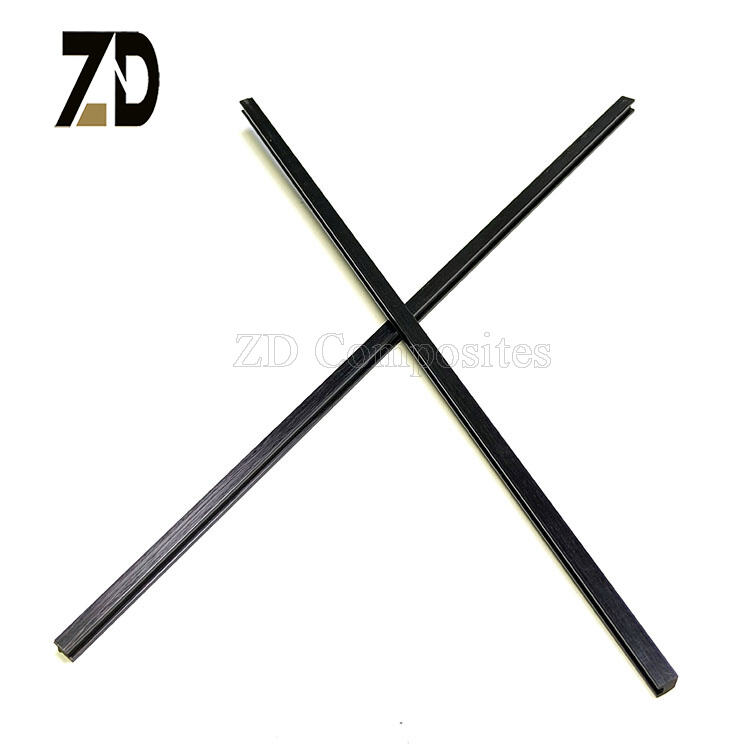
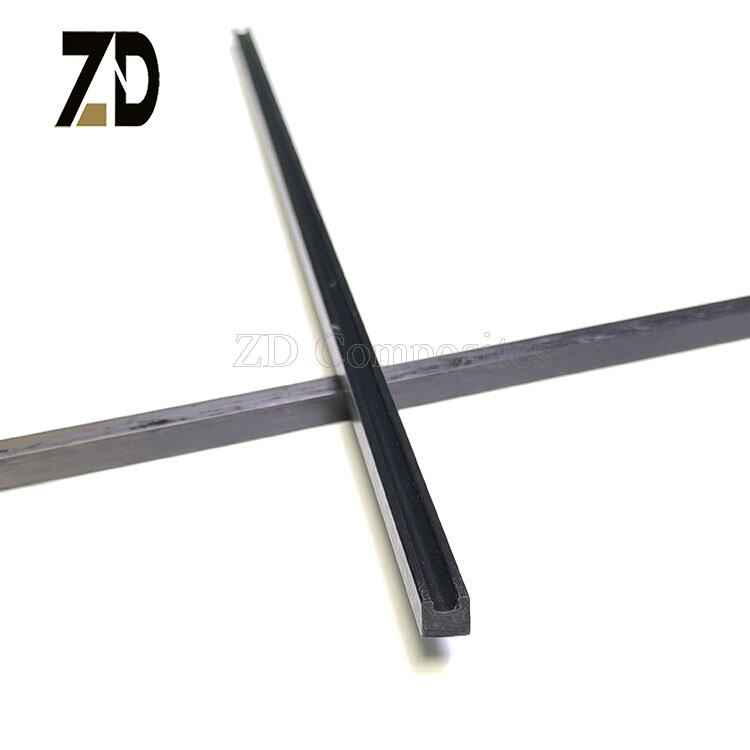
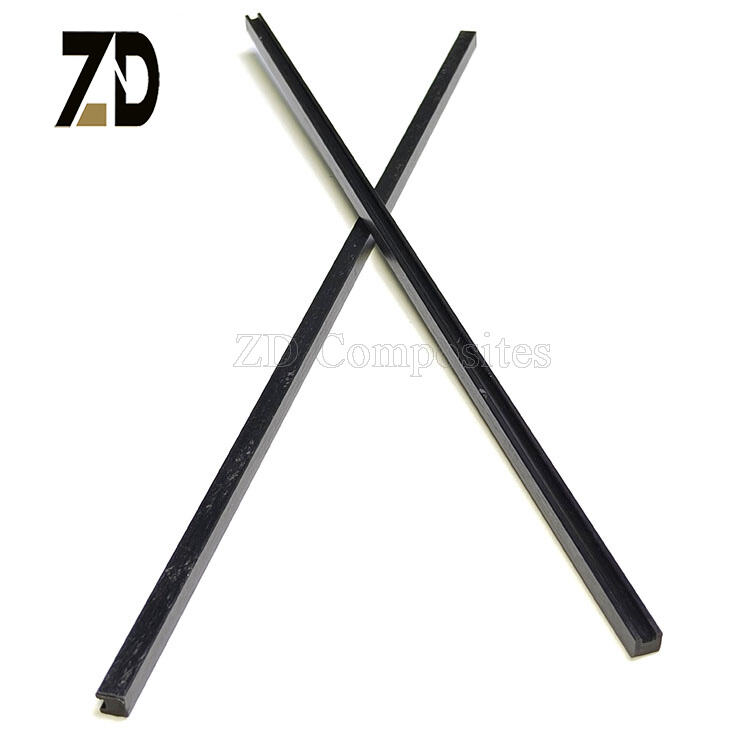
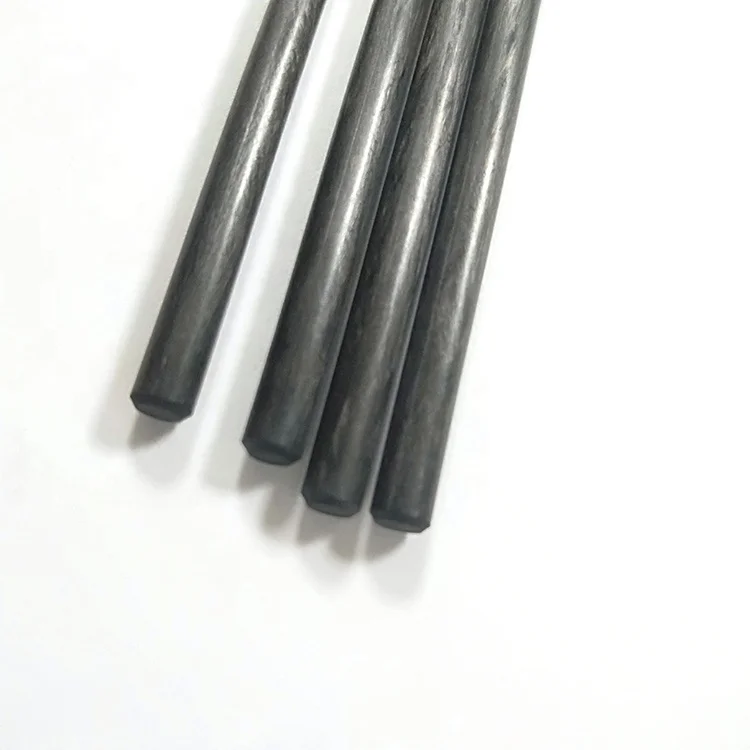
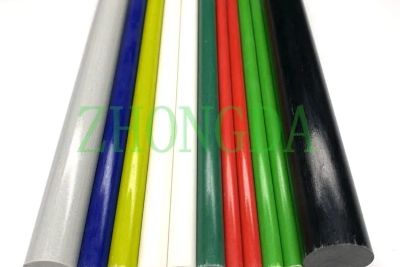
The carbon fiber strip represents a revolutionary advancement in composite material technology, offering exceptional strength-to-weight ratios that surpass traditional materials by significant margins. This engineered composite material consists of thousands of ultra-thin carbon filaments woven together and bonded with specialized resin systems, creating a structural component that delivers outstanding performance across diverse applications. The carbon fiber strip maintains its structural integrity under extreme conditions while weighing substantially less than steel or aluminum alternatives. Manufacturing processes involve precise layup techniques, automated fiber placement, and controlled curing cycles that ensure consistent quality and dimensional accuracy. The material exhibits anisotropic properties, meaning its strength characteristics can be tailored directionally based on fiber orientation during production. Modern carbon fiber strips incorporate advanced resin matrices that enhance durability, chemical resistance, and environmental stability. These strips demonstrate remarkable fatigue resistance, maintaining their mechanical properties through millions of load cycles without degradation. The surface finish of carbon fiber strips can be customized for specific applications, ranging from smooth aerodynamic profiles to textured surfaces that promote adhesion. Dimensional stability remains consistent across temperature variations, making carbon fiber strips ideal for precision applications. The material resists corrosion, moisture absorption, and UV degradation when properly formulated, extending service life significantly. Electrical properties can be modified through resin selection and surface treatments, enabling conductive or insulative characteristics as required. The manufacturing flexibility allows for complex geometries, varying cross-sections, and integrated mounting features within single components. Quality control measures include non-destructive testing methods that verify internal structure integrity without compromising the finished product. These technological capabilities make carbon fiber strips indispensable components in aerospace, automotive, marine, sporting goods, and industrial applications where performance demands exceed conventional material limitations.

Popular Products

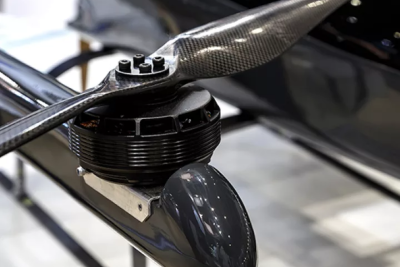
Carbon fiber strips provide substantial weight reduction benefits that directly impact performance and efficiency across multiple applications. Users experience fuel savings in automotive and aerospace implementations due to reduced overall system weight, translating to measurable cost reductions over operational lifespans. The superior strength characteristics allow designers to use thinner cross-sections while maintaining structural requirements, creating space savings and design flexibility previously unattainable with metallic materials. Installation processes become simpler because carbon fiber strips require fewer fasteners and support structures compared to heavier alternatives, reducing assembly time and labor costs. Maintenance requirements decrease significantly since carbon fiber strips resist corrosion, fatigue cracking, and environmental degradation that commonly affect steel and aluminum components. The material maintains dimensional stability across wide temperature ranges, eliminating thermal expansion issues that cause joint stress and component failure in traditional materials. Vibration damping properties inherent in carbon fiber strips reduce noise transmission and improve operational smoothness in rotating machinery and structural applications. The design versatility enables engineers to create optimized shapes and geometries that maximize performance while minimizing material usage, achieving cost-effective solutions for complex engineering challenges. Manufacturing efficiency improves through reduced machining requirements, as carbon fiber strips can be produced to near-net shapes that require minimal secondary operations. The electrical properties can be tailored to provide electromagnetic shielding or conductivity as needed, eliminating the requirement for additional protective components. Long-term durability ensures extended service intervals and reduced replacement frequency, providing superior lifecycle value compared to conventional materials. The aesthetic appeal of carbon fiber strips adds premium visual character to consumer products, enhancing market appeal and brand differentiation. Environmental benefits include reduced energy consumption during transportation and operation due to weight savings, contributing to sustainability objectives. Quality consistency remains high through automated manufacturing processes that eliminate human variability factors common in traditional material fabrication. These practical advantages combine to deliver measurable improvements in performance, cost-effectiveness, and operational efficiency that justify the initial investment in carbon fiber strip technology.

Latest News

How to Make a Carbon Fiber Box: Choosing the Right Prepreg, Resin & Mold

20

Oct

How to Make a Carbon Fiber Box: Choosing the Right Prepreg, Resin & Mold

View More
The advantages of fiberglass stakes

20

Oct

The advantages of fiberglass stakes

View More
Applications and advantages of carbon fiber materials in industry

27

Oct

Applications and advantages of carbon fiber materials in industry

View More

Get a Free Quote

Our representative will contact you soon.
Email
Name
Company Name
Message
0/1000

carbon fiber strip

Exceptional Strength-to-Weight Performance Ratio

Exceptional Strength-to-Weight Performance Ratio

The carbon fiber strip achieves strength-to-weight performance ratios that fundamentally transform engineering possibilities across industries. This remarkable characteristic stems from the unique molecular structure of carbon fibers, where individual filaments possess tensile strength exceeding 3,500 MPa while maintaining density levels significantly lower than steel or aluminum. The engineering implications extend far beyond simple weight reduction, enabling designers to create structures that were previously impossible with conventional materials. In aerospace applications, carbon fiber strips allow aircraft manufacturers to reduce structural weight by up to 20 percent while increasing load-bearing capacity, directly improving fuel efficiency and payload capabilities. Automotive engineers leverage this performance advantage to enhance vehicle dynamics, reducing unsprung weight in suspension components and achieving better handling characteristics without sacrificing safety margins. The strength characteristics remain consistent across varying environmental conditions, maintaining structural integrity from extreme cold to elevated temperatures where other materials begin to lose mechanical properties. This reliability factor becomes crucial in mission-critical applications where component failure carries significant consequences. The material exhibits exceptional specific strength, meaning the strength per unit weight surpasses traditional materials by factors of three to five, depending on the application and loading conditions. Manufacturing processes can orient carbon fibers directionally to optimize strength characteristics for specific load paths, creating tailored solutions that maximize performance efficiency. The fatigue resistance ensures that carbon fiber strips maintain their strength advantages throughout extended service lives, avoiding the gradual degradation common in metallic materials subjected to cyclic loading. Quality control measures verify that each carbon fiber strip meets stringent strength requirements through rigorous testing protocols that simulate real-world operating conditions. This combination of exceptional strength and minimal weight creates value propositions that justify premium pricing through measurable performance improvements and operational cost reductions.
Advanced Corrosion and Environmental Resistance

Advanced Corrosion and Environmental Resistance

Carbon fiber strips demonstrate superior environmental resistance that eliminates many maintenance challenges associated with traditional materials in harsh operating conditions. The inherent chemical stability of carbon fibers, combined with advanced resin matrix systems, creates composite materials that resist degradation from moisture, salt spray, chemical exposure, and ultraviolet radiation. This environmental resistance translates to extended service life and reduced maintenance costs that provide substantial long-term value for users. Marine applications particularly benefit from this characteristic, as carbon fiber strips maintain structural integrity in saltwater environments where steel components rapidly corrode and aluminum parts suffer from galvanic corrosion. The material resists chemical attack from fuels, hydraulic fluids, and cleaning solvents commonly encountered in automotive and aerospace applications, eliminating the need for protective coatings that add weight and maintenance requirements. Temperature cycling effects that cause thermal fatigue in metallic materials have minimal impact on properly designed carbon fiber strips, ensuring consistent performance across seasonal variations and operational temperature ranges. The surface characteristics can be engineered to provide additional protection against specific environmental challenges, including UV-resistant topcoats and chemical-resistant barrier layers. Manufacturing processes incorporate environmental resistance considerations from initial fiber selection through final curing, ensuring that every carbon fiber strip delivers maximum durability in its intended application environment. Quality assurance testing exposes samples to accelerated aging conditions that simulate decades of environmental exposure, verifying performance retention over extended periods. The resistance to biological degradation prevents issues with fungal growth and bacterial attack that can compromise other composite materials in humid environments. Industrial applications benefit from chemical resistance that allows carbon fiber strips to function in processing environments where traditional materials require expensive protective measures or frequent replacement. This environmental durability reduces lifecycle costs through extended replacement intervals and eliminates downtime associated with corrosion-related failures, providing measurable economic benefits that extend well beyond initial material costs.
Superior Design Flexibility and Manufacturing Versatility

Superior Design Flexibility and Manufacturing Versatility

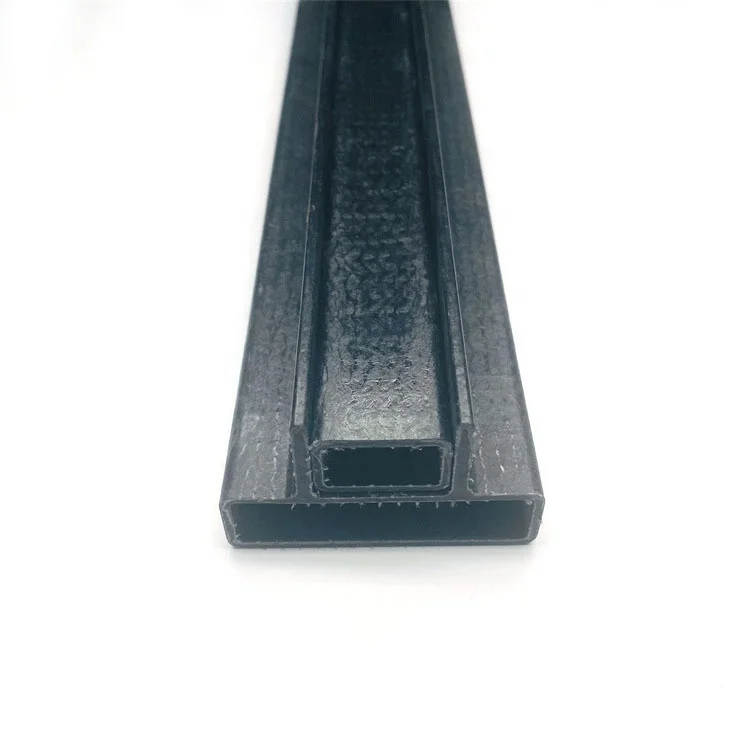
Carbon fiber strips offer unprecedented design flexibility that enables engineers to create optimized solutions tailored to specific performance requirements and geometric constraints. The manufacturing processes allow for complex shapes, varying cross-sections, and integrated features within single components, eliminating joints and fasteners that introduce potential failure points and weight penalties. This design versatility extends to fiber orientation control, where manufacturers can align carbon fibers to match primary load paths, maximizing strength efficiency and minimizing material usage. The pultrusion process enables continuous production of carbon fiber strips with consistent cross-sectional properties and surface finish quality, supporting high-volume applications while maintaining premium performance characteristics. Custom tooling capabilities allow for rapid prototyping and low-volume production runs, enabling designers to validate concepts and optimize designs before committing to full-scale manufacturing. The material compatibility with various resin systems provides options for tailoring mechanical properties, thermal characteristics, and chemical resistance to match specific application requirements. Surface treatments and finishes can be applied during manufacturing to provide desired aesthetic appearance, improve adhesion properties, or add functional coatings without secondary operations. The manufacturing flexibility supports integration of other materials, including metallic inserts, mounting hardware, and reinforcing elements, creating hybrid components that combine the best characteristics of multiple materials. Automated manufacturing processes ensure dimensional accuracy and property consistency while supporting complex geometries that would be difficult or impossible to achieve with traditional materials. The design freedom enables weight distribution optimization, allowing engineers to place material exactly where structural requirements demand while removing excess material from low-stress areas. Manufacturing scalability accommodates everything from prototype quantities to high-volume production runs, supporting product development cycles and market introduction strategies. Quality control integration throughout the manufacturing process ensures that design specifications translate accurately into finished components, maintaining the performance advantages that drive carbon fiber strip selection. This manufacturing versatility reduces development time and costs while enabling innovative solutions that differentiate products in competitive markets.

Get a Free Quote

Our representative will contact you soon.
Email
Name
Company Name
Message
0/1000