High-Performance Carbon Fiber Flat Strips - Lightweight Composite Solutions for Industrial Applications

Get a Free Quote

Our representative will contact you soon.
Email
Name
Company Name
Message
0/1000

carbon fiber flat strips

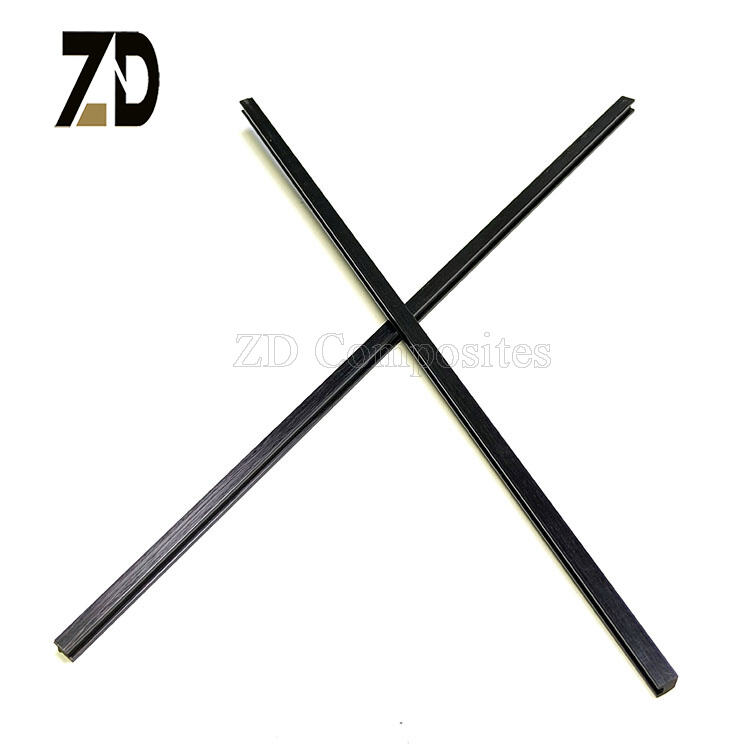
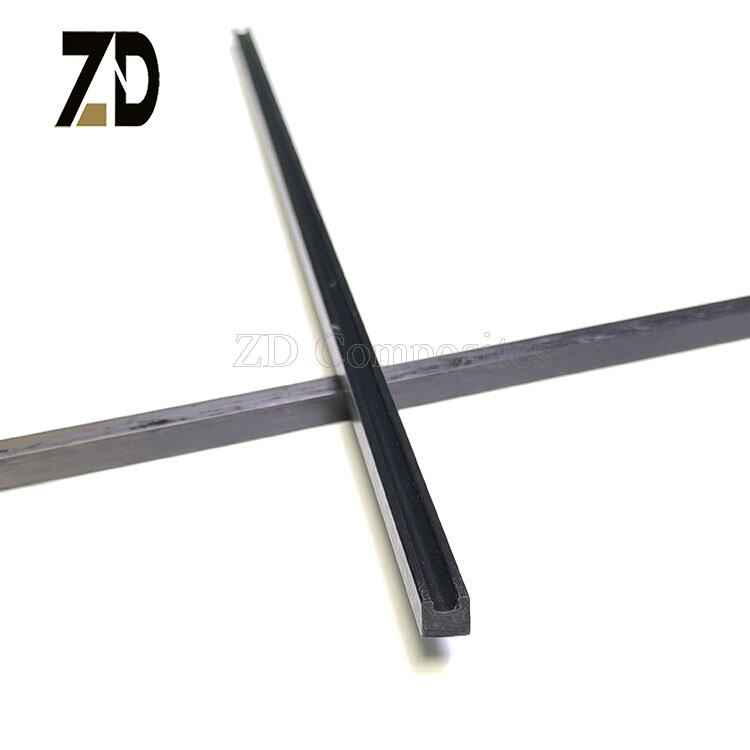
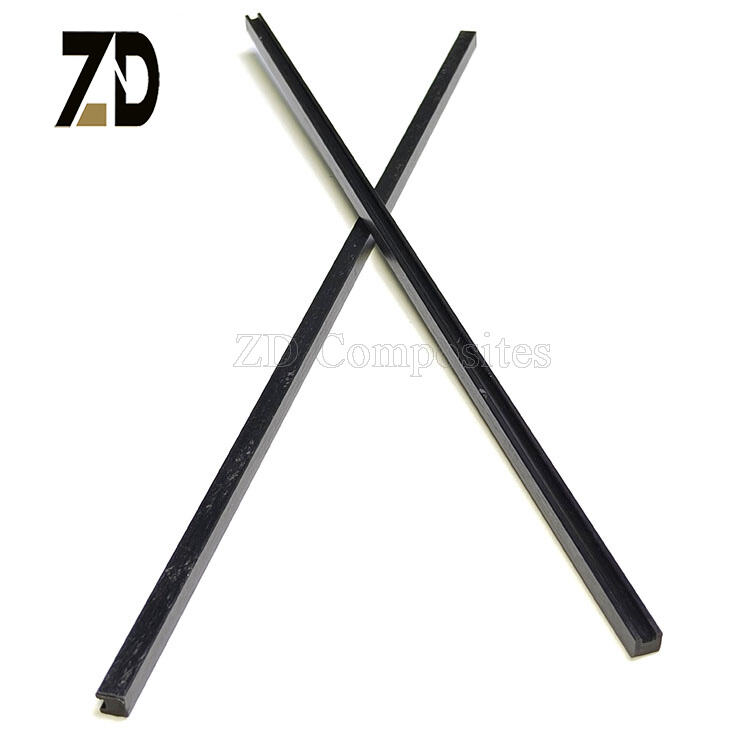
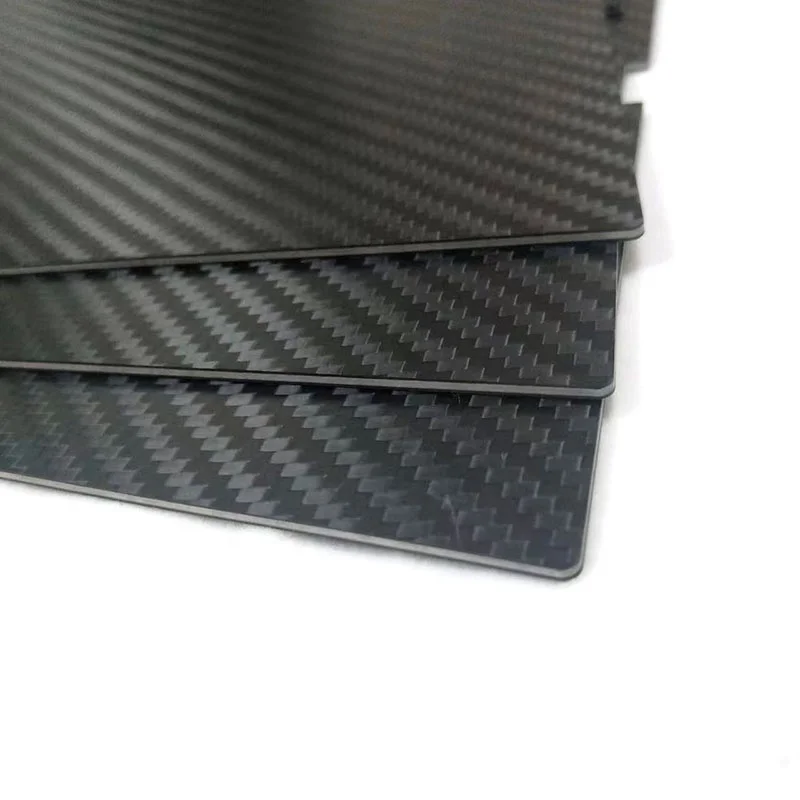
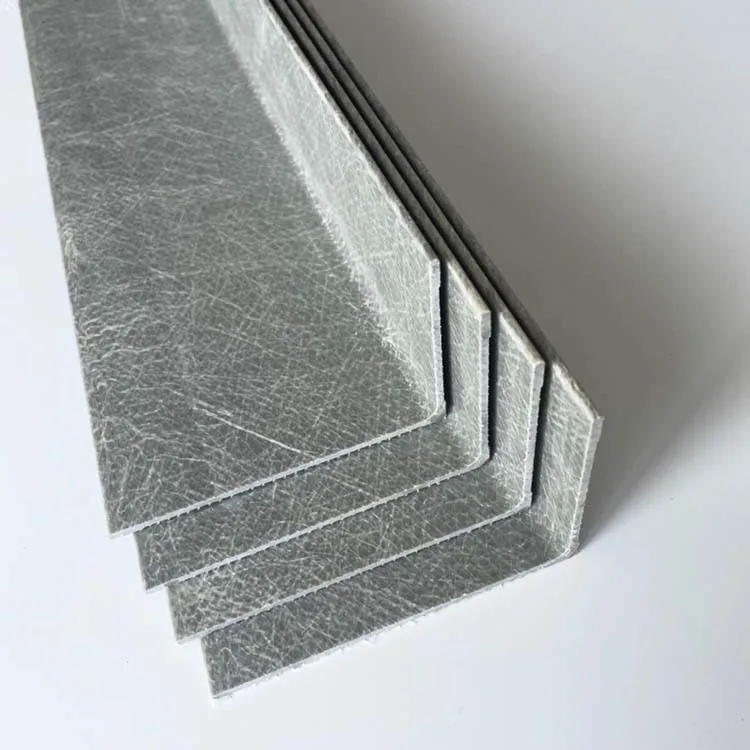
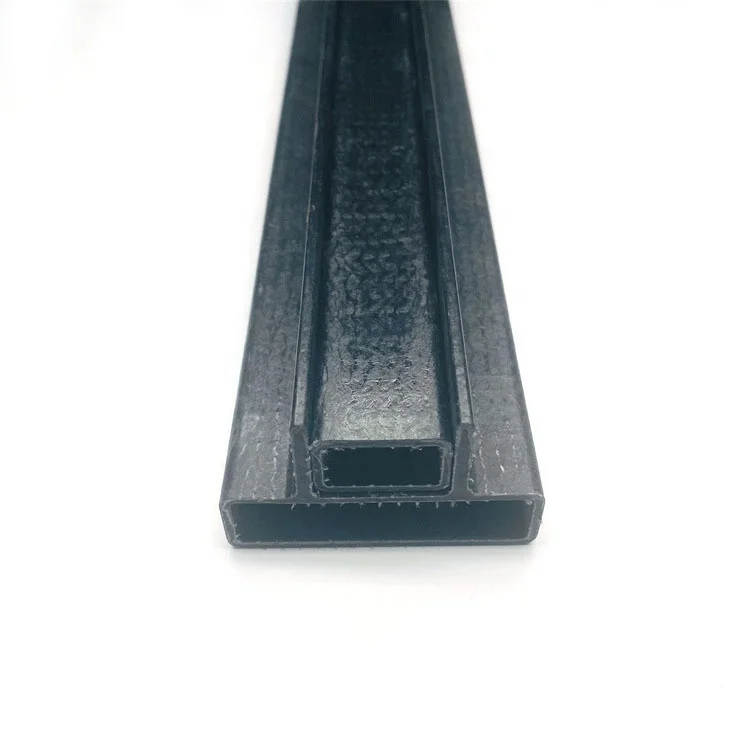
Carbon fiber flat strips represent a revolutionary advancement in composite materials technology, offering exceptional performance characteristics that have transformed numerous industries. These lightweight yet incredibly strong structural components are manufactured using high-grade carbon fiber reinforced polymer (CFRP) technology, combining carbon fiber threads with advanced resin systems to create flat, ribbon-like profiles with remarkable mechanical properties. The primary function of carbon fiber flat strips lies in their ability to provide superior tensile strength, flexural rigidity, and dimensional stability while maintaining minimal weight profiles that traditional materials cannot match. These strips feature uniform thickness distribution, consistent fiber orientation, and precision-engineered surfaces that ensure optimal performance across diverse applications. The technological foundation of carbon fiber flat strips involves sophisticated manufacturing processes including pultrusion, filament winding, or prepreg layup techniques, each designed to maximize fiber alignment and resin distribution for optimal structural integrity. Advanced curing processes under controlled temperature and pressure conditions ensure complete polymer cross-linking, resulting in components with exceptional fatigue resistance and environmental durability. Carbon fiber flat strips exhibit remarkable corrosion resistance, making them ideal for harsh environmental conditions where traditional materials would deteriorate rapidly. Their applications span aerospace engineering, automotive manufacturing, marine construction, sporting goods production, industrial automation, and architectural reinforcement projects. In aerospace applications, these strips serve as structural reinforcement elements, wing components, and fuselage frames where weight reduction directly translates to fuel efficiency improvements. Automotive manufacturers utilize carbon fiber flat strips in chassis reinforcement, body panels, and performance components to enhance vehicle dynamics while reducing overall mass. Marine applications include mast reinforcement, hull strengthening, and deck components where saltwater resistance and strength-to-weight ratios are critical factors. The precision manufacturing capabilities enable custom dimensions, specific fiber orientations, and tailored mechanical properties to meet exact application requirements across industries.

New Product Recommendations

Carbon fiber flat strips deliver numerous compelling advantages that make them superior alternatives to conventional materials in demanding applications. The most significant benefit is their exceptional strength-to-weight ratio, which surpasses aluminum by approximately 300 percent and steel by over 500 percent, enabling designers to create lighter structures without compromising structural integrity. This dramatic weight reduction translates directly into improved fuel efficiency in transportation applications, enhanced portability in consumer products, and reduced installation complexity in construction projects. The corrosion resistance properties of carbon fiber flat strips eliminate the need for protective coatings, maintenance schedules, and replacement cycles associated with metallic alternatives, resulting in substantial long-term cost savings and improved reliability. These strips maintain their mechanical properties across extreme temperature ranges, from -150°C to +150°C, without experiencing the thermal expansion issues that plague traditional materials, ensuring dimensional stability in critical applications. The fatigue resistance characteristics of carbon fiber flat strips exceed those of metals by significant margins, withstanding millions of stress cycles without degradation, making them ideal for applications involving repetitive loading conditions such as rotating machinery, vibrating equipment, and flexing structures. Manufacturing flexibility allows for custom fiber orientations, enabling engineers to optimize directional strength properties precisely where needed, whether for unidirectional loading, multidirectional stress distribution, or specific flexural requirements. The electromagnetic transparency of carbon fiber flat strips makes them valuable in applications requiring radio frequency transmission, radar compatibility, or electrical isolation, providing structural support without interfering with electronic systems. Installation advantages include easy machining capabilities, compatibility with standard bonding techniques, and reduced handling requirements due to their lightweight nature, significantly decreasing labor costs and installation time. Environmental benefits include recyclability potential, reduced transportation emissions due to lower weight, and elimination of toxic coatings required for metal protection, supporting sustainability initiatives across industries. The dimensional precision achievable with carbon fiber flat strips ensures consistent performance, tight tolerances, and reliable fit-up in assembly operations, reducing quality control issues and manufacturing variations that can compromise product performance.

Tips And Tricks

How to Make a Carbon Fiber Box: Choosing the Right Prepreg, Resin & Mold

20

Oct

How to Make a Carbon Fiber Box: Choosing the Right Prepreg, Resin & Mold

View More
The advantages of fiberglass stakes

20

Oct

The advantages of fiberglass stakes

View More
Applications and advantages of carbon fiber materials in industry

27

Oct

Applications and advantages of carbon fiber materials in industry

View More

Get a Free Quote

Our representative will contact you soon.
Email
Name
Company Name
Message
0/1000

carbon fiber flat strips

Unmatched Strength-to-Weight Performance Revolution

Unmatched Strength-to-Weight Performance Revolution

Carbon fiber flat strips represent the pinnacle of materials engineering, delivering strength-to-weight ratios that fundamentally transform design possibilities across industries. These remarkable components achieve tensile strengths exceeding 3,500 MPa while maintaining densities of only 1.6 g/cm³, creating performance metrics that surpass traditional materials by extraordinary margins. This exceptional strength-to-weight relationship enables engineers to design structures that were previously impossible, allowing for spans, loads, and configurations that would require prohibitively heavy conventional materials. In aerospace applications, this translates to aircraft components that maintain structural integrity while reducing overall vehicle weight by up to 40 percent, directly improving fuel efficiency and payload capacity. Automotive manufacturers leverage this advantage to create performance vehicles with enhanced power-to-weight ratios, improving acceleration, handling, and fuel economy simultaneously. The implications extend beyond transportation, enabling architects to design longer unsupported spans in buildings, creating more open spaces without intermediate supports, and allowing for innovative structural solutions that were previously unfeasible. Marine applications benefit tremendously from this strength-to-weight advantage, as carbon fiber flat strips enable the construction of larger vessels with improved stability and reduced displacement, enhancing both performance and efficiency. Sporting goods manufacturers utilize this property to create equipment that provides superior performance while reducing user fatigue, from tennis rackets that generate more power with less effort to bicycles that climb hills more easily. Industrial applications benefit from this advantage through reduced foundation requirements for heavy machinery, as the lighter structures require less substantial support systems, reducing construction costs and complexity. The strength retention characteristics ensure that these benefits persist throughout the component lifecycle, maintaining performance advantages even under demanding operational conditions, extreme temperatures, and aggressive environments where traditional materials would experience degradation.
Superior Durability and Corrosion Resistance Excellence

Superior Durability and Corrosion Resistance Excellence

Carbon fiber flat strips demonstrate exceptional durability characteristics that ensure long-term performance reliability in the most challenging environmental conditions imaginable. Unlike metallic alternatives that suffer from oxidation, galvanic corrosion, and environmental degradation, these advanced composite materials maintain their structural integrity and mechanical properties indefinitely when properly manufactured and installed. The inherent corrosion resistance stems from the inert nature of carbon fibers and the protective polymer matrix, creating components that withstand exposure to saltwater, acids, alkalis, solvents, and other aggressive chemicals without deterioration. This remarkable durability eliminates the need for protective coatings, regular maintenance schedules, and periodic replacement cycles that characterize traditional materials, resulting in significant lifecycle cost reductions and improved operational reliability. Marine applications particularly benefit from this corrosion resistance, as carbon fiber flat strips maintain their properties in constant saltwater exposure where aluminum corrodes rapidly and steel requires extensive protective measures. Chemical processing facilities utilize these strips in environments where conventional materials would fail within months, enabling long-term structural solutions in highly corrosive atmospheres. The fatigue resistance properties ensure that repeated loading cycles do not compromise structural integrity, with carbon fiber flat strips capable of withstanding millions of stress reversals without crack initiation or propagation, far exceeding the fatigue life of comparable metallic components. Temperature stability across extreme ranges from cryogenic conditions to elevated temperatures ensures consistent performance regardless of environmental variations, eliminating thermal stress failures common in traditional materials. UV resistance characteristics prevent degradation from prolonged sunlight exposure, maintaining mechanical properties and surface integrity in outdoor applications where polymer degradation typically occurs. The combination of these durability factors creates components with service lives measured in decades rather than years, providing exceptional value propositions for applications where reliability and longevity are critical requirements.
Precision Engineering and Customization Capabilities

Precision Engineering and Customization Capabilities

Carbon fiber flat strips offer unprecedented precision engineering capabilities and customization options that enable optimal solutions for specific application requirements across diverse industries. The manufacturing processes allow for precise control over fiber orientation, layer sequencing, and thickness distribution, creating components tailored to exact loading conditions and performance specifications. This customization capability extends to dimensional precision, with tolerances achievable to ±0.1mm across various strip widths and thicknesses, ensuring consistent fit-up and assembly requirements in critical applications. Engineers can specify unidirectional fiber orientations for maximum strength in primary loading directions, or multi-directional layups for applications involving complex stress patterns, optimizing material utilization and performance characteristics. The surface finish options range from smooth, cosmetic-grade surfaces suitable for visible applications to textured surfaces optimized for bonding or mechanical attachment, providing flexibility in design integration and aesthetic requirements. Thermal expansion coefficients can be engineered to match specific materials or minimize dimensional changes across temperature ranges, ensuring compatibility with existing structures and preventing stress concentrations due to differential expansion. Electrical properties can be tailored through fiber selection and resin systems, creating components with specific conductivity or insulation characteristics required for electronic applications or electromagnetic compatibility requirements. Quality control measures during manufacturing ensure consistent mechanical properties, dimensional accuracy, and surface integrity across production runs, eliminating performance variations that can compromise system reliability. Custom lengths, widths, and cross-sectional profiles accommodate specific installation requirements without waste or secondary machining operations, reducing material costs and simplifying installation procedures. The ability to incorporate functional features such as mounting holes, attachment points, or integrated fastening systems during manufacturing eliminates secondary operations and ensures optimal load distribution. Testing and certification capabilities provide documented performance verification for critical applications, supporting design validation and regulatory compliance requirements across industries where performance certification is mandatory for operational approval.

Get a Free Quote

Our representative will contact you soon.
Email
Name
Company Name
Message
0/1000