High-Performance FRP Poles: Advanced Fiber Reinforced Plastic Solutions for Modern Infrastructure

Get a Free Quote

Our representative will contact you soon.
Email
Name
Company Name
Message
0/1000

frp pole

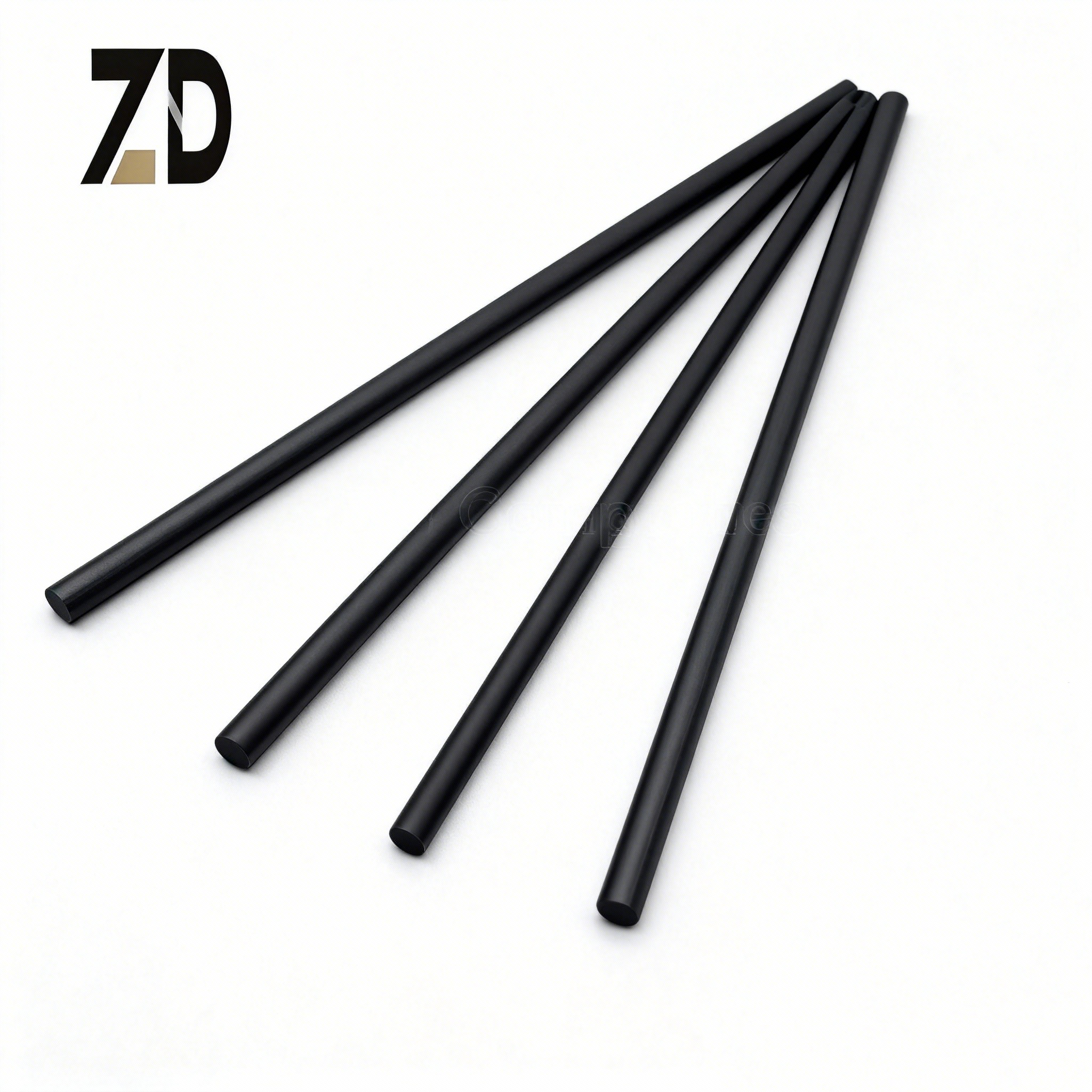
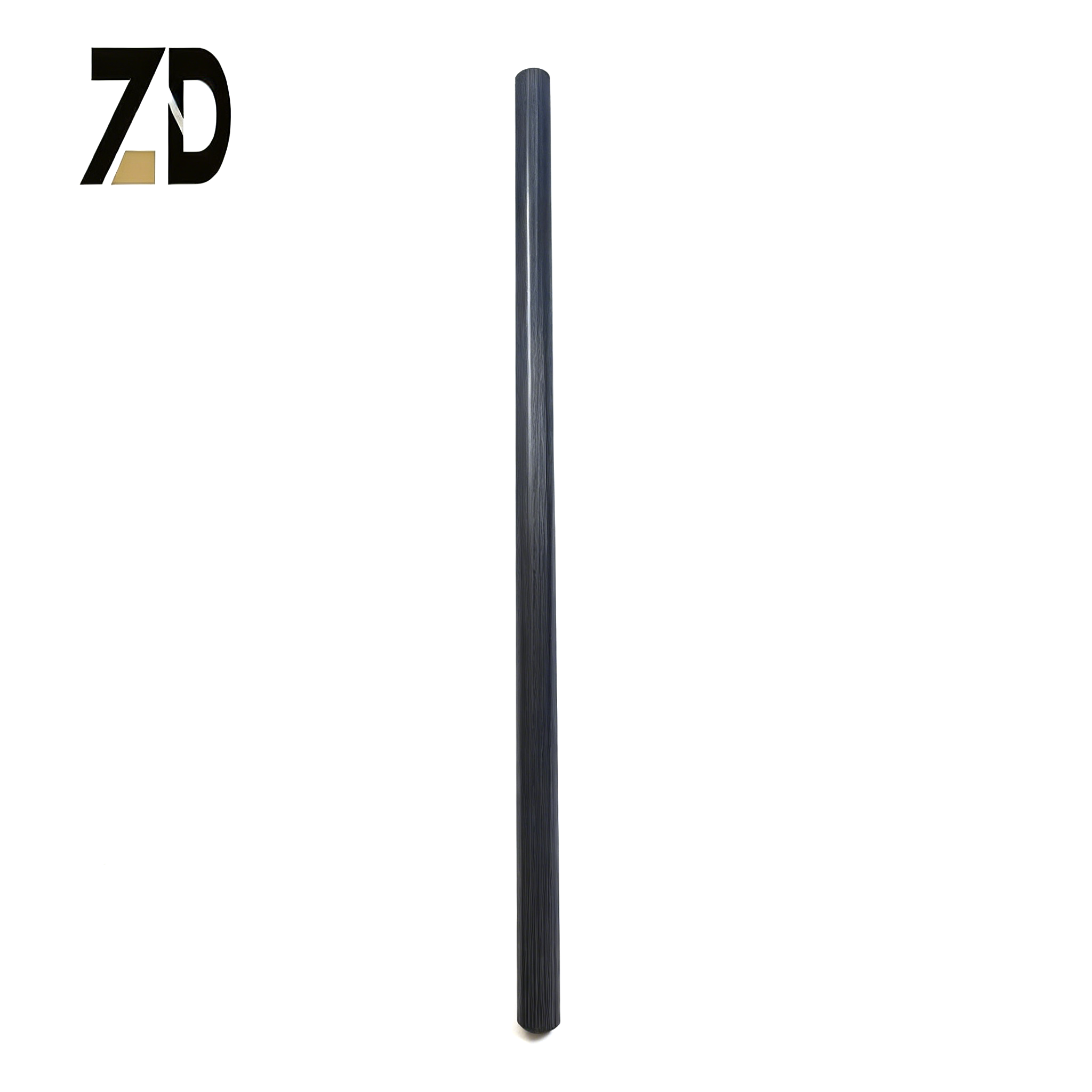
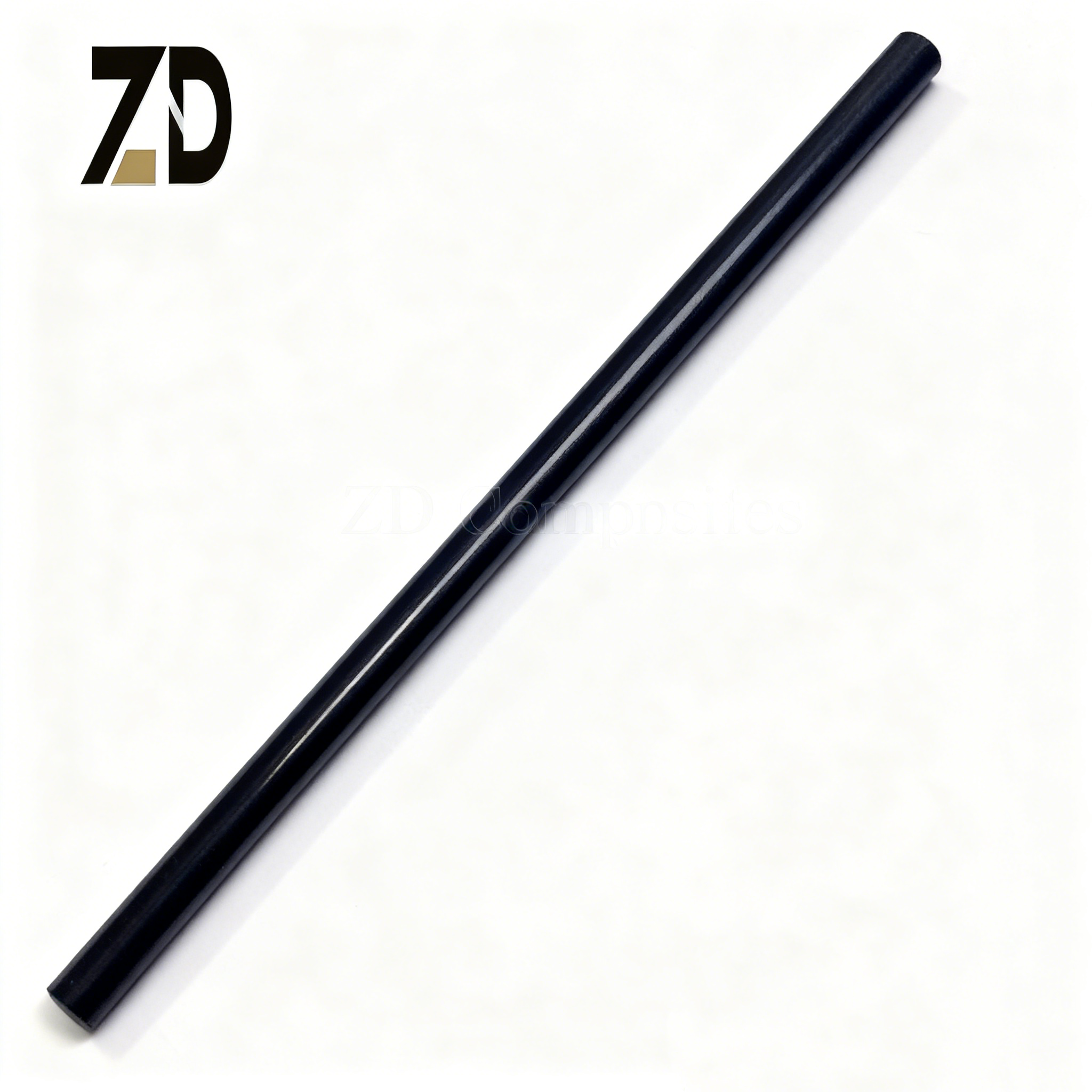
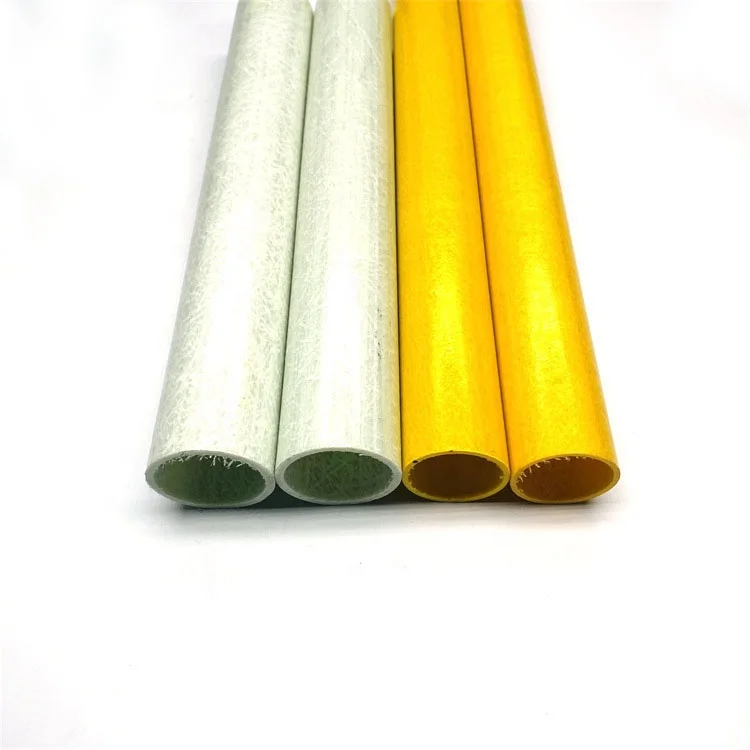
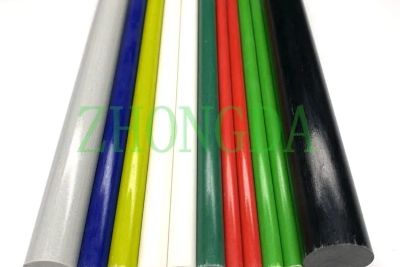
The FRP pole represents a revolutionary advancement in structural support technology, combining fiber reinforced plastic materials to create exceptional utility infrastructure solutions. These innovative poles utilize advanced composite manufacturing techniques that blend glass fibers with high-strength polymer resins, resulting in products that deliver superior performance across diverse environmental conditions. Modern FRP pole construction incorporates sophisticated engineering processes that ensure consistent quality and reliability throughout their operational lifespan. The primary functions of these composite structures include electrical transmission support, telecommunications infrastructure, lighting applications, and traffic management systems. Their technological foundation relies on pultrusion and filament winding processes that create uniform fiber distribution within the polymer matrix, maximizing structural integrity while minimizing weight. FRP pole applications span numerous industries including utilities, transportation, municipal services, and commercial developments. The manufacturing process involves precise fiber orientation control, ensuring optimal load distribution and resistance to environmental stressors. These poles demonstrate exceptional versatility in supporting overhead power lines, street lighting systems, traffic signals, security cameras, and wireless communication equipment. Their non-conductive properties make FRP poles particularly valuable for electrical applications where safety requirements demand insulation from live conductors. The technological features include customizable dimensions, various mounting configurations, and integrated cable management systems. Installation procedures for FRP poles are streamlined compared to traditional materials, reducing project timelines and labor requirements. Their lightweight construction facilitates easier transportation and positioning while maintaining structural performance standards. Quality control measures during production ensure each FRP pole meets stringent industry specifications for mechanical properties, electrical insulation, and environmental resistance. The composite material composition provides inherent UV stability and chemical resistance that preserves structural integrity over extended service periods.

Popular Products

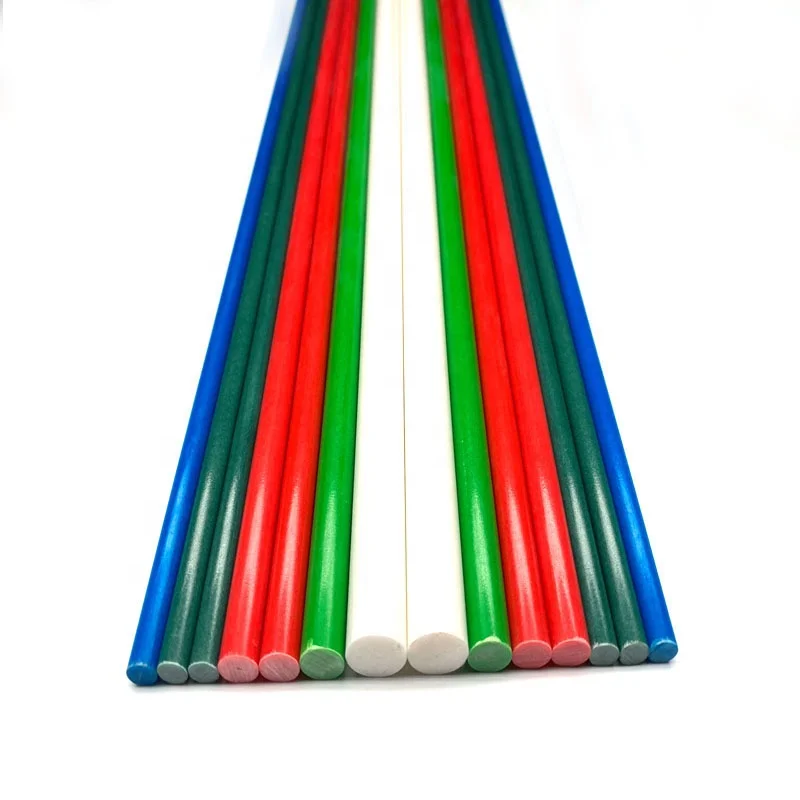
FRP poles offer remarkable advantages that make them superior choices for modern infrastructure projects across multiple applications. The primary benefit lies in their exceptional corrosion resistance, eliminating the maintenance requirements associated with metal poles that suffer from rust and oxidation. This corrosion immunity translates directly into reduced lifecycle costs and extended service intervals, providing substantial economic benefits for facility managers and utility companies. The lightweight nature of FRP poles simplifies transportation logistics and installation procedures, reducing equipment requirements and labor expenses during project execution. Workers can handle these poles more easily than heavy concrete or steel alternatives, improving job site safety and productivity. The electrical insulation properties of FRP poles create inherent safety advantages in electrical applications, protecting personnel from potential contact with energized conductors. This insulation capability eliminates grounding requirements in many installations, simplifying electrical designs and reducing installation complexity. FRP poles demonstrate superior dimensional stability under varying temperature conditions, maintaining structural alignment and preventing the expansion-related issues common with metal poles. Their resistance to environmental factors including saltwater exposure, chemical contamination, and extreme weather conditions ensures reliable performance in challenging locations. The smooth surface finish of FRP poles resists ice accumulation and wind loading, reducing maintenance needs in harsh climates. Manufacturing flexibility allows customization of pole dimensions, colors, and mounting features to meet specific project requirements without significant cost penalties. The non-magnetic properties of FRP poles prevent interference with sensitive electronic equipment, making them ideal for telecommunications and measurement applications. Installation speed increases significantly due to reduced weight and simplified connection methods, accelerating project completion schedules. The durability of FRP poles extends operational lifespans beyond traditional materials while requiring minimal preventive maintenance. Environmental benefits include recyclability options and reduced carbon footprint during transportation due to lighter weight. Cost analysis reveals that while initial purchase prices may exceed some alternatives, the total ownership costs favor FRP poles through reduced maintenance, longer service life, and lower installation expenses. Quality assurance programs ensure consistent performance characteristics across production batches, providing reliable specifications for engineering calculations.

Tips And Tricks

How to Make a Carbon Fiber Box: Choosing the Right Prepreg, Resin & Mold

20

Oct

How to Make a Carbon Fiber Box: Choosing the Right Prepreg, Resin & Mold

View More
The advantages of fiberglass stakes

20

Oct

The advantages of fiberglass stakes

View More
Applications and advantages of carbon fiber materials in industry

27

Oct

Applications and advantages of carbon fiber materials in industry

View More

Get a Free Quote

Our representative will contact you soon.
Email
Name
Company Name
Message
0/1000

frp pole

Exceptional Durability and Weather Resistance

Exceptional Durability and Weather Resistance

The outstanding durability characteristics of FRP poles stem from their advanced composite construction that withstands harsh environmental conditions without degradation. Unlike traditional materials that suffer from corrosion, rotting, or brittleness over time, FRP poles maintain their structural integrity through decades of service exposure. The fiber reinforced plastic matrix creates a protective barrier that resists moisture penetration, preventing internal damage that commonly affects other pole materials. UV radiation, which causes fading and weakening in many outdoor products, has minimal impact on properly formulated FRP poles due to integrated UV stabilizers and protective gel coat layers. Temperature cycling from extreme cold to intense heat does not create the expansion-contraction stresses that lead to cracking in concrete poles or loosening in metal connections. Salt spray environments, particularly challenging for coastal installations, present no corrosion threat to FRP poles, eliminating the accelerated deterioration seen with steel and aluminum alternatives. Chemical exposure from industrial emissions, cleaning agents, or accidental spills does not compromise FRP pole structural properties, maintaining safety margins throughout their service life. The composite material construction distributes loads evenly across the pole structure, preventing stress concentration points that often initiate failure in homogeneous materials. Wind loading calculations benefit from the consistent material properties of FRP poles, providing predictable performance under design conditions. Ice loading scenarios that can overload brittle materials are managed effectively by the flexibility inherent in FRP pole design. Seismic activity impacts are minimized through the energy absorption characteristics of the composite structure. Quality testing protocols verify weather resistance through accelerated aging procedures that simulate decades of environmental exposure. Field performance data confirms laboratory predictions, demonstrating that FRP poles exceed design life expectations in real-world applications. Maintenance schedules for FRP poles focus on connection hardware and accessories rather than the pole structure itself, dramatically reducing long-term service requirements. The proven durability of FRP poles provides confidence for critical infrastructure applications where failure consequences are severe.
Superior Electrical Safety and Insulation Properties

Superior Electrical Safety and Insulation Properties

The inherent electrical insulation properties of FRP poles provide unmatched safety benefits that make them the preferred choice for electrical utility and telecommunications applications. Unlike conductive materials such as steel, aluminum, or reinforced concrete, FRP poles create a complete electrical barrier that protects workers and equipment from dangerous electrical contact. This insulation capability extends throughout the entire pole structure, eliminating current paths that could energize the pole surface during fault conditions or accidental conductor contact. The dielectric strength of FRP poles exceeds industry safety requirements by substantial margins, providing built-in safety factors that protect against voltage surges and system faults. Grounding requirements are simplified or eliminated entirely in many FRP pole installations, reducing installation complexity and associated costs while improving overall system safety. The non-conductive nature prevents stray current flow that can cause corrosion in nearby metallic infrastructure, protecting underground utilities and building foundations. Arc flash incidents, which pose serious safety risks with metallic poles, are prevented by the insulating properties of FRP poles that interrupt fault current paths. Lightning strike effects are managed differently with FRP poles, as the non-conductive material prevents the direct current flow that can cause explosive damage in metal poles. Electrical testing procedures verify insulation integrity throughout the manufacturing process, ensuring consistent dielectric performance across all production units. Temperature variations do not significantly affect the electrical properties of FRP poles, maintaining insulation effectiveness across seasonal changes. Moisture exposure, which can reduce insulation effectiveness in some materials, has minimal impact on properly designed FRP pole electrical properties due to the non-hygroscopic nature of the composite materials. Safety training requirements are reduced when working with FRP poles because the inherent insulation provides protection against accidental electrical contact. Regulatory compliance is simplified as FRP poles often exceed safety code requirements for electrical clearances and insulation levels. The electrical properties of FRP poles remain stable throughout their service life, providing consistent protection without degradation over time. Installation safety improves dramatically when using FRP poles for electrical applications, as workers face reduced electrocution risks during construction and maintenance activities.
Cost-Effective Lifecycle Economics and Easy Installation

Cost-Effective Lifecycle Economics and Easy Installation

The economic advantages of FRP poles become apparent when analyzing total lifecycle costs rather than initial purchase prices alone, revealing substantial savings over the operational lifespan of infrastructure projects. Installation cost reductions begin with transportation savings due to the lightweight nature of FRP poles, allowing more units per truck load and reducing shipping expenses. Crane requirements are minimized or eliminated for many installations, as manual handling becomes feasible for smaller FRP poles, reducing equipment rental costs and site access requirements. Foundation requirements are often reduced due to lighter pole weights, saving concrete, excavation, and labor costs during installation. The speed of FRP pole installation exceeds traditional alternatives significantly, reducing labor hours and project duration while minimizing traffic disruption in urban areas. Maintenance cost savings accumulate over time as FRP poles require minimal service attention compared to materials that need painting, rust treatment, or structural repairs. The extended service life of FRP poles, typically exceeding 50 years with proper design, spreads initial investment costs over longer periods while avoiding premature replacement expenses. Inventory management benefits include reduced storage space requirements and elimination of special handling equipment needed for heavier pole materials. Standardization opportunities with FRP poles allow bulk purchasing advantages and simplified spare parts inventory. Insurance considerations may favor FRP poles due to their fire resistance and reduced liability exposure in electrical applications. Environmental compliance costs are minimized as FRP poles do not require hazardous material handling procedures or specialized disposal methods. Retrofit applications benefit from FRP pole compatibility with existing hardware and connection methods, reducing modification costs. The predictable performance characteristics of FRP poles enable accurate lifecycle cost modeling for budget planning and asset management. Warranty coverage typically exceeds that of alternative materials, providing additional financial protection and confidence in long-term performance. Energy efficiency benefits may result from improved electrical system performance due to the insulating properties of FRP poles. The combination of reduced installation time, lower maintenance requirements, and extended service life creates compelling economic justification for FRP pole selection in infrastructure projects where long-term value optimization is prioritized.

Get a Free Quote

Our representative will contact you soon.
Email
Name
Company Name
Message
0/1000