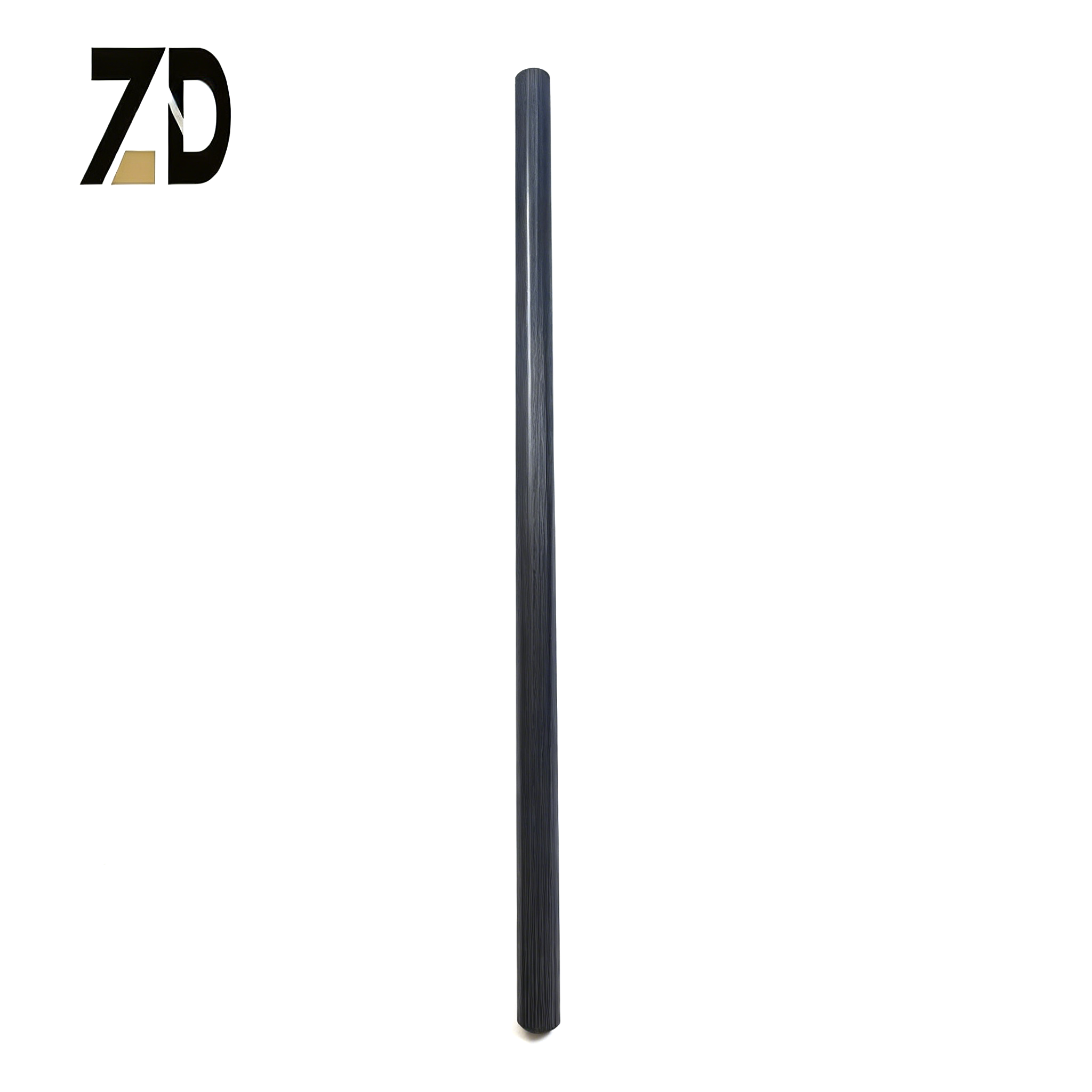
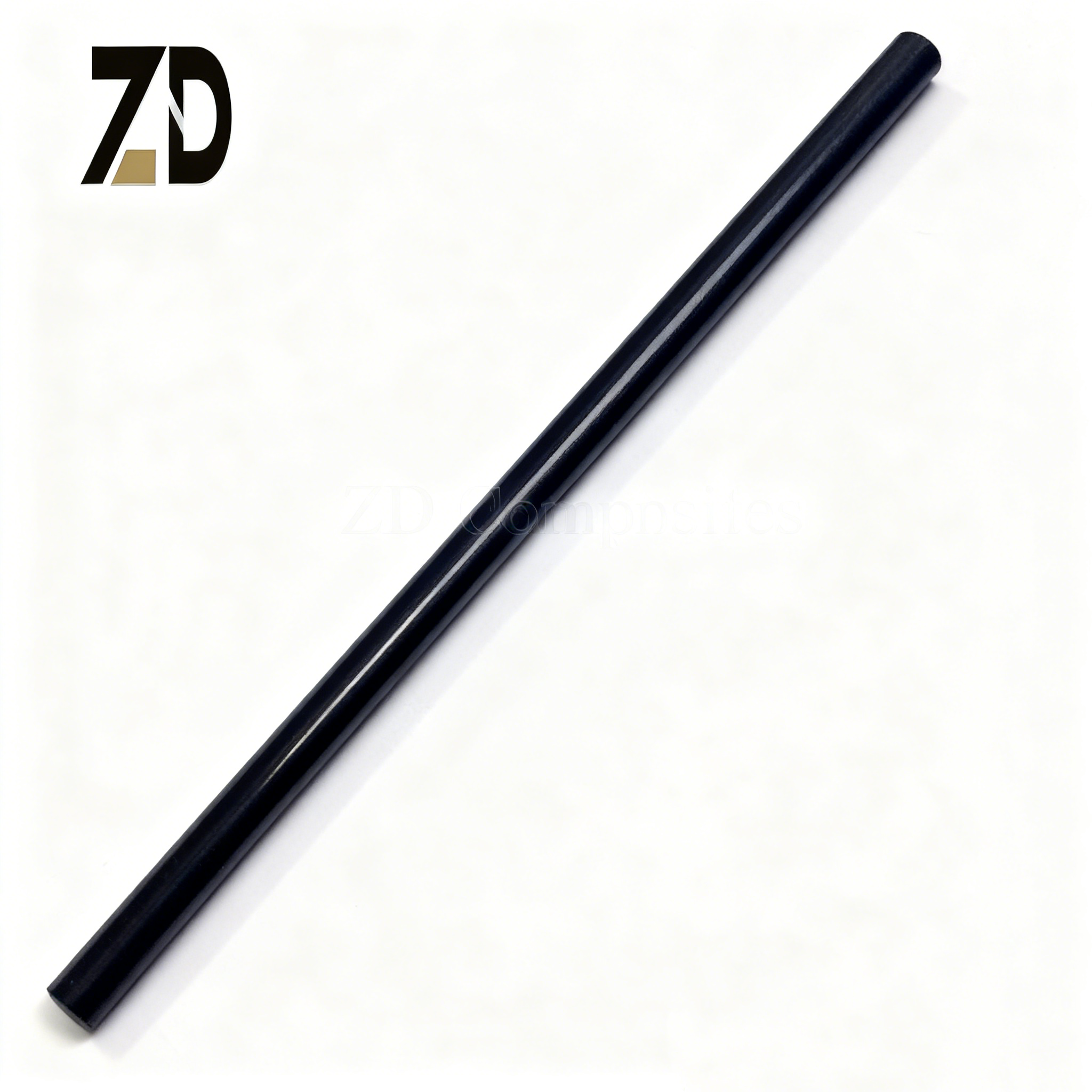
vinyl resin fiberglass pole
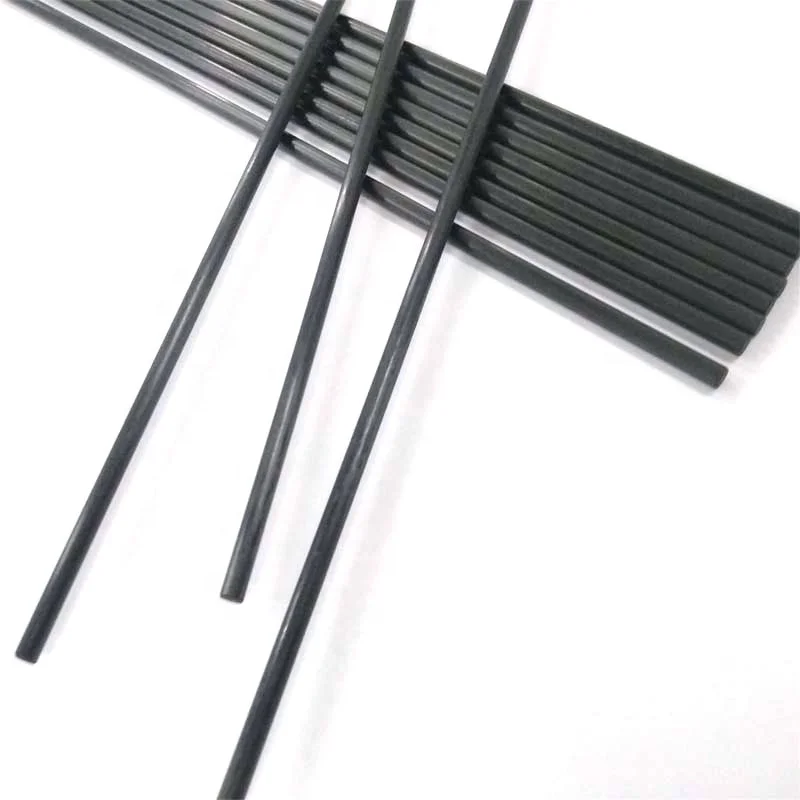
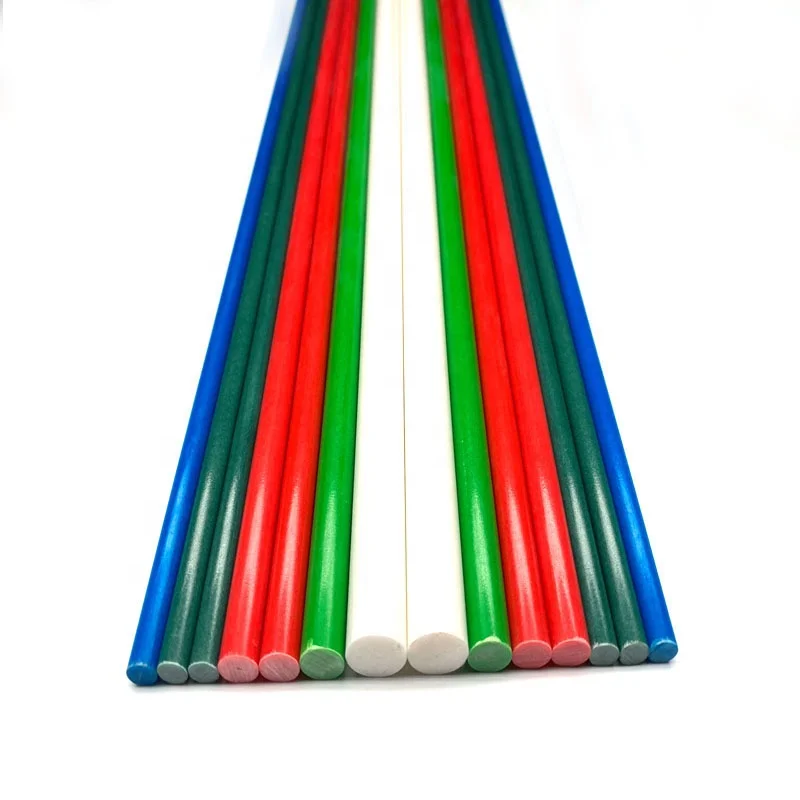
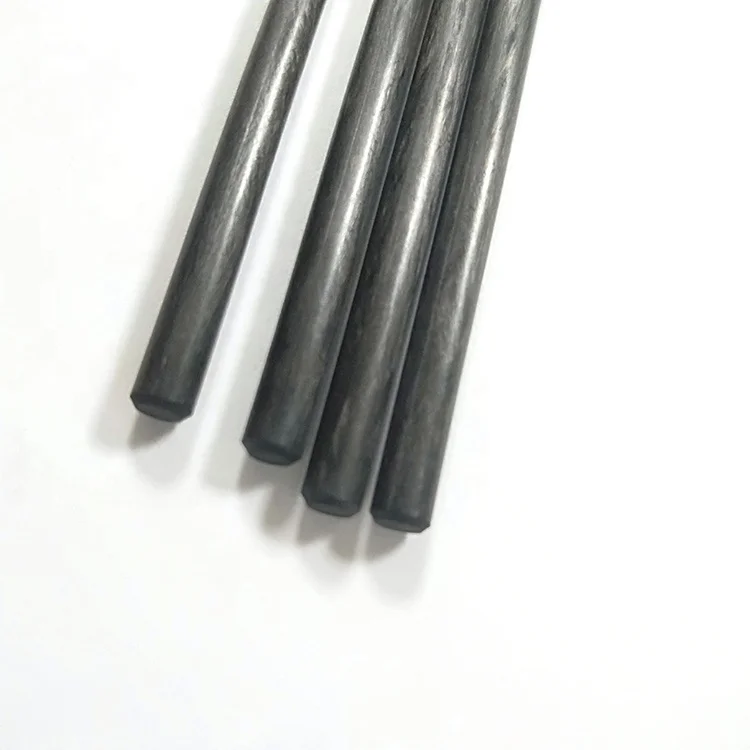
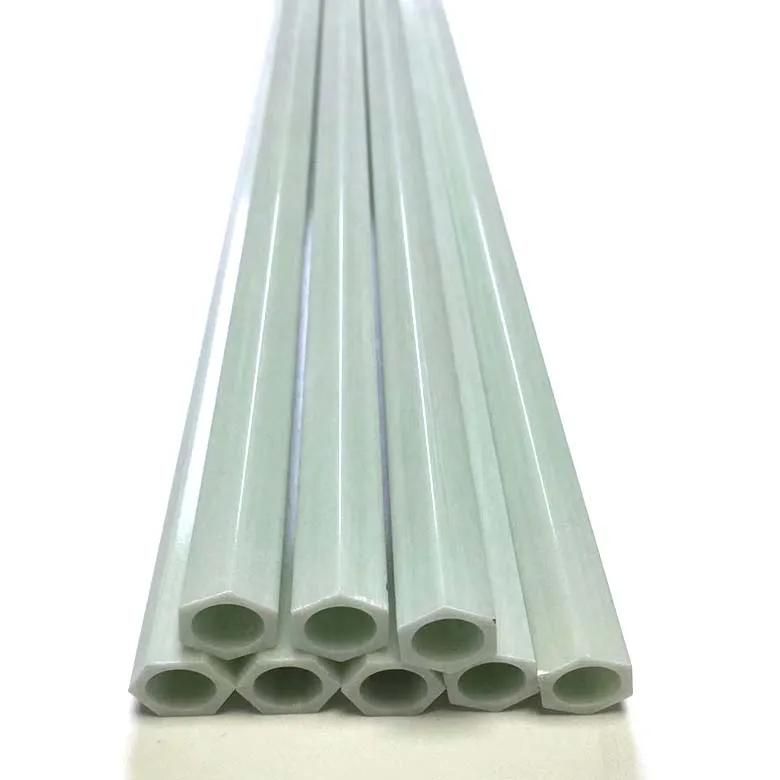
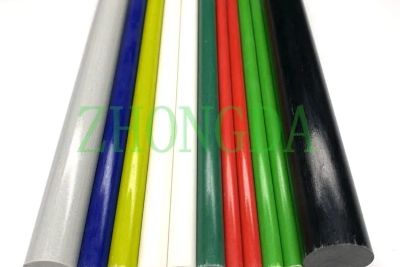
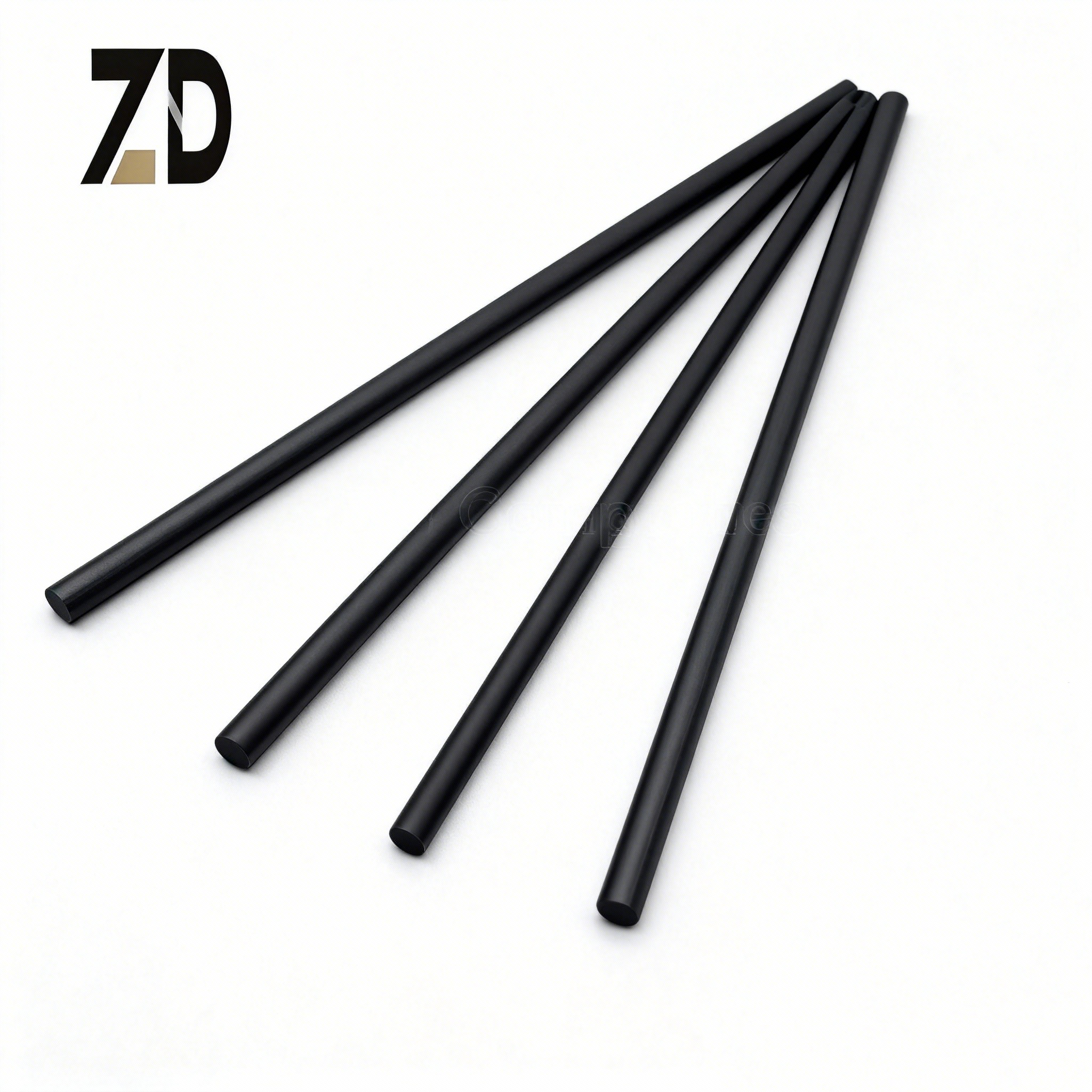
The vinyl resin fiberglass pole represents a revolutionary advancement in composite pole technology, combining the exceptional strength of fiberglass with the superior chemical resistance of vinyl resin matrix systems. This innovative construction method creates poles that deliver outstanding performance across diverse industrial, commercial, and residential applications. The vinyl resin fiberglass pole utilizes a sophisticated manufacturing process where high-strength glass fibers are impregnated with specially formulated vinyl ester resins, resulting in a composite structure that exhibits remarkable durability and longevity. The primary function of these poles centers on providing reliable structural support while maintaining resistance to environmental challenges that typically compromise traditional materials. The technological foundation of the vinyl resin fiberglass pole incorporates advanced pultrusion or filament winding techniques, ensuring consistent fiber orientation and optimal resin distribution throughout the pole structure. This manufacturing approach produces poles with exceptional mechanical properties, including high tensile strength, excellent flexural characteristics, and superior impact resistance. The vinyl resin component provides enhanced protection against corrosive chemicals, ultraviolet radiation, and moisture penetration, making these poles ideal for harsh environmental conditions. Applications for vinyl resin fiberglass poles span numerous industries, including telecommunications infrastructure, electrical utility systems, lighting installations, flagpole applications, and architectural support structures. The poles demonstrate particular effectiveness in marine environments, chemical processing facilities, and outdoor installations where traditional materials like steel or wood would deteriorate rapidly. The lightweight nature of the vinyl resin fiberglass pole significantly reduces installation costs and complexity while maintaining structural integrity equivalent to heavier alternatives. These poles offer dimensional stability across temperature fluctuations, ensuring consistent performance in extreme weather conditions from arctic cold to desert heat.
 ×
×

 EN
EN