EN
EN



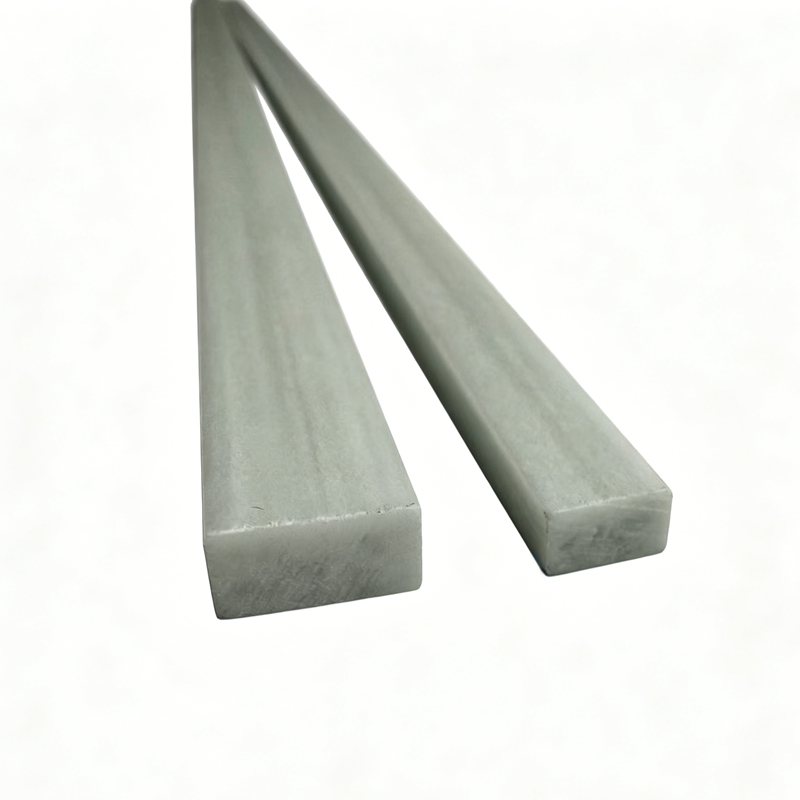
The Role and Characteristics of Fiberglass Sail Skeletons
The core function of fiberglass sail skeletons is to provide a lightweight yet high-strength support structure for massive sails, enabling them to withstand extreme wind fatigue and marine corrosion at sea
- Overview
- Recommended Products
Its greatest advantage is that it significantly reduces hull weight while maintaining structural strength, thereby effectively reducing fuel consumption and carbon emissions.
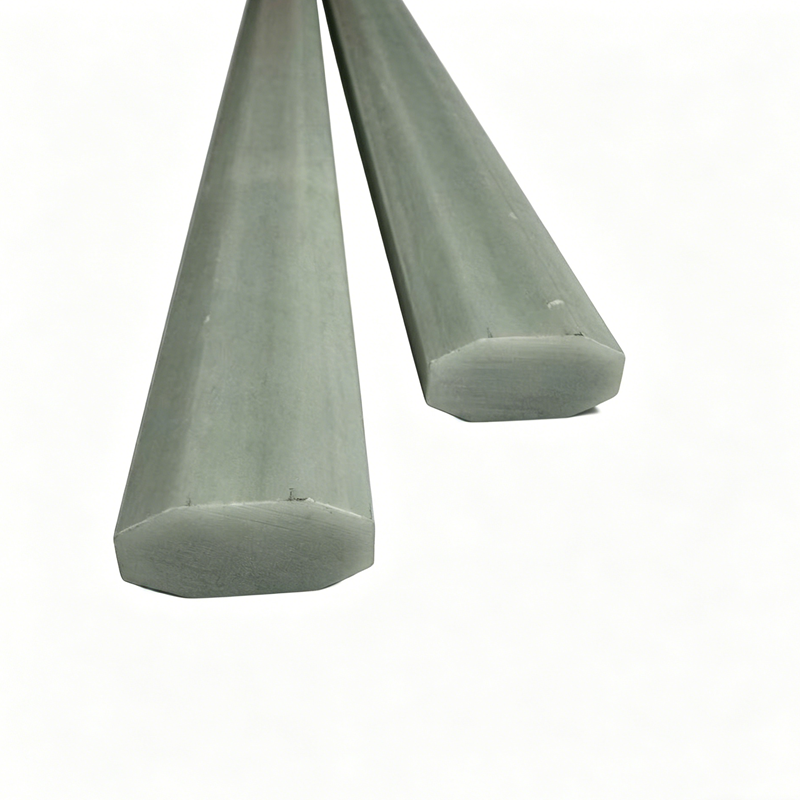
Bearing Complex Loads and Fatigue Stress: Sails at sea must withstand pressure coefficients exceeding level 10, and rotating components (such as rotary sails) undergo billions of rotations during their service life, generating fatigue loads far exceeding those of wind turbine blades. The primary role of the fiberglass skeleton is to act as a "skeleton" to withstand these high-intensity, high-frequency dynamic loads, ensuring a service life of over 25 years.
Providing Aerodynamic Shape Support: For airfoil sails, the skeleton structure (such as ribs and main spars) supports the skin, precisely maintaining the sail's streamlined curved surface. This design utilizes the pressure difference generated by airflow on both sides of the curved surface to provide efficient thrust for the ship.
Auxiliary Energy Saving and Emission Reduction: By installing lightweight fiberglass sails on ships, wind energy can be directly utilized. Data shows that large ore carriers equipped with this type of sail can reduce energy consumption by 6% and carbon emissions by an average of 3,000 tons per year; in some designs, the theoretical emission reduction effect can even reach 30%.
Key Features:
Lightweight and High-Strength, Significant Weight Reduction: Compared to traditional steel-structured sails, fiberglass composite materials can reduce weight by more than 35%. This not only reduces the load-bearing requirements of the ship's motion mechanism and mast but also optimizes the empty ship weight, making navigation more economical in calm conditions.
Excellent Fatigue Resistance and Corrosion Resistance: Fiberglass-reinforced epoxy resin has excellent fatigue resistance, perfectly adapting to the harsh conditions of continuous sail rotation or flutter. Simultaneously, it is inherently resistant to seawater corrosion, eliminating the need for complex rust prevention treatments like steel, resulting in lower maintenance costs.
Flexible Design, Integrated Molding: Fiberglass skeletons are mostly manufactured using processes such as pultrusion, winding, or vacuum infusion. These processes allow for the integrated molding of complex structures such as ribs and main beams, reducing the number of connectors and ensuring product consistency and structural stability.
Good designability: By incorporating carbon fiber into the structure or adding reinforcing ribs, reinforcement can be applied to specific stress areas (such as the main beam), balancing cost and performance.
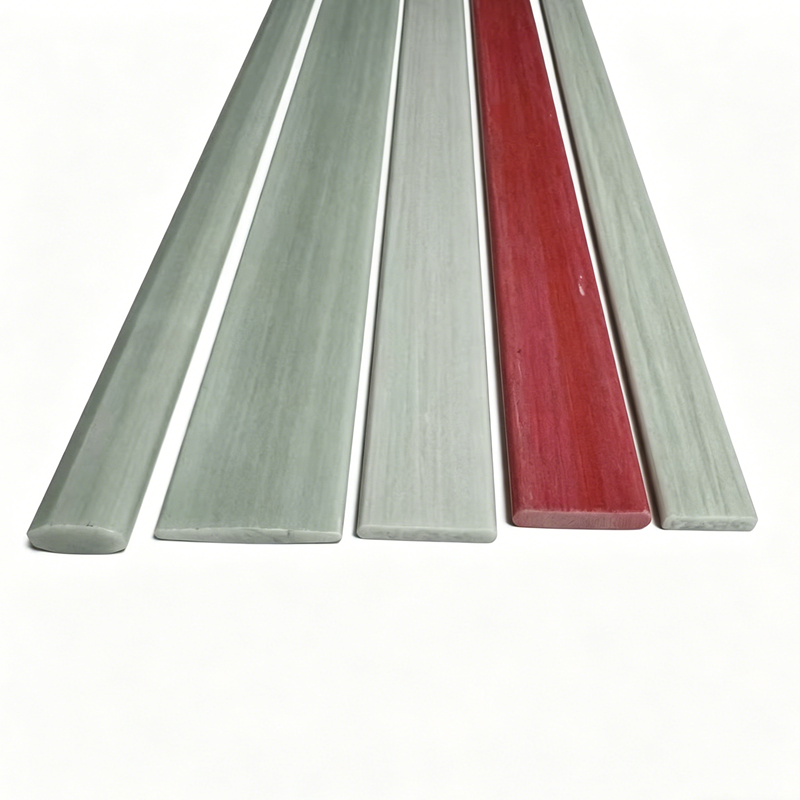
Currently, the application of fiberglass in sail frames mainly takes two forms:
Rotor sails:These primarily utilize fiberglass skin as the rotating cylinder, generating thrust through the Magnus effect.
Airfoil sails (rigid sails): These use fiberglass to create the internal ribs and beams, covered by an external skin, forming a cross-section similar to an aircraft wing to generate lift.