
 EN
EN


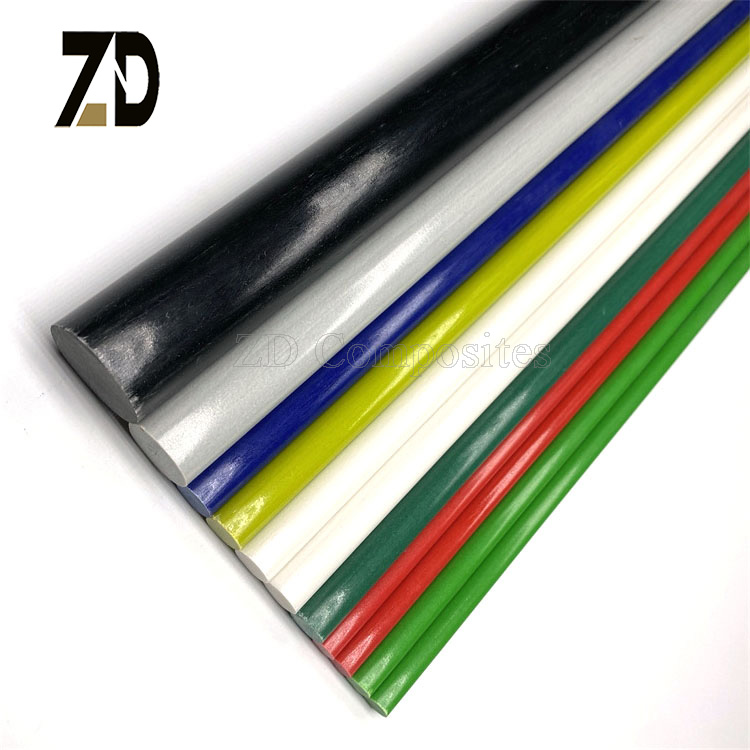
Modern agriculture and landscaping applications demand durable, reliable support systems that can withstand harsh environmental conditions while maintaining structural integrity over extended periods. Traditional wooden and metal stakes have dominated the market for decades, but increasingly, professionals are discovering the superior performance characteristics of advanced composite materials. A fiberglass stake represents the next generation of support technology, offering unprecedented durability, weather resistance, and cost-effectiveness that surpasses conventional alternatives in virtually every measurable category.
The evolution of agricultural support systems reflects broader technological advances in materials science and manufacturing processes. While traditional materials continue to serve basic functions, the limitations of wood and metal become increasingly apparent when evaluated against modern performance standards. Agricultural professionals, landscaping contractors, and property managers are recognizing that initial material costs represent only a fraction of total ownership expenses, making the superior longevity and performance of composite materials an economically compelling choice.
Material Composition and Manufacturing Excellence
Advanced Composite Engineering
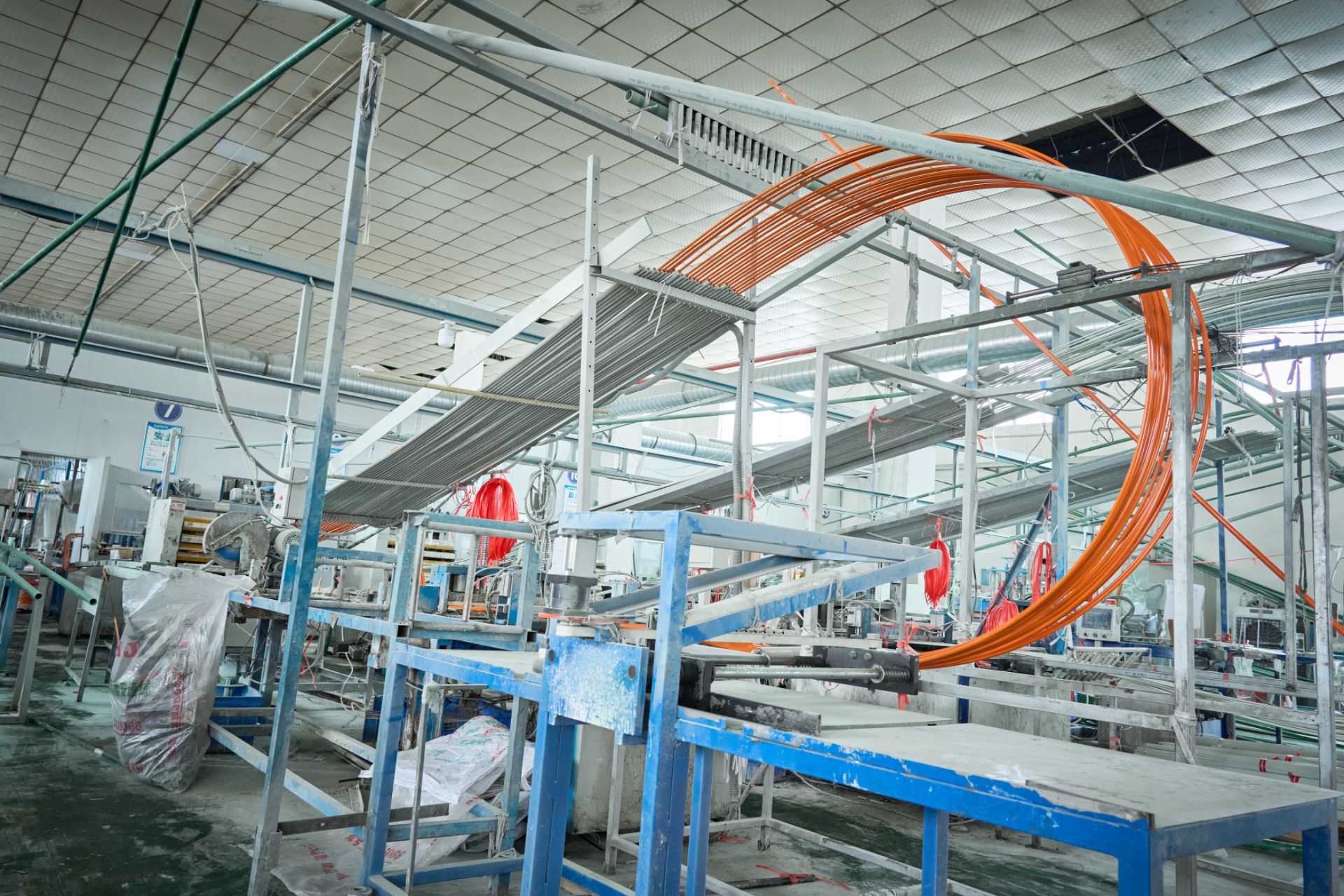
The manufacturing process behind each fiberglass stake involves sophisticated pultrusion technology that creates a uniform, high-strength composite material. This process combines continuous glass fibers with thermoset resins, resulting in a product that exhibits exceptional strength-to-weight ratios while maintaining dimensional stability across temperature variations. The pultrusion method ensures consistent fiber orientation and resin distribution, eliminating the structural weaknesses commonly found in traditional materials.
Unlike wooden stakes that contain natural variations in grain structure and density, or metal stakes that may suffer from inconsistent metallurgy, fiberglass composite materials provide predictable performance characteristics. The controlled manufacturing environment eliminates defects such as knots, splits, or metallurgical inconsistencies that can compromise structural integrity. This consistency translates directly into reliable field performance and reduced failure rates.
Quality Control and Standardization
Modern fiberglass stake production facilities implement rigorous quality control protocols that ensure every product meets precise specifications. Automated manufacturing processes monitor fiber content, resin cure rates, and dimensional tolerances throughout production. This level of control is impossible to achieve with natural materials like wood, where inherent variability creates unpredictable performance characteristics.
The standardization possible with composite materials enables engineers and contractors to specify exact performance parameters with confidence. Each fiberglass stake exhibits identical mechanical properties, eliminating the guesswork associated with natural material variations. This predictability proves invaluable in critical applications where consistent performance directly impacts project success and safety margins.
Superior Durability and Longevity Performance
Weather Resistance Capabilities
Environmental exposure represents the primary challenge facing any outdoor support system, and this is where fiberglass technology demonstrates its most significant advantages. A properly manufactured fiberglass stake exhibits exceptional resistance to ultraviolet radiation, moisture absorption, and temperature cycling. The composite structure prevents the degradation mechanisms that rapidly compromise wooden and metal alternatives.
Wooden stakes suffer from moisture-related deterioration including rot, fungal growth, and dimensional instability. Metal stakes corrode when exposed to moisture and soil chemicals, leading to structural weakening and eventual failure. Fiberglass composite materials remain chemically inert in most environments, maintaining their structural properties throughout decades of service life without requiring protective treatments or maintenance interventions.
Mechanical Strength Retention
The mechanical properties of a fiberglass stake remain stable throughout its service life, unlike traditional materials that experience progressive deterioration. Wooden stakes lose strength as moisture content varies and cellular structure degrades. Metal stakes may suffer from fatigue cracking, corrosion-induced section loss, and temperature-related dimensional changes that compromise structural integrity.
Composite materials maintain their original strength characteristics because the fiber reinforcement provides continuous load paths that remain unaffected by environmental exposure. The resin matrix protects individual fibers from damage while distributing loads evenly throughout the cross-section. This results in predictable long-term performance that enables confident design calculations and extended service intervals.
Economic Advantages and Cost Analysis
Total Cost of Ownership
While the initial purchase price of a fiberglass stake may exceed that of wooden or basic metal alternatives, comprehensive cost analysis reveals significant economic advantages over the product lifecycle. Traditional materials require frequent replacement due to deterioration, resulting in recurring material, labor, and disposal costs that quickly accumulate. The extended service life of composite materials eliminates these recurring expenses while providing superior performance throughout the operational period.
Installation labor costs remain comparable across material types, but the reduced replacement frequency of fiberglass stakes significantly decreases long-term labor requirements. Property managers and agricultural operators can allocate maintenance resources to other priorities rather than repeatedly replacing deteriorated support systems. This operational efficiency translates directly into improved profitability and resource utilization.
Maintenance and Replacement Cycles
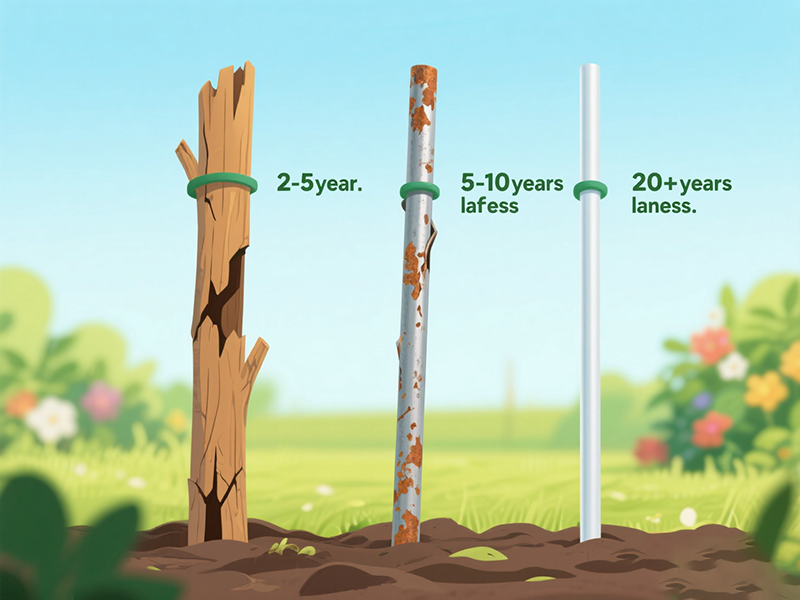
Traditional wooden stakes typically require replacement every two to five years depending on environmental conditions and treatment levels. Metal stakes may last longer but often suffer from localized corrosion that necessitates premature replacement or supplemental support measures. A high-quality fiberglass stake can provide reliable service for decades without maintenance, dramatically extending replacement cycles and reducing operational disruption.
The elimination of maintenance requirements also reduces liability exposure and safety concerns associated with inspecting and replacing deteriorated support systems. Property managers can implement predictable replacement schedules based on actual service life data rather than responding to unexpected failures that may compromise plant health or structural stability.
Environmental Impact and Sustainability
Resource Conservation
The extended service life of composite materials contributes significantly to resource conservation and environmental sustainability. Wooden stakes consume forest resources and often require chemical treatments that introduce environmental contaminants. The production and disposal of metal stakes involves energy-intensive processes and potential soil contamination from corrosion products.
Manufacturing processes for fiberglass stakes utilize abundant raw materials and generate minimal waste streams. The durability of composite products reduces the frequency of replacement cycles, decreasing transportation requirements and disposal volumes. Over multiple service cycles, the environmental impact per year of service favors composite materials significantly.
Chemical Resistance and Soil Protection
Soil contamination represents a growing concern in agricultural and landscaping applications, particularly where metal corrosion or wood preservatives may introduce harmful substances. A properly formulated fiberglass stake remains chemically inert in soil environments, preventing the release of toxic substances that could affect plant health or groundwater quality.
The chemical resistance of composite materials also provides advantages in applications involving fertilizers, pesticides, or other agricultural chemicals that may accelerate the deterioration of traditional materials. This resistance ensures consistent performance regardless of chemical exposure while eliminating potential interactions that could compromise plant health or soil quality.
Installation and Application Versatility
Ease of Installation
The lightweight nature of fiberglass composite materials significantly simplifies handling and installation procedures compared to equivalent-strength metal alternatives. Workers can easily transport and position fiberglass stakes without specialized equipment, reducing installation time and labor costs. The consistent dimensions and surface characteristics of manufactured stakes ensure predictable installation behavior and eliminate the variations common with natural materials.
Installation techniques for fiberglass stakes parallel those used with traditional materials, requiring no specialized training or equipment. The material's resistance to splitting and cracking allows for standard installation methods while eliminating the careful handling required for brittle or structurally compromised materials. This compatibility with existing installation procedures facilitates easy adoption and reduces implementation barriers.
Application Flexibility
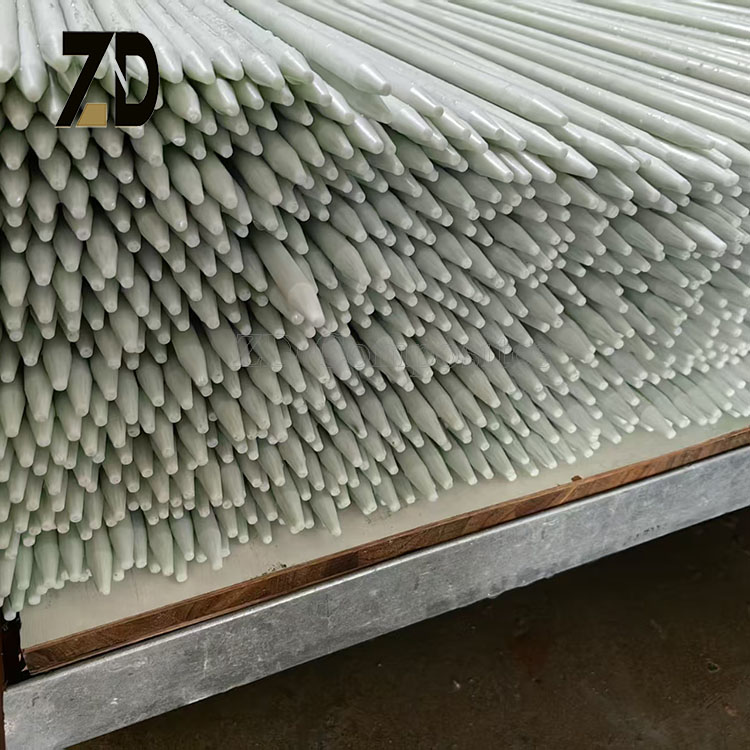
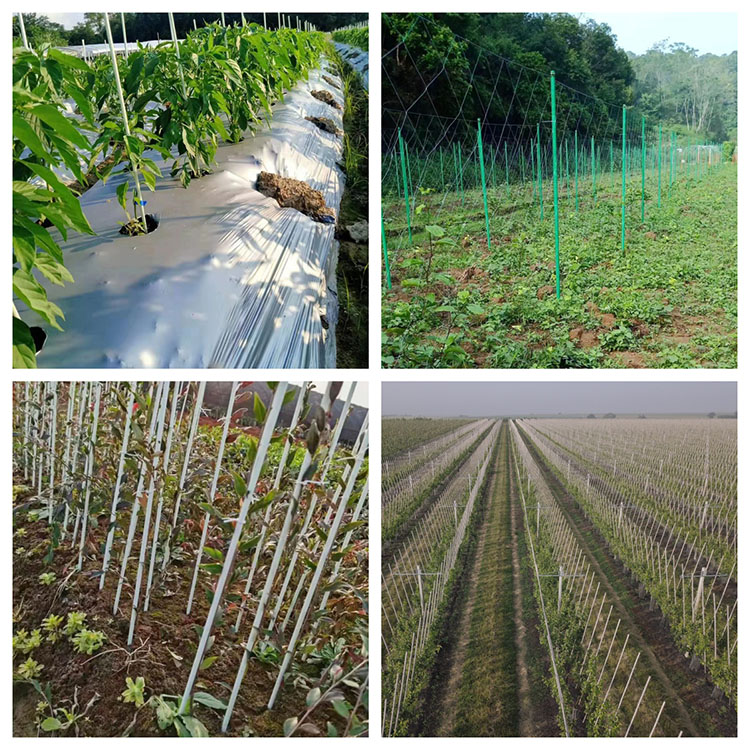
The versatility of a fiberglass stake extends across numerous applications from agriculture and horticulture to construction and landscaping. The consistent material properties enable standardized specifications across diverse applications, simplifying procurement and inventory management. Whether supporting young trees, marking boundaries, or providing temporary structural support, composite materials deliver reliable performance across varied service conditions.
Custom sizing and configuration options available with composite manufacturing processes enable optimization for specific applications. Standard wooden stakes offer limited size variations, while metal alternatives may require expensive custom fabrication. The flexibility of composite manufacturing allows cost-effective customization while maintaining the performance advantages of standardized production processes.
FAQ
How long do fiberglass stakes typically last compared to wooden alternatives?
High-quality fiberglass stakes can provide reliable service for 20-30 years or more under normal environmental conditions, compared to 2-5 years for treated wooden stakes. This extended service life results from the composite material's resistance to rot, insect damage, and weather-related deterioration that rapidly compromises wooden alternatives. The actual service life depends on specific environmental conditions and application requirements, but fiberglass consistently outperforms traditional materials by factors of five to ten times.
Are fiberglass stakes safe for use around plants and in agricultural applications?
Yes, properly manufactured fiberglass stakes are completely safe for agricultural and horticultural applications. The composite material remains chemically inert in soil environments and does not release harmful substances that could affect plant health or soil quality. Unlike treated wooden stakes that may leach preservative chemicals, or metal stakes that can introduce corrosion products, fiberglass provides a non-toxic support solution that maintains soil and plant health throughout its service life.
What are the initial cost differences between fiberglass and traditional stake materials?
While fiberglass stakes typically cost 2-3 times more than basic wooden stakes initially, the total cost of ownership strongly favors composite materials due to their extended service life. When replacement cycles, labor costs, and maintenance requirements are considered over a 10-20 year period, fiberglass stakes often prove more economical than repeatedly replacing wooden or metal alternatives. The higher initial investment is recovered through reduced maintenance and replacement costs within the first replacement cycle of traditional materials.
Can fiberglass stakes be recycled at the end of their service life?
While fiberglass composite materials present recycling challenges compared to metal alternatives, several emerging technologies enable composite recycling and reprocessing. Many manufacturers are developing take-back programs and exploring recycling options for end-of-life composite products. Additionally, the extremely long service life of fiberglass stakes means that recycling considerations occur decades in the future, allowing time for recycling technology advancement and infrastructure development.
Table of Contents
- Material Composition and Manufacturing Excellence
- Superior Durability and Longevity Performance
- Economic Advantages and Cost Analysis
- Environmental Impact and Sustainability
- Installation and Application Versatility
-
FAQ
- How long do fiberglass stakes typically last compared to wooden alternatives?
- Are fiberglass stakes safe for use around plants and in agricultural applications?
- What are the initial cost differences between fiberglass and traditional stake materials?
- Can fiberglass stakes be recycled at the end of their service life?