
 EN
EN


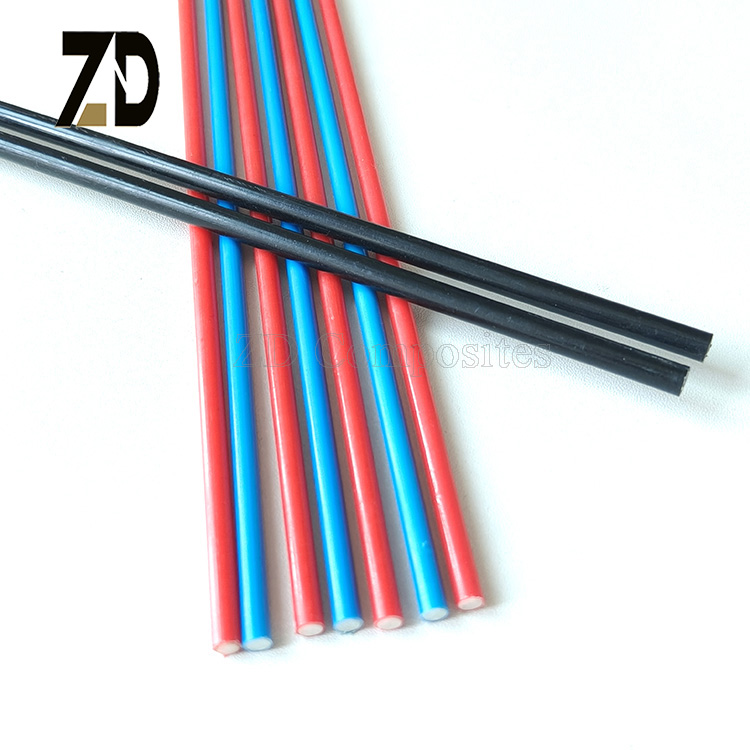
Selecting the appropriate fiberglass stake dimensions represents a critical decision that directly impacts project success across agricultural, construction, and landscaping applications. The durability and performance characteristics of these reinforcement tools depend heavily on matching stake specifications to specific environmental conditions and load requirements. Understanding the relationship between diameter, length, and material composition enables professionals to make informed purchasing decisions that optimize both cost-effectiveness and operational reliability. Modern fiberglass stake manufacturing has evolved to offer precise dimensional control, allowing project managers to specify exact measurements that align with their unique application demands.
Understanding Fiberglass Stake Diameter Requirements
Standard Diameter Classifications
The diameter of a fiberglass stake fundamentally determines its load-bearing capacity and resistance to lateral forces. Standard industry classifications typically range from 5mm to 8mm for most commercial applications, with each size category serving distinct functional purposes. Smaller diameter stakes, such as 5mm variants, excel in applications requiring flexibility and minimal soil displacement during installation. These thinner profiles prove particularly effective for temporary plant support systems and lightweight fence installations where aesthetic considerations take precedence over maximum strength requirements.
Medium diameter options, including 6mm and 7mm fiberglass stake configurations, represent the optimal balance between strength and versatility for most standard applications. These dimensions provide sufficient structural integrity to withstand moderate wind loads while maintaining the flexibility necessary for dynamic outdoor environments. Agricultural professionals frequently select these intermediate sizes for crop support systems, vineyard trellising, and temporary boundary marking applications where moderate durability expectations must be met cost-effectively.
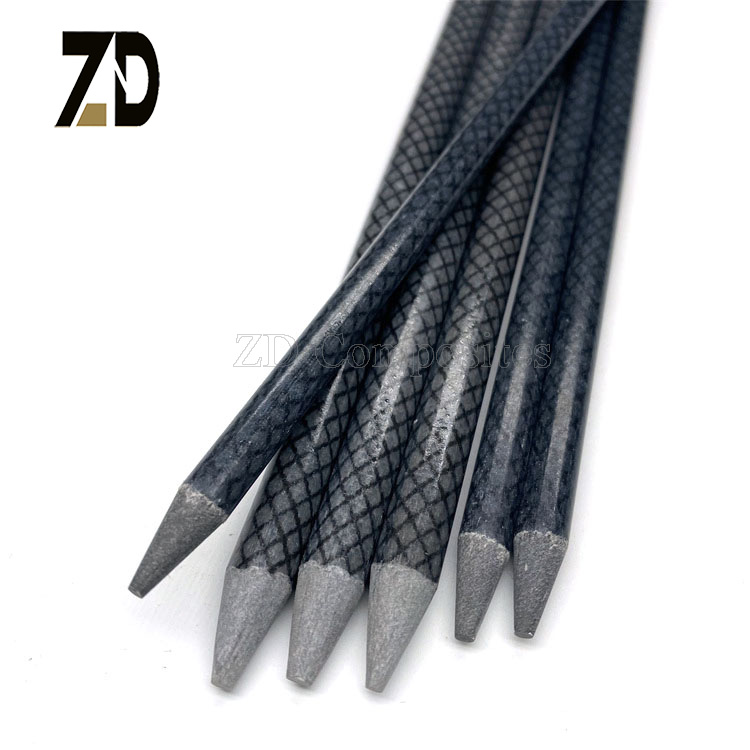
Heavy-duty applications demand the superior strength characteristics of 8mm diameter stakes, which offer maximum resistance to bending forces and environmental stresses. Construction sites, permanent landscaping installations, and industrial applications benefit from these robust dimensions when long-term reliability takes priority over initial cost considerations. The increased material cross-section provides enhanced stability in challenging soil conditions and extreme weather exposure scenarios.
Load Capacity Considerations
Calculating appropriate load capacity requirements involves analyzing both static and dynamic force expectations throughout the intended service life. Static loads include the weight of supported materials, such as plant foliage, signage, or structural elements that create consistent downward pressure on the fiberglass stake system. Dynamic loads encompass variable forces generated by wind, seismic activity, or mechanical vibrations that can create cyclical stress patterns potentially leading to material fatigue over extended periods.
Professional engineers recommend incorporating safety factors ranging from 2.0 to 4.0 when specifying diameter requirements, depending on the criticality of the supported application. Agricultural installations typically utilize lower safety factors due to the temporary nature of many crop support systems, while permanent infrastructure projects require higher margins to ensure long-term structural integrity. The relationship between diameter and load capacity follows exponential curves, meaning small increases in stake dimensions provide disproportionately large improvements in strength characteristics.
Length Selection Strategies for Optimal Performance
Ground Penetration Depth Analysis
Determining appropriate ground penetration depth requires comprehensive analysis of soil conditions, frost line considerations, and expected lateral force magnitudes. Standard installation practices recommend minimum penetration depths equal to one-third of the total fiberglass stake length for most applications, though this ratio may require adjustment based on specific environmental factors. Sandy soils typically demand deeper penetration to achieve adequate holding power, while clay-based substrates provide superior grip characteristics that may allow for reduced burial depths.
Frost line considerations become particularly important in geographic regions experiencing significant seasonal temperature variations. Stakes installed above the frost line risk displacement during freeze-thaw cycles that can compromise system integrity and require costly reinstallation procedures. Professional installers often specify additional penetration depth margins ranging from 6 to 12 inches below established frost lines to ensure year-round stability in challenging climate conditions.
Above-Ground Height Requirements
Above-ground height specifications must accommodate both immediate support requirements and anticipated growth or expansion throughout the project lifecycle. Agricultural applications frequently require height adjustments to match crop development patterns, necessitating initial stake installations that exceed immediate support needs. Vineyard installations, for example, typically specify fiberglass stake heights that accommodate multiple seasons of vine growth while providing adequate clearance for maintenance equipment operation.
Construction and landscaping projects benefit from standardized height specifications that align with common material dimensions and installation practices. Standard lumber lengths, fencing panel dimensions, and signage mounting requirements often dictate practical above-ground height ranges that optimize material utilization and minimize waste generation. Professional contractors frequently maintain inventory stocks of common lengths to reduce project lead times and simplify procurement logistics.
Material Composition and Resin Selection
Epoxy Resin Characteristics
Epoxy resin formulations provide superior mechanical properties and environmental resistance characteristics that make them ideal for demanding outdoor applications. The thermoset nature of epoxy systems creates irreversible cross-linked polymer networks that maintain structural integrity across wide temperature ranges and resist degradation from ultraviolet radiation exposure. These performance advantages make epoxy-based fiberglass stake products particularly suitable for permanent installations requiring maximum durability expectations.
The chemical resistance properties of epoxy resin systems enable reliable performance in aggressive environments containing acids, bases, or organic solvents that would rapidly degrade alternative materials. Agricultural applications involving fertilizer contact, pesticide exposure, or soil pH variations benefit significantly from epoxy's inert chemical behavior. Industrial installations near chemical processing facilities or waste treatment operations require this level of chemical compatibility to ensure acceptable service life performance.
Vinyl Resin Applications
Vinyl ester resin systems offer enhanced toughness and impact resistance characteristics that prove advantageous in applications experiencing frequent mechanical contact or abuse. The molecular structure of vinyl ester polymers provides superior crack propagation resistance compared to standard polyester formulations while maintaining cost-effectiveness relative to epoxy alternatives. These balanced properties make vinyl ester fiberglass stake products optimal for high-traffic environments where occasional impacts are anticipated throughout normal service conditions.
Corrosion resistance capabilities of vinyl ester systems exceed those of traditional materials in marine environments or applications involving salt spray exposure. Coastal agricultural operations, seaside landscaping projects, and marine construction activities benefit from vinyl ester's ability to maintain structural properties despite continuous moisture and chloride exposure. The combination of mechanical toughness and corrosion resistance creates a compelling value proposition for challenging environmental applications.
Installation Considerations and Best Practices
Soil Preparation Techniques
Proper soil preparation significantly influences both installation efficiency and long-term fiberglass stake performance characteristics. Pre-drilling pilot holes using appropriately sized auger bits reduces installation forces while minimizing risk of stake damage during driving operations. The pilot hole diameter should typically measure 75% to 85% of the stake diameter to ensure adequate soil contact while preventing excessive installation resistance that could cause material failure.
Soil compaction around installed stakes enhances holding power and reduces settlement over time, particularly in loose or disturbed soil conditions. Manual tamping or mechanical compaction equipment can be employed to achieve optimal soil density around the stake perimeter. Professional installers often specify backfill materials with improved drainage characteristics to prevent water accumulation that could compromise soil stability during seasonal wet periods.
Installation Tool Selection
Selecting appropriate installation tools directly impacts both productivity and fiberglass stake integrity during placement operations. Pneumatic or hydraulic driving equipment provides consistent force application that minimizes stress concentrations and reduces operator fatigue compared to manual installation methods. These powered systems also enable precise depth control that ensures uniform installation quality across large project areas.
Manual installation techniques require specialized driving caps or protective sleeves to distribute impact forces evenly across the stake head and prevent material damage during hammer strikes. The use of dead-blow hammers or sledgehammers with appropriate weight ratings ensures efficient energy transfer while minimizing rebound forces that could cause operator injury. Professional installation crews often maintain multiple hammer weights to optimize striking force for different soil conditions and stake dimensions.
Environmental Performance and Durability Factors
UV Resistance and Weather Protection
Ultraviolet radiation exposure represents one of the primary degradation mechanisms affecting long-term fiberglass stake performance in outdoor applications. Modern manufacturing processes incorporate UV stabilizer additives and protective gel coat systems that significantly extend service life compared to untreated alternatives. These protective measures maintain structural integrity and aesthetic appearance throughout extended exposure periods while preserving the material's inherent strength characteristics.
Temperature cycling effects can create thermal stress patterns that may lead to micro-crack formation and gradual strength reduction over multiple seasonal cycles. High-quality fiberglass stake products utilize resin formulations and fiber orientations specifically designed to accommodate thermal expansion and contraction without compromising structural integrity. Professional specifiers often review temperature range data when selecting stakes for extreme climate applications to ensure adequate performance margins throughout anticipated service conditions.
Chemical Compatibility Assessment
Evaluating chemical compatibility requirements becomes particularly important in agricultural applications involving fertilizer contact, pesticide exposure, or soil amendment interactions. Different resin systems exhibit varying resistance levels to specific chemical families, making material selection critical for applications involving known chemical exposures. Comprehensive chemical resistance charts provided by manufacturers enable informed selection decisions based on anticipated exposure scenarios.
Long-term chemical exposure testing data provides valuable insights into expected service life under various environmental conditions. Laboratory accelerated aging studies simulate years of field exposure in compressed timeframes, allowing engineers to predict performance degradation rates and establish appropriate replacement schedules. This data proves particularly valuable for critical applications where unexpected failures could result in significant economic or safety consequences.
Cost-Effectiveness Analysis and Project Economics
Initial Investment Considerations
Analyzing initial investment requirements involves comparing fiberglass stake costs against alternative materials while considering performance differentials and installation complexity factors. While fiberglass products typically command premium pricing compared to wood or steel alternatives, their superior durability and maintenance characteristics often provide favorable total cost of ownership calculations over extended service periods. Professional procurement specialists frequently develop life-cycle cost models that account for replacement frequencies, maintenance requirements, and disposal costs when evaluating material alternatives.
Volume purchasing strategies can significantly reduce per-unit costs while ensuring adequate inventory availability for large projects or ongoing operations. Many manufacturers offer quantity discounts that make fiberglass stake procurement more competitive with traditional materials when orders exceed minimum threshold quantities. Coordinating purchases across multiple project phases or combining requirements with other organizations can unlock additional cost savings opportunities.
Long-Term Value Proposition
The extended service life characteristics of properly specified fiberglass stake systems create compelling value propositions that often offset higher initial costs through reduced replacement and maintenance expenses. Unlike wood stakes that may require replacement every few seasons due to rot or insect damage, quality fiberglass products can provide decades of reliable service with minimal maintenance requirements. This longevity advantage becomes particularly significant in applications where replacement costs include not only material expenses but also labor, equipment, and potential crop or operation disruption impacts.
Environmental sustainability considerations increasingly influence material selection decisions as organizations seek to reduce their ecological footprint and demonstrate responsible resource management practices. Fiberglass stake products offer excellent sustainability profiles due to their extended service life, recyclability potential, and reduced need for chemical treatments compared to wood alternatives. These environmental advantages often align with corporate sustainability goals and may qualify projects for green building certifications or environmental incentive programs.
FAQ
What diameter fiberglass stake should I choose for agricultural applications
For most agricultural applications, 6mm to 7mm diameter fiberglass stake options provide the optimal balance between strength and cost-effectiveness. Lightweight crop support systems can utilize 5mm diameters, while heavy-duty applications such as vineyard trellising or large plant support may require 8mm diameters. Consider the expected wind loads, plant weight, and installation soil conditions when making the final diameter selection to ensure adequate performance margins throughout the growing season.
How deep should I install fiberglass stakes for maximum stability
Standard installation practices recommend burying at least one-third of the total fiberglass stake length below ground level, with deeper penetration required in sandy soils or high-wind environments. Always install stakes below the local frost line to prevent displacement during freeze-thaw cycles, typically adding 6 to 12 inches of additional depth in cold climate regions. Pre-drilling pilot holes can improve installation efficiency while ensuring proper depth achievement without damaging the stake during driving operations.
Which resin type performs better in harsh weather conditions
Epoxy resin fiberglass stake products generally provide superior long-term weather resistance and UV stability compared to vinyl ester or polyester alternatives, making them ideal for permanent outdoor installations. Vinyl ester formulations offer enhanced impact resistance and may be preferable in applications experiencing frequent mechanical contact or abuse. Both resin systems significantly outperform traditional materials in terms of moisture resistance, chemical compatibility, and temperature stability across normal outdoor exposure ranges.
Can I cut fiberglass stakes to custom lengths for my specific project
Yes, fiberglass stake products can be cut to custom lengths using standard cutting tools such as hack saws, circular saws with abrasive blades, or angle grinders equipped with cut-off wheels. Always wear appropriate personal protective equipment including eye protection and dust masks when cutting to avoid inhaling glass fibers. Seal cut ends with appropriate primer or sealant if the application requires maximum weather resistance, and consider ordering custom lengths directly from manufacturers for large quantities to ensure optimal cost-effectiveness and consistency.