
 EN
EN


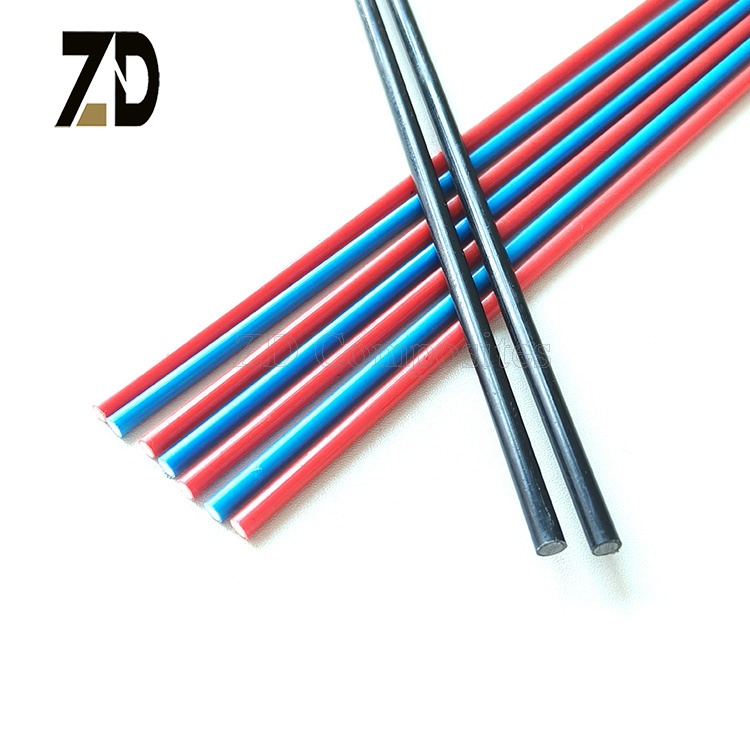
Modern gardening and agricultural operations demand durable, reliable support systems that can withstand harsh weather conditions while providing long-term value. The fiberglass stake has emerged as a superior alternative to traditional wooden and metal stakes, offering exceptional strength, weather resistance, and versatility across diverse applications. Whether you're supporting tomato plants in your backyard garden or securing protective netting in commercial agricultural operations, selecting the appropriate fiberglass stake specifications ensures optimal performance and longevity for your specific requirements.
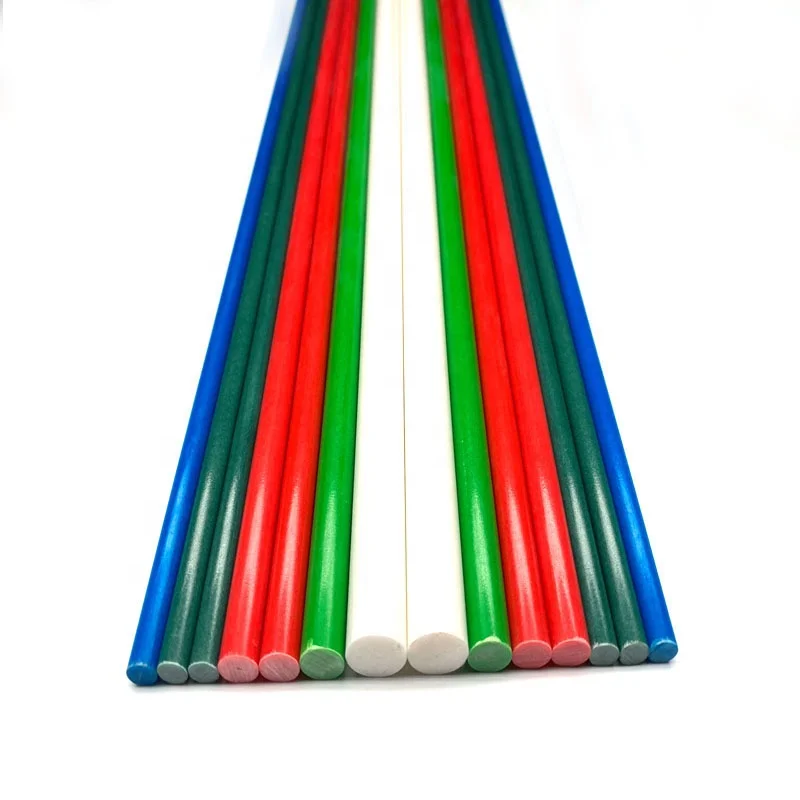
Understanding the various dimensions, materials, and design characteristics of fiberglass stakes enables informed decision-making that maximizes both initial investment and long-term operational efficiency. The pultrusion manufacturing process creates consistent, high-quality products that deliver reliable performance across residential gardening, commercial horticulture, and large-scale agricultural environments. Professional growers and home gardeners alike benefit from understanding how different fiberglass stake configurations align with specific plant types, soil conditions, and environmental challenges.
Understanding Fiberglass Stake Construction and Materials
Pultrusion Manufacturing Process Benefits
The pultrusion process creates fiberglass stakes with uniform cross-sections and consistent mechanical properties throughout their entire length. This manufacturing method combines continuous glass fibers with thermosetting resins, resulting in products that maintain structural integrity under varying load conditions. Unlike traditional manufacturing approaches, pultrusion ensures that each fiberglass stake exhibits predictable strength characteristics, eliminating weak points that commonly develop in alternative materials during extended outdoor exposure.
Quality control measures throughout the pultrusion process guarantee that dimensional tolerances remain within acceptable ranges, ensuring reliable fit and function in standard mounting hardware and support systems. The continuous fiber reinforcement pattern provides superior tensile strength compared to chopped fiber alternatives, making these stakes suitable for applications requiring sustained load-bearing capacity. Professional agricultural operations particularly benefit from this consistency, as uniform performance across large installations reduces maintenance requirements and replacement costs.
Epoxy versus Vinyl Resin Matrix Systems
Epoxy resin matrix systems offer superior chemical resistance and enhanced durability in harsh environmental conditions, making them ideal for applications involving exposure to fertilizers, pesticides, and soil amendments. The cross-linked polymer structure provides excellent moisture resistance while maintaining dimensional stability across wide temperature ranges. Epoxy-based fiberglass stakes demonstrate exceptional longevity in commercial greenhouse operations where humidity levels and chemical exposure present challenges for alternative materials.
Vinyl resin formulations provide cost-effective solutions for standard gardening applications while maintaining adequate performance characteristics for typical residential use. These matrix systems offer good weather resistance and UV stability, ensuring that the fiberglass stake maintains its structural properties throughout multiple growing seasons. The selection between epoxy and vinyl resin systems depends on specific application requirements, environmental conditions, and budget considerations for both initial purchase and long-term replacement cycles.
Diameter Specifications and Load-Bearing Considerations
Small Diameter Stakes for Lightweight Applications
Five and six millimeter diameter fiberglass stake options provide excellent support for lightweight plants, seedlings, and decorative garden applications where minimal visual impact is desired. These smaller profiles offer sufficient strength for supporting herb gardens, flower beds, and young vegetable plants during their establishment phase. The reduced diameter makes installation easier in dense planting arrangements while providing adequate wind resistance for most residential gardening situations.
Installation depth requirements for smaller diameter stakes typically range from 12 to 18 inches, depending on soil conditions and expected wind loads. The lower material volume makes these options cost-effective for large-scale plantings where numerous support points are required. Garden centers and landscape contractors frequently specify these dimensions for annual flower displays and seasonal vegetable gardens where replacement cycles align with natural growing patterns.
Medium and Large Diameter Stakes for Heavy-Duty Support
Seven and eight millimeter diameter fiberglass stakes provide enhanced load-bearing capacity for larger plants, fruit trees, and applications requiring extended service life under challenging conditions. These robust profiles support mature tomato plants, climbing vegetables, and ornamental shrubs that generate significant wind loads during peak growing seasons. Commercial greenhouse operations often specify these heavier-duty options for long-term installations where replacement costs significantly impact operational efficiency.
The increased cross-sectional area provides higher moment of inertia, reducing deflection under lateral loads while maintaining the lightweight characteristics that simplify handling and installation. Agricultural netting support systems particularly benefit from these larger diameters, as the enhanced stiffness minimizes sagging between support points. Professional growers calculate the optimal spacing based on the specific fiberglass stake diameter and expected load conditions to achieve desired performance levels.
Application-Specific Selection Guidelines
Residential Garden and Landscape Applications
Home gardeners require fiberglass stake solutions that balance performance, aesthetics, and cost-effectiveness for typical backyard growing conditions. Vegetable gardens benefit from 6mm to 7mm diameter stakes that provide adequate support for tomatoes, peppers, and climbing beans while remaining inconspicuous within the garden design. The neutral color and smooth surface finish integrate seamlessly with natural garden environments, avoiding the visual distraction associated with brightly colored alternatives.
Perennial flower beds and ornamental plantings often require long-term support solutions that maintain their appearance and functionality across multiple seasons. Fiberglass stakes eliminate concerns about rot, rust, and degradation that affect traditional materials, ensuring consistent support for established plantings. The non-conductive properties provide safety advantages in areas where electrical garden lighting or irrigation systems create potential hazards with metal alternatives.
Commercial Agriculture and Greenhouse Operations
Large-scale agricultural operations demand fiberglass stake solutions that deliver consistent performance across extensive installations while minimizing long-term maintenance requirements. Commercial tomato production frequently utilizes 7mm to 8mm diameter stakes capable of supporting fully loaded plants throughout extended growing seasons. The chemical resistance properties ensure compatibility with standard fertilizer and pest control programs without degradation concerns.
Greenhouse environments present unique challenges including high humidity, temperature fluctuations, and exposure to cleaning chemicals that can compromise alternative materials. Fiberglass stakes maintain their structural properties and appearance under these demanding conditions, reducing replacement frequency and associated labor costs. The lightweight characteristics simplify installation and reconfiguration as crop rotations and seasonal changes require adjustments to support systems.
Installation Techniques and Best Practices
Proper Depth and Spacing Calculations
Successful fiberglass stake installation requires careful consideration of soil conditions, expected loads, and environmental factors that influence stability requirements. General guidelines recommend installation depths equal to 25-30% of the total stake length for standard applications, with adjustments based on soil density and drainage characteristics. Clay soils provide enhanced holding power but may require pre-drilling to prevent damage during installation, while sandy conditions may necessitate increased depth or additional anchoring methods.
Spacing between individual fiberglass stakes depends on the supported structure's characteristics and expected load distribution patterns. Row crop applications typically utilize 4 to 8 feet spacing for netting support, while individual plant support may require stakes positioned within 6 to 12 inches of the plant base. Professional installers often conduct pull-out tests in representative soil conditions to verify that the installation method provides adequate holding capacity for the intended application.
Connection Methods and Hardware Compatibility
Standard attachment methods for fiberglass stakes include zip ties, wire clips, and specialized clamps designed for round profiles. The smooth surface finish ensures that ties and clips slide easily during installation while maintaining secure attachment throughout the service period. Avoid over-tightening connection hardware, as excessive compression can create stress concentrations that reduce the effective strength of the fiberglass stake under dynamic loading conditions.
Wire and string materials should be selected based on UV resistance and compatibility with the supported plants to prevent damage from abrasion or chemical interactions. Soft ties work well for tender plants, while more robust connection methods may be necessary for heavy fruit loads or high wind conditions. Regular inspection of connection points ensures that loosening or wear does not compromise the support system's effectiveness during critical growth periods.
Maintenance and Longevity Considerations
Seasonal Care and Inspection Requirements
Routine maintenance for fiberglass stakes involves minimal effort compared to traditional materials, but periodic inspection ensures optimal performance throughout extended service periods. Visual examination should identify any surface damage, connection point wear, or soil erosion that might compromise stability. The non-degrading nature of quality fiberglass stakes means that most maintenance focuses on the attachment hardware and surrounding soil conditions rather than the stake itself.
Seasonal cleaning removes accumulated debris and allows for detailed inspection of the entire installation. Simple washing with water removes soil and organic matter, while stubborn deposits may require mild detergent solutions. Avoid abrasive cleaning methods that could damage the surface finish or create stress concentration points that reduce long-term durability. Professional agricultural operations often incorporate fiberglass stake inspection into regular crop maintenance schedules to identify potential issues before they impact plant health.
Storage and Reuse Practices
Proper storage techniques extend the useful life of fiberglass stakes across multiple growing seasons or applications. Clean stakes should be stored in a dry location away from direct sunlight to minimize UV exposure during non-use periods. Horizontal storage with adequate support prevents bending or warping that could affect performance when reinstalled. Bundle similar lengths together using soft ties to prevent scratching or surface damage during handling.
The reusable nature of quality fiberglass stakes provides significant economic advantages for operations that reconfigure support systems seasonally or move installations between different growing areas. Careful handling during removal preserves the original dimensions and surface finish, ensuring that performance characteristics remain unchanged through multiple use cycles. Inventory tracking systems help agricultural operations optimize their stake investments by matching available inventory to upcoming planting requirements.
Cost Analysis and Return on Investment
Initial Purchase Price versus Long-Term Value
While fiberglass stakes typically require higher initial investment compared to wooden alternatives, the extended service life and reduced maintenance requirements often result in lower total cost of ownership over multiple growing seasons. Professional cost analysis should consider replacement frequency, labor costs for installation and maintenance, and the impact of support system failures on crop yields. Commercial operations frequently find that the reliability advantages justify the premium pricing structure.
Volume purchasing opportunities and bulk packaging reduce per-unit costs for large installations while maintaining the quality advantages of premium fiberglass stake products. Many suppliers offer customization options for specific diameter and length requirements, allowing precise matching to application needs without paying for unnecessary material. The consistency of pultrusion manufacturing ensures that bulk purchases maintain uniform quality across all delivered products.
Operational Efficiency Benefits
The lightweight properties of fiberglass stakes reduce labor requirements during installation, transportation, and seasonal reconfiguration activities. A single worker can typically handle and install significantly more fiberglass stakes per hour compared to heavier alternatives, reducing overall project completion time and associated labor costs. The elimination of pre-drilling requirements in most soil conditions further streamlines installation processes.
Reduced maintenance frequency allows agricultural operations to allocate labor resources to more productive activities rather than repetitive stake replacement and repair tasks. The predictable performance characteristics enable more accurate crop planning and support system design, reducing the risk of support failures that could impact harvest timing or product quality. These operational advantages often provide quantifiable returns that exceed the initial investment premium within the first growing season.
FAQ
What diameter fiberglass stake should I choose for tomato plants
For standard tomato varieties, 6mm to 7mm diameter fiberglass stakes provide adequate support throughout the growing season. Indeterminate varieties that reach 6-8 feet in height benefit from 7mm stakes installed 18-24 inches deep. Cherry tomato varieties and determinate types typically perform well with 6mm stakes. Consider 8mm diameter options for particularly windy locations or when supporting multiple plants per stake in commercial operations.
How long do fiberglass stakes last compared to wooden stakes
Quality fiberglass stakes typically last 10-15 years or more under normal outdoor conditions, while wooden stakes generally require replacement every 2-3 years due to rot and weather damage. The UV-resistant formulations and moisture-proof construction eliminate the primary failure modes that affect organic materials. This longevity advantage makes fiberglass stakes more cost-effective despite higher initial purchase prices, particularly in commercial applications where replacement labor costs are significant.
Can fiberglass stakes be cut to custom lengths
Yes, fiberglass stakes can be easily cut to custom lengths using standard cutting tools such as hacksaws, reciprocating saws, or abrasive cutoff wheels. Always wear appropriate safety equipment including eye protection when cutting, as glass fibers can create airborne particles. Sand cut edges smooth to prevent injury during handling and installation. Many suppliers also offer custom length cutting services for large orders to ensure consistent dimensions across all stakes.
Are fiberglass stakes safe around electrical systems
Fiberglass stakes provide excellent electrical insulation properties, making them much safer than metal alternatives in areas with electrical garden lighting, irrigation controllers, or overhead power lines. The non-conductive nature eliminates shock hazards and prevents interference with electrical systems. This safety advantage makes fiberglass stakes particularly valuable in greenhouse operations with extensive electrical infrastructure or gardens with automated irrigation and lighting systems.