
 EN
EN


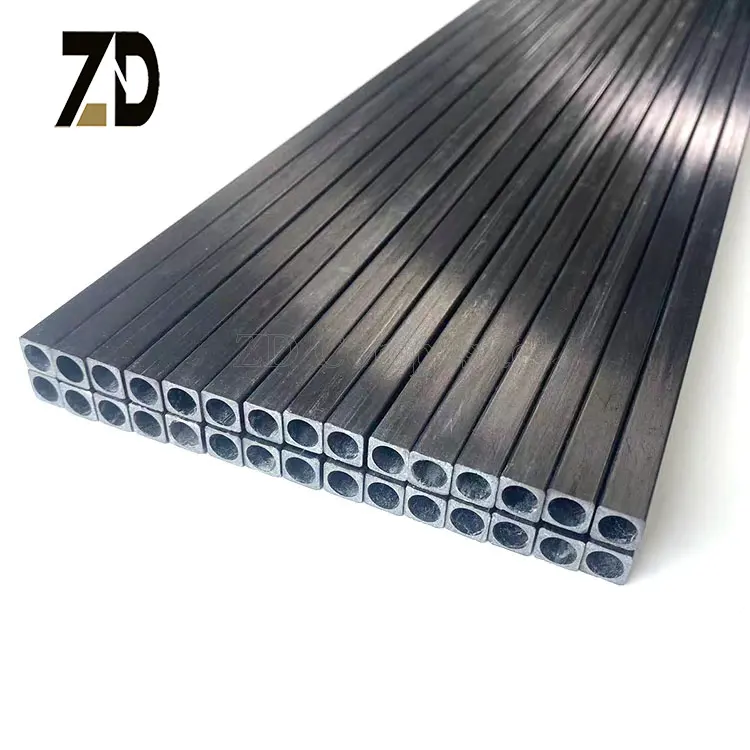
In today's competitive industrial landscape, engineers and project managers are constantly seeking materials that deliver superior performance while maintaining cost-effectiveness. The carbon fiber rectangular tube has emerged as a revolutionary solution for heavy-duty applications, combining exceptional strength-to-weight ratios with long-term durability benefits. These advanced composite structures are transforming how industries approach structural design, offering significant advantages over traditional materials in demanding environments.
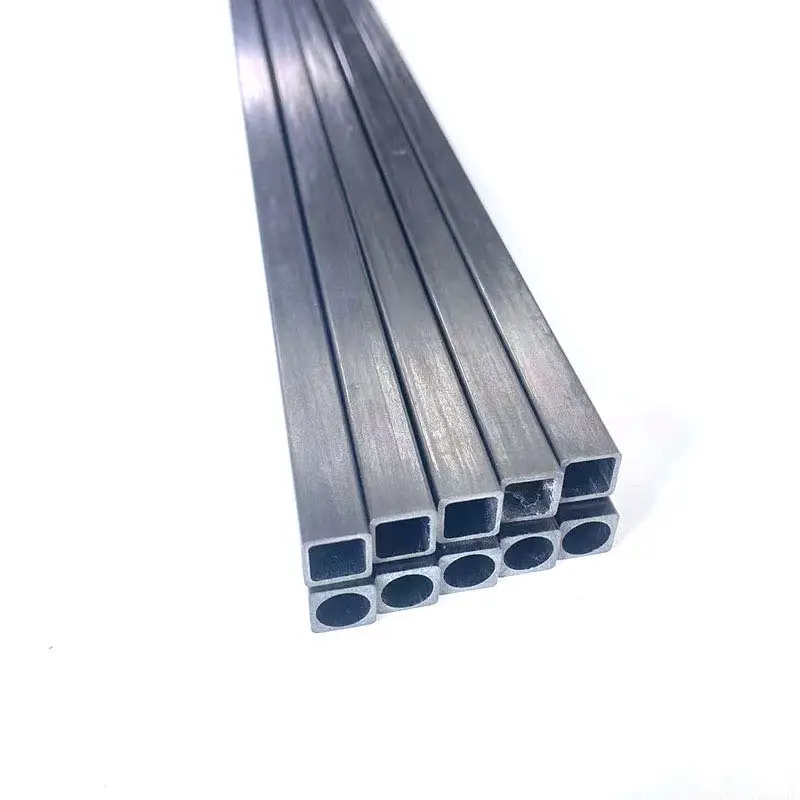
The manufacturing precision and engineering excellence behind carbon fiber rectangular tube construction enables unprecedented performance characteristics. Advanced pultrusion processes create consistent wall thickness and dimensional accuracy, ensuring reliable performance across diverse applications. This manufacturing approach reduces material waste while optimizing structural properties, contributing to overall project cost-effectiveness.
Superior Strength-to-Weight Performance Characteristics
Exceptional Load-Bearing Capabilities
Carbon fiber rectangular tube designs demonstrate remarkable load-bearing capabilities that far exceed traditional metallic alternatives. The oriented carbon fiber structure provides directional strength properties that can be tailored to specific application requirements. Engineers can specify fiber orientations to maximize tensile, compressive, or flexural strength based on anticipated loading conditions.
These structural advantages translate into reduced material requirements for achieving equivalent performance levels. A single carbon fiber rectangular tube can often replace multiple steel components, simplifying assembly procedures and reducing overall system complexity. The resulting weight savings contribute to improved handling characteristics and reduced installation costs.
Load distribution characteristics of carbon fiber rectangular tube assemblies enable more efficient structural designs. The hollow rectangular cross-section provides optimal moment of inertia while minimizing material usage. This geometric advantage, combined with carbon fiber's inherent properties, creates structures capable of handling extreme loading conditions.
Weight Reduction Benefits
The dramatic weight reduction achieved through carbon fiber rectangular tube implementation creates cascading cost benefits throughout project lifecycles. Reduced structural weight decreases foundation requirements, simplifying construction processes and reducing material costs. Transportation and handling become significantly easier, reducing labor requirements and associated expenses.
Dynamic loading considerations favor lightweight carbon fiber rectangular tube structures in applications involving motion or vibration. Reduced inertial forces translate to lower energy requirements and decreased wear on supporting components. These performance characteristics extend equipment lifespan while reducing maintenance intervals.
Weight-sensitive applications particularly benefit from carbon fiber rectangular tube integration. Aerospace, automotive, and marine industries leverage these weight advantages to improve fuel efficiency and payload capacity. The resulting operational cost savings often justify initial material investments within short timeframes.
Long-Term Durability and Maintenance Advantages
Corrosion Resistance Properties
Unlike metallic alternatives, carbon fiber rectangular tube structures exhibit exceptional resistance to environmental degradation. Corrosive chemicals, saltwater exposure, and atmospheric conditions that rapidly deteriorate steel components have minimal impact on carbon fiber structures. This inherent corrosion resistance eliminates the need for protective coatings and regular maintenance interventions.
The long-term cost implications of corrosion resistance are substantial in harsh operating environments. Chemical processing facilities, marine installations, and infrastructure projects benefit significantly from carbon fiber rectangular tube implementation. Reduced maintenance schedules and extended service intervals contribute to lower lifecycle costs.
Environmental exposure testing demonstrates the remarkable stability of carbon fiber rectangular tube materials over extended periods. UV radiation, temperature cycling, and chemical exposure scenarios that would compromise traditional materials show minimal impact on carbon fiber performance. This durability translates to predictable long-term performance and reduced replacement costs.
Fatigue Life Performance
Cyclic loading applications reveal another significant advantage of carbon fiber rectangular tube construction. The composite structure exhibits superior fatigue resistance compared to metallic alternatives, maintaining structural integrity through millions of loading cycles. This characteristic proves particularly valuable in dynamic applications involving repeated stress patterns.
Fatigue crack propagation, a common failure mode in metallic structures, is virtually eliminated in properly designed carbon fiber rectangular tube assemblies. The fiber matrix interface distributes stress concentrations, preventing the initiation and growth of critical defects. This failure mode resistance extends service life and reduces unexpected maintenance requirements.
Predictable fatigue performance enables more accurate lifecycle cost calculations and maintenance scheduling. Engineers can design carbon fiber rectangular tube structures with confidence in long-term performance characteristics. The resulting reliability reduces operational risks and associated contingency costs.
Manufacturing Efficiency and Design Flexibility
Pultrusion Process Advantages
The pultrusion manufacturing process used for carbon fiber rectangular tube production offers significant cost advantages through high-volume efficiency and consistent quality control. Continuous production methods eliminate many of the setup costs associated with traditional manufacturing approaches. Automated fiber placement and resin application ensure consistent material properties throughout production runs.
Dimensional accuracy achieved through pultrusion processes reduces downstream machining requirements and associated costs. Carbon fiber rectangular tube profiles maintain tight tolerances over extended lengths, eliminating the need for secondary operations in many applications. This manufacturing precision translates to reduced assembly time and improved fit-up characteristics.
Material utilization efficiency in pultrusion processes minimizes waste generation and raw material costs. The continuous nature of the process allows for optimal fiber-to-resin ratios and consistent cross-sectional properties. These manufacturing advantages contribute to competitive pricing for carbon fiber rectangular tube products.
Custom Design Capabilities
Carbon fiber rectangular tube manufacturing processes accommodate extensive customization options without significant tooling investments. Wall thickness variations, dimensional modifications, and fiber orientation adjustments can be implemented to optimize performance for specific applications. This design flexibility eliminates the need for over-engineering common in standardized metallic solutions.
Integration of additional features during the pultrusion process reduces assembly complexity and associated costs. Mounting provisions, connection interfaces, and reinforcement zones can be incorporated directly into the carbon fiber rectangular tube structure. These integrated design approaches eliminate secondary operations and reduce overall system costs.
Rapid prototyping capabilities enable cost-effective design validation and optimization. Modified carbon fiber rectangular tube configurations can be produced quickly for testing and evaluation. This design iteration capability reduces development costs and accelerates project timelines.
Industrial Applications and Economic Impact
Heavy Equipment Integration
Heavy machinery manufacturers increasingly specify carbon fiber rectangular tube components to improve equipment performance and reduce operating costs. Excavator arms, crane booms, and material handling equipment benefit from the weight reduction and strength characteristics of carbon fiber construction. These applications demonstrate clear return on investment through improved productivity and reduced fuel consumption.
The modular nature of carbon fiber rectangular tube assemblies simplifies heavy equipment maintenance and repair procedures. Individual components can be replaced without extensive disassembly, reducing downtime and associated costs. This serviceability advantage proves particularly valuable in high-utilization industrial environments.
Performance monitoring capabilities integrated into carbon fiber rectangular tube structures enable predictive maintenance strategies. Embedded sensors and monitoring systems provide real-time structural health information, preventing costly failures and optimizing maintenance intervals. These smart structure capabilities represent the future of heavy equipment design.
Infrastructure Project Benefits
Large-scale infrastructure projects leverage carbon fiber rectangular tube technology to achieve cost savings through reduced construction complexity and accelerated project schedules. Bridge construction, building frameworks, and industrial facility structures benefit from the lightweight characteristics and corrosion resistance of carbon fiber materials.
Transportation cost savings become significant in remote infrastructure projects where material delivery represents a major expense component. The high strength-to-weight ratio of carbon fiber rectangular tube assemblies reduces shipping volumes and associated logistics costs. These savings often offset material cost premiums in challenging deployment scenarios.
Long-term infrastructure maintenance costs decrease substantially with carbon fiber rectangular tube implementation. The corrosion resistance and fatigue performance characteristics eliminate many of the maintenance requirements associated with traditional materials. This lifecycle cost advantage makes carbon fiber solutions increasingly attractive for public infrastructure investments.
Cost Analysis and Return on Investment
Initial Investment Considerations
While carbon fiber rectangular tube materials command premium pricing compared to traditional alternatives, comprehensive cost analysis reveals favorable economics when total project costs are considered. Material costs represent only one component of overall project expenses, with installation, maintenance, and operational costs often dominating lifecycle calculations.
Volume purchasing opportunities and long-term supply agreements can significantly reduce carbon fiber rectangular tube material costs for large projects. Manufacturers offer attractive pricing structures for committed volumes, making carbon fiber solutions more competitive with traditional materials. These procurement strategies improve project economics while ensuring material availability.
Design optimization opportunities enabled by carbon fiber rectangular tube properties often result in reduced overall material requirements. Fewer structural components, simplified connections, and reduced foundation requirements contribute to lower total project costs. These system-level savings frequently exceed material cost premiums.
Lifecycle Economic Benefits
Total cost of ownership calculations consistently favor carbon fiber rectangular tube solutions in applications with extended service requirements. Reduced maintenance costs, extended service intervals, and improved reliability contribute to attractive return on investment calculations. These benefits become more pronounced in harsh operating environments where traditional materials require frequent attention.
Energy efficiency improvements associated with carbon fiber rectangular tube implementation generate ongoing operational savings. Reduced weight characteristics translate to lower energy requirements in mobile applications and reduced structural loading in stationary installations. These efficiency gains compound over time, improving overall project economics.
Risk mitigation benefits of carbon fiber rectangular tube implementation provide additional economic value through reduced insurance costs and improved project reliability. The predictable performance characteristics and failure mode resistance of carbon fiber materials reduce project risks and associated contingency requirements.
FAQ
What makes carbon fiber rectangular tubes more cost-effective than steel alternatives?
Carbon fiber rectangular tubes offer superior cost-effectiveness through multiple factors including reduced weight that lowers transportation and installation costs, exceptional corrosion resistance that eliminates maintenance expenses, and higher strength-to-weight ratios that reduce material requirements. While initial material costs may be higher, the total lifecycle costs are typically lower due to reduced maintenance, longer service life, and improved performance characteristics.
How long do carbon fiber rectangular tubes last in industrial applications?
Carbon fiber rectangular tubes demonstrate exceptional longevity in industrial applications, often exceeding 20-30 years of service life with minimal maintenance requirements. The corrosion-resistant properties and superior fatigue performance enable extended service intervals compared to metallic alternatives. Environmental exposure testing shows minimal degradation over time, making these materials ideal for long-term infrastructure investments.
Can carbon fiber rectangular tubes be customized for specific project requirements?
Yes, carbon fiber rectangular tubes offer extensive customization capabilities through the pultrusion manufacturing process. Wall thickness, dimensions, fiber orientations, and integrated features can be tailored to specific application requirements without significant tooling investments. This design flexibility enables optimized solutions that eliminate over-engineering common with standardized metallic products, contributing to overall cost-effectiveness.
What industries benefit most from carbon fiber rectangular tube implementation?
Industries with demanding environmental conditions, weight-sensitive applications, or extended service requirements benefit most from carbon fiber rectangular tube technology. This includes aerospace, marine, chemical processing, infrastructure, heavy equipment, and renewable energy sectors. Applications involving corrosive environments, dynamic loading, or remote locations where maintenance access is limited show particularly strong economic justification for carbon fiber solutions.
Table of Contents
- Superior Strength-to-Weight Performance Characteristics
- Long-Term Durability and Maintenance Advantages
- Manufacturing Efficiency and Design Flexibility
- Industrial Applications and Economic Impact
- Cost Analysis and Return on Investment
-
FAQ
- What makes carbon fiber rectangular tubes more cost-effective than steel alternatives?
- How long do carbon fiber rectangular tubes last in industrial applications?
- Can carbon fiber rectangular tubes be customized for specific project requirements?
- What industries benefit most from carbon fiber rectangular tube implementation?