
 EN
EN


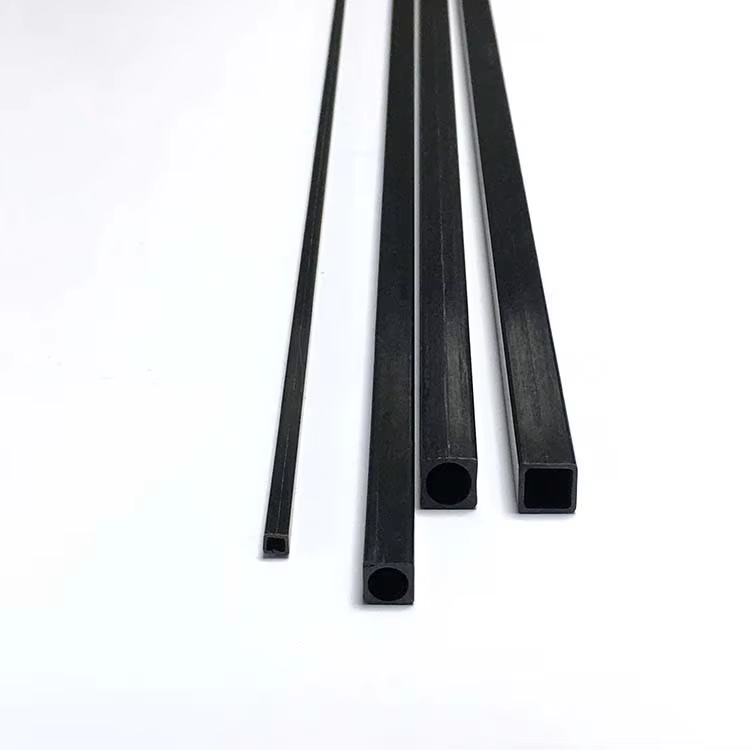
The aerospace industry continues to push the boundaries of engineering excellence through advanced composite materials, with carbon fiber rectangular tube structures leading this innovation. These precision-engineered components have revolutionized how aircraft, satellites, and space vehicles are designed and manufactured. Carbon fiber rectangular tube technology offers exceptional strength-to-weight ratios that make it indispensable for modern aerospace applications. The unique properties of carbon fiber rectangular tube systems enable engineers to achieve unprecedented performance levels while maintaining strict weight constraints essential for flight operations.
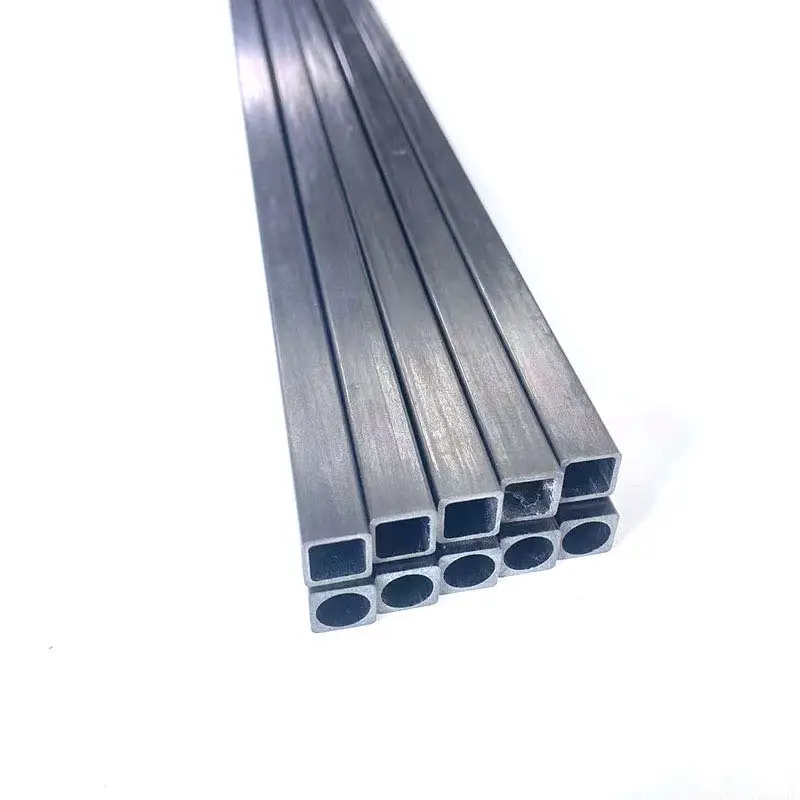
Structural Framework Applications in Aircraft Design
Primary Airframe Components
Modern aircraft rely heavily on carbon fiber rectangular tube assemblies for their primary structural frameworks. These components serve as critical load-bearing elements in wing boxes, fuselage frames, and empennage structures. The rectangular cross-section provides optimal bending resistance while minimizing material usage compared to traditional aluminum alternatives. Engineers strategically position carbon fiber rectangular tube elements throughout the airframe to distribute loads efficiently during various flight conditions.
The manufacturing precision of carbon fiber rectangular tube components ensures consistent dimensional accuracy across large production runs. This reliability is crucial for maintaining tight tolerances required in aerospace assembly processes. Advanced automated placement systems can precisely position these structural elements during aircraft construction, reducing assembly time and improving overall quality control. The modular nature of carbon fiber rectangular tube systems also facilitates easier maintenance and repair procedures throughout the aircraft's operational lifecycle.
Landing Gear Support Structures
Landing gear assemblies represent one of the most demanding applications for carbon fiber rectangular tube technology in aerospace. These components must withstand extreme impact forces during landing operations while maintaining structural integrity under repeated stress cycles. The hollow rectangular design provides excellent torsional stiffness essential for maintaining proper wheel alignment during ground operations. Carbon fiber rectangular tube elements in landing gear systems typically incorporate reinforced joint connections to handle concentrated loads at attachment points.
Weight reduction achieved through carbon fiber rectangular tube implementation in landing gear directly translates to improved fuel efficiency and increased payload capacity. The corrosion resistance of carbon fiber materials also reduces maintenance requirements compared to traditional steel components exposed to harsh ground environments. Advanced manufacturing techniques allow for integration of complex geometries within single carbon fiber rectangular tube assemblies, reducing part count and potential failure points.
Satellite and Spacecraft Structural Systems
Deployable Solar Panel Frameworks
Space-based solar panel systems rely extensively on carbon fiber rectangular tube structures for their deployment mechanisms and support frameworks. The extreme temperature variations in space require materials that maintain dimensional stability across wide temperature ranges. Carbon fiber rectangular tube assemblies provide the necessary thermal stability while offering exceptional strength for supporting large solar arrays during deployment operations.
The lightweight nature of carbon fiber rectangular tube components is particularly crucial for satellite applications where every gram impacts launch costs. These structures must survive the intense vibrations during rocket launch while maintaining precise alignment for optimal solar panel positioning. The rectangular geometry allows for efficient packaging during launch configuration, maximizing space utilization within payload fairings. Advanced joint designs enable reliable deployment mechanisms that operate flawlessly after months or years of dormancy in space.
Antenna Support Structures
Satellite communication systems depend on carbon fiber rectangular tube frameworks to maintain precise antenna positioning throughout their operational lifetime. These structures must provide rigid support while minimizing signal interference through electromagnetic transparency. The rectangular cross-section offers optimal stiffness-to-weight ratios for large antenna assemblies that require precise pointing accuracy. Carbon fiber rectangular tube systems can be tailored with specific fiber orientations to optimize structural performance for particular loading conditions.
Thermal expansion characteristics of carbon fiber rectangular tube materials ensure antenna positioning remains stable despite significant temperature fluctuations in orbital environments. The manufacturing process allows for integration of embedded systems such as heating elements or sensor cables within the tube walls. This integration capability reduces system complexity while improving reliability through reduced interconnection points. Advanced modeling techniques enable engineers to optimize carbon fiber rectangular tube designs for specific frequency ranges and signal requirements.
Engine and Propulsion System Components
Turbine Engine Structural Elements
Modern jet engines incorporate carbon fiber rectangular tube components in various structural applications where weight reduction directly impacts fuel efficiency. These elements serve as support frameworks for engine accessories, ducting systems, and mounting brackets. The high-temperature variants of carbon fiber rectangular tube materials can withstand the demanding thermal environment surrounding turbine engines. Specialized manufacturing techniques ensure these components maintain structural integrity under continuous thermal cycling conditions.
The vibration resistance of carbon fiber rectangular tube assemblies makes them ideal for engine-mounted applications where traditional materials might suffer from fatigue failures. These components can be designed with internal damping characteristics that reduce transmitted vibrations to sensitive engine control systems. The corrosion resistance of carbon fiber materials eliminates concerns about degradation from combustion byproducts or environmental exposure. Advanced inspection techniques allow for non-destructive evaluation of carbon fiber rectangular tube components during routine engine maintenance procedures.
Rocket Motor Casing Applications
Space launch vehicles utilize carbon fiber rectangular tube technology in various propulsion system applications, particularly for structural reinforcement and support systems. These components must withstand extreme forces generated during rocket motor ignition while maintaining structural integrity throughout the burn duration. The rectangular geometry provides efficient load distribution for attachment points and structural interfaces. Carbon fiber rectangular tube assemblies can be designed with internal reinforcements to handle concentrated stress points common in rocket motor installations.
The manufacturing flexibility of carbon fiber rectangular tube systems enables custom geometries tailored for specific propulsion system requirements. These components can incorporate integrated mounting features that eliminate separate fasteners and reduce overall system complexity. The dimensional stability of carbon fiber materials ensures precise alignment between propulsion system components throughout the operational environment. Advanced quality control processes verify the structural integrity of carbon fiber rectangular tube components before integration into critical propulsion systems.
Advanced Manufacturing and Quality Control
Precision Manufacturing Techniques
The production of aerospace-grade carbon fiber rectangular tube components requires sophisticated manufacturing processes that ensure consistent quality and performance. Advanced pultrusion techniques allow for continuous production of carbon fiber rectangular tube profiles with precise dimensional control. These processes incorporate real-time monitoring systems that detect and correct variations in fiber content, resin distribution, and geometric accuracy. The controlled manufacturing environment ensures that each carbon fiber rectangular tube meets stringent aerospace specifications.
Automated cutting and machining systems provide precise finishing operations for carbon fiber rectangular tube components destined for aerospace applications. These systems can create complex end configurations, mounting features, and access ports while maintaining structural integrity. The manufacturing process includes comprehensive quality documentation that traces each carbon fiber rectangular tube component throughout its production lifecycle. This traceability is essential for aerospace applications where component history must be available for regulatory compliance and maintenance planning.
Testing and Certification Procedures
Aerospace applications of carbon fiber rectangular tube technology require extensive testing and certification to verify performance under operational conditions. Structural testing includes static load verification, fatigue cycling, and environmental exposure protocols that simulate actual service conditions. The testing procedures evaluate both individual carbon fiber rectangular tube components and assembled systems to ensure proper integration and performance. Advanced testing facilities can simulate the combined effects of temperature, pressure, and mechanical loading that aerospace applications encounter.
Non-destructive testing methods provide comprehensive evaluation of carbon fiber rectangular tube components without compromising their structural integrity. These techniques can detect internal defects, fiber orientation variations, and bond quality issues that might affect performance. The certification process includes detailed analysis of test results and comparison with established performance criteria for aerospace applications. Regular auditing ensures that manufacturing processes continue to meet the quality standards required for carbon fiber rectangular tube components in critical aerospace applications.
Future Developments and Innovations
Smart Material Integration
The future of carbon fiber rectangular tube technology in aerospace includes integration of smart materials and embedded sensing systems. These advanced systems can monitor structural health in real-time, providing critical information about component condition and performance. Carbon fiber rectangular tube assemblies with integrated sensors can detect crack initiation, load distribution changes, and environmental exposure effects. This capability enables predictive maintenance strategies that improve safety while reducing operational costs.
Shape memory alloy integration within carbon fiber rectangular tube structures offers potential for adaptive aerospace systems that can modify their configuration based on operational requirements. These hybrid systems combine the structural advantages of carbon fiber rectangular tube technology with the adaptive capabilities of smart materials. Advanced manufacturing techniques are being developed to seamlessly integrate multiple material systems within single carbon fiber rectangular tube assemblies. This integration capability opens new possibilities for aerospace applications requiring variable geometry or adaptive stiffness characteristics.
Sustainable Manufacturing Approaches
Environmental considerations are driving development of more sustainable carbon fiber rectangular tube manufacturing processes for aerospace applications. Recycling technologies are being advanced to reclaim carbon fibers from end-of-life components and incorporate them into new carbon fiber rectangular tube products. These approaches reduce raw material consumption while maintaining the performance characteristics required for aerospace applications. Advanced resin systems are being developed that offer improved recyclability without compromising structural properties.
Bio-based matrix materials represent another avenue for improving the environmental footprint of carbon fiber rectangular tube manufacturing. These materials maintain the structural performance required for aerospace applications while offering improved end-of-life disposal options. The development of closed-loop manufacturing processes ensures that waste generated during carbon fiber rectangular tube production is minimized and recycled within the production system. These sustainable approaches are becoming increasingly important as the aerospace industry seeks to reduce its environmental impact while maintaining performance standards.
FAQ
What makes carbon fiber rectangular tubes superior to traditional materials in aerospace applications
Carbon fiber rectangular tube technology offers exceptional strength-to-weight ratios that exceed traditional aerospace materials by significant margins. The material provides superior fatigue resistance, corrosion immunity, and dimensional stability across extreme temperature ranges encountered in aerospace environments. The rectangular geometry optimizes structural efficiency while enabling precise manufacturing tolerances essential for aerospace assembly processes. These characteristics combine to deliver performance advantages that justify the initial material costs through improved operational efficiency and reduced maintenance requirements.
How do manufacturing tolerances affect aerospace carbon fiber rectangular tube performance
Precision manufacturing tolerances are critical for carbon fiber rectangular tube components in aerospace applications where even minor variations can affect assembly fit and structural performance. Advanced manufacturing processes maintain dimensional accuracy within microns across the entire length of carbon fiber rectangular tube profiles. These tight tolerances ensure proper load distribution in assembled structures and eliminate stress concentrations that could lead to premature failure. Quality control systems continuously monitor manufacturing parameters to maintain consistent dimensional accuracy throughout production runs.
What testing standards apply to aerospace carbon fiber rectangular tube components
Aerospace carbon fiber rectangular tube components must comply with rigorous industry standards including ASTM, ISO, and specific aerospace manufacturer requirements. Testing protocols evaluate structural properties, environmental resistance, and long-term durability under simulated service conditions. The certification process includes material characterization, component-level testing, and full-scale system validation to ensure performance meets aerospace safety requirements. These standards ensure that carbon fiber rectangular tube components maintain their structural integrity throughout their intended service life in demanding aerospace applications.
How does carbon fiber rectangular tube technology contribute to fuel efficiency in aircraft
Weight reduction achieved through carbon fiber rectangular tube implementation directly translates to improved fuel efficiency by reducing the overall aircraft mass that engines must propel. The superior strength-to-weight ratio allows for structural optimization that maintains safety margins while minimizing material usage. Advanced design techniques enable carbon fiber rectangular tube structures to carry equivalent loads using significantly less material than traditional alternatives. This weight reduction compounds throughout the aircraft structure, resulting in substantial fuel savings over the operational lifetime of the aircraft.
Table of Contents
- Structural Framework Applications in Aircraft Design
- Satellite and Spacecraft Structural Systems
- Engine and Propulsion System Components
- Advanced Manufacturing and Quality Control
- Future Developments and Innovations
-
FAQ
- What makes carbon fiber rectangular tubes superior to traditional materials in aerospace applications
- How do manufacturing tolerances affect aerospace carbon fiber rectangular tube performance
- What testing standards apply to aerospace carbon fiber rectangular tube components
- How does carbon fiber rectangular tube technology contribute to fuel efficiency in aircraft