
 EN
EN


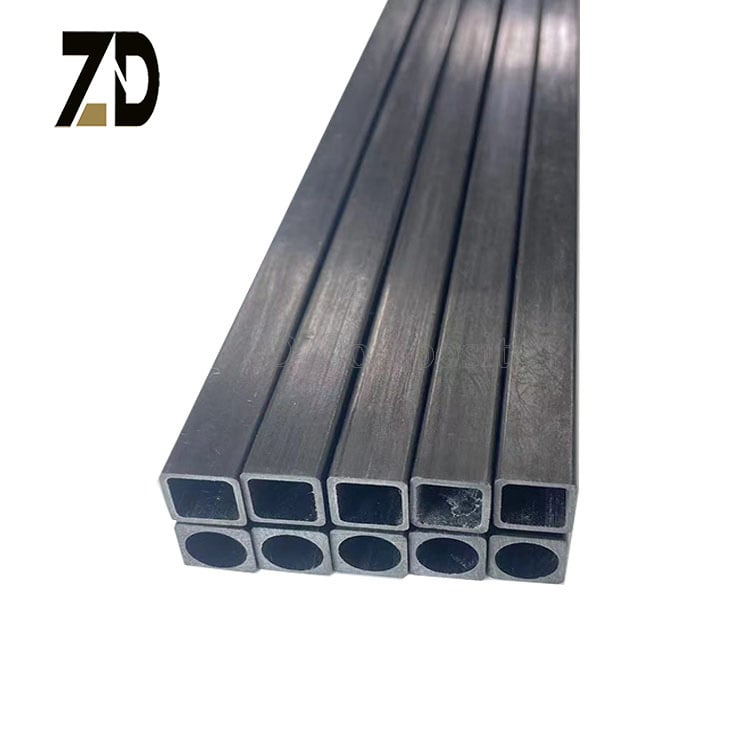
Modern engineering demands materials that deliver exceptional strength-to-weight ratios while maintaining structural reliability across diverse applications. The carbon fiber rectangular tube has emerged as a revolutionary solution for frame construction, offering superior performance characteristics that traditional materials simply cannot match. These advanced composite structures combine the inherent properties of carbon fiber with optimized geometric design to create frameworks that excel in both strength and efficiency.
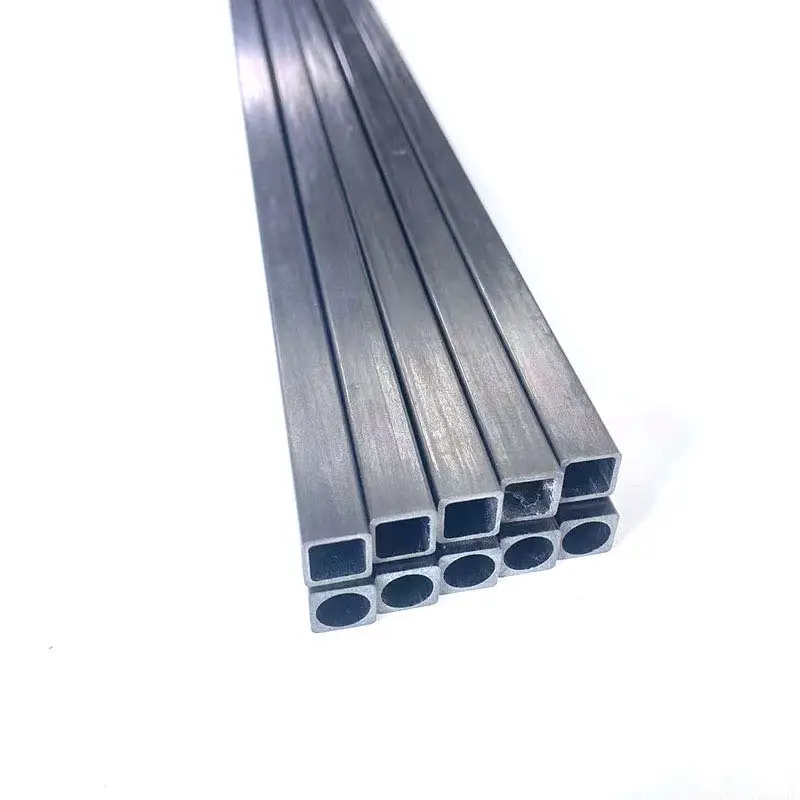
The adoption of carbon fiber rectangular tube technology represents a paradigm shift in structural engineering applications. From aerospace frameworks to automotive chassis systems, these lightweight yet robust components enable designers to achieve previously unattainable performance benchmarks. The rectangular geometry provides enhanced torsional resistance while maintaining the exceptional tensile strength characteristics inherent in carbon fiber composites.
Understanding the mechanisms behind structural integrity improvements requires examining both material properties and geometric advantages. The carbon fiber rectangular tube configuration maximizes load distribution across multiple stress vectors, creating a more resilient framework compared to traditional round tubes or solid materials. This comprehensive approach to structural design has transformed industries ranging from robotics to marine construction.
Material Science Behind Carbon Fiber Rectangular Tubes
Composite Structure and Fiber Orientation
The exceptional performance of carbon fiber rectangular tube designs stems from their sophisticated composite structure. Carbon fibers are arranged in specific orientations within a polymer matrix, typically epoxy resin, creating a material that exhibits directional strength properties. The rectangular cross-section allows for optimized fiber placement along primary load paths, ensuring maximum efficiency in stress transfer.
Manufacturing processes such as pultrusion enable precise control over fiber orientation and distribution throughout the carbon fiber rectangular tube wall thickness. This controlled arrangement results in predictable mechanical properties and consistent performance characteristics across the entire structure. The layup sequence can be customized to match specific application requirements, whether prioritizing bending strength, torsional rigidity, or impact resistance.
Advanced resin systems further enhance the performance envelope of carbon fiber rectangular tube products. Modern epoxy formulations provide superior adhesion between fiber layers while maintaining flexibility under dynamic loading conditions. This synergistic relationship between fibers and matrix creates a composite material that outperforms individual components by orders of magnitude.
Mechanical Properties and Performance Characteristics
The mechanical properties of carbon fiber rectangular tube structures demonstrate remarkable advantages over conventional materials. Tensile strength values typically range from 600 to 800 MPa, while maintaining a density approximately 20% that of aluminum. This exceptional strength-to-weight ratio enables frame designs that were previously impossible with traditional materials.
Fatigue resistance represents another critical advantage of carbon fiber rectangular tube construction. Unlike metals that experience degradation through cyclic loading, properly designed carbon fiber composites maintain their structural properties through millions of load cycles. This characteristic proves invaluable in applications subjected to repetitive stress patterns, such as robotic arms or vibrating machinery frames.
Thermal stability adds another dimension to carbon fiber rectangular tube performance capabilities. The coefficient of thermal expansion for carbon fiber composites is significantly lower than aluminum or steel, resulting in dimensional stability across wide temperature ranges. This property ensures frame geometry remains consistent regardless of environmental conditions.
Geometric Advantages of Rectangular Cross-Sections
Moment of Inertia and Bending Resistance
The rectangular geometry of carbon fiber rectangular tube designs provides superior bending resistance compared to circular cross-sections of equivalent material volume. The moment of inertia calculation for rectangular sections shows higher values in both major axes, resulting in increased stiffness against bending loads. This geometric advantage becomes particularly pronounced in frame applications where multiple loading directions must be accommodated.
Aspect ratio optimization allows engineers to tailor the carbon fiber rectangular tube dimensions to specific loading conditions. Increasing the height-to-width ratio enhances bending resistance in the major axis while maintaining reasonable material usage. This flexibility in geometric design enables custom solutions for diverse structural requirements.
The flat surfaces inherent in carbon fiber rectangular tube construction facilitate improved connection details with adjacent frame members. Unlike circular tubes that require complex joining methods, rectangular sections provide convenient mounting surfaces for brackets, plates, and other structural elements. This simplifies assembly processes while ensuring robust load transfer between components.
Torsional Rigidity and Shear Performance
Torsional rigidity calculations reveal significant advantages for carbon fiber rectangular tube designs in applications involving twisting loads. The closed cross-section provides excellent resistance to shear deformation while the rectangular geometry distributes torsional stresses more evenly than open sections. This combination results in frames that maintain their geometric integrity under complex loading scenarios.
Shear flow patterns within rectangular sections create predictable stress distributions that can be accurately analyzed using finite element methods. Engineers can optimize wall thickness variations and fiber orientations to match anticipated shear stress patterns, maximizing efficiency while minimizing material usage. This level of design control is particularly valuable in weight-critical applications.
The corner regions of carbon fiber rectangular tube structures require special attention during design and manufacturing phases. Proper radius selection prevents stress concentrations while maintaining the geometric advantages of the rectangular cross-section. Modern manufacturing techniques enable precise control over these critical details, ensuring consistent performance across production batches.
Applications and Industry Implementation
Aerospace and Defense Systems
Aerospace applications have driven much of the development in carbon fiber rectangular tube technology. Satellite structures, drone frameworks, and aircraft interior components benefit from the exceptional strength-to-weight ratios achievable with these advanced materials. The ability to create lightweight yet rigid structures directly translates to improved payload capacity and fuel efficiency.
Defense applications utilize carbon fiber rectangular tube components in portable equipment frames, weapon systems, and communication arrays. The material's inherent electromagnetic transparency provides additional benefits in radar and communication applications where metallic interference must be minimized. This unique property combination makes carbon fiber rectangular tube solutions ideal for modern military systems.
Space exploration missions place extreme demands on structural materials, making carbon fiber rectangular tube technology particularly valuable. The vacuum environment and temperature extremes encountered in space applications require materials that maintain their properties without degradation. Carbon fiber composites excel in these conditions while providing the dimensional stability necessary for precision instruments.
Automotive and Transportation
The automotive industry has embraced carbon fiber rectangular tube technology for performance vehicle applications and electric vehicle development. Chassis reinforcement structures benefit from the improved torsional rigidity while reducing overall vehicle weight. This weight reduction directly impacts acceleration performance and energy efficiency in electric vehicles.
Race car construction represents one of the most demanding applications for carbon fiber rectangular tube structures. The extreme loads encountered during high-speed cornering and impact scenarios require materials that can absorb energy while maintaining structural integrity. Carbon fiber rectangular tube designs provide the necessary strength while enabling aerodynamic body configurations.
Marine transportation applications leverage the corrosion resistance of carbon fiber rectangular tube materials in addition to their mechanical properties. Boat hulls, masts, and rigging components constructed from carbon fiber composites eliminate the maintenance requirements associated with metallic alternatives while providing superior performance in harsh marine environments.
Manufacturing Processes and Quality Control
Pultrusion Technology and Production Methods
Pultrusion represents the primary manufacturing method for producing consistent carbon fiber rectangular tube profiles. This continuous process pulls carbon fiber reinforcements through a resin bath before entering a heated die where curing occurs. The result is a uniform cross-section with predictable mechanical properties throughout the length of the carbon fiber rectangular tube.
Die design plays a crucial role in achieving the precise dimensions required for carbon fiber rectangular tube applications. Modern tooling incorporates temperature and pressure control systems that ensure complete resin cure while maintaining dimensional tolerances. Surface finish quality directly impacts the performance of bonded joints and mechanical connections in frame assemblies.
Quality control measures during pultrusion include real-time monitoring of temperature profiles, pull speeds, and resin content. These parameters directly influence the final properties of the carbon fiber rectangular tube product. Statistical process control techniques help maintain consistency across production batches while identifying potential issues before they affect product quality.
Testing and Validation Procedures
Comprehensive testing protocols ensure that carbon fiber rectangular tube products meet specified performance criteria. Tensile testing determines ultimate strength values while flexural testing evaluates bending performance under controlled conditions. These standardized tests provide the data necessary for structural analysis and design verification.
Non-destructive testing methods enable quality verification without compromising product integrity. Ultrasonic inspection can detect internal voids or delaminations that might affect long-term performance. X-ray analysis reveals fiber distribution patterns and resin content variations throughout the carbon fiber rectangular tube cross-section.
Environmental testing exposes carbon fiber rectangular tube samples to accelerated aging conditions that simulate years of service in compressed timeframes. Temperature cycling, humidity exposure, and ultraviolet radiation testing help predict long-term performance characteristics. This data supports warranty decisions and service life estimations for critical applications.
Design Considerations and Engineering Guidelines
Connection Details and Joint Design
Effective joint design represents a critical factor in realizing the full potential of carbon fiber rectangular tube frame systems. Mechanical fasteners require careful attention to bearing stress limitations and hole placement to prevent delamination or fiber damage. Bonded joints offer excellent load distribution but require proper surface preparation and adhesive selection for optimal performance.
Load transfer mechanisms between carbon fiber rectangular tube members and connecting hardware must account for the anisotropic properties of composite materials. Unlike metals that exhibit uniform properties in all directions, carbon fiber composites have directionally dependent characteristics that influence joint behavior. Proper design accounts for these differences to ensure reliable load transfer.
Thermal expansion compatibility becomes important when connecting carbon fiber rectangular tube structures to components made from different materials. The low coefficient of thermal expansion for carbon fiber composites can create stress concentrations at joints with higher expansion materials. Design details must accommodate these differential movements to prevent premature failure.
Safety Factors and Design Margins
Establishing appropriate safety factors for carbon fiber rectangular tube applications requires understanding the failure modes unique to composite materials. Unlike ductile metals that provide warning before ultimate failure, carbon fiber composites typically exhibit brittle failure characteristics. This behavior necessitates more conservative design approaches with higher safety margins.
Statistical analysis of material properties helps establish design allowables that account for manufacturing variability and service conditions. The inherent variability in composite materials requires probabilistic design approaches rather than deterministic methods commonly used with metals. This statistical foundation ensures reliable performance across the expected range of operating conditions.
Service life considerations influence the selection of design margins for carbon fiber rectangular tube structures. Applications requiring decades of service may specify higher safety factors to account for potential degradation mechanisms. Conversely, short-term applications might accept lower margins to achieve weight or cost objectives.
FAQ
What makes carbon fiber rectangular tubes stronger than traditional materials?
Carbon fiber rectangular tubes achieve superior strength through the combination of high-strength carbon fibers arranged in optimal orientations within a polymer matrix. The rectangular geometry maximizes the moment of inertia for bending resistance while the composite construction provides exceptional strength-to-weight ratios. This combination results in structures that are significantly stronger and lighter than steel or aluminum alternatives.
How does the manufacturing process affect tube quality?
The pultrusion manufacturing process directly influences carbon fiber rectangular tube quality through precise control of fiber orientation, resin content, and curing conditions. Consistent temperature and pressure during production ensure uniform mechanical properties throughout the tube length. Quality control measures including real-time monitoring and statistical process control help maintain consistency across production batches.
What are the primary applications for carbon fiber rectangular tubes?
Carbon fiber rectangular tubes find extensive use in aerospace frameworks, automotive chassis components, marine structures, and industrial equipment frames. Their high strength-to-weight ratio makes them ideal for applications where weight reduction is critical, such as drone frames, satellite structures, and race car components. The corrosion resistance also makes them valuable in marine and chemical processing environments.
How do rectangular tubes compare to round carbon fiber tubes?
Rectangular carbon fiber tubes offer higher bending stiffness and better torsional rigidity compared to round tubes of equivalent material volume. The flat surfaces facilitate easier connections and mounting arrangements, while the increased moment of inertia provides superior resistance to bending loads. Round tubes may be preferred for applications where uniform strength in all directions is required or where aerodynamic considerations are paramount.