
 EN
EN


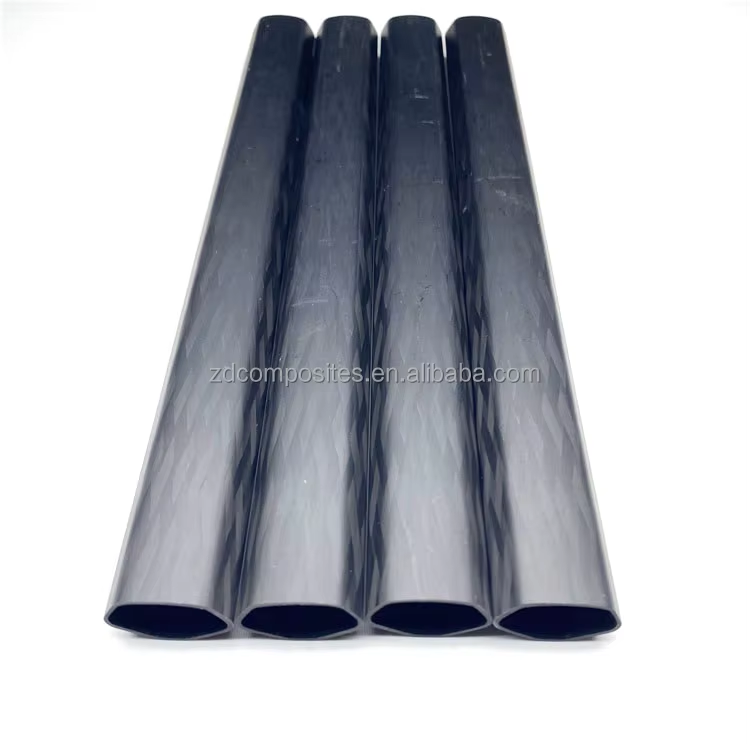
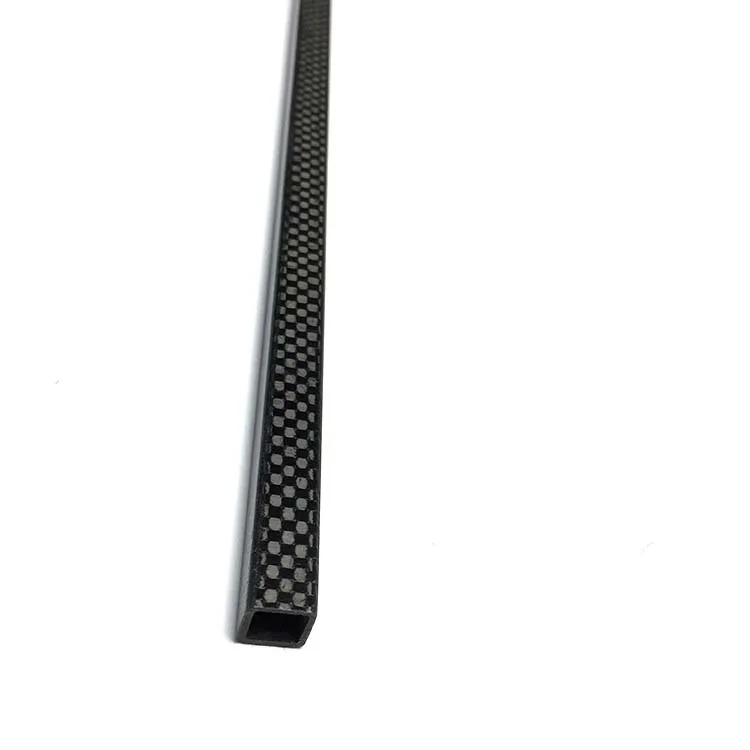
Advanced manufacturing industries worldwide are increasingly turning to carbon fiber square tubes as their material of choice for high-performance applications. These lightweight yet incredibly strong structural components offer unique properties that make them indispensable in sectors ranging from aerospace to automotive, robotics to renewable energy. The exceptional strength-to-weight ratio and design versatility of carbon fiber square tube technology have revolutionized how engineers approach complex manufacturing challenges, enabling innovations that were previously impossible with traditional materials.
Aerospace and Aviation Applications
Commercial Aircraft Manufacturing
The aerospace industry represents one of the largest consumers of carbon fiber square tube components in modern manufacturing. Commercial aircraft manufacturers rely heavily on these materials for structural applications where weight reduction translates directly to fuel efficiency and operational cost savings. Carbon fiber square tubes provide the necessary rigidity for aircraft frames, control surfaces, and interior structural elements while maintaining significantly lower weight compared to aluminum alternatives.
Leading aircraft manufacturers integrate carbon fiber square tube assemblies into wing structures, fuselage reinforcements, and landing gear components. The material's exceptional fatigue resistance ensures these critical components can withstand millions of stress cycles throughout an aircraft's operational lifetime. Additionally, the corrosion resistance of carbon fiber eliminates many maintenance concerns associated with metal components in harsh atmospheric environments.
Satellite and Space Technology
Space applications demand materials that can perform reliably in extreme conditions, making carbon fiber square tubes essential for satellite construction and space vehicle manufacturing. The vacuum of space, extreme temperature variations, and radiation exposure require materials with exceptional dimensional stability and thermal properties. Carbon fiber square tube structures provide the necessary strength while minimizing launch weight, a critical factor given the high cost of payload delivery to orbit.
Satellite manufacturers utilize carbon fiber square tubes for antenna supports, solar panel frames, and instrument mounting structures. The material's low thermal expansion coefficient ensures precision instruments maintain their calibration throughout temperature cycles experienced in orbit. Furthermore, the electromagnetic transparency of carbon fiber makes it ideal for applications where radio frequency transmission must pass through structural components without interference.
Automotive and Transportation Industries
High-Performance Vehicle Manufacturing
The automotive industry has embraced carbon fiber square tube technology for both performance and luxury vehicle applications. Sports car manufacturers integrate these components into chassis construction, roll cage fabrication, and body panel reinforcement structures. The exceptional impact resistance and energy absorption characteristics of carbon fiber make it particularly valuable for safety-critical applications where occupant protection is paramount.
Formula racing teams extensively utilize carbon fiber square tubes throughout vehicle construction, from suspension components to aerodynamic mounting structures. The ability to precisely control fiber orientation and layup patterns allows engineers to tailor mechanical properties for specific loading conditions. This customization capability enables optimization of performance characteristics while maintaining strict weight limitations imposed by racing regulations.
Electric Vehicle Development
Electric vehicle manufacturers are increasingly adopting carbon fiber square tube components to maximize battery range through weight reduction. The structural efficiency of carbon fiber enables designers to create lightweight vehicle platforms that offset the weight penalty of battery systems. Advanced manufacturing techniques allow integration of carbon fiber square tubes into battery enclosures, providing both structural support and crash protection for energy storage systems.
Battery pack manufacturers utilize carbon fiber square tube frameworks to create rigid mounting systems that protect cells from vibration and impact damage. The electrical insulation properties of carbon fiber provide additional safety benefits in high-voltage applications. Manufacturing processes have been refined to enable cost-effective production of carbon fiber components for mass-market electric vehicles, expanding adoption beyond luxury and performance segments.
Robotics and Automation Systems
Industrial Robot Construction
Modern robotics applications demand materials that combine low inertia with high stiffness, making carbon fiber square tubes ideal for robotic arm construction and automation equipment. The reduced mass of carbon fiber components enables faster acceleration and deceleration cycles, improving production throughput in automated manufacturing systems. Precision robotics applications particularly benefit from the dimensional stability and vibration damping characteristics of carbon fiber materials.
Collaborative robot manufacturers integrate carbon fiber square tube structures into lightweight designs that can safely operate alongside human workers. The material's impact resistance provides inherent safety benefits while enabling compliance with strict weight limitations for collaborative applications. Advanced manufacturing techniques allow complex geometries to be produced efficiently, supporting the intricate designs required for modern robotic systems.
Drone and UAV Manufacturing
Unmanned aerial vehicle manufacturers rely extensively on carbon fiber square tube components for frame construction and structural applications. The exceptional strength-to-weight ratio enables extended flight times and increased payload capacity, critical factors for commercial drone applications. Carbon fiber square tube assemblies provide the structural backbone for everything from small inspection drones to large cargo-carrying UAVs.
Professional drone manufacturers utilize carbon fiber square tubes for landing gear, camera gimbal mounting systems, and propeller guard structures. The material's vibration damping properties improve camera stability and image quality for aerial photography and surveying applications. Manufacturing scalability has enabled cost-effective production of carbon fiber components for consumer and commercial drone markets.
Renewable Energy and Infrastructure
Wind Energy Applications
Wind energy systems present unique challenges that make carbon fiber square tubes particularly valuable for turbine blade construction and tower reinforcement applications. The fatigue resistance of carbon fiber enables wind turbine components to withstand millions of stress cycles over decades of operation. Carbon fiber square tube reinforcements in turbine blades allow longer blade designs that capture more wind energy while maintaining structural integrity.
Offshore wind installations benefit significantly from carbon fiber's corrosion resistance and reduced maintenance requirements compared to steel alternatives. Carbon fiber square tube components in nacelle structures and blade root connections provide exceptional strength while resisting the harsh marine environment. Advanced manufacturing techniques enable production of large-scale components suitable for multi-megawatt wind turbine systems.
Solar Panel Support Systems
Solar energy installations increasingly utilize carbon fiber square tube components for mounting systems and tracking mechanisms. The lightweight nature of carbon fiber reduces foundation requirements for ground-mounted solar arrays while providing necessary structural support. Carbon fiber square tube assemblies enable precise tracking system operation through reduced inertial loads and improved positioning accuracy.
Floating solar installations particularly benefit from carbon fiber's corrosion resistance and buoyancy characteristics. Carbon fiber square tube frameworks provide structural support for solar panels while minimizing system weight on floating platforms. The material's UV resistance ensures long-term performance in high solar irradiance environments without degradation of mechanical properties.
Medical and Scientific Equipment Manufacturing
Medical Imaging Systems
Medical equipment manufacturers utilize carbon fiber square tubes in imaging system construction where radiolucency and dimensional stability are critical requirements. MRI and CT scanner applications benefit from carbon fiber's electromagnetic transparency and non-magnetic properties. Carbon fiber square tube components enable precise positioning mechanisms while avoiding interference with sensitive imaging equipment.
Portable medical equipment increasingly incorporates carbon fiber square tube structures to reduce device weight while maintaining necessary structural strength. The biocompatibility of carbon fiber makes it suitable for applications where patient contact may occur. Manufacturing processes ensure consistent quality and reliability required for medical device certification and regulatory approval.
Laboratory and Research Equipment
Scientific instrument manufacturers depend on carbon fiber square tubes for applications requiring exceptional stability and vibration isolation. Precision measurement equipment benefits from the material's low thermal expansion and high stiffness characteristics. Carbon fiber square tube assemblies provide stable platforms for sensitive optical and measurement systems while minimizing environmental interference.
Research facility construction increasingly incorporates carbon fiber square tube components in specialized equipment mounting systems and isolation platforms. The material's chemical resistance enables use in harsh laboratory environments without degradation. Advanced manufacturing capabilities support custom geometries required for unique research applications and prototype development.
Marine and Naval Applications
High-Performance Boat Manufacturing
Marine applications showcase the exceptional performance characteristics of carbon fiber square tube technology in demanding saltwater environments. Racing yacht manufacturers integrate these components throughout hull structures, mast assemblies, and rigging systems. The corrosion resistance of carbon fiber eliminates concerns about galvanic corrosion that plague traditional metal components in marine environments.
Commercial vessel manufacturers increasingly adopt carbon fiber square tube components for lightweight superstructures and equipment mounting systems. The reduced topside weight improves vessel stability and fuel efficiency while maintaining necessary strength for marine operations. Advanced manufacturing techniques enable cost-effective production of marine-grade carbon fiber components suitable for commercial maritime applications.
Submarine and Naval Systems
Naval applications require materials that can withstand extreme pressure and corrosive environments, making carbon fiber square tubes valuable for specialized submarine components. The material's strength characteristics enable lightweight construction of non-pressure hull components and equipment mounting systems. Carbon fiber's electromagnetic properties provide advantages for stealth applications where radar signature minimization is critical.
Naval manufacturers utilize carbon fiber square tube assemblies for antenna systems, periscope structures, and specialized equipment housings. The material's fatigue resistance ensures reliable performance under the stress cycles experienced in naval operations. Manufacturing capabilities support complex geometries required for integration with existing naval systems and platforms.
Sports and Recreation Equipment
Professional Sports Equipment
Sports equipment manufacturers have revolutionized performance through strategic application of carbon fiber square tube technology. Golf club shafts, tennis racket frames, and bicycle components utilize the material's exceptional strength-to-weight ratio to enhance athletic performance. Carbon fiber square tubes enable precise tuning of flex characteristics and vibration damping properties for optimal user experience.
Professional cycling teams depend on carbon fiber square tube components for frame construction and component integration. The material's fatigue resistance ensures reliable performance under extreme competition conditions while maintaining minimal weight for competitive advantage. Advanced manufacturing processes enable custom geometries tailored to individual athlete requirements and performance objectives.
Recreational Vehicle Manufacturing
Recreational vehicle applications increasingly incorporate carbon fiber square tube components to reduce weight while maintaining structural integrity. RV manufacturers utilize these materials for slide-out mechanisms, awning supports, and interior framework applications. The corrosion resistance of carbon fiber provides long-term durability in outdoor recreational environments without the maintenance requirements of traditional materials.
Motorcycle manufacturers integrate carbon fiber square tube components into frame construction and body panel support structures. The material's impact resistance provides safety benefits while enabling lightweight construction for improved performance and fuel efficiency. Manufacturing scalability supports both custom and production applications across diverse recreational vehicle segments.
FAQ
What makes carbon fiber square tubes superior to traditional materials in manufacturing applications
Carbon fiber square tubes offer an exceptional strength-to-weight ratio that significantly exceeds traditional materials like steel and aluminum. They provide superior fatigue resistance, corrosion immunity, and dimensional stability across temperature ranges. The ability to customize fiber orientation during manufacturing allows engineers to optimize mechanical properties for specific loading conditions, making them ideal for high-performance applications where weight reduction and reliability are critical factors.
How do manufacturing costs compare between carbon fiber square tubes and conventional materials
While initial material costs for carbon fiber square tubes are higher than traditional materials, total cost of ownership often favors carbon fiber due to reduced maintenance, extended service life, and performance benefits. Manufacturing volumes and automation have significantly reduced production costs, making carbon fiber competitive for many applications. The weight savings alone can justify higher material costs in industries where fuel efficiency or payload capacity directly impacts operational economics.
What quality control measures ensure consistency in carbon fiber square tube manufacturing
Manufacturing quality control for carbon fiber square tubes involves comprehensive testing protocols including dimensional verification, fiber orientation analysis, and mechanical property validation. Non-destructive testing methods such as ultrasonic inspection and thermography detect internal defects during production. Advanced manufacturing facilities implement statistical process control and automated monitoring systems to ensure consistent quality and traceability throughout the production process.
Which industries show the fastest growing demand for carbon fiber square tube components
Electric vehicle manufacturing and renewable energy sectors currently demonstrate the fastest growing demand for carbon fiber square tube components. The automotive industry's transition to electric powertrains drives demand for lightweight structural components to maximize battery range. Wind and solar energy installations require durable, lightweight materials that can withstand environmental stresses over decades of operation, making carbon fiber increasingly attractive for these expanding markets.
Table of Contents
- Aerospace and Aviation Applications
- Automotive and Transportation Industries
- Robotics and Automation Systems
- Renewable Energy and Infrastructure
- Medical and Scientific Equipment Manufacturing
- Marine and Naval Applications
- Sports and Recreation Equipment
-
FAQ
- What makes carbon fiber square tubes superior to traditional materials in manufacturing applications
- How do manufacturing costs compare between carbon fiber square tubes and conventional materials
- What quality control measures ensure consistency in carbon fiber square tube manufacturing
- Which industries show the fastest growing demand for carbon fiber square tube components