
 EN
EN


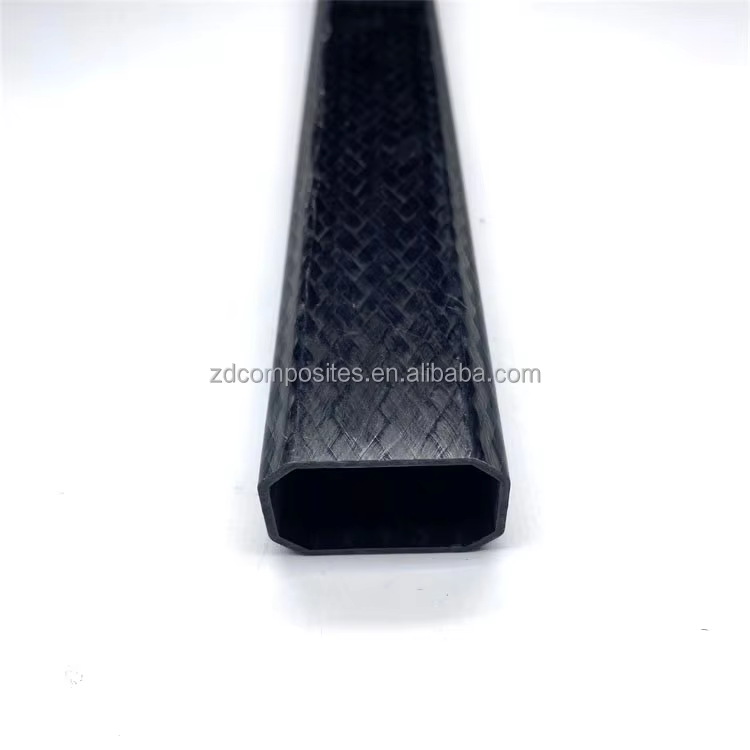
Industrial machinery manufacturers continuously seek materials that deliver exceptional strength-to-weight ratios while maintaining structural integrity under demanding operational conditions. The carbon fiber square tube has emerged as a transformative solution, revolutionizing how engineers approach component design in heavy-duty applications. This advanced composite material combines the inherent advantages of carbon fiber with a geometric configuration that maximizes load distribution and minimizes weight penalties.
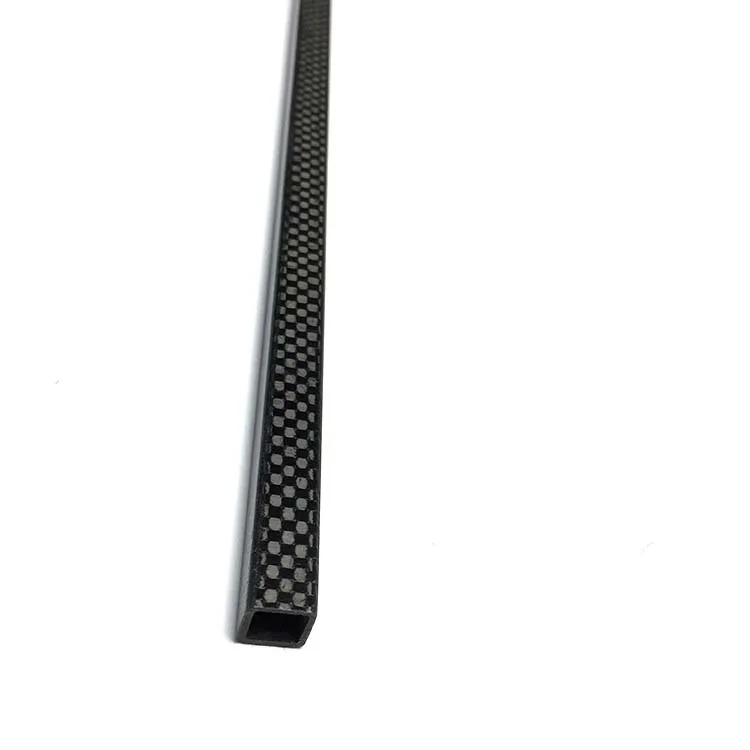
The adoption of carbon fiber square tube technology in industrial settings represents a significant shift from traditional metal alternatives. Manufacturing facilities across aerospace, automotive, and precision equipment sectors recognize that conventional materials often fall short of modern performance requirements. Carbon fiber square tubes address these limitations by providing superior mechanical properties, corrosion resistance, and design flexibility that translates directly into improved operational efficiency and reduced maintenance costs.
Understanding the specific advantages and applications of carbon fiber square tube systems enables engineers to make informed decisions about material selection. The unique properties of these components extend beyond basic structural support, offering solutions for vibration damping, thermal management, and electromagnetic interference shielding. This comprehensive approach to material engineering positions carbon fiber square tubes as essential components in next-generation industrial machinery design.
Structural Advantages of Carbon Fiber Square Tubes
Superior Strength-to-Weight Performance
The exceptional strength-to-weight ratio of carbon fiber square tube construction delivers unmatched performance benefits in load-bearing applications. Carbon fiber composites exhibit tensile strengths exceeding 3,500 MPa while maintaining densities approximately 75% lower than steel equivalents. This remarkable combination enables machinery designers to reduce overall system weight without compromising structural integrity or safety margins.
Industrial applications demanding high strength and minimal weight find carbon fiber square tube solutions particularly advantageous. Robotic arm assemblies, precision positioning systems, and automated manufacturing equipment benefit from the reduced inertial loads and improved dynamic response characteristics. The square geometry provides optimal resistance to bending and torsional forces while maintaining consistent wall thickness throughout the cross-section.
Manufacturing processes utilizing carbon fiber square tube components experience reduced energy consumption due to lower moving masses. Motors, actuators, and drive systems operate more efficiently when supporting lighter structural elements, resulting in decreased power requirements and extended component lifecycles. These efficiency gains compound across large-scale manufacturing operations, delivering significant operational cost savings.
Enhanced Fatigue Resistance
The fatigue performance of carbon fiber square tube materials surpasses traditional metallic alternatives under cyclic loading conditions. Carbon fiber composites maintain their mechanical properties through millions of load cycles without experiencing the gradual degradation typical of steel or aluminum components. This superior fatigue resistance translates directly into extended service intervals and reduced maintenance requirements for industrial machinery.
Dynamic applications subject carbon fiber square tube structures to repetitive stress patterns that would eventually cause metal fatigue failures. The anisotropic properties of carbon fiber allow engineers to orient fibers along primary load paths, optimizing strength characteristics for specific application requirements. This tailored approach to material design ensures maximum durability under actual operating conditions.
Predictable failure modes characterize carbon fiber square tube behavior under extreme loading conditions. Unlike metals that may fail catastrophically without warning, carbon fiber composites typically exhibit progressive failure patterns that provide advance indication of structural compromise. This predictable behavior enhances safety margins and enables condition-based maintenance strategies in critical industrial applications.
Thermal and Chemical Resistance Properties
Temperature Stability Benefits
Carbon fiber square tube materials maintain dimensional stability across wide temperature ranges, making them ideal for industrial machinery operating in challenging thermal environments. The low coefficient of thermal expansion ensures minimal dimensional changes during temperature cycling, preserving critical tolerances and alignment specifications. This stability proves essential in precision manufacturing equipment where thermal growth could compromise product quality.
High-temperature applications benefit from the exceptional thermal properties of carbon fiber square tube construction. Operating temperatures exceeding 200°C present no structural challenges for properly designed carbon fiber components, while equivalent metal structures may require complex thermal management systems. The inherent temperature resistance eliminates the need for additional cooling systems in many applications.
Thermal shock resistance distinguishes carbon fiber square tube materials from brittle alternatives like ceramics or certain metal alloys. Rapid temperature changes that might fracture conventional materials cause minimal stress in carbon fiber composites due to their unique microstructure. This characteristic proves valuable in industrial processes involving rapid heating or cooling cycles.
Chemical Compatibility Advantages
Industrial environments often expose machinery components to aggressive chemicals, solvents, and corrosive atmospheres that rapidly degrade metal structures. Carbon fiber square tube materials exhibit exceptional resistance to most industrial chemicals, maintaining structural integrity in environments that would quickly compromise steel or aluminum components. This chemical inertness eliminates corrosion-related maintenance issues and extends component service life.
Manufacturing facilities processing chemicals, pharmaceuticals, or food products require materials that resist contamination and maintain cleanliness standards. The non-porous surface of carbon fiber square tube components resists chemical absorption and facilitates thorough cleaning procedures. This characteristic proves essential in applications where cross-contamination must be prevented.
Galvanic corrosion concerns disappear when carbon fiber square tube materials replace metal components in mixed-material assemblies. The electrical conductivity of carbon fiber can be controlled through manufacturing processes, enabling compatibility with various electrical system requirements while eliminating corrosion risks associated with dissimilar metal contact.
Design Flexibility and Customization Options
Geometric Optimization Capabilities
The manufacturing flexibility of carbon fiber square tube production enables custom geometric configurations tailored to specific application requirements. Wall thickness variations, internal reinforcement structures, and integrated mounting features can be incorporated during the manufacturing process without secondary machining operations. This design freedom allows engineers to optimize component geometry for maximum performance efficiency.
Complex internal structures within carbon fiber square tube designs enhance functional capabilities beyond basic structural support. Internal partitions, mounting bosses, and integrated cooling channels can be formed during fabrication, eliminating assembly complexity and potential failure points. These integrated design features reduce part count and assembly time while improving overall system reliability.
Composite manufacturing processes accommodate hollow sections, variable cross-sections, and complex curvatures that would be difficult or impossible to achieve with traditional metal fabrication techniques. Carbon fiber square tube components can incorporate multiple functional requirements within single integrated structures, simplifying system design and reducing weight penalties associated with multiple discrete components.
Surface Finishing and Treatment Options
Surface treatment options for carbon fiber square tube materials provide enhanced functionality for specialized industrial applications. Conductive coatings, wear-resistant treatments, and electromagnetic shielding finishes can be applied to meet specific performance requirements. These surface modifications extend the functional capabilities of carbon fiber components beyond their inherent material properties.
Aesthetic considerations often influence material selection in consumer-facing industrial equipment. Carbon fiber square tube surfaces can be finished with various textures, colors, and protective coatings to meet appearance requirements while maintaining performance characteristics. The distinctive woven pattern of carbon fiber provides an attractive technical appearance that appeals to modern design sensibilities.
Bonding and joining compatibility ensures reliable integration of carbon fiber square tube components with existing machinery designs. Specialized adhesive systems, mechanical fasteners, and hybrid joining techniques enable secure attachment to metal, plastic, or composite assemblies. These joining methods maintain the integrity of the carbon fiber structure while providing reliable load transfer capabilities.
Application-Specific Performance Benefits
Automation and Robotics Integration
Robotic systems demand lightweight structural components that maintain precise positioning under dynamic loading conditions. Carbon fiber square tube elements provide the optimal combination of stiffness and low mass required for high-speed automation equipment. Reduced inertial loads enable faster acceleration and deceleration cycles, improving overall system throughput and productivity.
Precision positioning applications benefit from the dimensional stability and vibration damping characteristics of carbon fiber square tube construction. The inherent damping properties of composite materials reduce resonance issues that can compromise positioning accuracy in sensitive equipment. This vibration control capability proves essential in precision manufacturing, metrology, and optical systems.
Electromagnetic compatibility requirements in automated systems often necessitate materials with controlled electrical properties. Carbon fiber square tube components can be engineered with specific conductivity characteristics to provide electromagnetic shielding or static dissipation capabilities as required. This electrical control eliminates interference issues that might compromise sensitive electronic control systems.
Heavy Machinery Applications
Large-scale industrial machinery benefits from carbon fiber square tube components in applications where weight reduction directly translates to performance improvements. Construction equipment, mining machinery, and material handling systems experience reduced fuel consumption and improved operational efficiency when carbon fiber components replace traditional metal structures. The strength characteristics of carbon fiber square tube materials easily accommodate the demanding loads typical of heavy machinery applications.
Maintenance accessibility improves when carbon fiber square tube components replace heavier metal alternatives in large machinery designs. Technicians can more easily handle and position lightweight composite components during service procedures, reducing maintenance time and associated operational costs. The corrosion resistance of carbon fiber eliminates many routine maintenance requirements associated with metal components.
Operational lifespan extension results from the superior fatigue resistance and environmental durability of carbon fiber square tube materials. Heavy machinery operating in harsh environments experiences extended service intervals and reduced component replacement frequency. This longevity advantage provides significant cost benefits over the operational lifetime of industrial equipment.
Economic and Operational Impact
Cost-Benefit Analysis Considerations
Initial investment costs for carbon fiber square tube components typically exceed equivalent metal alternatives, but total cost of ownership calculations reveal significant long-term advantages. Reduced maintenance requirements, extended service life, and improved operational efficiency combine to deliver positive return on investment in most industrial applications. The lightweight characteristics of carbon fiber square tube materials also reduce shipping and handling costs throughout the supply chain.
Energy consumption reductions associated with carbon fiber square tube implementation compound over extended operational periods. Lighter machinery components require less power to operate, resulting in decreased energy costs and reduced environmental impact. These efficiency gains become particularly significant in applications involving continuous operation or high-duty cycle equipment.
Production flexibility increases when manufacturers incorporate carbon fiber square tube components into their machinery designs. The consistent properties and dimensional stability of composite materials enable tighter manufacturing tolerances and improved product quality. This enhanced precision capability often justifies the material cost premium through improved product value and customer satisfaction.
Supply Chain and Manufacturing Benefits
Manufacturing scalability advantages emerge when carbon fiber square tube components replace complex machined metal assemblies. Composite manufacturing processes can produce near-net-shape parts that require minimal secondary operations, reducing manufacturing costs and delivery times. The consistency of composite manufacturing ensures reliable quality levels across production runs.
Inventory management simplifies when carbon fiber square tube components consolidate multiple metal parts into single integrated structures. Reduced part count decreases procurement complexity, storage requirements, and potential supply chain disruptions. The long shelf life and dimensional stability of carbon fiber components minimize inventory obsolescence risks associated with precision machined metal parts.
Global shipping advantages result from the lightweight nature of carbon fiber square tube components. Reduced shipping weights lower transportation costs and enable more efficient packaging configurations. These logistics benefits become particularly valuable for companies serving international markets or operating distributed manufacturing facilities.
FAQ
What are the primary advantages of using carbon fiber square tubes in industrial machinery?
Carbon fiber square tubes offer exceptional strength-to-weight ratios, superior fatigue resistance, and excellent chemical compatibility compared to traditional metal alternatives. These materials maintain dimensional stability across wide temperature ranges while providing vibration damping characteristics that improve machinery precision and reliability. The corrosion resistance eliminates maintenance issues associated with metal components in challenging industrial environments.
How does the cost of carbon fiber square tubes compare to traditional materials over time?
While initial costs for carbon fiber square tubes exceed equivalent metal components, total cost of ownership calculations typically favor composite materials due to reduced maintenance requirements, extended service life, and improved operational efficiency. Energy savings from reduced component weight and the elimination of corrosion-related maintenance combine to deliver positive return on investment in most industrial applications.
Can carbon fiber square tubes be customized for specific industrial applications?
Yes, carbon fiber square tube manufacturing processes accommodate extensive customization options including variable wall thickness, integrated mounting features, and complex internal structures. Surface treatments can be applied to provide specific electrical, thermal, or wear resistance properties as required. This design flexibility enables optimization of component geometry and functionality for particular application requirements.
What industries benefit most from carbon fiber square tube implementation?
Aerospace, automotive, robotics, and precision manufacturing industries experience the greatest benefits from carbon fiber square tube adoption. Applications requiring high strength-to-weight ratios, precision positioning, vibration control, or operation in corrosive environments particularly benefit from composite material properties. Heavy machinery and automation equipment also gain significant performance advantages from the reduced mass and improved durability of carbon fiber components.
Table of Contents
- Structural Advantages of Carbon Fiber Square Tubes
- Thermal and Chemical Resistance Properties
- Design Flexibility and Customization Options
- Application-Specific Performance Benefits
- Economic and Operational Impact
-
FAQ
- What are the primary advantages of using carbon fiber square tubes in industrial machinery?
- How does the cost of carbon fiber square tubes compare to traditional materials over time?
- Can carbon fiber square tubes be customized for specific industrial applications?
- What industries benefit most from carbon fiber square tube implementation?