
 EN
EN


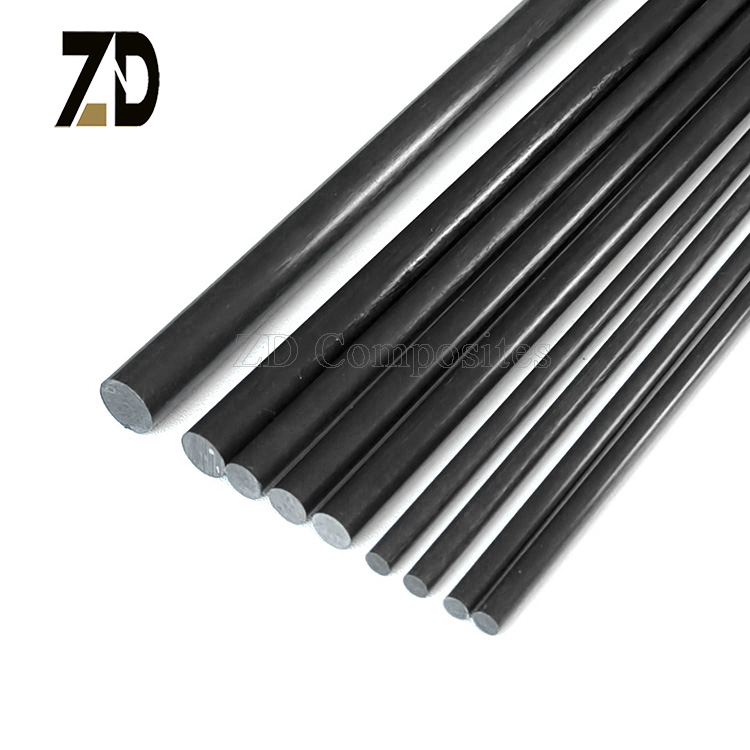
Carbon fiber rod technology has revolutionized numerous industries through its exceptional strength-to-weight ratio and versatility. These advanced composite materials combine carbon fibers with resin matrices to create lightweight yet incredibly strong structural components. The unique properties of carbon fiber rod materials have made them indispensable across aerospace, automotive, medical, and industrial sectors, where performance and reliability are paramount.
Industrial Manufacturing Applications
Machinery and Equipment Components
Manufacturing industries extensively utilize carbon fiber rod components in high-precision machinery where weight reduction is critical. These rods serve as structural elements in automated production lines, robotic arms, and precision tooling systems. The exceptional stiffness and dimensional stability of carbon fiber rod materials ensure consistent performance under varying load conditions and temperature fluctuations.
The corrosion resistance properties of carbon fiber rod components make them ideal for chemical processing equipment and marine applications. Unlike traditional metal alternatives, these composite rods maintain their structural integrity when exposed to harsh chemicals, saltwater, and extreme environmental conditions. This durability translates to reduced maintenance costs and extended service life for industrial equipment.
Textile and Weaving Industry
The textile industry has embraced carbon fiber rod technology for manufacturing high-speed weaving looms and precision textile machinery. These rods provide the necessary rigidity and vibration dampening required for consistent thread tension and pattern accuracy. The lightweight nature of carbon fiber rod components allows for faster machine operation while maintaining superior product quality.
Carbon fiber rod applications in textile manufacturing extend to specialized equipment for technical fabrics and composite material production. The rods serve as guide systems, tensioning elements, and structural supports in advanced manufacturing processes where precision and reliability are essential for achieving consistent output quality.
Medical Device Applications
Surgical Instruments and Tools
Medical device manufacturers increasingly incorporate carbon fiber rod components in surgical instruments due to their biocompatibility and radiolucent properties. These rods enable surgeons to perform procedures with enhanced precision while allowing clear X-ray visibility during operations. The lightweight characteristics reduce hand fatigue during extended surgical procedures.
Orthopedic applications represent a significant market segment for carbon fiber rod technology in medical devices. These rods serve as internal fixation devices, spinal rods, and prosthetic components where strength, biocompatibility, and imaging compatibility are crucial factors. The material's ability to match bone elasticity helps prevent stress shielding effects commonly associated with metallic implants.
Rehabilitation and Mobility Equipment
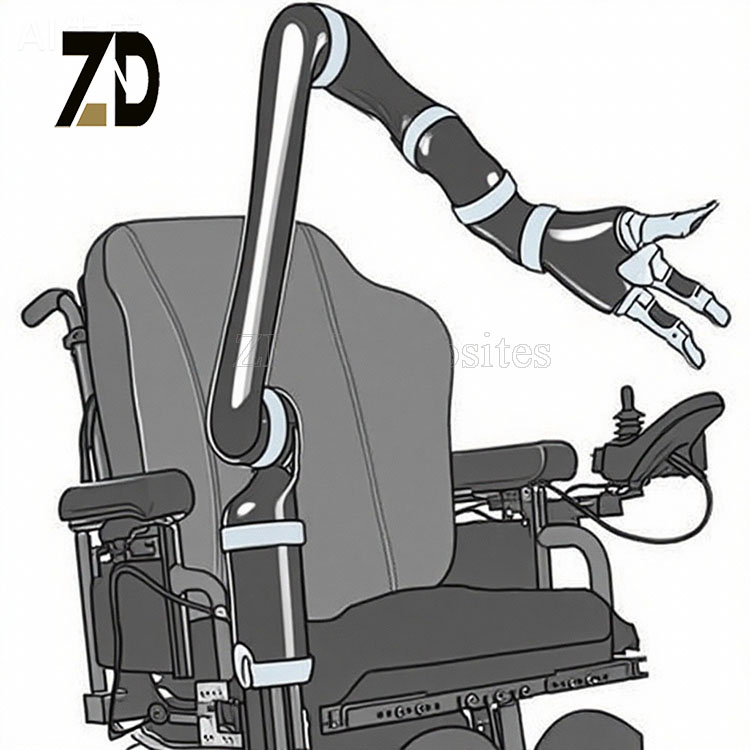
Physical therapy and rehabilitation equipment manufacturers utilize carbon fiber rod components to create lightweight yet durable mobility aids. Walking canes, crutches, and wheelchair frames benefit from the superior strength-to-weight ratio, enabling users to maintain independence while reducing physical strain. The vibration dampening properties enhance user comfort during extended use.
Advanced prosthetic devices incorporate carbon fiber rod technology to provide natural movement characteristics and improved functionality. These rods enable the creation of prosthetic limbs that closely mimic biological movement patterns while offering exceptional durability and weather resistance for active users.
Sports and Recreation Equipment
Professional Sports Equipment
The sporting goods industry extensively employs carbon fiber rod technology in high-performance equipment across multiple disciplines. Golf clubs, fishing rods, archery arrows, and hockey sticks benefit from the material's ability to store and release energy efficiently. The consistent flex characteristics of carbon fiber rod components enable athletes to achieve improved performance and precision.

Professional cycling equipment manufacturers integrate carbon fiber rod elements in bicycle frames, handlebars, and seat posts to create ultra-lightweight racing machines. The material's fatigue resistance ensures long-term performance under extreme competitive conditions while maintaining structural integrity through countless loading cycles.
Recreational and Hobby Applications
Model aircraft and drone construction rely heavily on carbon fiber rod components for structural frameworks and control surfaces. Hobbyists appreciate the material's ease of machining and joining, allowing for custom designs and modifications. The high strength-to-weight ratio enables extended flight times and improved maneuverability in remote-controlled aircraft applications.
Marine recreation equipment manufacturers incorporate carbon fiber rod technology in sailing masts, booms, and rigging components. These applications benefit from the material's corrosion resistance and ability to withstand harsh marine environments while providing the necessary strength for wind loading and dynamic forces encountered during sailing.
Construction and Architecture Applications
Structural Reinforcement Systems
Modern construction projects increasingly utilize carbon fiber rod reinforcement systems for concrete strengthening and seismic retrofitting applications. These rods provide superior tensile strength compared to traditional steel reinforcement while eliminating corrosion concerns that plague conventional materials. The lightweight nature simplifies installation and reduces overall structural dead loads.
Bridge construction and rehabilitation projects benefit from carbon fiber rod technology through external post-tensioning systems and structural repairs. The material's resistance to environmental degradation ensures long-term performance in exposed applications where traditional materials would require frequent maintenance or replacement.
Architectural Design Elements
Architects and designers incorporate carbon fiber rod components in innovative building facades, canopies, and decorative elements. The material's ability to be formed into complex shapes while maintaining structural integrity enables creative architectural expressions that would be impossible with conventional materials. The aesthetic appeal of exposed carbon fiber rod elements adds modern sophistication to contemporary building designs.
Curtain wall systems and glazing support structures utilize carbon fiber rod technology to achieve large span capabilities with minimal visual intrusion. These applications showcase the material's ability to combine structural performance with architectural elegance in high-profile commercial and institutional buildings.
Aerospace and Defense Applications
Aircraft Components and Systems
The aerospace industry represents one of the most demanding applications for carbon fiber rod technology, where weight savings directly translate to fuel efficiency and performance improvements. These rods serve as structural elements in control surfaces, landing gear components, and interior framework systems. The material's ability to withstand extreme temperature variations and mechanical stresses makes it indispensable for modern aircraft design.
Satellite and space vehicle construction relies on carbon fiber rod components for deployable structures, antenna systems, and solar panel support frameworks. The material's stability in vacuum conditions and resistance to radiation damage ensure reliable performance throughout mission lifespans. The thermal expansion characteristics of carbon fiber rod materials help maintain dimensional accuracy in space applications.
Defense and Military Equipment
Military applications for carbon fiber rod technology encompass lightweight armor systems, portable equipment frameworks, and specialized weapon components. The material's ballistic resistance properties and ability to absorb impact energy make it valuable for personnel protection systems. The non-magnetic characteristics of carbon fiber rod components are essential for stealth applications and electronic warfare systems.
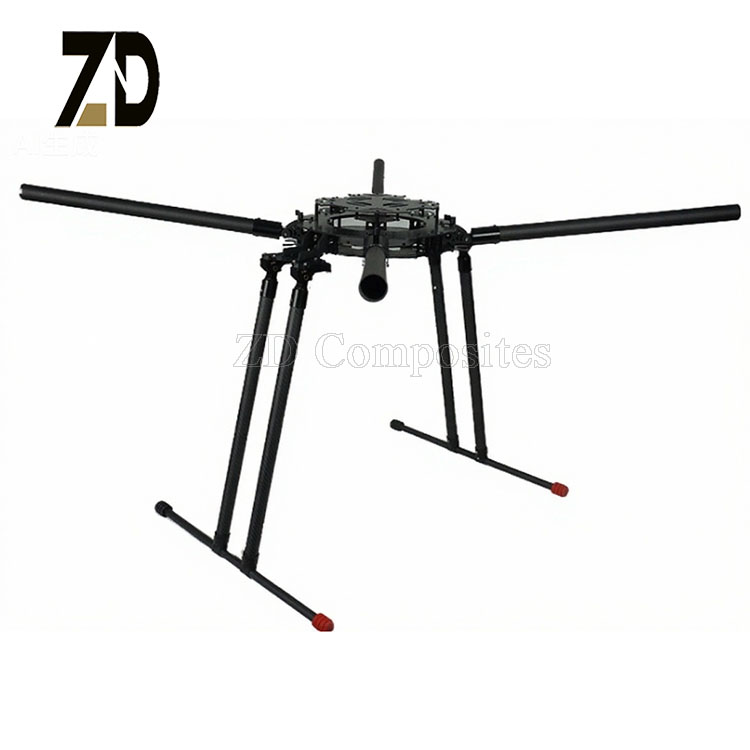
Unmanned aerial vehicle construction extensively utilizes carbon fiber rod technology for airframe structures and propulsion system components. These applications require materials that can withstand high-frequency vibrations and dynamic loading while maintaining minimal weight for extended operational ranges and improved payload capacity.
FAQ
What makes carbon fiber rod superior to traditional metal rods
Carbon fiber rod offers several advantages over traditional metal alternatives, including superior strength-to-weight ratio, corrosion resistance, and fatigue performance. These rods are typically 70% lighter than steel while maintaining comparable or superior strength characteristics. Additionally, carbon fiber rod components do not conduct electricity and are transparent to electromagnetic fields, making them ideal for electronic applications.
How are carbon fiber rod components manufactured
Carbon fiber rod manufacturing typically involves pultrusion processes where carbon fibers are pulled through a resin bath and then through heated dies to cure the composite material. This continuous process ensures uniform fiber orientation and consistent mechanical properties throughout the rod length. Advanced manufacturing techniques allow for custom fiber orientations and resin systems to optimize performance for specific applications.
What factors should be considered when selecting carbon fiber rod specifications
Selection of appropriate carbon fiber rod specifications depends on application requirements including load conditions, environmental exposure, and dimensional constraints. Key considerations include fiber type and orientation, resin system compatibility, surface finish requirements, and thermal expansion characteristics. Working with experienced manufacturers ensures optimal material selection for specific performance requirements and regulatory compliance.
What maintenance requirements exist for carbon fiber rod applications
Carbon fiber rod components typically require minimal maintenance compared to traditional materials due to their corrosion resistance and dimensional stability. Regular visual inspections for surface damage or delamination are recommended, particularly in high-stress applications. Proper handling and storage procedures help prevent damage from impact or excessive bending forces that could compromise structural integrity.