
 EN
EN


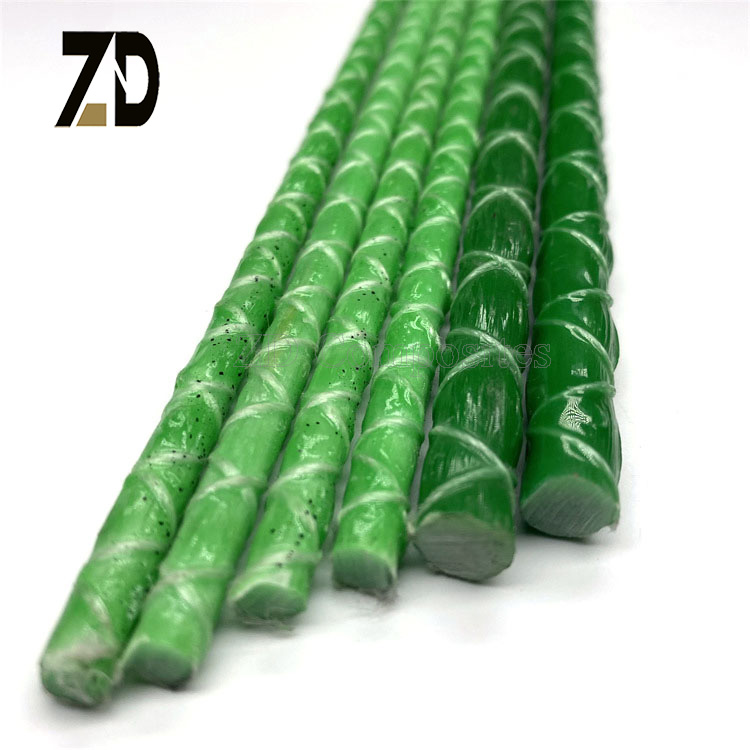
When establishing young trees in landscaping projects, construction sites, or agricultural settings, selecting the right support system proves critical for long-term success. Traditional wood stakes have dominated the market for decades, yet modern alternatives like the fiberglass tree stake offer compelling advantages that address many limitations of conventional materials. Professional arborists, landscape contractors, and municipal planners increasingly recognize the superior performance characteristics of composite materials in tree support applications. The transition from traditional wood to advanced fiberglass solutions represents a significant evolution in horticultural practices.
Durability and Longevity Advantages
Weather Resistance Properties
Unlike traditional wood stakes that deteriorate rapidly when exposed to moisture, UV radiation, and temperature fluctuations, a fiberglass tree stake maintains structural integrity across diverse environmental conditions. The composite construction resists rotting, splintering, and warping that commonly plague wooden alternatives within months of installation. Advanced polymer resins used in fiberglass manufacturing create an impermeable barrier against water infiltration, preventing the internal degradation that weakens wood stakes over time. This weather resistance translates directly into extended service life, often exceeding twenty years in outdoor applications.
Temperature cycling, which causes expansion and contraction in traditional materials, has minimal impact on fiberglass stake performance. The low thermal expansion coefficient ensures dimensional stability throughout seasonal changes, maintaining consistent support for growing trees. Professional installers appreciate this reliability, as it eliminates the need for frequent stake replacement or adjustment due to weather-induced deformation.
Resistance to Biological Degradation
Wood stakes face constant threats from insects, fungi, and bacterial organisms that accelerate deterioration in soil environments. Termites, carpenter ants, and wood-boring beetles can compromise structural integrity within a single growing season, requiring premature replacement and additional labor costs. A fiberglass tree stake offers complete immunity to biological attack, as composite materials provide no nutritional value to destructive organisms.
Fungal growth, particularly problematic in humid climates or poorly drained soils, cannot establish on fiberglass surfaces due to the non-porous nature of the material. This resistance eliminates concerns about stake failure during critical establishment periods when young trees require consistent support. The biological inertness of fiberglass also prevents contamination of surrounding soil with fungicides or preservatives commonly applied to wood products.
Economic Benefits Over Time
Initial Investment Versus Lifecycle Costs
While the upfront cost of a fiberglass tree stake may exceed that of traditional wood alternatives, comprehensive lifecycle analysis reveals significant economic advantages. Wood stakes typically require replacement every two to three years in most climates, creating recurring material and labor expenses that accumulate rapidly over time. Professional landscape maintenance contracts often include annual stake inspection and replacement provisions, adding ongoing operational costs to project budgets.
Fiberglass stakes eliminate these recurring expenses through their extended service life, often lasting the entire establishment period of supported trees. The durability advantage becomes particularly pronounced in large-scale installations such as municipal tree planting programs, commercial developments, or reforestation projects where stake replacement costs can represent substantial budget line items. Forward-thinking project managers increasingly specify fiberglass tree stake systems to minimize long-term maintenance obligations.
Labor and Maintenance Savings
Traditional wood stakes demand regular inspection and maintenance to identify deterioration before structural failure occurs. Ground crews must periodically check for rot, insect damage, loosened ties, and overall stability, consuming valuable labor hours throughout the growing season. Failed stakes require immediate replacement to prevent tree damage, often necessitating emergency service calls and expedited material procurement.
The maintenance-free nature of fiberglass tree stake installations reduces ongoing labor requirements to basic tie adjustment and removal upon tree establishment. This simplification allows maintenance crews to focus resources on other landscape management priorities while ensuring consistent tree support performance. The predictable service life of fiberglass stakes also facilitates more accurate budgeting and resource planning for landscape management operations.
Environmental Impact Considerations
Sustainability and Resource Conservation
Environmental stewardship increasingly influences material selection decisions in landscape and construction industries. Traditional wood stakes contribute to deforestation pressures, particularly when sourced from old-growth forests or unsustainable harvesting operations. The repeated replacement cycle of wood stakes multiplies this environmental impact over project lifecycles, requiring continuous resource extraction to maintain tree support systems.
Manufacturing processes for fiberglass tree stake products utilize recycled glass content and produce minimal waste streams compared to lumber processing operations. The extended service life of composite stakes reduces overall material consumption per supported tree, creating a more sustainable approach to landscape establishment. Many fiberglass products also qualify for recycling at end-of-life, though their extended durability often makes this consideration theoretical rather than practical.
Chemical Treatment Elimination
Wood preservation treatments necessary to extend stake life introduce potentially harmful chemicals into soil environments. Copper compounds, borates, and other preservatives can leach from treated wood, affecting soil chemistry and potentially impacting beneficial microorganisms essential for healthy tree establishment. These chemicals may also pose risks to groundwater quality in sensitive environmental areas.
A fiberglass tree stake requires no chemical treatments to achieve superior durability, eliminating soil contamination concerns while maintaining structural performance. This chemical-free approach aligns with organic landscaping practices and environmentally sensitive project requirements. The inert nature of fiberglass materials ensures compatibility with all soil types and growing conditions without introducing potentially harmful substances.
Performance Characteristics in Field Applications
Strength and Flexibility Properties
The engineered properties of composite materials allow fiberglass tree stake designs to optimize strength-to-weight ratios impossible to achieve with traditional wood. Advanced fiber orientation during manufacturing creates directional strength properties that can be tailored to specific application requirements. This engineering flexibility enables stake designs that provide adequate rigidity for tree support while maintaining sufficient flexibility to accommodate wind loading without brittle failure.
Load distribution characteristics of fiberglass stakes differ significantly from wood alternatives, often providing more consistent support throughout the stake length. The uniform material properties eliminate weak points associated with natural wood defects such as knots, grain variations, or density fluctuations. Professional installers report improved confidence in stake performance consistency when using engineered composite materials.
Installation and Handling Advantages
The lightweight nature of fiberglass tree stake products simplifies transportation and handling during installation operations. Crews can carry more stakes per trip, reducing project logistics and improving installation efficiency. The consistent dimensions and straight geometry of manufactured stakes eliminate sorting and selection time required with natural wood products that may vary significantly in straightness and diameter.
Driving characteristics of fiberglass stakes often prove superior to wood alternatives in difficult soil conditions. The uniform density and engineered tip designs facilitate penetration in compacted soils where wood stakes might split or deflect. The non-splintering nature of composite materials also improves worker safety during installation, eliminating injury risks associated with wood splinters or sudden stake failure during driving operations.
Industry Applications and Use Cases
Commercial Landscaping Projects
Large-scale commercial developments increasingly specify fiberglass tree stake systems for their reliability and reduced maintenance requirements. Shopping centers, office complexes, and industrial facilities benefit from the professional appearance and consistent performance of composite stakes throughout extended establishment periods. The clean, uniform appearance of fiberglass stakes maintains aesthetic appeal longer than wood alternatives that may weather unevenly or develop unsightly deterioration patterns.
Property management companies particularly value the reduced maintenance obligations associated with fiberglass tree stake installations. The elimination of stake replacement cycles simplifies landscape management contracts and reduces unexpected maintenance expenses. This predictability proves especially valuable in large portfolio management situations where consistent performance across multiple properties is essential.
Municipal and Infrastructure Applications
Public works departments and municipal arborists increasingly adopt fiberglass tree stake systems for street tree installations and park development projects. The extended service life aligns well with municipal budget cycles, reducing the frequency of appropriation requests for stake replacement programs. The consistent performance characteristics also support urban forest management goals by ensuring reliable support during critical establishment periods.
Infrastructure projects such as highway landscaping and utility corridor restoration benefit from the durability and low maintenance requirements of composite stakes. Remote locations where maintenance access is difficult or expensive particularly benefit from the set-and-forget characteristics of quality fiberglass tree stake systems. The resistance to vandalism and weather damage also proves valuable in public space applications.
FAQ
How long does a fiberglass tree stake typically last compared to wood stakes
A quality fiberglass tree stake can provide reliable service for twenty years or more under normal outdoor conditions, while traditional wood stakes typically require replacement every two to three years. The composite construction resists rot, insect damage, and weather deterioration that rapidly degrades wood materials. This extended service life makes fiberglass stakes more cost-effective despite higher initial purchase prices, as the elimination of replacement cycles provides significant long-term savings.
Are fiberglass tree stakes safe for soil and plant health
Fiberglass tree stakes are completely inert and pose no risks to soil chemistry or plant health. Unlike treated wood stakes that may leach preservative chemicals into surrounding soil, composite materials require no chemical treatments and introduce no harmful substances to the growing environment. The non-reactive nature of fiberglass makes these stakes suitable for organic growing operations and environmentally sensitive applications where chemical contamination is a concern.
Can fiberglass stakes be recycled at the end of their service life
Many fiberglass tree stake products can be recycled through specialized composite material processing facilities, though their exceptional durability means end-of-life considerations rarely become practical concerns. The glass fiber content can be recovered and reused in new composite manufacturing processes. However, the twenty-plus year service life of quality fiberglass stakes often exceeds the establishment period of supported trees, making recycling more of a theoretical benefit than a practical necessity in most applications.
Do fiberglass stakes require special installation techniques or tools
Installation of fiberglass tree stakes follows similar procedures to traditional wood stakes, requiring no specialized tools or techniques. Standard driving equipment works effectively with composite materials, though the uniform density and engineered tip designs often make penetration easier in difficult soil conditions. The lightweight nature of fiberglass stakes simplifies handling and transportation, while the non-splintering characteristics improve worker safety during installation operations compared to traditional wood alternatives.