
 EN
EN


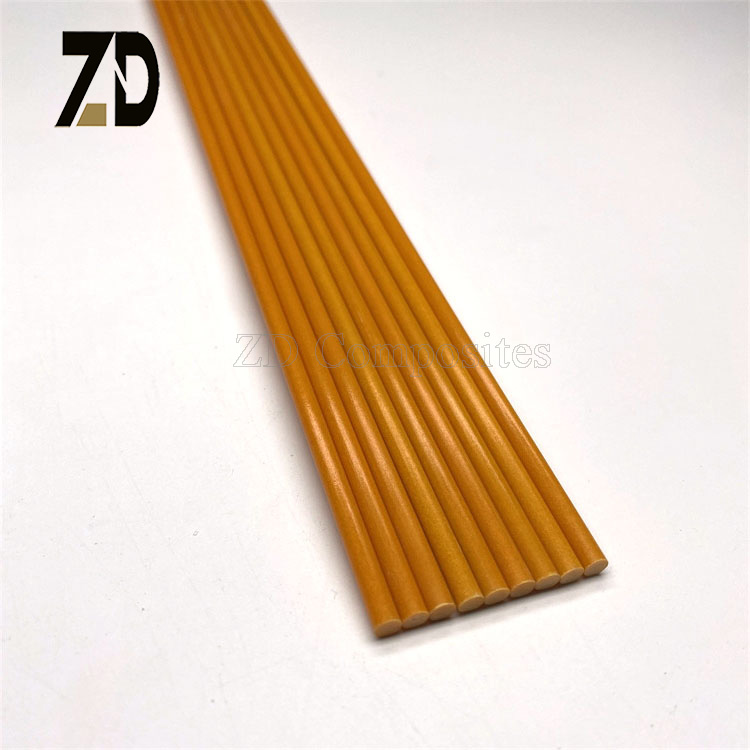
Young trees require proper support systems to establish strong root systems and develop healthy growth patterns. Traditional wooden stakes often deteriorate within a few years, leaving trees vulnerable during critical development phases. A fiberglass tree stake offers superior durability and performance characteristics that promote optimal tree health while providing long-term support. These advanced staking solutions represent a significant evolution in arboriculture practices, delivering consistent performance across diverse environmental conditions and tree species.
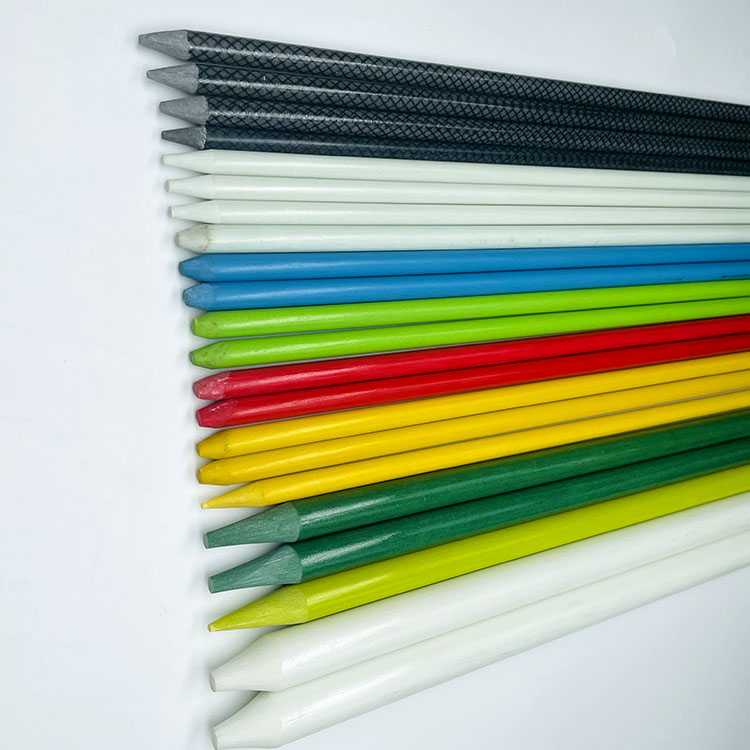
Material Properties and Performance Advantages
Structural Integrity and Longevity
The composite construction of a fiberglass tree stake provides exceptional strength-to-weight ratios that outperform traditional materials. Fiberglass offers tensile strength comparable to steel while maintaining flexibility necessary for proper tree movement. This unique combination prevents stake breakage during severe weather events while allowing controlled trunk flexion that promotes natural strengthening processes. The non-corrosive nature of fiberglass ensures consistent performance over decades without degradation from moisture, soil chemistry, or temperature fluctuations.
Professional arborists recognize that stake longevity directly impacts tree development success rates. A quality fiberglass tree stake maintains structural integrity for twenty years or more, providing consistent support throughout critical establishment periods. This extended lifespan eliminates frequent replacement costs while ensuring continuous protection during vulnerable growth phases. The material's resistance to UV radiation prevents brittleness and maintains flexibility necessary for proper tree training.
Weather Resistance and Environmental Durability
Extreme weather conditions pose significant challenges to tree support systems, making material selection critical for long-term success. Fiberglass demonstrates superior resistance to freeze-thaw cycles that commonly damage wooden stakes through expansion and contraction. The material's low thermal conductivity prevents temperature-related stress transfer to tree tissues while maintaining consistent support properties across seasonal variations. This thermal stability proves particularly valuable in regions experiencing dramatic temperature fluctuations.
Chemical resistance represents another significant advantage of fiberglass construction in diverse soil environments. Unlike metal alternatives that may leach harmful compounds or wooden stakes that introduce organic decay products, a fiberglass tree stake remains chemically inert throughout its service life. This neutrality prevents soil contamination while eliminating potential root damage from chemical interactions. The material's resistance to acids, alkalis, and salt exposure makes it suitable for coastal installations and industrial environments.
Optimal Tree Development and Growth Mechanics
Root System Establishment Support
Proper staking methodology directly influences root development patterns and overall tree establishment success. A fiberglass tree stake provides stable anchor points that prevent excessive trunk movement while allowing necessary micro-movements that stimulate root growth. This controlled support environment encourages lateral root expansion rather than dependent reliance on artificial support structures. Research demonstrates that appropriately staked trees develop stronger, more extensive root systems compared to unstaked or improperly supported specimens.
The flexibility characteristics of fiberglass materials promote natural tree responses to environmental stresses without compromising stability. Young trees require some movement to develop proper taper and structural strength, but excessive motion can damage developing root systems or prevent proper establishment. A properly installed fiberglass tree stake creates an optimal balance between stability and movement, allowing trees to develop natural defense mechanisms while preventing transplant shock or wind damage.
Trunk Development and Structural Training
Trunk development depends significantly on appropriate support during formative years, with staking methodology influencing long-term structural integrity. Fiberglass tree stake systems allow precise control over trunk movement patterns while preventing damage from rigid support systems. The material's consistent flexibility prevents pressure points that could create permanent trunk deformations or bark damage. This controlled support environment promotes uniform diameter growth and proper taper development essential for mature tree stability.
Professional installation techniques maximize the developmental benefits of advanced staking materials. The non-abrasive surface of fiberglass eliminates bark damage risks associated with rough wooden stakes or sharp metal alternatives. Proper tie placement and tension adjustment become more critical with durable staking systems, as improper installation effects persist longer with extended-life materials. Training programs for landscape professionals emphasize proper fiberglass tree stake installation techniques to optimize tree development outcomes.
Installation Methodologies and Best Practices
Site Preparation and Assessment
Successful tree staking begins with comprehensive site evaluation and proper preparation techniques. Soil conditions, drainage patterns, and exposure levels determine optimal fiberglass tree stake placement and support configurations. Dense clay soils require different installation approaches compared to sandy or rocky substrates, with stake depth and spacing adjusted accordingly. Professional assessment identifies potential challenges such as underground utilities, irrigation systems, or existing root networks that could complicate installation procedures.
Wind exposure analysis helps determine appropriate stake configurations for specific locations and tree species. A single fiberglass tree stake may suffice for protected locations, while exposed sites require multiple-stake systems or guy-wire configurations. Prevailing wind directions influence optimal stake positioning to provide maximum protection during severe weather events. Site-specific factors such as foot traffic patterns, maintenance access requirements, and aesthetic considerations also influence final installation designs.
Proper Installation Techniques
Installation depth represents a critical factor in fiberglass tree stake performance and longevity. Stakes must penetrate sufficiently deep to reach stable soil layers while avoiding interference with root development zones. Industry standards recommend installation depths equal to one-third the above-ground stake height, with adjustments for soil conditions and tree size. Proper installation techniques prevent stake movement during severe weather while ensuring adequate support for tree establishment needs.
Tie selection and placement methodology significantly impact tree development outcomes with durable staking systems. Wide, soft materials distribute pressure across larger bark areas while preventing cutting or abrasion damage. Tie placement at approximately two-thirds of tree height provides optimal support without interfering with natural trunk flexion. Regular adjustment schedules prevent ties from becoming embedded in growing bark while maintaining appropriate support tension throughout establishment periods.
Maintenance Requirements and Long-term Care
Inspection Schedules and Monitoring
Regular inspection protocols ensure optimal performance from fiberglass tree stake installations throughout their extended service lives. Monthly evaluations during the first growing season identify potential issues before they impact tree development or stake integrity. Inspection checklists include tie condition assessment, stake stability verification, and tree growth monitoring to ensure proper development progression. Seasonal inspections address weather-related damage and adjust support systems for changing tree requirements.
Professional maintenance programs incorporate fiberglass tree stake evaluations into comprehensive tree care schedules. The extended lifespan of quality fiberglass materials requires modified maintenance approaches compared to traditional wooden stakes that require frequent replacement. Documentation systems track installation dates, adjustment schedules, and performance observations to optimize future installations and identify potential improvement opportunities. This data collection contributes to refined installation techniques and enhanced tree establishment success rates.
Adjustment and Modification Procedures
Tree growth necessitates periodic support system adjustments to prevent damage and maintain proper development patterns. Tie loosening schedules prevent bark embedding while maintaining necessary support levels during critical establishment phases. A fiberglass tree stake system allows precise adjustments without material deterioration concerns that limit modification options with traditional materials. The durability of fiberglass construction enables multiple adjustment cycles without compromising structural integrity or support effectiveness.
Graduated support reduction represents an essential component of proper tree training programs using durable staking materials. The extended lifespan of a fiberglass tree stake enables controlled weaning processes that gradually reduce support levels as trees develop structural independence. This systematic approach prevents sudden support removal shock while ensuring trees develop adequate strength before complete stake removal. Professional arborists develop customized weaning schedules based on species requirements, site conditions, and individual tree development rates.
Economic Benefits and Cost Analysis
Initial Investment Considerations
The upfront cost of fiberglass tree stake systems typically exceeds traditional wooden alternatives, but comprehensive cost analysis reveals significant long-term advantages. Quality fiberglass materials command premium prices due to advanced manufacturing processes and superior performance characteristics. However, the extended service life and reduced maintenance requirements often justify higher initial investments through lower total ownership costs. Professional landscape contractors increasingly recognize these economic advantages when specifying materials for large-scale projects.
Installation efficiency represents another economic consideration favoring advanced staking materials. The lightweight nature and consistent dimensions of a fiberglass tree stake system reduce installation labor requirements compared to heavier alternatives. Standardized installation procedures and reduced handling difficulties translate to lower labor costs per installation. These efficiency gains become particularly significant in large-scale landscape installations where labor costs represent substantial project components.
Long-term Value and Return on Investment
Replacement cycle analysis demonstrates substantial cost savings from extended-life staking materials over typical landscape project timeframes. Traditional wooden stakes require replacement every three to five years, generating recurring material and labor costs throughout tree establishment periods. A fiberglass tree stake eliminates these replacement cycles while providing consistent support quality over decades of service. The cumulative savings from reduced replacement frequency often exceed initial cost premiums within the first decade of service.
Tree establishment success rates directly impact long-term project economics through reduced replacement and replanting costs. Superior support systems improve survival rates and reduce establishment periods, minimizing ongoing care requirements and associated costs. The consistent performance characteristics of quality fiberglass materials contribute to predictable outcomes that facilitate accurate project budgeting and reduced contingency requirements. These factors make fiberglass tree stake systems attractive options for projects emphasizing long-term value and performance reliability.
Environmental Impact and Sustainability
Material Lifecycle Assessment
Environmental considerations increasingly influence material selection decisions in modern landscape practices, making sustainability analysis essential for professional applications. Fiberglass production requires significant energy inputs and generates industrial byproducts, but the extended service life reduces overall environmental impact compared to frequently replaced alternatives. Lifecycle assessments must consider manufacturing impacts, transportation requirements, service life performance, and end-of-life disposal or recycling options to provide comprehensive environmental evaluations.
The durability characteristics of a fiberglass tree stake system contribute to reduced resource consumption over typical project lifespans. Elimination of frequent replacement cycles reduces harvesting pressure on forest resources used for wooden stakes while minimizing manufacturing energy requirements for repeated production cycles. Transportation impacts decrease proportionally with reduced replacement frequency, contributing to lower carbon footprints for landscape installations utilizing durable materials.
Recycling and Disposal Considerations
End-of-life management represents an important sustainability consideration for all landscape materials, including advanced composites like fiberglass. While fiberglass recycling technologies continue developing, current options remain limited compared to traditional materials like wood or metal. However, the extended service life of quality fiberglass tree stake products significantly delays disposal requirements, potentially spanning multiple decades before replacement becomes necessary.
Innovative recycling programs increasingly address fiberglass waste management through specialized processing facilities and alternative applications. Ground fiberglass materials serve as reinforcement additives in concrete and asphalt applications, providing second-life utility for expired staking materials. Research continues developing cost-effective recycling methods that may enhance the sustainability profile of fiberglass products in future applications. These developments support informed material selection decisions based on comprehensive environmental impact assessments.
FAQ
How long should a fiberglass tree stake remain in place
Most trees require staking support for one to three years depending on species, size, and site conditions. A fiberglass tree stake should be removed once the tree develops sufficient root system and trunk strength to remain stable without support. Regular monitoring helps determine optimal removal timing to prevent dependency while ensuring adequate establishment. Some fast-growing species may achieve independence within 18 months, while slow-growing or challenging site conditions may require extended support periods.
What diameter fiberglass tree stake works best for different tree sizes
Stake diameter selection depends on tree caliper, height, and expected wind loads at the installation site. Trees with 2-3 inch calipers typically require 3/8 to 1/2 inch diameter stakes, while larger specimens need 5/8 to 3/4 inch diameters for adequate support. A properly sized fiberglass tree stake should provide firm support without overwhelming the tree's natural movement capabilities. Professional consultation helps determine optimal sizing for specific applications and local conditions.
Can fiberglass tree stakes damage tree roots during installation
Proper installation techniques minimize root damage risks when installing any staking system including fiberglass products. Stakes should be positioned outside the original root ball area and driven to appropriate depths using gradual pressure rather than impact methods. A fiberglass tree stake installation requires careful planning to avoid major roots while ensuring adequate soil penetration for stability. Professional installers use root detection methods and follow industry standards to prevent installation damage.
How do weather conditions affect fiberglass tree stake performance
Fiberglass materials demonstrate excellent weather resistance across diverse climate conditions including extreme temperatures, UV exposure, and moisture variations. Unlike wooden stakes that can rot or metal alternatives that may corrode, a fiberglass tree stake maintains consistent properties through seasonal changes and severe weather events. The material's flexibility prevents brittleness in cold conditions while UV stabilizers prevent degradation from prolonged sun exposure. This weather resistance contributes to the extended service life and reliable performance characteristics of quality fiberglass staking systems.