
 EN
EN


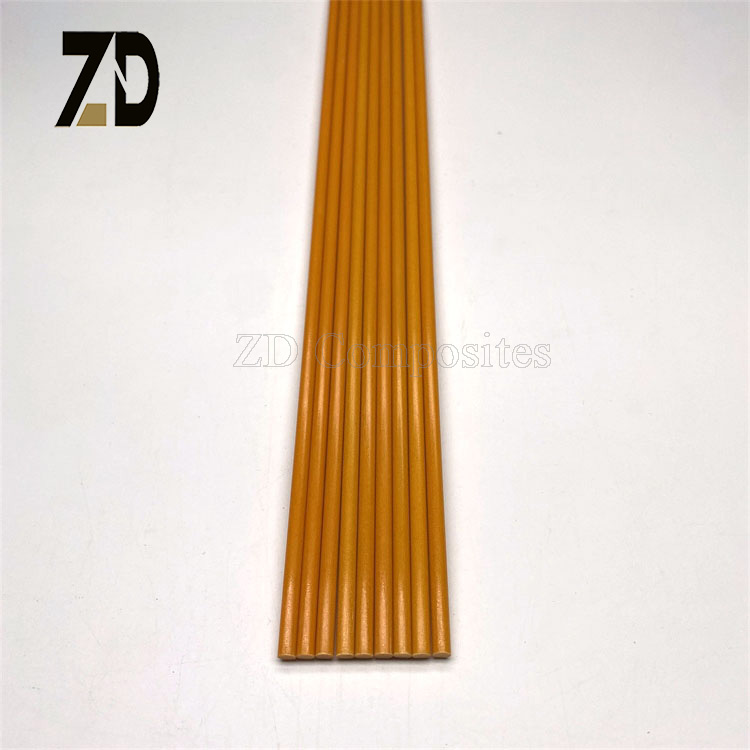
When establishing new trees in your landscape or commercial property, selecting the appropriate support system is crucial for successful growth and long-term health. A fiberglass tree stake offers superior durability and weather resistance compared to traditional wooden stakes, making it an increasingly popular choice among professional landscapers and property managers. The key to maximizing your investment lies in understanding how tree size, soil conditions, and environmental factors influence stake selection. Proper staking prevents root damage, reduces transplant shock, and ensures your trees develop strong, stable root systems that will support healthy growth for decades to come.
Understanding Tree Size Categories and Support Requirements
Small Trees and Saplings
Trees with trunk diameters under two inches typically require minimal support, but a fiberglass tree stake can still provide valuable protection against wind damage and accidental disturbance. For saplings and small ornamental trees, stakes measuring three to four feet in length usually provide adequate support without overwhelming the young tree's natural movement. The flexibility inherent in fiberglass materials allows these smaller trees to develop natural trunk strength while preventing excessive swaying that could damage developing root systems. When installing stakes for small trees, position them at least eighteen inches from the trunk to avoid root interference during the critical establishment period.
The diameter of your fiberglass tree stake should correspond to the tree's current size and expected growth rate. For small trees, stakes with diameters between half an inch and three-quarters of an inch provide sufficient support without creating an overly rigid environment. This sizing allows the tree to experience controlled movement, which is essential for developing trunk taper and strengthening wood fibers. Professional arborists recommend monitoring small trees closely during the first growing season to ensure the staking system remains appropriate as the tree establishes itself in its new location.
Medium-Sized Trees
Trees with trunk diameters between two and four inches represent the most common category requiring professional-grade support systems. A quality fiberglass tree stake for medium-sized trees should measure between five and seven feet in length, depending on soil conditions and expected wind exposure. The increased height ensures adequate leverage to support the larger canopy and trunk mass while penetrating deep enough into the soil to provide stable anchoring. Medium-sized trees often benefit from a two-stake system, with stakes positioned on opposite sides of the tree to provide balanced support without restricting natural growth patterns.
The load-bearing requirements for medium-sized trees demand careful consideration of stake diameter and material composition. Fiberglass tree stake options in the three-quarter inch to one-inch diameter range typically provide optimal performance for this category. The composite construction of modern fiberglass stakes offers exceptional strength-to-weight ratios, making installation easier while delivering long-term reliability. When selecting stakes for medium-sized trees, evaluate the specific species' growth characteristics, as fast-growing varieties may require more robust support systems to accommodate rapid canopy development during the establishment period.
Environmental Factors Affecting Stake Selection
Wind Exposure and Weather Conditions
Geographic location and site-specific wind patterns significantly influence the type and size of fiberglass tree stake required for optimal tree support. Areas prone to high winds, coastal environments, or locations with frequent storms demand more robust staking systems to prevent tree failure during severe weather events. The aerodynamic properties of fiberglass materials provide advantages in windy conditions, as they flex with wind forces rather than creating rigid resistance points that could lead to trunk damage or stake failure. Professional landscapers often increase stake diameter and length specifications by twenty to thirty percent in high-wind areas to ensure adequate safety margins.
Seasonal weather variations also impact staking requirements, particularly in regions experiencing freeze-thaw cycles or extreme temperature fluctuations. A properly specified fiberglass tree stake maintains its structural integrity across wide temperature ranges, unlike organic materials that may weaken or become brittle in extreme conditions. The UV-resistant properties of quality fiberglass stakes prevent degradation from prolonged sun exposure, ensuring consistent performance throughout the support period. When evaluating environmental factors, consider both immediate weather risks and long-term climate patterns to select stakes that will perform reliably for the entire support duration.
Soil Conditions and Drainage
Soil composition, drainage characteristics, and compaction levels directly affect the penetration depth and holding power required from your staking system. Sandy or loose soils may require longer stakes or additional anchoring methods to prevent movement during wind events or soil settlement. Conversely, clay or compacted soils provide excellent holding power but may require pre-drilling or specialized installation techniques to achieve proper penetration depth. The corrosion-resistant properties of fiberglass tree stake materials offer significant advantages in challenging soil conditions where metal alternatives might deteriorate rapidly due to moisture or chemical exposure.
Poor drainage conditions present unique challenges for tree staking systems, as saturated soils can reduce holding power and create unstable conditions around stake installations. In these environments, a fiberglass tree stake offers superior longevity compared to organic materials that may rot or decompose in wet conditions. The non-porous nature of fiberglass prevents water absorption and the associated expansion-contraction cycles that can loosen stakes over time. When working with challenging soil conditions, consider increasing stake diameter or using specialized installation techniques to ensure adequate holding power throughout the support period.
Installation Techniques for Different Tree Sizes
Proper Positioning and Spacing
The positioning of your fiberglass tree stake system directly influences its effectiveness and the tree's long-term health. For single-stake installations, position the stake on the windward side of the tree, maintaining a distance of eighteen to twenty-four inches from the trunk to avoid root damage. Multi-stake systems require careful spacing to provide balanced support without creating excessive restriction on natural tree movement. The triangular configuration commonly used for larger trees distributes forces evenly while allowing controlled flexing that promotes trunk strength development. Professional installation teams often use geometric spacing calculations to ensure optimal load distribution across the entire support system.
Stake angle and penetration depth significantly impact system performance, particularly for larger trees requiring substantial support. A fiberglass tree stake should penetrate at least twenty-four inches into undisturbed soil to provide adequate anchoring, with deeper penetration required in loose or sandy conditions. The slight outward angle of stakes in multi-stake systems helps distribute loads more effectively while reducing the risk of stake-to-trunk contact during wind events. When installing stakes for different tree sizes, maintain consistent installation standards while adjusting spacing and depth requirements based on specific tree characteristics and site conditions.
Attachment Methods and Hardware
Selecting appropriate attachment hardware is crucial for maintaining proper tree-to-stake connection without causing damage to developing bark or cambium layers. Flexible tie materials allow natural tree movement while providing necessary support, with adjustment capabilities to accommodate trunk growth during the establishment period. The smooth surface of fiberglass tree stake materials reduces friction and wear on attachment hardware, extending system life and reducing maintenance requirements. Professional-grade installations often incorporate cushioning materials at attachment points to prevent chafing and allow for seasonal expansion and contraction of tree trunks.
Hardware selection must account for the specific forces expected during the support period, including wind loads, ice accumulation, and normal tree growth stresses. Galvanized or stainless steel hardware provides corrosion resistance necessary for long-term outdoor exposure, while synthetic tie materials offer UV resistance and flexibility advantages over natural fiber alternatives. The modular nature of quality staking systems allows for easy adjustment or removal as trees establish themselves, making it essential to select hardware that facilitates these maintenance activities without compromising system integrity or tree health.
Long-term Performance and Maintenance Considerations
Monitoring Tree Development
Regular monitoring of staked trees ensures the support system continues to provide appropriate assistance without hindering natural development. A properly installed fiberglass tree stake system should allow gradual transition from artificial support to independent stability as root systems develop and trunk strength increases. Professional arborists recommend quarterly inspections during the first year following installation, with particular attention to tie adjustment and stake integrity. The transparent nature of fiberglass materials makes visual inspection easier, allowing for early detection of potential problems before they impact tree health or system performance.
Growth rate monitoring helps determine optimal timing for support system modification or removal, preventing over-dependence on artificial support that could weaken natural trunk development. Different tree species exhibit varying establishment timeframes, with some requiring support for just one growing season while others may benefit from extended staking periods. The durability of fiberglass tree stake materials supports extended installation periods when necessary, maintaining structural integrity and appearance throughout multi-year support cycles. Documentation of tree growth progress and system performance helps refine staking specifications for future installations in similar conditions.
System Longevity and Replacement Planning
The exceptional durability of modern fiberglass tree stake systems provides significant cost advantages through extended service life and reduced replacement frequency. Unlike traditional wooden stakes that may deteriorate within two to three years, quality fiberglass alternatives can maintain structural integrity for decades under normal conditions. This longevity makes them particularly valuable for commercial installations where maintenance costs and system reliability are critical factors. The UV-stable formulations used in professional-grade fiberglass tree stake products prevent degradation from prolonged sun exposure, maintaining both strength and appearance throughout the service life.
Planning for eventual system removal requires consideration of tree development timelines and site-specific growth conditions. Most trees achieve sufficient stability within two to five years of installation, depending on species characteristics and environmental factors. The lightweight nature of fiberglass tree stake systems simplifies removal procedures while minimizing soil disturbance around established root systems. When planning long-term landscape management, the reusable nature of quality fiberglass stakes provides additional value through potential relocation to new tree installations, maximizing return on investment across multiple projects.
FAQ
What diameter fiberglass tree stake should I use for a three-inch trunk tree
For trees with three-inch trunk diameters, select a fiberglass tree stake with a diameter between three-quarters of an inch and one inch. This sizing provides adequate support strength while allowing controlled movement necessary for proper trunk development. The stake length should be six to seven feet to ensure proper soil penetration and above-ground support height proportional to the tree size.
How deep should I install fiberglass tree stakes in sandy soil
In sandy soil conditions, drive your fiberglass tree stake at least thirty inches deep to compensate for reduced holding power compared to denser soil types. The loose nature of sandy soil requires deeper penetration to achieve stable anchoring, and you may need to consider larger diameter stakes or additional anchoring methods for trees in high-wind areas with sandy soil conditions.
Can I reuse fiberglass tree stakes after removing them from established trees
Yes, quality fiberglass tree stake materials can typically be reused multiple times due to their durability and resistance to weathering. Inspect stakes for any damage or wear before reinstallation, paying particular attention to areas that may have experienced stress concentrations. Clean stakes thoroughly and check that attachment points remain intact before using them to support new tree installations.
How long should I leave fiberglass tree stakes in place
Most trees require fiberglass tree stake support for one to three years, depending on species growth rate, soil conditions, and environmental factors. Monitor tree stability by gently testing trunk movement during calm weather conditions. When the tree demonstrates adequate stability without excessive swaying, you can safely remove the staking system to prevent over-dependence on artificial support that might weaken natural trunk strength development.