
 EN
EN


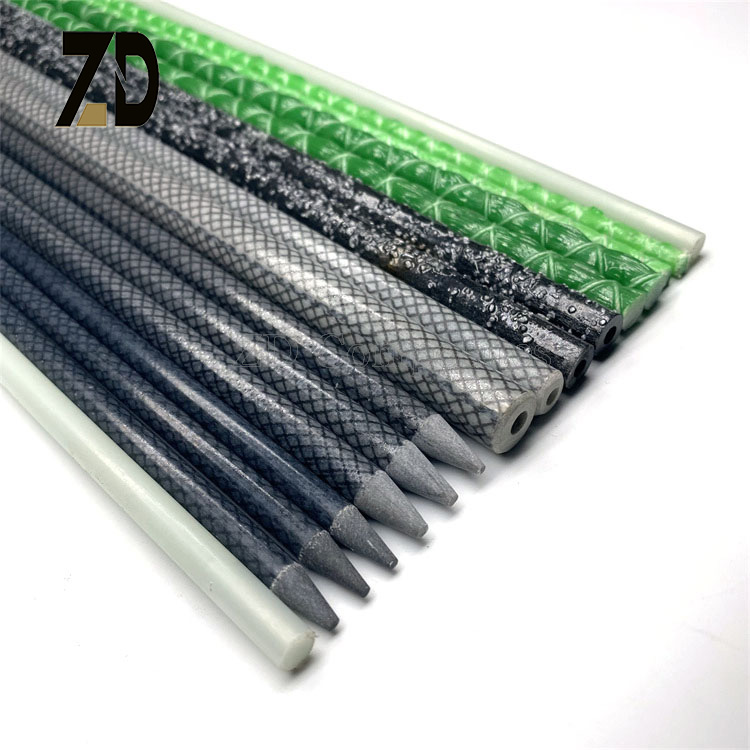
Tree support systems play a crucial role in ensuring healthy growth and stability for newly planted or vulnerable trees. Among various staking materials available today, the fiberglass tree stake has emerged as the preferred choice for arborists, landscapers, and property managers seeking reliable long-term solutions. These innovative support systems offer superior durability, weather resistance, and performance characteristics that make them ideal for protecting valuable tree investments across diverse environmental conditions.
The construction industry and landscaping professionals have increasingly recognized the limitations of traditional staking materials such as wood and metal. While these conventional options may provide temporary support, they often fail to deliver the longevity and consistent performance required for effective tree establishment. Modern arboricultural practices demand staking solutions that can withstand years of exposure to harsh weather conditions while maintaining structural integrity and providing appropriate flexibility for natural tree movement.
Understanding the advantages of fiberglass staking systems requires examining their unique material properties and construction methods. Unlike organic materials that decompose over time or metal stakes that corrode and become brittle, fiberglass stakes maintain their strength and flexibility throughout extended service periods. This remarkable durability translates into significant cost savings for property owners and maintenance professionals who would otherwise need to replace failing stakes repeatedly.
Material Advantages of Fiberglass Construction
Superior Durability and Longevity
The exceptional durability of a fiberglass tree stake stems from its composite construction, which combines glass fibers with polymer resin matrices. This manufacturing process creates a material that resists environmental degradation far better than traditional alternatives. While wooden stakes typically deteriorate within two to three years due to moisture exposure and insect damage, fiberglass options can maintain their structural integrity for decades without significant performance reduction.
Field studies conducted across various climate zones have demonstrated that quality fiberglass staking systems can provide effective support for twenty years or more when properly installed. This extended service life eliminates the recurring costs and labor associated with stake replacement, making fiberglass options highly economical for long-term tree care programs. The material's resistance to UV radiation, temperature fluctuations, and chemical exposure ensures consistent performance regardless of environmental conditions.
Weather and Environmental Resistance
Environmental factors pose significant challenges for tree support systems, particularly in regions with extreme weather patterns. A high-quality fiberglass tree stake demonstrates remarkable resistance to moisture penetration, preventing the internal damage that commonly affects wooden alternatives. Unlike metal stakes that expand and contract with temperature changes, fiberglass maintains dimensional stability across wide temperature ranges, reducing stress on both the stake and the supported tree.
The non-porous nature of fiberglass construction prevents water absorption that leads to freeze-thaw damage in colder climates. This characteristic proves especially valuable in regions where repeated freezing cycles can destroy conventional staking materials within a single season. Additionally, fiberglass stakes resist chemical damage from soil amendments, fertilizers, and urban pollutants that can accelerate the degradation of other materials.
Performance Benefits for Tree Health
Optimal Flexibility and Support Balance
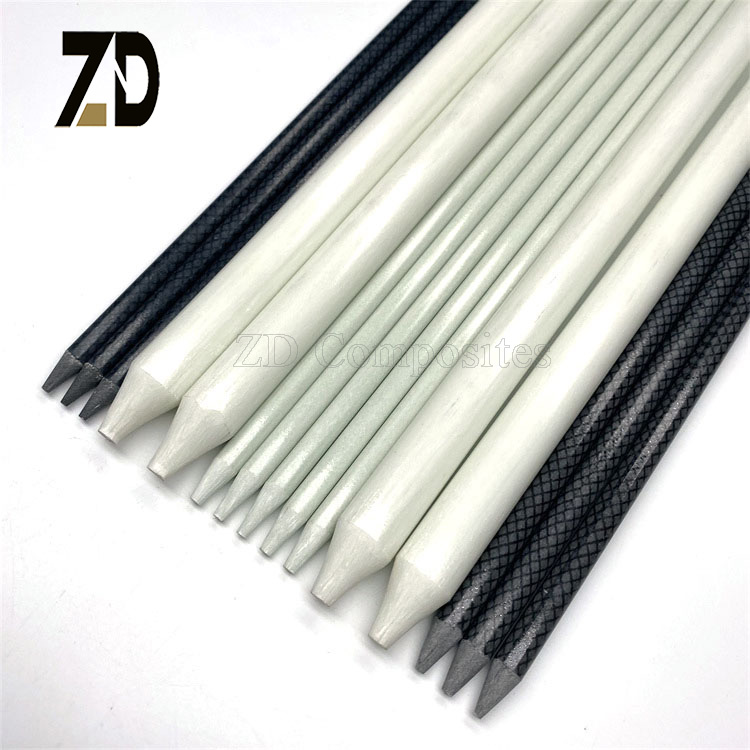
Successful tree staking requires achieving the proper balance between support and flexibility to promote healthy root development and trunk strength. A properly designed fiberglass tree stake provides controlled movement that encourages natural trunk taper development while preventing excessive swaying that could damage developing root systems. This flexibility characteristic distinguishes fiberglass stakes from rigid alternatives that can inhibit normal tree growth patterns.
The engineered flexibility of fiberglass staking systems allows trees to develop stronger root anchoring and trunk stability over time. Research indicates that trees supported with appropriately flexible stakes develop better structural characteristics compared to those restrained by overly rigid support systems. This natural movement tolerance helps trees adapt to wind loading and environmental stresses more effectively once the stakes are eventually removed.
Non-Conductive Safety Properties
Safety considerations play an important role in staking material selection, particularly in commercial and public landscapes where liability concerns are paramount. Fiberglass stakes offer significant safety advantages due to their non-conductive properties, eliminating electrical hazard risks associated with metal alternatives. This characteristic proves especially valuable in urban environments where underground utilities and overhead power lines create potential electrical safety concerns.
The non-metallic construction of a fiberglass tree stake also eliminates concerns about magnetic interference with sensitive equipment or detection systems commonly found in institutional and commercial properties. This attribute makes fiberglass staking systems suitable for use near hospitals, research facilities, and other environments where electromagnetic neutrality is essential for proper equipment operation.
Installation and Maintenance Advantages
Simplified Installation Processes
Professional landscapers and maintenance crews appreciate the installation advantages offered by fiberglass staking systems. The lightweight nature of fiberglass stakes reduces physical strain during installation while maintaining adequate strength for effective tree support. This weight advantage becomes particularly important when installing multiple stakes or working in difficult terrain where equipment access is limited.
The consistent diameter and smooth surface finish of manufactured fiberglass tree stake products facilitate easier insertion into various soil types. Unlike wooden stakes that may split or bind during installation, fiberglass alternatives drive cleanly through most soil conditions with minimal resistance. This installation ease reduces labor time and costs while ensuring proper stake placement for optimal tree support.
Minimal Maintenance Requirements
Long-term maintenance considerations significantly impact the total cost of ownership for tree support systems. Fiberglass stakes require virtually no maintenance once properly installed, unlike wooden alternatives that may need periodic inspection for decay or insect damage. The material's resistance to biological degradation eliminates concerns about termite infestation or fungal decay that can compromise wooden stake integrity without visible warning signs.
The smooth, non-porous surface of a quality fiberglass tree stake prevents accumulation of debris and organic matter that could harbor pests or promote deterioration. This self-cleaning characteristic reduces maintenance requirements and helps ensure consistent performance throughout the stake's service life. Property managers can focus resources on tree care rather than stake replacement and maintenance activities.
Cost-Effectiveness and Return on Investment
Initial Investment Considerations
While fiberglass staking systems typically require higher initial investment compared to conventional wooden alternatives, the long-term economic benefits justify this upfront cost difference. Professional buyers must evaluate total lifecycle costs rather than focusing solely on initial purchase prices when selecting tree support systems. The extended service life of fiberglass stakes often results in lower per-year costs compared to frequently replaced alternatives.
Volume purchasing opportunities and bulk installation projects can further improve the cost-effectiveness of fiberglass staking systems. Many manufacturers offer quantity discounts that make fiberglass options more competitive with traditional materials when purchased for large-scale landscaping projects. These pricing structures recognize the professional market's need for reliable, long-term solutions that minimize ongoing maintenance expenses.
Long-Term Value Proposition
The superior longevity of a fiberglass tree stake creates substantial value through reduced replacement cycles and maintenance activities. Property owners and management companies can allocate resources more efficiently when staking systems provide decades of reliable service rather than requiring replacement every few years. This predictable performance helps with budget planning and reduces unexpected maintenance expenses.
Professional landscaping contractors benefit from the reputation advantages associated with recommending durable, high-performance staking solutions. Clients appreciate systems that continue performing effectively years after installation, creating opportunities for additional business relationships and referrals. The professional appearance and consistent performance of fiberglass stakes reflect positively on the quality standards maintained by landscape professionals.
Environmental and Sustainability Benefits
Reduced Material Consumption
Environmental sustainability increasingly influences material selection decisions across various industries, including landscape management and arboriculture. The extended service life of fiberglass tree stake products reduces overall material consumption by eliminating frequent replacement cycles required with biodegradable alternatives. This longevity characteristic contributes to more sustainable landscape management practices by minimizing resource consumption over time.
Manufacturing processes for quality fiberglass stakes have become increasingly efficient, utilizing recycled materials and minimizing waste production. Many manufacturers incorporate recycled glass fibers and recovered polymer materials into their production processes, reducing the environmental impact associated with raw material extraction and processing. These sustainability improvements make fiberglass staking systems attractive options for environmentally conscious organizations and green building projects.
Waste Reduction and Disposal Benefits
The durability advantages of fiberglass staking systems contribute to significant waste reduction compared to conventional alternatives. Wooden stakes that require replacement every few years generate substantial disposal volumes over time, particularly in large-scale landscaping operations. Fiberglass stakes that provide decades of service dramatically reduce this waste stream and associated disposal costs.
End-of-life disposal options for fiberglass materials continue improving as recycling technologies advance. While traditional disposal methods remain available, emerging recycling processes can recover valuable materials from worn fiberglass products for reuse in new applications. This circular economy approach further enhances the environmental benefits associated with choosing durable fiberglass tree stake systems over disposable alternatives.
FAQ
How long do fiberglass tree stakes typically last compared to wooden stakes
Quality fiberglass tree stakes can provide effective support for twenty years or more under normal conditions, while wooden stakes typically deteriorate within two to three years due to moisture exposure and biological degradation. This dramatic difference in service life makes fiberglass options more economical despite higher initial costs, as they eliminate recurring replacement expenses and labor associated with maintaining wooden staking systems.
Are fiberglass stakes suitable for all tree species and sizes
Fiberglass tree stakes work effectively for most tree species and can be manufactured in various diameters and lengths to accommodate different support requirements. The material's engineered flexibility provides appropriate support without restricting natural growth patterns, making it suitable for both deciduous and evergreen species. Proper stake sizing and installation techniques ensure optimal performance regardless of tree type or mature size expectations.
What installation considerations are important for fiberglass tree stakes
Successful installation requires proper depth placement, typically driving stakes to approximately two-thirds of their length into stable soil. The non-conductive properties of fiberglass eliminate electrical safety concerns, but installers should still verify underground utility locations before driving stakes. Proper attachment methods using appropriate ties or straps ensure effective support while allowing controlled tree movement that promotes healthy development.
Do fiberglass stakes require special maintenance or inspection procedures
Fiberglass tree stakes require minimal maintenance once properly installed, unlike wooden alternatives that need regular inspection for decay or damage. Periodic checking of attachment points and tie materials ensures continued effectiveness, but the stakes themselves typically maintain their integrity throughout their service life. This low-maintenance characteristic makes fiberglass staking systems particularly attractive for large-scale installations where ongoing maintenance costs significantly impact total project economics.