
 EN
EN


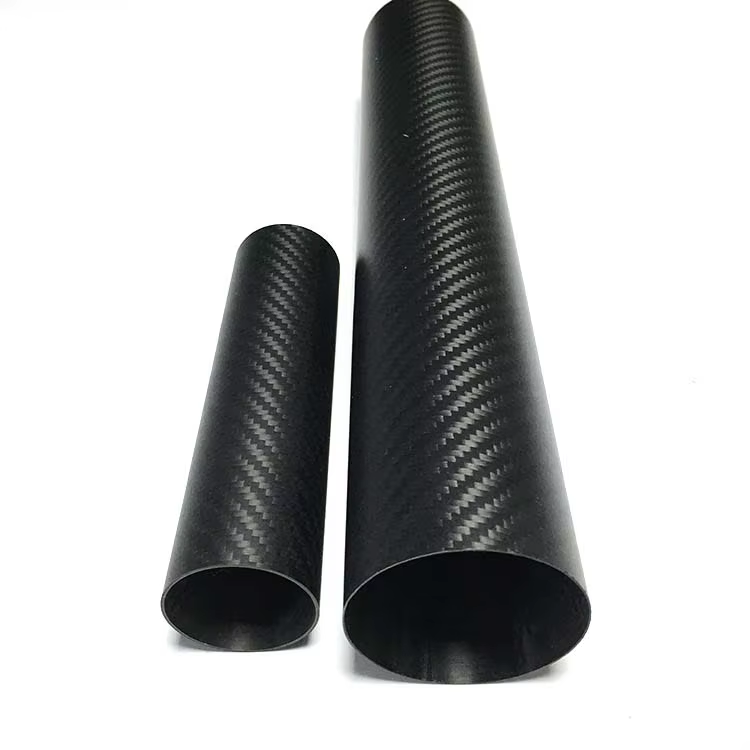
The integration of advanced materials in robotics and automation systems has revolutionized manufacturing precision and operational efficiency. Among these materials, carbon fiber tubing stands out as a game-changing component that delivers exceptional strength-to-weight ratios and dimensional stability. Modern robotic applications demand materials that can withstand repetitive motions, vibrations, and varying environmental conditions while maintaining structural integrity. Carbon fiber tubing addresses these challenges by offering superior mechanical properties that traditional materials simply cannot match.
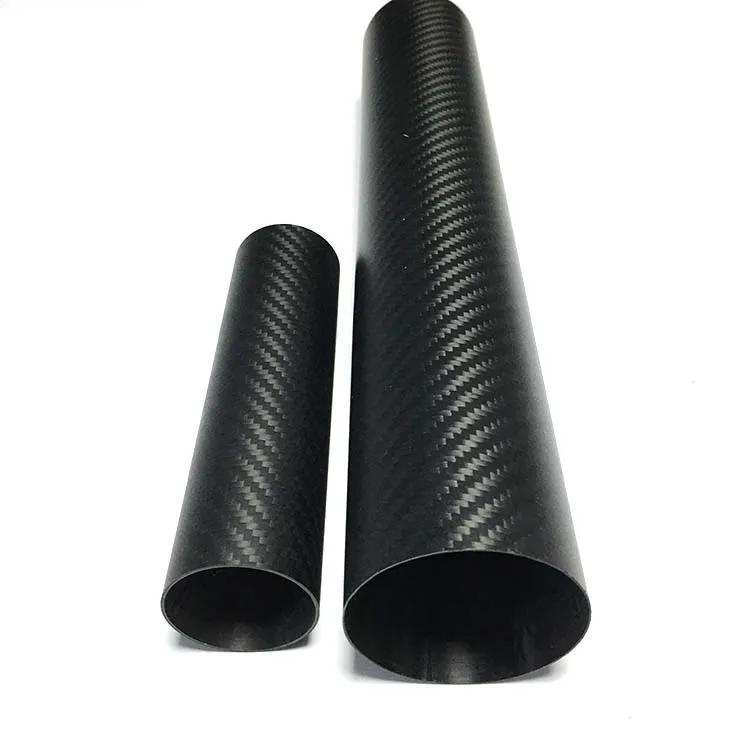
The aerospace-grade construction of carbon fiber tubing provides robotic systems with unprecedented reliability and performance characteristics. Engineers increasingly specify carbon fiber tubing for critical applications where weight reduction directly impacts system efficiency and operational costs. This advanced composite material enables faster acceleration and deceleration cycles while reducing energy consumption throughout automated processes.
Material Properties and Engineering Advantages
Exceptional Strength-to-Weight Performance
Carbon fiber tubing exhibits tensile strength values exceeding 3,500 MPa while maintaining a density approximately 75% lower than steel equivalents. This remarkable combination allows robotic arms and structural components to achieve greater reach and payload capacity without compromising positional accuracy. The inherent stiffness of carbon fiber tubing minimizes deflection under load, ensuring consistent repeatability in precision manufacturing applications.
Manufacturing processes for carbon fiber tubing involve precise fiber orientation and resin matrix optimization, resulting in predictable mechanical properties across different wall thicknesses and diameter specifications. The unidirectional fiber arrangement provides maximum strength along the tube's longitudinal axis, while circumferential reinforcement layers enhance torsional resistance. This engineered approach to material design enables custom solutions for specific robotic applications.
Dimensional Stability and Thermal Characteristics
The low coefficient of thermal expansion in carbon fiber tubing ensures minimal dimensional changes across operational temperature ranges commonly encountered in industrial automation. Unlike aluminum or steel alternatives, carbon fiber tubing maintains its geometric precision even during extended operating cycles or thermal cycling conditions. This stability proves critical for robotic systems requiring micron-level positioning accuracy.
Thermal conductivity properties of carbon fiber tubing provide effective heat dissipation when integrated with servo motors and drive systems. The material's ability to distribute thermal loads prevents localized heating that could affect mechanical tolerances or electronic component performance. Advanced manufacturing techniques allow for tailored thermal properties through strategic fiber placement and matrix selection.
Robotic System Integration and Design Considerations
Structural Framework Applications
Robotic chassis and framework designs benefit significantly from carbon fiber tubing integration due to reduced inertial loads and improved dynamic response characteristics. The material's excellent fatigue resistance enables millions of operational cycles without degradation in structural performance. Modern robotic systems utilizing carbon fiber tubing demonstrate enhanced acceleration profiles and reduced settling times compared to conventional metallic alternatives.
Joint assemblies and connection methods for carbon fiber tubing have evolved to accommodate various robotic configurations while maintaining structural continuity. Adhesive bonding, mechanical fasteners, and hybrid joining techniques enable secure attachment points without introducing stress concentrations that could compromise tube integrity. Design engineers can optimize wall thickness and fiber layup schedules to match specific load requirements and geometric constraints.
Pneumatic and Hydraulic System Integration
Automation systems frequently require carbon fiber tubing for pneumatic actuator housings and hydraulic cylinder applications where weight reduction enhances system responsiveness. The material's excellent pressure containment capabilities allow for higher operating pressures while maintaining safety margins required in industrial environments. Internal surface treatments ensure compatibility with various hydraulic fluids and pneumatic media.
Sealing interfaces between carbon fiber tubing and metallic components require careful consideration of thermal expansion differentials and material compatibility. Advanced sealing technologies and gasket materials have been developed specifically for carbon fiber applications, ensuring long-term reliability in demanding automation environments. Proper installation techniques prevent galvanic corrosion and maintain system integrity over extended service intervals.
Manufacturing and Automation Process Benefits
Precision Assembly and Quality Control
The consistent properties of carbon fiber tubing enable automated manufacturing processes to achieve tighter tolerances and improved quality control metrics. Robotic assembly systems incorporating carbon fiber components demonstrate reduced variation in final product specifications due to the material's dimensional stability and predictable behavior. Quality assurance procedures for carbon fiber tubing include non-destructive testing methods that verify structural integrity without compromising component performance.
Surface finish characteristics of carbon fiber tubing contribute to reduced friction in sliding applications and improved aesthetic appearance in visible robotic components. The smooth, uniform surface texture minimizes wear on mating components while reducing maintenance requirements throughout the system's operational life. Advanced manufacturing processes can produce carbon fiber tubing with various surface treatments optimized for specific application requirements.
Cost-Effectiveness and Lifecycle Performance
While initial material costs for carbon fiber tubing may exceed traditional alternatives, the total cost of ownership demonstrates significant advantages through reduced maintenance, improved energy efficiency, and extended service life. Robotic systems utilizing carbon fiber tubing typically require fewer replacement parts and experience less downtime due to material-related failures. The enhanced performance characteristics translate directly into improved productivity and reduced operational costs.
Energy consumption analysis reveals that carbon fiber tubing applications in robotics can reduce power requirements by 15-30% compared to equivalent metallic systems. This energy savings results from reduced inertial loads, improved acceleration characteristics, and decreased friction in moving assemblies. Environmental benefits include reduced carbon footprint over the product lifecycle and enhanced recyclability at end-of-life disposal.
Advanced Applications in Modern Automation
High-Speed Manufacturing Systems
Pick-and-place operations in electronics manufacturing benefit from carbon fiber tubing integration through improved acceleration capabilities and reduced settling times. The material's excellent vibration damping properties minimize unwanted oscillations that could affect placement accuracy or component handling. Carbon fiber tubing enables robotic systems to achieve higher throughput rates while maintaining precision requirements essential for modern manufacturing processes.
Continuous motion applications, such as web handling and conveyor systems, utilize carbon fiber tubing for roller assemblies and support structures where weight reduction directly impacts system efficiency. The material's resistance to fatigue loading ensures reliable operation under continuous duty cycles typical in high-volume production environments. Dynamic balancing characteristics improve with carbon fiber tubing implementation due to consistent material properties and precise manufacturing tolerances.
Cleanroom and Sterile Environment Applications
Pharmaceutical and semiconductor manufacturing environments require robotic components that meet stringent cleanliness standards while maintaining exceptional performance characteristics. Carbon fiber tubing provides excellent chemical resistance to cleaning agents and sterilization procedures commonly used in these industries. The non-porous surface structure prevents contamination accumulation and facilitates thorough cleaning protocols.
Outgassing characteristics of properly cured carbon fiber tubing meet requirements for vacuum applications and controlled atmosphere processing. The material's stability under various sterilization methods, including gamma radiation, autoclave treatment, and chemical exposure, makes it suitable for medical device manufacturing and biotechnology applications. Carbon fiber tubing maintains dimensional accuracy and mechanical properties even after repeated sterilization cycles.
Design Optimization and Customization Options
Tailored Mechanical Properties
Engineering flexibility in carbon fiber tubing manufacturing allows for customized layup schedules that optimize specific mechanical properties for targeted applications. Fiber orientation angles can be adjusted to enhance torsional strength, bending stiffness, or axial loading characteristics based on robotic system requirements. This customization capability enables designers to achieve optimal performance while minimizing material usage and overall component weight.
Wall thickness variations along the tube length provide additional design optimization opportunities for applications with varying load distributions or geometric constraints. Tapered configurations and variable cross-sections can be manufactured to match specific robotic joint requirements or mounting interface specifications. These custom solutions often result in improved performance compared to standard tube configurations.
Surface Treatment and Finishing Options
Specialized surface treatments for carbon fiber tubing include conductive coatings for electromagnetic shielding applications and anti-static properties required in electronics manufacturing environments. Protective coatings enhance chemical resistance and provide additional barrier properties for harsh industrial environments. These treatments can be applied during manufacturing or as post-processing operations depending on application requirements.
Machining capabilities for carbon fiber tubing enable precise feature integration, including mounting holes, slots, and threaded connections that facilitate system assembly and maintenance procedures. Specialized cutting tools and techniques ensure clean edges and prevent delamination during machining operations. Quality control measures verify dimensional accuracy and surface finish requirements after machining processes.
Future Developments and Industry Trends
Advanced Manufacturing Technologies
Emerging manufacturing processes for carbon fiber tubing include automated fiber placement systems that enhance consistency and reduce production costs while enabling more complex geometric configurations. Three-dimensional weaving techniques create seamless transitions between different tube sections and eliminate potential failure points associated with traditional joining methods. These advanced manufacturing approaches expand design possibilities for next-generation robotic systems.
Integration of sensors and smart materials within carbon fiber tubing structures enables real-time monitoring of structural health and performance parameters. Embedded fiber optic sensors can detect strain, temperature, and vibration characteristics throughout the component's operational life. This monitoring capability supports predictive maintenance strategies and enhances overall system reliability in critical automation applications.
Sustainability and Environmental Considerations
Recycling technologies for carbon fiber tubing continue to evolve, with new processes recovering usable fibers for secondary applications while maintaining acceptable mechanical properties. Bio-based resin systems offer potential environmental benefits while maintaining the performance characteristics required for robotic applications. Life cycle assessment studies demonstrate the overall environmental advantages of carbon fiber tubing in long-term automation applications.
Supply chain developments focus on regional manufacturing capabilities that reduce transportation costs and environmental impact while improving delivery times for custom carbon fiber tubing solutions. Local manufacturing also enables closer collaboration between material suppliers and robotic system designers, resulting in optimized solutions that better meet specific application requirements.
FAQ
What are the primary advantages of carbon fiber tubing in robotic applications compared to traditional materials
Carbon fiber tubing offers exceptional strength-to-weight ratios, typically 5-7 times stronger than steel while weighing 75% less. This combination enables faster robotic movements, reduced energy consumption, and improved precision through decreased inertial loads. The material also provides superior dimensional stability across temperature variations and excellent fatigue resistance for millions of operational cycles.
How does carbon fiber tubing impact the overall cost of robotic system ownership
While initial material costs may be higher, carbon fiber tubing typically reduces total ownership costs through decreased energy consumption (15-30% reduction), extended service life, and reduced maintenance requirements. The improved performance characteristics often translate to higher productivity and fewer system failures, offsetting the initial investment through operational savings.
Can carbon fiber tubing be customized for specific robotic applications
Yes, carbon fiber tubing can be extensively customized through fiber orientation optimization, wall thickness variations, surface treatments, and geometric modifications. Manufacturers can tailor mechanical properties, thermal characteristics, and dimensional specifications to meet specific application requirements. Custom layup schedules enable optimization for torsional strength, bending stiffness, or axial loading based on robotic system needs.
What maintenance considerations apply to carbon fiber tubing in automation systems
Carbon fiber tubing requires minimal maintenance due to its excellent fatigue resistance and dimensional stability. Regular visual inspections for surface damage and proper cleaning procedures maintain optimal performance. The material's resistance to corrosion, chemicals, and environmental factors significantly reduces maintenance requirements compared to metallic alternatives, contributing to improved system uptime and reduced operational costs.
Table of Contents
- Material Properties and Engineering Advantages
- Robotic System Integration and Design Considerations
- Manufacturing and Automation Process Benefits
- Advanced Applications in Modern Automation
- Design Optimization and Customization Options
- Future Developments and Industry Trends
-
FAQ
- What are the primary advantages of carbon fiber tubing in robotic applications compared to traditional materials
- How does carbon fiber tubing impact the overall cost of robotic system ownership
- Can carbon fiber tubing be customized for specific robotic applications
- What maintenance considerations apply to carbon fiber tubing in automation systems