
 EN
EN


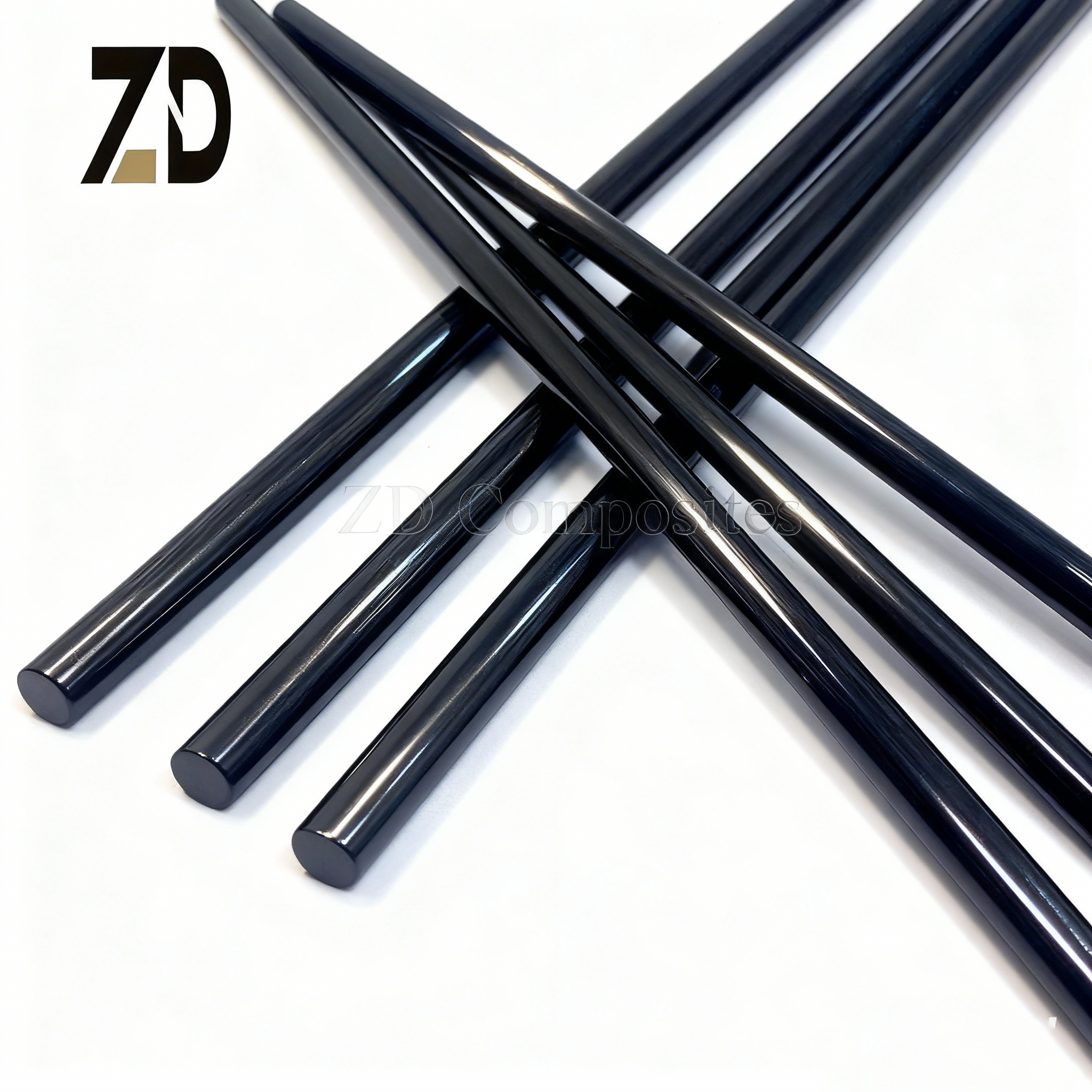
The choice of pole material significantly impacts the performance, durability, and cost-effectiveness of applications ranging from aerospace components to sporting equipment. Among the most widely used materials, carbon fiber stands out for its exceptional strength-to-weight ratio, while metal and fiberglass options offer their own distinct advantages. Understanding how a carbon fiber pole compares to traditional alternatives requires examining multiple performance factors, including tensile strength, flexural properties, weight characteristics, and long-term reliability. This comprehensive analysis will help engineers, designers, and procurement specialists make informed decisions when selecting the optimal pole material for their specific requirements.
Fundamental Material Properties and Composition
Carbon Fiber Construction Characteristics
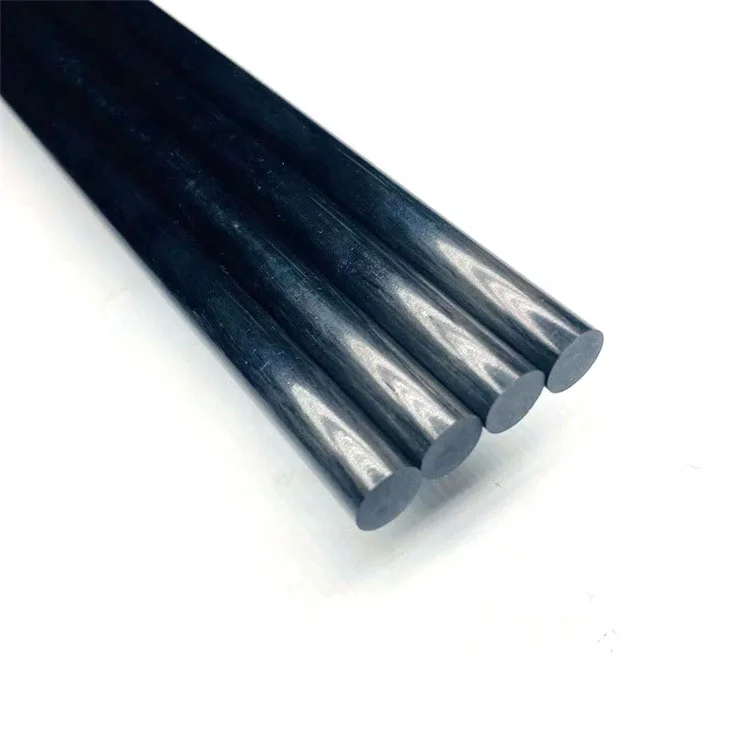
The carbon fiber pole derives its exceptional properties from the unique molecular structure of carbon atoms arranged in crystalline formations. This arrangement creates incredibly strong covalent bonds that resist deformation under stress while maintaining remarkable flexibility. The manufacturing process involves weaving carbon fiber strands into various patterns, then impregnating them with resin systems that cure to form a rigid composite structure. The resulting material exhibits anisotropic properties, meaning its strength varies depending on the direction of applied forces.
Modern carbon fiber pole production utilizes advanced pultrusion techniques that ensure consistent fiber alignment and optimal resin distribution throughout the cross-section. This manufacturing approach allows for precise control over wall thickness, diameter variations, and structural integrity. The carbon fiber content typically ranges from 60 to 70 percent by volume, with the remaining portion consisting of epoxy or other thermosetting resins that bind the fibers together and transfer loads between individual carbon strands.
Metal Pole Material Foundation
Metal poles, particularly those manufactured from aluminum alloys or steel, offer well-established mechanical properties that have been extensively documented and standardized across industries. Aluminum poles provide excellent corrosion resistance and moderate strength characteristics, making them suitable for outdoor applications where environmental exposure is a concern. Steel poles deliver superior tensile strength and stiffness but require protective coatings to prevent oxidation and maintain structural integrity over time.
The homogeneous nature of metal materials ensures isotropic properties, meaning strength characteristics remain consistent regardless of loading direction. This predictability simplifies design calculations and allows engineers to apply well-established safety factors with confidence. However, metal poles are significantly heavier than carbon fiber alternatives, which can impact installation procedures, transportation costs, and overall system dynamics in applications where weight is a critical consideration.
Fiberglass Composition and Structure
Fiberglass poles combine glass fiber reinforcement with polymer matrix materials to create a composite structure that offers good strength properties at moderate cost levels. The glass fibers provide tensile strength while the resin matrix transfers loads and protects the reinforcement from environmental damage. Unlike carbon fiber pole construction, fiberglass uses glass fibers that are less expensive to produce but also less strong on a per-unit-weight basis.
The manufacturing process for fiberglass poles typically involves filament winding or pultrusion methods similar to those used for carbon fiber production. However, the lower modulus of glass fibers results in structures that are more flexible and prone to deflection under load compared to carbon fiber alternatives. This characteristic can be advantageous in applications requiring flexibility but may limit performance in situations demanding high stiffness and minimal deformation.
Strength Performance Comparison Analysis
Tensile Strength Characteristics
When examining pure tensile strength, a carbon fiber pole demonstrates exceptional performance that often exceeds both metal and fiberglass alternatives by substantial margins. High-grade carbon fiber composites can achieve tensile strengths exceeding 4,000 MPa, compared to typical aluminum alloy strengths of 200-400 MPa and steel strengths ranging from 400-1,200 MPa depending on the specific alloy and heat treatment. This dramatic difference means that carbon fiber structures can handle significantly higher pulling forces while maintaining structural integrity.
The superior tensile properties of carbon fiber pole construction result from the incredible strength of individual carbon fibers, which can exceed 7,000 MPa in laboratory conditions. While composite structures rarely achieve the full theoretical strength due to fiber-matrix interactions and manufacturing variations, the practical tensile strength still surpasses conventional materials by wide margins. This advantage becomes particularly important in applications where poles must support significant axial loads or resist forces that would cause permanent deformation in metal or fiberglass structures.
Flexural Strength and Stiffness
Flexural strength represents the ability to resist bending forces without failure, and carbon fiber pole designs excel in this critical performance area. The high elastic modulus of carbon fibers, typically ranging from 200-400 GPa, provides exceptional stiffness that minimizes deflection under transverse loading. This characteristic proves essential in applications where dimensional stability is crucial, such as precision equipment mounting or structural support systems.
Aluminum poles offer moderate flexural properties with elastic modulus values around 70 GPa, while steel provides higher stiffness at approximately 200 GPa but with significantly increased weight penalties. Fiberglass poles typically exhibit elastic modulus values between 25-45 GPa, resulting in greater flexibility but reduced stiffness compared to carbon fiber alternatives. The carbon fiber pole advantage becomes most apparent in applications requiring maximum stiffness with minimum weight, where the superior modulus-to-density ratio provides unmatched performance.
Impact Resistance and Durability
Impact resistance characteristics vary significantly between pole materials, with each offering distinct advantages depending on the specific type of impact loading expected. Carbon fiber pole structures demonstrate excellent resistance to high-energy impacts that occur over short duration periods, absorbing energy through fiber stretching and controlled delamination processes. However, carbon fiber can be susceptible to damage from sharp impacts or point loads that concentrate stress in small areas.
Metal poles, particularly those made from aluminum alloys, offer superior resistance to localized impacts and can often be repaired if damage occurs. The ductile nature of metals allows for plastic deformation that absorbs impact energy without catastrophic failure, though permanent deformation may result from severe impacts. Steel poles provide the highest impact resistance but at the cost of increased weight and potential corrosion concerns in harsh environments.
Weight and Performance Efficiency
Density Comparison and Weight Implications
The weight advantage of carbon fiber pole construction becomes immediately apparent when comparing material densities across different options. Carbon fiber composites typically exhibit densities ranging from 1.5 to 1.8 g/cm³, while aluminum poles have densities around 2.7 g/cm³ and steel poles range from 7.8 to 8.0 g/cm³. This means that a carbon fiber pole weighs approximately 40% less than an equivalent aluminum structure and up to 80% less than steel alternatives while maintaining superior strength characteristics.
The weight reduction achieved through carbon fiber pole implementation provides cascading benefits throughout entire systems. Reduced structural loads allow for lighter support frameworks, decreased foundation requirements, and simplified installation procedures. In portable applications, the weight savings translate directly into improved handling characteristics, reduced transportation costs, and enhanced user experience. These advantages often justify the higher initial material costs through improved operational efficiency and reduced lifecycle expenses.
Strength-to-Weight Ratio Analysis
The strength-to-weight ratio represents perhaps the most critical performance metric when comparing pole materials, as it directly relates to structural efficiency and overall system optimization. Carbon fiber pole designs consistently deliver the highest strength-to-weight ratios across multiple loading conditions, often exceeding metal alternatives by factors of three to five times. This superior ratio enables designers to achieve required performance levels with significantly less material mass.
Specific strength calculations reveal that high-performance carbon fiber composites can achieve values exceeding 2,000 kN⋅m/kg, compared to aluminum alloys at approximately 150 kN⋅m/kg and steel at around 50 kN⋅m/kg. These dramatic differences allow carbon fiber pole applications to achieve performance levels that would be impossible with conventional materials, particularly in weight-sensitive applications such as aerospace components, racing equipment, or portable structures where every gram matters.
Stiffness-to-Weight Performance
Stiffness-to-weight ratios provide another crucial comparison metric that highlights the advantages of carbon fiber pole construction in applications requiring minimal deflection. The specific modulus of carbon fiber composites typically ranges from 100-250 MN⋅m/kg, substantially exceeding aluminum at 25 MN⋅m/kg and steel at 25 MN⋅m/kg. This superior stiffness-to-weight characteristic enables carbon fiber structures to maintain dimensional stability while minimizing structural mass.
The practical implications of superior stiffness-to-weight performance become evident in precision applications where deflection must be minimized while maintaining portability or reducing dynamic loading. Carbon fiber pole designs can achieve the same stiffness as metal alternatives using significantly less material, or provide much higher stiffness at equivalent weights. This flexibility in design optimization allows engineers to tailor structures for specific performance requirements without compromising other system characteristics.
Environmental Resistance and Longevity
Corrosion and Chemical Resistance
Environmental durability represents a critical factor in long-term pole performance, and carbon fiber pole construction offers exceptional resistance to corrosion and chemical degradation. Unlike metal alternatives that require protective coatings or regular maintenance to prevent oxidation, carbon fiber composites are inherently corrosion-resistant and maintain their structural properties even in harsh chemical environments. This resistance extends to saltwater exposure, acidic conditions, and industrial atmospheres that would rapidly degrade unprotected metal structures.
The polymer matrix systems used in carbon fiber pole manufacturing provide excellent barrier properties that protect the carbon fibers from environmental exposure while maintaining structural integrity over extended periods. Advanced resin formulations can be selected to optimize resistance to specific environmental challenges, including ultraviolet radiation, temperature cycling, and chemical exposure. This adaptability allows carbon fiber structures to maintain performance in applications where metal or fiberglass alternatives would require frequent replacement or extensive maintenance.
Temperature Performance and Thermal Stability
Thermal performance characteristics vary significantly between pole materials, with each offering advantages in specific temperature ranges. Carbon fiber pole structures demonstrate excellent dimensional stability across wide temperature ranges, with coefficients of thermal expansion typically one-third to one-half that of aluminum and one-tenth that of most plastics. This low thermal expansion ensures that carbon fiber structures maintain precise dimensions and alignment even when subjected to significant temperature variations.
The thermal conductivity of carbon fiber composites remains relatively low compared to metal alternatives, reducing heat transfer and minimizing thermal stress concentrations that could compromise structural integrity. While the polymer matrix may limit maximum operating temperatures to 120-180°C for standard epoxy systems, specialized high-temperature resins can extend this range to 250°C or higher. Metal poles offer higher temperature resistance but suffer from thermal expansion issues that can affect precision applications or create stress concentrations in constrained systems.
Fatigue Resistance and Lifecycle Performance
Long-term fatigue performance determines the practical service life of pole structures subjected to repeated loading cycles. Carbon fiber pole designs exhibit excellent fatigue resistance characteristics, often maintaining 70-80% of their static strength after millions of loading cycles. This superior fatigue performance results from the ability of carbon fiber composites to distribute stress across multiple fiber paths and the absence of grain boundaries or stress concentrations that plague metal structures.
Aluminum poles demonstrate moderate fatigue resistance but can develop stress concentrations around fastener holes or geometric discontinuities that lead to crack initiation and propagation. Steel structures offer good fatigue performance when properly designed but require careful attention to weld quality and stress concentration factors. The inherent fatigue resistance of carbon fiber pole construction often eliminates the need for complex fatigue analysis procedures required for metal structures, simplifying design processes and improving reliability predictions.
Cost Considerations and Economic Analysis
Initial Material and Manufacturing Costs
The initial cost comparison between carbon fiber pole options and traditional materials reveals significant differences that must be evaluated within the context of total system economics. Carbon fiber materials typically cost 5-15 times more than equivalent aluminum or steel on a per-pound basis, reflecting the energy-intensive manufacturing processes required to produce high-quality carbon fibers and the specialized equipment needed for composite fabrication. However, this raw material cost differential becomes less significant when considering the reduced material quantities required for carbon fiber structures.
Manufacturing complexity varies considerably between materials, with carbon fiber pole production requiring specialized tooling, controlled curing processes, and skilled technicians familiar with composite fabrication techniques. Metal pole manufacturing utilizes well-established processes and widely available equipment, resulting in lower processing costs and shorter lead times. Fiberglass poles fall between these extremes, offering moderate manufacturing complexity with established production methods that keep costs reasonable while providing performance improvements over basic metal alternatives.
Lifecycle Cost Analysis
Total cost of ownership calculations often reveal that carbon fiber pole investments provide superior economic value despite higher initial costs. The extended service life of carbon fiber structures, typically 20-30 years compared to 10-15 years for metal alternatives in corrosive environments, reduces replacement frequencies and associated installation costs. Additionally, the minimal maintenance requirements of carbon fiber poles eliminate the ongoing expenses of protective coatings, corrosion treatments, and structural inspections required for metal structures.
Operational cost savings from reduced weight become particularly significant in applications involving frequent handling, transportation, or installation procedures. The improved performance characteristics of carbon fiber pole designs often enable system optimizations that reduce supporting infrastructure requirements, foundation costs, and installation complexity. These indirect benefits can substantially offset the higher material costs while providing performance improvements that enhance overall system capability and reliability.
Value Engineering and Performance Benefits
Value engineering analysis must consider the performance benefits that carbon fiber pole implementation enables beyond simple material substitution. The superior strength-to-weight characteristics often allow for design modifications that reduce overall system complexity, eliminate redundant structural elements, and improve operational efficiency. These system-level improvements can justify carbon fiber material costs through enhanced capability and reduced supporting infrastructure requirements.
The dimensional stability and precision characteristics of carbon fiber pole structures enable applications that would be impossible with conventional materials, creating value through new capability rather than simple cost reduction. In competitive markets where performance advantages translate directly into revenue opportunities, the superior characteristics of carbon fiber structures can provide rapid return on investment through improved product performance, reduced warranty claims, and enhanced customer satisfaction.
Application-Specific Performance Considerations
Aerospace and High-Performance Applications
Aerospace applications demonstrate the most dramatic advantages of carbon fiber pole technology, where weight reduction directly translates into fuel savings, increased payload capacity, and improved performance characteristics. The exceptional strength-to-weight ratio of carbon fiber composites enables structural designs that would be impossible with metal alternatives, allowing for longer spans, reduced support requirements, and enhanced system integration. The dimensional stability of carbon fiber pole structures also proves critical in precision applications where thermal cycling must not affect alignment or calibration.
The fatigue resistance and environmental durability of carbon fiber pole construction provide significant advantages in aerospace applications where maintenance access is limited and reliability requirements are extremely high. Unlike metal structures that may develop fatigue cracks requiring periodic inspection and replacement, carbon fiber composites maintain structural integrity throughout their service life with minimal degradation. This reliability characteristic reduces maintenance costs and improves operational availability in critical applications.
Marine and Corrosive Environment Performance
Marine applications highlight another area where carbon fiber pole advantages become particularly pronounced due to the inherent corrosion resistance that eliminates the ongoing maintenance requirements of metal structures. Saltwater environments rapidly degrade unprotected metals, requiring expensive protective coatings and regular maintenance to maintain structural integrity. Carbon fiber poles require no protective treatments and maintain their performance characteristics indefinitely in marine environments.
The lightweight characteristics of carbon fiber pole construction provide additional benefits in marine applications where weight affects vessel stability, fuel consumption, and handling characteristics. The reduced weight of carbon fiber structures allows for higher installation positions without affecting vessel stability, improved portability for equipment that must be handled by crew members, and reduced structural loads on supporting frameworks that may already be optimized for weight.
Industrial and Commercial Applications
Industrial applications often require poles that can withstand harsh environmental conditions while maintaining precise dimensional tolerances over extended periods. Carbon fiber pole construction excels in these demanding environments, providing superior chemical resistance, dimensional stability, and mechanical properties that ensure reliable performance throughout extended service life. The reduced maintenance requirements of carbon fiber structures also minimize production disruptions and associated costs in industrial facilities.
The electromagnetic transparency of carbon fiber pole materials provides unique advantages in applications involving radio frequency communications, radar systems, or precision electronic equipment. Unlike metal structures that can interfere with electromagnetic signals or create unwanted reflections, carbon fiber poles allow signals to pass through without distortion, enabling new installation possibilities and improved system performance in electromagnetic-sensitive applications.
FAQ
What is the typical lifespan difference between carbon fiber poles and metal alternatives
Carbon fiber pole structures typically provide service lives of 20-30 years in most environments, compared to 10-15 years for aluminum poles and 15-20 years for steel poles in similar conditions. The superior environmental resistance of carbon fiber eliminates corrosion-related degradation that limits metal pole longevity, while the excellent fatigue resistance maintains structural integrity under repeated loading cycles. In corrosive environments such as marine or industrial applications, the lifespan advantage of carbon fiber becomes even more pronounced, often exceeding metal alternatives by factors of two to three times.
How do carbon fiber poles perform in extreme temperature conditions compared to other materials
Carbon fiber pole construction demonstrates superior thermal stability compared to metal and fiberglass alternatives, with thermal expansion coefficients typically one-third that of aluminum and one-tenth that of most plastics. This low thermal expansion ensures dimensional stability across wide temperature ranges, maintaining precision alignment and structural integrity. While standard epoxy matrix systems limit continuous operating temperatures to 120-180°C, specialized high-temperature resins can extend this range to 250°C or higher, often exceeding the practical limitations of aluminum structures in high-temperature applications.
What maintenance requirements are needed for carbon fiber poles versus traditional materials
Carbon fiber pole maintenance requirements are significantly lower than metal alternatives, typically requiring only periodic visual inspections and basic cleaning to maintain optimal performance. Unlike metal poles that need regular protective coating maintenance, corrosion treatments, and structural inspections, carbon fiber structures are inherently corrosion-resistant and maintain their properties without protective treatments. The absence of fatigue-related crack development also eliminates the need for detailed structural inspections required for metal poles, reducing maintenance costs and operational disruptions throughout the service life.
How does the initial cost premium of carbon fiber poles compare to long-term savings
While carbon fiber pole materials typically cost 5-15 times more than metal alternatives initially, lifecycle cost analysis often demonstrates superior economic value through extended service life, reduced maintenance requirements, and operational benefits. The 20-30 year service life of carbon fiber structures, combined with minimal maintenance costs, often provides lower total cost of ownership compared to metal poles that require replacement every 10-15 years plus ongoing maintenance expenses. Additional savings from reduced weight, improved performance, and system optimization opportunities can further justify the initial premium through enhanced operational efficiency and capability improvements.
Table of Contents
- Fundamental Material Properties and Composition
- Strength Performance Comparison Analysis
- Weight and Performance Efficiency
- Environmental Resistance and Longevity
- Cost Considerations and Economic Analysis
- Application-Specific Performance Considerations
-
FAQ
- What is the typical lifespan difference between carbon fiber poles and metal alternatives
- How do carbon fiber poles perform in extreme temperature conditions compared to other materials
- What maintenance requirements are needed for carbon fiber poles versus traditional materials
- How does the initial cost premium of carbon fiber poles compare to long-term savings