
 EN
EN


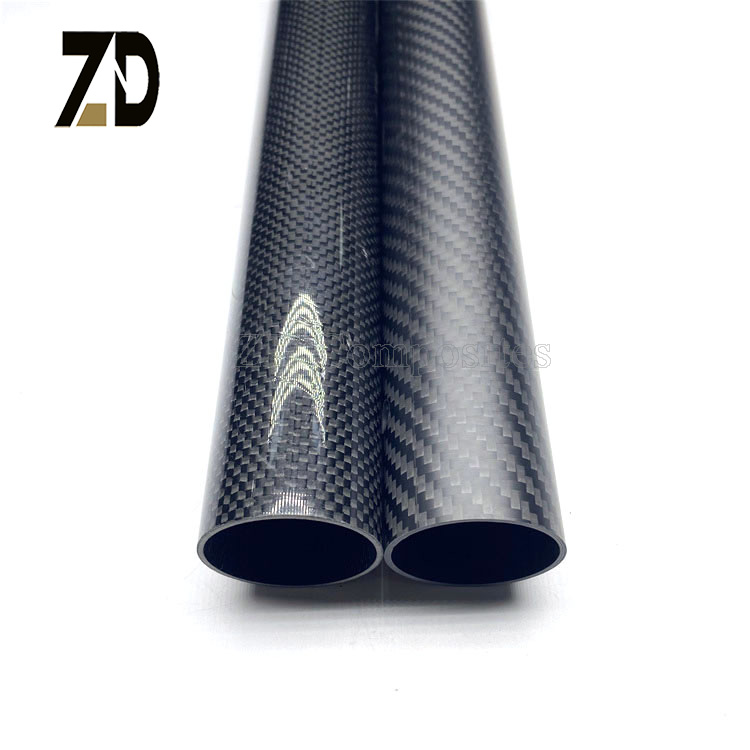
The aerospace industry continues to push the boundaries of engineering excellence, demanding materials that deliver exceptional strength, minimal weight, and superior performance characteristics. Among the most revolutionary materials transforming modern aircraft and spacecraft design, carbon fiber tube components have emerged as critical structural elements that enable unprecedented advances in aerodynamic efficiency and operational capability. These lightweight composite structures offer aerospace engineers the ability to create stronger, more fuel-efficient aircraft while maintaining the rigorous safety standards required for commercial and military aviation applications.
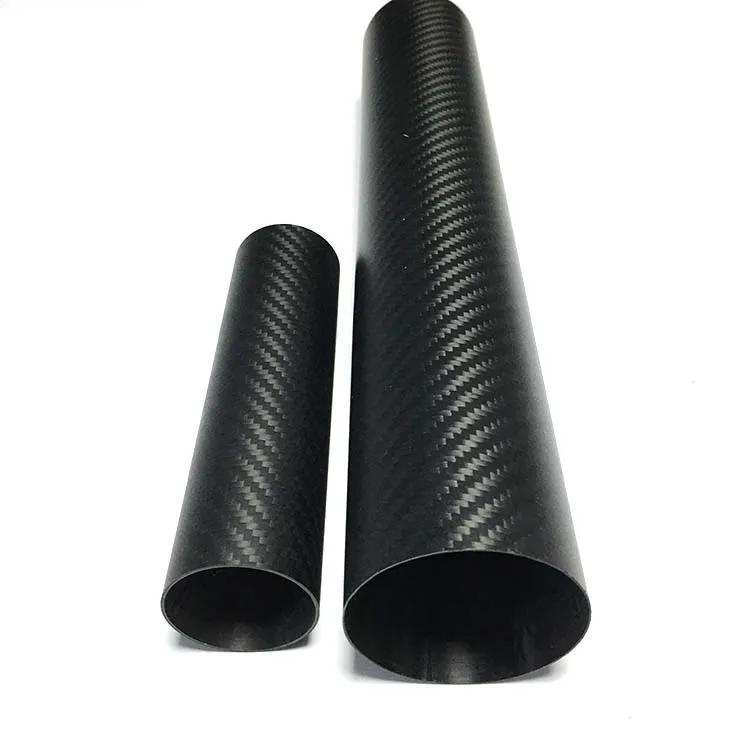
Carbon fiber technology has fundamentally revolutionized aerospace manufacturing processes, providing engineers with unprecedented design flexibility and material performance characteristics. The unique properties of carbon fiber composites make them ideally suited for demanding aerospace environments where traditional materials often fall short of performance requirements. Modern aircraft manufacturers increasingly rely on these advanced composite materials to achieve competitive advantages in fuel efficiency, payload capacity, and operational range while meeting stringent regulatory requirements for safety and reliability.
Exceptional Strength-to-Weight Ratio Benefits
Superior Structural Performance Characteristics
The remarkable strength-to-weight ratio of carbon fiber tube structures represents one of the most compelling advantages for aerospace applications. These composite materials typically exhibit tensile strength values that exceed steel by significant margins while weighing approximately 70% less than equivalent aluminum structures. This exceptional performance characteristic enables aircraft designers to create more efficient structural frameworks that support greater payload capacities without compromising overall aircraft weight limitations or flight performance parameters.
Advanced carbon fiber composites demonstrate outstanding load-bearing capabilities under various stress conditions commonly encountered during aerospace operations. The directional strength properties of carbon fiber materials allow engineers to optimize tube orientations and layup configurations to maximize structural efficiency for specific loading scenarios. This engineering flexibility results in more efficient use of materials and enables the creation of complex geometric configurations that would be impossible or impractical using traditional metallic construction methods.
Weight Reduction Impact on Fuel Efficiency
Significant weight reductions achieved through carbon fiber tube implementation directly translate to measurable improvements in aircraft fuel efficiency and operational economics. Every pound of weight savings in aircraft structure typically results in substantial fuel cost reductions over the operational lifetime of commercial aircraft. The compound effect of these weight savings becomes particularly pronounced on long-haul flights where fuel consumption represents a major portion of operational expenses for airline operators.
The lightweight characteristics of carbon fiber composites enable aerospace manufacturers to achieve optimal balance between structural integrity and operational efficiency. Modern commercial aircraft incorporating extensive carbon fiber tube applications demonstrate fuel consumption improvements of 15-20% compared to conventional aluminum construction. These efficiency gains provide airlines with competitive advantages through reduced operational costs and enhanced environmental sustainability performance metrics that align with industry emission reduction objectives.
Corrosion Resistance and Environmental Durability
Long-Term Material Stability
Carbon fiber tube structures exhibit exceptional resistance to environmental degradation factors that commonly affect metallic aerospace components. Unlike aluminum or steel structures, carbon fiber composites do not experience galvanic corrosion, stress corrosion cracking, or fatigue-related deterioration under normal operating conditions. This inherent corrosion resistance significantly reduces maintenance requirements and extends service life intervals for critical aircraft components, resulting in improved aircraft availability and reduced lifecycle costs.
The chemical inertness of carbon fiber materials provides outstanding protection against exposure to aviation fuels, hydraulic fluids, and other aerospace chemicals that can cause degradation in metallic structures. This chemical resistance ensures consistent material properties throughout extended service periods and reduces the risk of unexpected component failures due to environmental exposure. Aircraft operators benefit from improved reliability and reduced unscheduled maintenance events that can disrupt flight operations and increase operational costs.
Temperature Performance Advantages
Aerospace environments subject components to extreme temperature variations ranging from sub-zero conditions at high altitudes to elevated temperatures near engine compartments. Carbon fiber tube structures maintain dimensional stability and mechanical properties across these temperature extremes without experiencing thermal expansion issues that affect metallic components. This thermal stability ensures consistent structural performance and eliminates the need for complex thermal compensation mechanisms in critical aerospace applications.
The low thermal expansion coefficient of carbon fiber composites prevents dimensional changes that could affect precise tolerances required in aerospace assemblies. This characteristic proves particularly valuable in applications involving rotating machinery, precision instruments, and control surfaces where dimensional accuracy directly impacts system performance. The thermal stability of carbon fiber tube components contributes to improved system reliability and reduces maintenance requirements associated with thermal cycling effects.
Design Flexibility and Manufacturing Advantages
Complex Geometry Capabilities
Carbon fiber manufacturing processes enable the creation of complex tubular geometries that would be extremely difficult or impossible to produce using traditional metallic fabrication methods. The moldable nature of carbon fiber preforms allows engineers to create integrated structural assemblies with varying cross-sectional profiles, compound curves, and internal reinforcement features. This design flexibility enables more efficient load paths and eliminates the need for multiple joined components that can introduce potential failure points in critical aerospace structures.
Advanced manufacturing techniques such as filament winding and automated fiber placement provide precise control over fiber orientations and material distributions within carbon fiber tube structures. These processes enable engineers to tailor material properties to specific loading requirements and create optimized structural configurations that maximize performance while minimizing material usage. The ability to integrate complex internal features during the manufacturing process reduces assembly complexity and improves overall structural reliability.
Integration with Advanced Systems
Modern aerospace applications increasingly require structural components to serve multiple functions beyond basic load-bearing capabilities. Carbon fiber tube structures can be designed to incorporate embedded sensors, electrical conductivity pathways, and thermal management features that support advanced aircraft systems. This multifunctional capability reduces overall system complexity and weight while improving integration efficiency between various aircraft subsystems and structural components.
The electromagnetic properties of carbon fiber materials can be tailored to provide electromagnetic interference shielding or radar signature control characteristics required for military aerospace applications. These specialized properties enable carbon fiber tube components to contribute to stealth capabilities while maintaining their primary structural functions. The ability to combine multiple performance characteristics within a single component represents a significant advantage for next-generation aerospace vehicle designs.
Economic and Operational Benefits
Lifecycle Cost Advantages
Although carbon fiber tube components typically require higher initial investment costs compared to conventional materials, the long-term economic benefits often justify the additional expense through reduced operational costs and extended service intervals. The combination of weight savings, corrosion resistance, and durability characteristics results in significant lifecycle cost advantages for aircraft operators. These economic benefits become particularly pronounced in high-utilization commercial aircraft where fuel costs and maintenance expenses represent major operational considerations.
Reduced maintenance requirements associated with carbon fiber tube structures translate to improved aircraft availability and reduced downtime for scheduled and unscheduled maintenance activities. Airlines benefit from higher aircraft utilization rates and more predictable maintenance scheduling that improves operational efficiency. The extended service life of carbon fiber components also reduces the frequency of component replacements and associated labor costs throughout the aircraft's operational lifetime.
Performance Optimization Benefits
The superior mechanical properties of carbon fiber tube structures enable aerospace engineers to optimize aircraft performance characteristics in ways that were previously impossible with traditional materials. The high stiffness-to-weight ratio of carbon fiber composites allows for the creation of more rigid airframe structures that improve aerodynamic efficiency and reduce structural deflections during flight operations. These performance improvements contribute to better fuel efficiency, increased payload capacity, and enhanced passenger comfort through reduced cabin noise and vibration levels.
Carbon fiber tube applications in rotor systems and propeller assemblies demonstrate significant performance advantages through reduced rotational inertia and improved dynamic balance characteristics. These benefits translate to faster acceleration, reduced power requirements, and improved control response in rotorcraft applications. The ability to create hollow structures with optimized wall thickness distributions enables further weight reductions while maintaining required strength and stiffness properties for demanding aerospace applications.
FAQ
How do carbon fiber tubes compare to aluminum tubes in aerospace weight savings?
Carbon fiber tube structures typically weigh 60-70% less than equivalent aluminum tubes while providing equal or superior strength characteristics. This weight reduction translates to significant fuel savings over aircraft operational lifetimes, with commercial aircraft showing 15-20% fuel efficiency improvements when extensively using carbon fiber components compared to traditional aluminum construction.
What maintenance advantages do carbon fiber tubes offer in aerospace applications?
Carbon fiber tube components require minimal maintenance due to their inherent corrosion resistance and fatigue resistance properties. Unlike metallic components, they do not require regular inspection for corrosion, stress cracking, or fatigue damage, resulting in extended service intervals and reduced maintenance costs. This improved reliability contributes to better aircraft availability and lower operational expenses.
Can carbon fiber tubes withstand the extreme temperatures encountered in aerospace environments?
Yes, carbon fiber tube structures maintain their mechanical properties and dimensional stability across the wide temperature ranges typical in aerospace applications, from sub-zero conditions at altitude to elevated temperatures near engines. Their low thermal expansion coefficient prevents dimensional changes that could affect system precision, making them ideal for applications requiring tight tolerances.
Are carbon fiber tubes cost-effective for aerospace applications despite higher initial costs?
While carbon fiber tube components have higher upfront costs than traditional materials, they provide significant lifecycle cost advantages through fuel savings, reduced maintenance requirements, and extended service life. The combination of operational benefits typically results in positive return on investment over the aircraft's operational lifetime, particularly for high-utilization commercial and military applications.
Table of Contents
- Exceptional Strength-to-Weight Ratio Benefits
- Corrosion Resistance and Environmental Durability
- Design Flexibility and Manufacturing Advantages
- Economic and Operational Benefits
-
FAQ
- How do carbon fiber tubes compare to aluminum tubes in aerospace weight savings?
- What maintenance advantages do carbon fiber tubes offer in aerospace applications?
- Can carbon fiber tubes withstand the extreme temperatures encountered in aerospace environments?
- Are carbon fiber tubes cost-effective for aerospace applications despite higher initial costs?