
 EN
EN


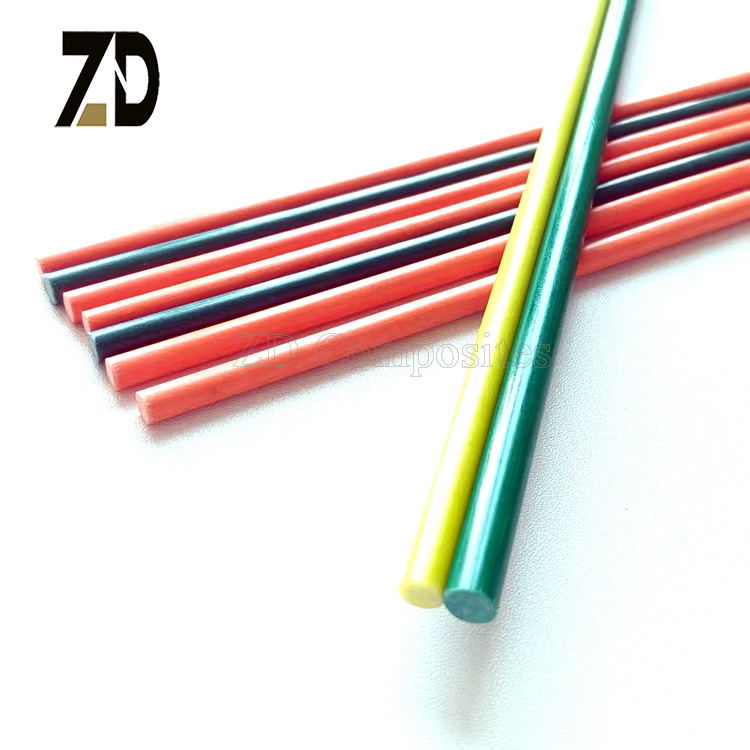
When it comes to securing outdoor structures, the choice of support materials can make or break the longevity and reliability of your installation. Traditional wooden stakes and metal rods have dominated the market for decades, but a revolutionary alternative has emerged that offers superior performance in challenging outdoor environments. The fiberglass stake represents a significant advancement in structural support technology, combining exceptional strength with remarkable resistance to environmental factors that typically degrade conventional materials.
The construction and infrastructure industries have increasingly recognized the importance of selecting materials that can withstand extreme weather conditions, soil chemistry variations, and long-term exposure to moisture. In this context, the fiberglass stake has proven to be an invaluable solution for applications ranging from agricultural fencing to temporary construction barriers. Unlike traditional materials that suffer from rust, rot, or brittleness over time, these innovative stakes maintain their structural integrity across diverse environmental conditions.
Understanding the specific advantages and applications of fiberglass stakes becomes crucial for professionals who demand reliable, cost-effective solutions for their outdoor projects. From residential landscaping to industrial installations, the versatility and performance characteristics of these stakes offer compelling benefits that extend far beyond initial cost considerations. This comprehensive examination will explore how fiberglass stakes enhance durability, reduce maintenance requirements, and provide long-term value for various outdoor structural applications.
Material Properties and Construction Benefits
Composition and Manufacturing Process
The manufacturing process of a fiberglass stake involves the careful combination of glass fibers with specialized resin systems, typically epoxy or vinyl ester resins. This pultrusion process creates a composite material that exhibits exceptional tensile strength while maintaining flexibility under stress. The continuous glass fibers run longitudinally through the stake, providing directional strength that surpasses many traditional materials in terms of load-bearing capacity and resistance to bending forces.
During production, the glass fiber reinforcement is saturated with thermosetting resins that cure under controlled temperature and pressure conditions. This manufacturing technique ensures consistent quality and uniform distribution of reinforcing fibers throughout the cross-section of each fiberglass stake. The resulting product combines the best characteristics of both components: the strength and stiffness of glass fibers with the protective and binding properties of advanced polymer resins.
Quality control measures during manufacturing include monitoring fiber-to-resin ratios, curing temperatures, and pulling speeds to optimize the mechanical properties of the finished stakes. These parameters directly influence the performance characteristics of the final product, ensuring that each fiberglass stake meets stringent standards for outdoor applications where reliability is paramount.
Structural Integrity Under Load
The load-bearing capabilities of a fiberglass stake significantly exceed those of conventional wooden stakes of comparable dimensions. The continuous fiber reinforcement provides exceptional resistance to both tensile and compressive forces, making these stakes ideal for applications where sustained loading is expected. Unlike wood, which can split along grain lines, or metal, which may deform permanently under excessive stress, fiberglass stakes demonstrate excellent elastic recovery properties.
Field testing has demonstrated that properly manufactured fiberglass stakes can withstand impact forces that would shatter wooden alternatives or bend metal posts beyond repair. This resilience translates to reduced replacement costs and improved safety margins in critical applications. The material's high strength-to-weight ratio also facilitates easier handling and installation while maintaining superior performance characteristics.
The fatigue resistance of fiberglass stakes proves particularly valuable in applications subject to cyclic loading, such as fence posts in windy areas or temporary barriers exposed to repeated impacts. The composite structure distributes stress evenly throughout the material, preventing the stress concentration points that often lead to failure in homogeneous materials.
Environmental Resistance and Longevity
Weather and UV Protection
One of the most significant advantages of using a fiberglass stake in outdoor applications is its exceptional resistance to ultraviolet radiation and extreme weather conditions. The resin matrix can be formulated with UV stabilizers and protective additives that prevent degradation from prolonged sun exposure, a common failure mode for many plastic and composite materials used outdoors. This UV resistance ensures that the stakes maintain their structural properties and appearance over extended periods of exposure.
Temperature fluctuations that cause expansion and contraction cycles in metal stakes, or freeze-thaw damage in wooden posts, have minimal impact on fiberglass stakes. The low coefficient of thermal expansion and excellent dimensional stability of the composite material prevent the loosening and structural compromise that often occurs with traditional materials in extreme temperature environments.
Moisture resistance represents another critical advantage, as fiberglass stake products do not absorb water or suffer from moisture-related deterioration. This characteristic proves especially valuable in applications involving direct ground contact, irrigation systems, or marine environments where traditional materials would quickly degrade.
Chemical and Corrosion Resistance
The chemical inertness of fiberglass stakes provides significant advantages in environments where soil chemistry, fertilizers, or industrial chemicals might compromise other materials. Unlike metal stakes that corrode when exposed to salt, acids, or alkaline conditions, fiberglass stakes maintain their integrity in virtually all soil types and chemical environments encountered in typical outdoor applications.
Agricultural applications particularly benefit from this chemical resistance, as fertilizers, pesticides, and soil amendments that would accelerate the degradation of metal or wooden stakes have no adverse effect on fiberglass materials. This resistance extends the service life of installations and reduces the need for protective coatings or treatments that add to initial costs and ongoing maintenance requirements.
In industrial environments where chemical spills or atmospheric contamination might occur, fiberglass stakes continue to provide reliable service without the surface treatments or special alloys required for metal alternatives. This chemical stability also prevents the leaching of harmful substances into soil or groundwater, addressing environmental concerns associated with treated wood or galvanized metal products.
Installation Advantages and Versatility
Ease of Handling and Installation
The lightweight nature of a fiberglass stake significantly reduces the physical demands of installation compared to equivalent steel or concrete alternatives. Workers can easily transport and position multiple stakes without requiring heavy equipment or multiple personnel, improving installation efficiency and reducing labor costs. This weight advantage becomes particularly important in remote locations or areas with limited access where material transport presents logistical challenges.
The non-conductive properties of fiberglass stakes eliminate safety concerns associated with electrical hazards during installation near power lines or in areas with underground utilities. This safety advantage allows installation to proceed without the extensive precautions and specialized procedures required when working with conductive metal stakes in electrically sensitive environments.
Cutting and modification of fiberglass stakes can be accomplished with standard woodworking tools, eliminating the need for specialized equipment or techniques required for metal fabrication. This adaptability allows field modifications and custom sizing to accommodate specific installation requirements without compromising the structural integrity of the remaining material.
Application Flexibility
The versatility of fiberglass stakes extends across numerous applications, from temporary construction barriers and event fencing to permanent agricultural installations and landscaping features. Their consistent performance characteristics make them suitable for both indoor and outdoor use, providing design flexibility that accommodates changing project requirements or seasonal applications.
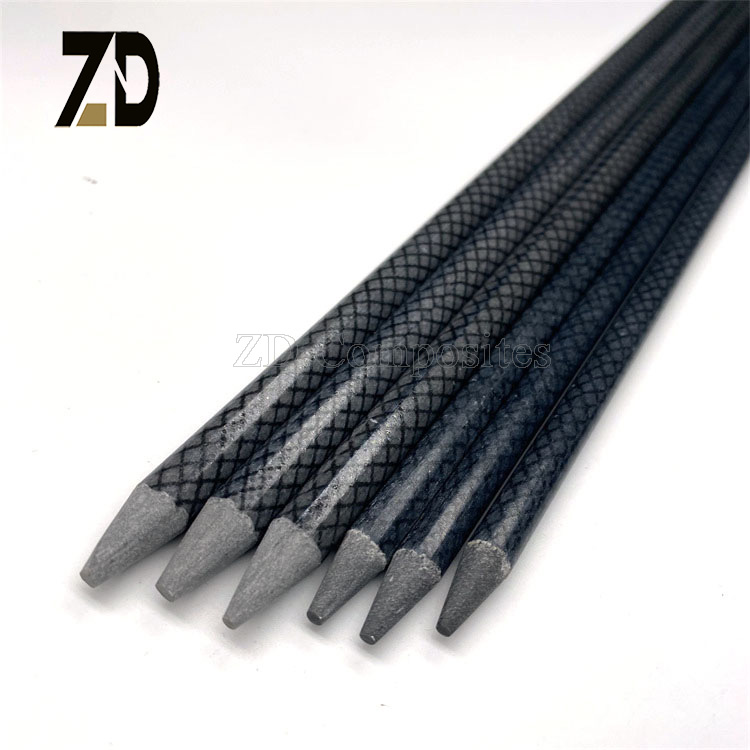
The smooth surface finish of manufactured fiberglass stakes reduces the risk of injury from splinters or sharp edges, making them particularly suitable for applications in public spaces or areas frequented by children and animals. This safety consideration often influences material selection in recreational facilities, parks, and residential installations where liability concerns are paramount.
Color options and surface treatments available for fiberglass stakes allow integration with existing structures and aesthetic requirements. Unlike painted metal stakes that may chip or fade, integral coloring and surface treatments maintain their appearance throughout the service life of the installation, reducing maintenance requirements and preserving visual appeal.
Cost-Effectiveness and Return on Investment
Initial Cost Considerations
While the initial purchase price of a fiberglass stake may exceed that of basic wooden alternatives, the total cost of ownership typically favors the composite option when factoring in longevity, maintenance requirements, and replacement costs. The extended service life of fiberglass stakes often exceeds that of traditional materials by several multiples, particularly in challenging environmental conditions where wooden stakes might require replacement annually.
The elimination of protective treatments, such as pressure treating for wood or galvanizing for steel, reduces both initial processing costs and environmental impact. Fiberglass stakes require no additional treatments or coatings to achieve their specified performance characteristics, simplifying procurement and reducing the complexity of material specifications.
Labor cost savings during installation and maintenance contribute significantly to the overall economic advantage of fiberglass stakes. The reduced weight and ease of handling translate to faster installation times and lower labor requirements, while the elimination of routine maintenance tasks such as painting, treating, or replacing corroded hardware provides ongoing cost benefits throughout the project lifecycle.
Long-Term Value Analysis
The durability characteristics of fiberglass stakes provide exceptional long-term value through reduced replacement frequency and minimal maintenance requirements. In applications where access for maintenance is difficult or costly, such as remote fencing or temporary installations that become semi-permanent, the reliability of fiberglass stakes prevents unexpected failures and associated repair costs.
Environmental compliance and disposal considerations increasingly influence material selection decisions, and fiberglass stakes offer advantages in both areas. The absence of toxic preservatives or heavy metals eliminates concerns about soil contamination or special disposal requirements at the end of service life, reducing long-term environmental liability and compliance costs.
The consistent performance of fiberglass stakes across varying environmental conditions reduces the need for different material specifications for different applications, simplifying inventory management and bulk purchasing opportunities. This standardization can lead to significant procurement savings for organizations with multiple projects or ongoing maintenance requirements.
FAQ
What are the typical dimensions available for fiberglass stakes
Fiberglass stakes are commonly available in diameters ranging from 5mm to 25mm, with custom sizes possible through specialized manufacturers. Standard lengths typically range from 0.5 meters to 3 meters, though longer stakes can be manufactured for specific applications. The most popular sizes for general outdoor applications include 6mm, 8mm, and 10mm diameter stakes in lengths of 1 to 2 meters, providing optimal balance between strength and cost-effectiveness.
How do fiberglass stakes perform in extreme weather conditions
Fiberglass stakes demonstrate exceptional performance in extreme weather, withstanding temperature ranges from -40°F to 200°F without structural degradation. They resist freeze-thaw cycles that damage wooden stakes and maintain flexibility in cold conditions where metal alternatives become brittle. UV resistance prevents the degradation common in plastic materials, while the non-absorbent surface eliminates moisture-related expansion and contraction issues that affect other materials.
Can fiberglass stakes be recycled at the end of their service life
While traditional mechanical recycling of thermoset fiberglass presents challenges, emerging technologies enable chemical recycling processes that recover both the glass fibers and resin components. Many manufacturers now accept used fiberglass stakes for processing into other composite products, and the inert nature of the material makes it suitable for use as aggregate in construction applications. The extremely long service life of fiberglass stakes also reduces the frequency of disposal compared to traditional materials.
What installation tools are required for fiberglass stakes
Installation of fiberglass stakes typically requires only basic tools such as a hammer or mallet for driving, and standard cutting tools like hacksaws or circular saws for length modifications. Pre-drilling may be beneficial in extremely hard soil conditions, using standard drill bits suitable for composite materials. No specialized fasteners or connectors are usually required, though various hardware options are available for specific attachment requirements. The lightweight nature eliminates the need for mechanical drivers or heavy equipment in most applications.