
 EN
EN


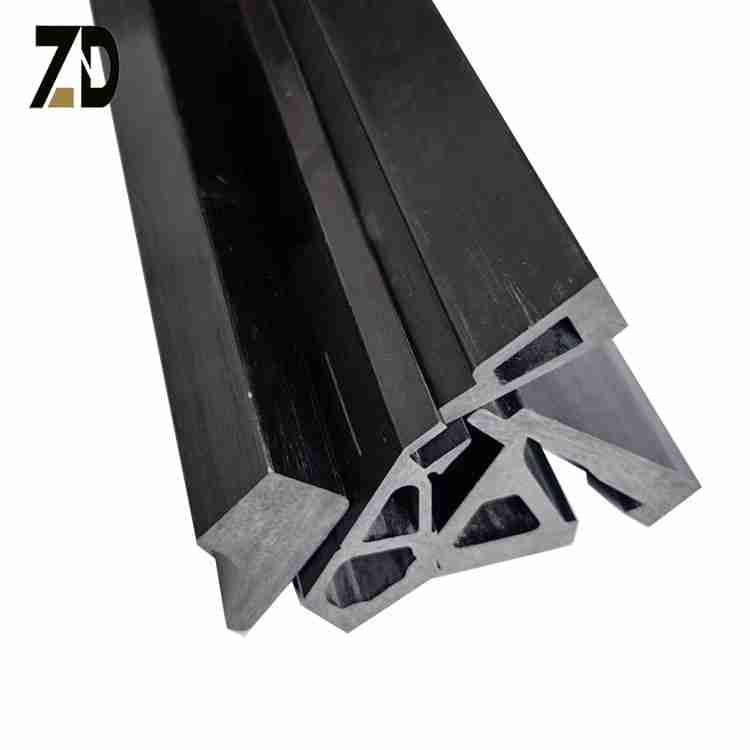
Choosing between a carbon fiber profile and fiberglass for lightweight structural supports is one of the most critical decisions in modern engineering and construction. Both materials offer exceptional strength-to-weight ratios, corrosion resistance, and durability, yet they differ significantly in performance characteristics, cost implications, and ideal use cases. Understanding the nuances of each material helps manufacturers, engineers, and construction professionals select the right solution for their specific project demands and budget constraints. A carbon fiber profile delivers superior stiffness and strength in demanding applications, while fiberglass profiles provide a more cost-effective alternative for moderate-load scenarios. This guide explores the key differences, advantages, and trade-offs to help you make an informed decision about whether a carbon fiber profile or fiberglass best serves your structural support requirements.
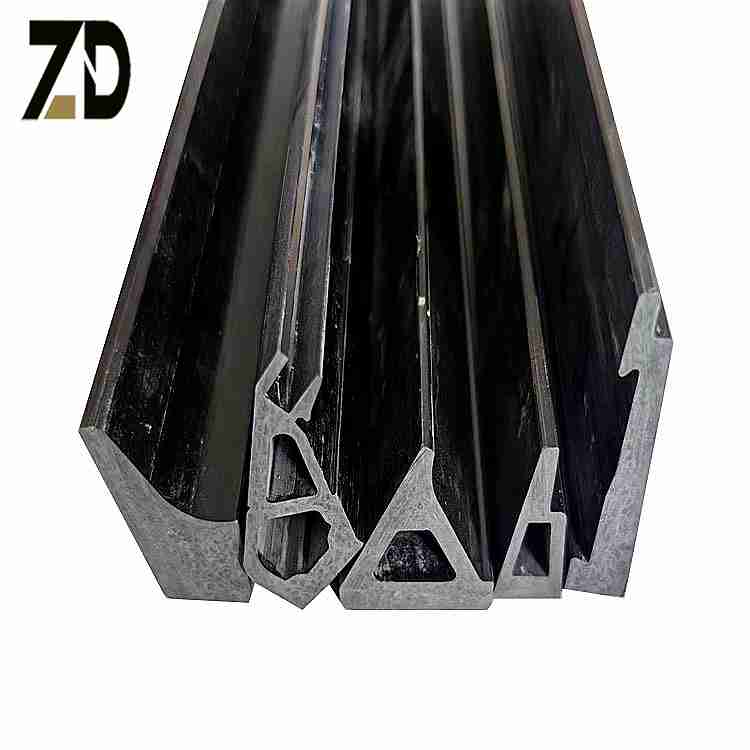
The debate between carbon fiber profiles and fiberglass profiles is not simply about which material is objectively better, but rather which delivers superior value for your specific application, environmental conditions, and financial constraints. A carbon fiber profile excels in weight-critical aerospace, automotive, and high-performance industrial environments where every gram matters and maximum stiffness is non-negotiable. Fiberglass profiles, by contrast, remain the industry standard for infrastructure, construction, and heavy-duty industrial applications where cost efficiency and adequate performance take precedence over extreme weight reduction. Both materials are engineered composites that combine resin matrices with reinforcing fibers, yet their structural characteristics, manufacturing processes, and economic profiles diverge considerably. This comprehensive comparison examines material properties, performance metrics, manufacturing considerations, cost structures, and real-world application scenarios to guide your selection process effectively.
Material Properties and Structural Performance
Strength and Stiffness Characteristics
A carbon fiber profile delivers exceptional tensile strength and modulus, typically ranging from 3,500 to 4,500 MPa with elastic modulus values between 230 and 240 GPa, making it the preferred choice for applications demanding maximum structural rigidity and lightweight performance. Carbon fiber reinforcement provides superior load-bearing capacity per unit weight, translating to thinner walls, reduced overall mass, and enhanced efficiency in weight-sensitive systems. Fiberglass profiles, manufactured with glass fiber reinforcement, typically achieve tensile strength between 1,200 and 1,400 MPa with elastic modulus around 40 to 50 GPa, representing adequate performance for conventional structural support applications. The mechanical advantage of a carbon fiber profile becomes most pronounced in long-span applications, vibration-damping requirements, and environments where dimensional stability is critical. While fiberglass maintains respectable strength characteristics, a carbon fiber profile's superior stiffness prevents deflection more effectively under dynamic and sustained loads, reducing material creep and maintaining structural integrity over extended service periods.
Weight Reduction and Load-Carrying Efficiency
Weight reduction stands as a primary advantage of a carbon fiber profile, offering 20 to 30 percent less mass compared to equivalent fiberglass profiles while maintaining or exceeding load-carrying capacity. This mass differential translates directly into reduced transportation costs, simpler installation procedures, and decreased operational energy consumption in applications like aerospace components, automotive chassis reinforcement, and portable industrial equipment. A carbon fiber profile's higher specific strength—the ratio of tensile strength to material density—enables structural engineers to design slimmer profiles without sacrificing safety margins or performance guarantees. Fiberglass profiles, while significantly lighter than steel or aluminum alternatives, cannot match the weight optimization potential of a carbon fiber profile, particularly in advanced applications requiring minimal deflection and maximum stiffness. For industries where installation speed, worker safety, and equipment mobility are economic factors, the lightweight advantage of a carbon fiber profile often justifies premium material costs.
Environmental Durability and Long-Term Performance
Corrosion Resistance and Chemical Compatibility
Both a carbon fiber profile and fiberglass profiles excel in corrosion resistance compared to metallic structural materials, making them ideal for marine environments, chemical processing facilities, and outdoor infrastructure exposed to harsh atmospheric conditions. A carbon fiber profile resists saltwater corrosion, UV degradation, and chemical exposure exceptionally well, maintaining structural integrity in subsea applications, offshore wind turbine installations, and aggressive industrial environments without protective coatings or maintenance interventions. Fiberglass profiles demonstrate similarly outstanding chemical resistance, performing reliably in wastewater treatment facilities, petrochemical plants, and agricultural environments where metallic components would rapidly deteriorate. The resin matrix in both composite types provides the primary corrosion-protection mechanism, though carbon fiber's inherent inertness offers slightly superior performance in extreme chemical environments. For applications where long-term durability without corrosion mitigation is essential, a carbon fiber profile delivers unmatched reliability and extended service life, reducing lifecycle maintenance costs and replacement intervals.
Thermal Stability and Environmental Factors
A carbon fiber profile maintains structural properties across wider temperature ranges, typically operating effectively from -60°C to +80°C without significant performance degradation, making it suitable for aerospace, cryogenic systems, and temperature-cycling industrial applications. Carbon fiber composites exhibit superior thermal conductivity and lower thermal expansion coefficients compared to fiberglass, reducing dimensional changes and stress concentrations in thermal shock scenarios. Fiberglass profiles perform adequately in moderate temperature environments, generally maintaining functionality between -40°C and +60°C, though performance characteristics gradually diminish at temperature extremes. UV resistance differs slightly between materials, with both benefiting from protective resin systems, though a carbon fiber profile typically requires less frequent surface maintenance and protective recoating in outdoor installations. Long-term environmental exposure testing demonstrates that a carbon fiber profile retains 85 to 95 percent of initial strength after 10-15 years of outdoor exposure, compared to fiberglass profiles which typically maintain 75 to 85 percent, highlighting the durability advantage of premium carbon fiber construction.
Cost Analysis and Economic Considerations
Material and Manufacturing Costs
A carbon fiber profile commands a significant material cost premium, typically 3 to 5 times higher than equivalent fiberglass profiles due to expensive precursor materials, specialized manufacturing processes, and limited production volumes. Raw carbon fiber costs, quality control requirements, and advanced pultrusion or layup techniques increase production expenses substantially, translating to finished carbon fiber profiles priced between $50 and $120 per kilogram depending on grade and specifications. Fiberglass profiles, benefiting from mature manufacturing infrastructure and commodity-level pricing for glass fibers, cost substantially less—typically $8 to $25 per kilogram—making them accessible for budget-constrained projects and high-volume applications. Custom carbon fiber profile orders often require minimum production runs and extended lead times, while fiberglass manufacturers maintain larger inventory stocks and offer faster delivery cycles. The economic advantage clearly favors fiberglass for applications where performance requirements can be met by conventional glass fiber composites and where material cost represents a significant project constraint.
Total Cost of Ownership and Long-Term Value
While a carbon fiber profile requires higher upfront investment, lifecycle cost analysis frequently reveals superior total cost of ownership when considering weight reduction, extended service life, minimal maintenance, and reduced replacement frequency. A carbon fiber profile's lighter weight reduces installation labor costs, decreases transportation expenses, and lowers energy consumption in mobile or dynamic applications, potentially offsetting 30 to 50 percent of the material cost premium over 10-15 year service periods. Maintenance expenses favor a carbon fiber profile substantially, as its superior durability and environmental resistance eliminate or minimize repainting, coating reapplication, and component replacement cycles required for fiberglass installations in harsh environments. For weight-critical aerospace and automotive applications, the fuel efficiency gains from a carbon fiber profile's reduced mass can justify premium material costs within 2 to 5 years of operation. Fiberglass profiles deliver optimal economic value for stationary infrastructure, indoor construction applications, and moderate-duty industrial environments where performance requirements don't justify premium material investment.
Application Scenarios and Suitability Guidance
Aerospace, Automotive, and High-Performance Applications
A carbon fiber profile is the specification standard for aerospace structures, aircraft interiors, high-performance automotive components, and racing vehicle construction where weight minimization directly improves fuel efficiency, acceleration, and operational capabilities. Carbon fiber profiles appear in Boeing and Airbus commercial aircraft fuselage components, automobile body panels, suspension components, and competitive sports equipment where performance advantages justify premium material investments. The aerospace industry specifically mandates carbon fiber profiles for primary structures, critical fastening points, and load-bearing frames where weight reduction translates into increased payload capacity and extended operational range. Automotive manufacturers increasingly specify carbon fiber profiles in electric vehicle chassis to compensate for battery pack mass and extend driving range, recognizing that weight reduction delivers tangible performance and efficiency improvements. High-performance marine applications including superyacht structural frameworks, racing boat hulls, and luxury component fabrication consistently specify carbon fiber profiles despite elevated costs, reflecting industry recognition that superior properties justify premium pricing.
Industrial, Infrastructure, and Budget-Conscious Applications
Fiberglass profiles dominate infrastructure projects, utility installations, and industrial constructions where performance requirements remain within conventional composite capabilities and material costs significantly influence project economics. Municipal water treatment facilities, wastewater processing plants, and chemical storage installations consistently specify fiberglass profiles for structural framing, tank reinforcement, and environmental containment applications where fiberglass delivers reliable performance at optimal cost levels. Electrical utility companies preference fiberglass profiles for transmission tower reinforcement, cross-arms, and grounding structures where corrosion resistance and non-conductive properties provide safety and durability advantages over metallic alternatives. Construction contractors select fiberglass profiles for building reinforcement, deck framing, and structural panels in commercial and industrial facilities where adequate strength and durability combine with budget efficiency. Agricultural operations, including grain storage structures, equipment frames, and corrosion-resistant farming installations, universally specify fiberglass due to cost accessibility and adequate performance, demonstrating that fiberglass remains the optimal choice for cost-sensitive, high-volume applications.
FAQ
What is the primary advantage of a carbon fiber profile compared to fiberglass?
A carbon fiber profile delivers superior strength-to-weight ratio, exceptional stiffness, and enhanced long-term durability compared to fiberglass profiles. The primary advantage manifests as significant weight reduction—typically 20 to 30 percent lighter while maintaining equivalent or superior load capacity—combined with superior performance in demanding aerospace, automotive, and high-performance industrial applications. Carbon fiber profiles also exhibit better thermal stability, superior environmental resistance, and minimal maintenance requirements across extended service periods, justifying premium material investment for weight-critical and performance-demanding applications.
When should I choose fiberglass profiles instead of a carbon fiber profile?
Fiberglass profiles represent the optimal choice for infrastructure projects, industrial installations, and applications where material cost efficiency is paramount and performance requirements fall within conventional composite capabilities. Select fiberglass when projects involve stationary structures, indoor environments, moderate-load applications, or budget constraints that cannot accommodate carbon fiber's material cost premium. Fiberglass delivers reliable, cost-effective performance for wastewater treatment, utility installations, agricultural operations, and construction applications where fiberglass's proven durability and accessibility provide superior economic value compared to premium carbon fiber alternatives.
How does maintenance differ between a carbon fiber profile and fiberglass?
A carbon fiber profile requires minimal maintenance due to superior environmental resistance, exceptional durability, and resistance to corrosion and UV degradation, often eliminating or significantly reducing protective coating reapplication and surface treatment requirements. Fiberglass profiles, while highly corrosion-resistant compared to metallic materials, typically require periodic inspection, protective coating maintenance, and occasional surface repainting in harsh outdoor environments to preserve aesthetic appearance and extend structural longevity. A carbon fiber profile's superior inherent durability translates to lower long-term maintenance costs and reduced lifecycle expenses, particularly in marine, chemical, and outdoor applications where environmental exposure demands ongoing protection of conventional composite structures.