
 EN
EN


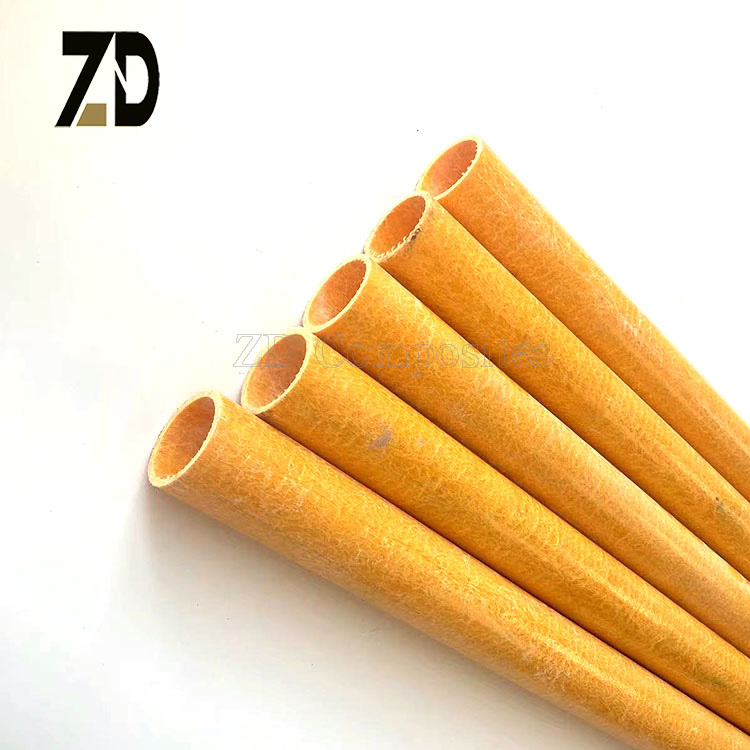
Selecting the right fiberglass tubing for your industrial or commercial application requires understanding the specific performance characteristics that drive long-term reliability and cost efficiency. Fiberglass tubing has become essential across aerospace, automotive, marine, chemical, and construction sectors due to its lightweight yet robust properties. However, not all fiberglass tubing solutions deliver the same level of performance, making it critical to evaluate key features before making a purchasing decision.
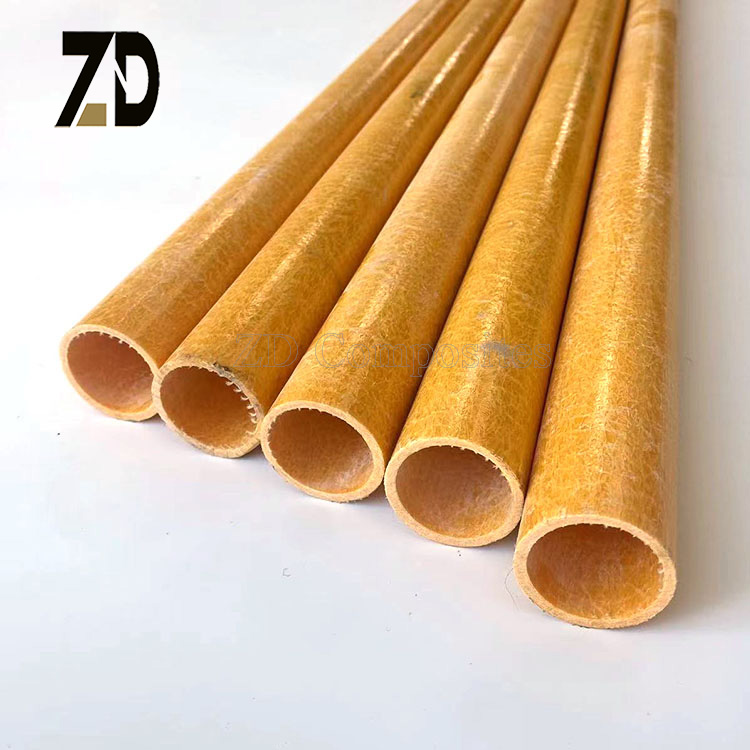
The process of choosing fiberglass tubing goes beyond brand recognition or price comparison. It demands a systematic evaluation of material composition, structural integrity, environmental resistance, dimensional precision, and alignment with your specific operational requirements. Understanding these factors helps procurement teams, engineers, and facility managers make informed decisions that reduce downtime, minimize maintenance costs, and extend asset lifespan significantly.
Material Composition and Resin Matrix
Understanding Resin Type Impact on Performance
The resin matrix is the binding agent that holds the fiberglass fibers together and determines how well your fiberglass tubing performs under stress, temperature variations, and chemical exposure. Polyester resin-based fiberglass tubing offers cost effectiveness and moderate chemical resistance, making it suitable for general industrial applications. Vinyl ester resin formulations provide superior corrosion resistance and higher temperature tolerance, making them ideal for demanding chemical processing environments. Epoxy resin fiberglass tubing delivers exceptional strength-to-weight ratios and excellent adhesive properties, preferred in aerospace and high-performance structural applications.
Fiber Orientation and Layup Configuration
How fibers are oriented within your fiberglass tubing directly impacts its directional strength characteristics. Unidirectional fiber orientation in fiberglass tubing provides maximum axial strength but limited lateral rigidity, suitable for tension-dominated applications. Bidirectional or multidirectional weaving in fiberglass tubing creates balanced strength across multiple stress vectors, offering superior torsional resistance and structural stability. Cross-ply configurations in fiberglass tubing enhance bending resistance and lateral load distribution, critical for applications requiring omnidirectional durability. Understanding your specific load patterns allows you to select fiberglass tubing with the appropriate fiber layup for optimal performance and material efficiency.
Strength, Stiffness, and Load-Bearing Capacity
Tensile and Compressive Strength Requirements
Tensile strength indicates how much pulling or stretching force your fiberglass tubing can withstand before failure, essential for suspension, cable-support, and hanging-load applications. Compressive strength measures resistance to crushing forces, critical in structural columns, support beams, and load-bearing frameworks. High-performance fiberglass tubing designed for demanding environments typically offers tensile strengths exceeding 100,000 psi, combined with compressive strengths above 30,000 psi. When evaluating fiberglass tubing specifications, always verify these values under the actual operating conditions your system will experience, accounting for temperature effects, environmental aging, and cyclic stress patterns that reduce effective strength over time.
Stiffness and Deflection Control
Modulus of elasticity, or stiffness, determines how much your fiberglass tubing will deflect under load—a critical factor in precision equipment, machinery frames, and structural systems where rigidity directly impacts performance or safety. Fiberglass tubing with higher modulus values maintains dimensional stability under operational stress, reducing vibration, noise, and potential misalignment issues in mechanical systems. Glass-fiber-reinforced fiberglass tubing typically offers modulus values ranging from 2 to 5 million psi, depending on fiber volume fraction and resin type. Applications requiring exceptional stiffness may benefit from carbon-fiber hybrid fiberglass tubing or specialized formulations that deliver modulus values exceeding 8 million psi for structural efficiency.
Corrosion Resistance and Environmental Performance
Chemical Compatibility and Exposure Durability
One of the primary advantages of fiberglass tubing is its inherent corrosion resistance compared to steel and aluminum alternatives. However, not all fiberglass tubing formulations offer equal chemical resistance across different exposure environments. Polyester-based fiberglass tubing resists water, mild acids, and salt spray effectively, but may degrade when exposed to strong alkalis or aggressive solvents. Vinyl ester resin fiberglass tubing provides superior resistance to strong acids, alkalis, aromatic hydrocarbons, and extended saltwater immersion, making it the preferred choice for chemical plants, wastewater treatment facilities, and marine platforms. Epoxy-based fiberglass tubing excels in highly corrosive industrial environments and offers excellent compatibility with petroleum products and specialized industrial fluids.
Temperature Stability and Thermal Performance
Continuous operating temperature limits define the range where your fiberglass tubing maintains its mechanical properties without significant degradation. Standard polyester fiberglass tubing typically supports continuous operations up to 130–140°C before resin softening and strength loss become problematic. Vinyl ester and epoxy formulations of fiberglass tubing extend this range to 150–200°C, offering better thermal stability for high-temperature industrial processes. Beyond continuous exposure limits, fiberglass tubing undergoes permanent property changes—reduced strength, increased flexibility, and accelerated resin degradation—making proper material selection critical for systems operating near their thermal boundaries.
Dimensional Precision and Manufacturing Quality
Tolerance Standards and Consistency
Precision manufacturing of fiberglass tubing ensures that your components fit reliably into assemblies without rework or costly adjustments. Inner and outer diameter tolerances, wall thickness uniformity, and length accuracy directly impact assembly fit, performance predictability, and production efficiency. Premium fiberglass tubing manufactured using advanced pultrusion or filament winding techniques maintains tight tolerances of ±0.01 inches or better on outer diameters and ±0.005 inches on wall thickness. When evaluating fiberglass tubing suppliers, request dimensional specifications and certification data that verify consistency across production batches. Tubes with excellent straightness and minimal ovality reduce mechanical stress concentration and prevent premature failure in rotating shafts, structural frameworks, or pressure applications.
Surface Quality and Finishing Options
The external surface condition of your fiberglass tubing affects both aesthetics and functional performance in exposed or regulated environments. Standard fiberglass tubing typically exhibits a textured surface finish, adequate for industrial applications where appearance is secondary. Customized fiberglass tubing can be produced with smooth finishes, gel-coat protection, UV-resistant coatings, or specialized surface treatments that enhance durability and meet regulatory requirements. Premium fiberglass tubing offerings often include options for color customization, electrostatic dissipative properties, or specialized coatings that extend service life in harsh environmental exposure or cleanroom applications.
FAQ
What wall thickness should I choose for my fiberglass tubing application?
Wall thickness selection depends on your application's load requirements, diameter-to-wall ratios, and deflection tolerance. Thicker walls in fiberglass tubing increase stiffness and strength but also add weight and material cost. For structural applications, engineers typically use thickness calculations based on applied loads and allowable deflection limits. Standard industrial fiberglass tubing ranges from 0.05 inches to 0.5 inches thick, with custom formulations available for specialized demands. Consulting with material engineers ensures you select the optimal thickness that balances performance, cost, and weight considerations.
How does fiberglass tubing compare to carbon fiber or aluminum alternatives?
Each material offers distinct advantages depending on your priority criteria. Fiberglass tubing provides superior corrosion resistance, excellent electrical insulation, and cost effectiveness compared to aluminum or steel alternatives. Carbon fiber composite tubes deliver higher strength-to-weight ratios and greater stiffness but at significantly higher material costs and more limited environmental resistance in some applications. Aluminum tubing offers superior thermal conductivity and lighter weight than steel but requires protective coatings to resist corrosion in harsh environments. Fiberglass tubing remains the optimal choice for most industrial, chemical, and marine applications where corrosion resistance and long-term durability matter most.
Can custom specifications be obtained for specialized fiberglass tubing needs?
Yes, manufacturers of fiberglass tubing routinely offer customization for diameter, wall thickness, length, resin formulation, and fiber configuration to match precise application requirements. Custom fiberglass tubing can be engineered with specialized coatings, surface finishes, UV resistance, or thermal properties tailored to your operational environment. Lead times and minimum order quantities vary depending on complexity, but most qualified suppliers can produce custom fiberglass tubing within reasonable timeframes and volume thresholds. Engaging with suppliers early in your design phase ensures feasibility and allows optimization of performance and cost efficiency.