
 EN


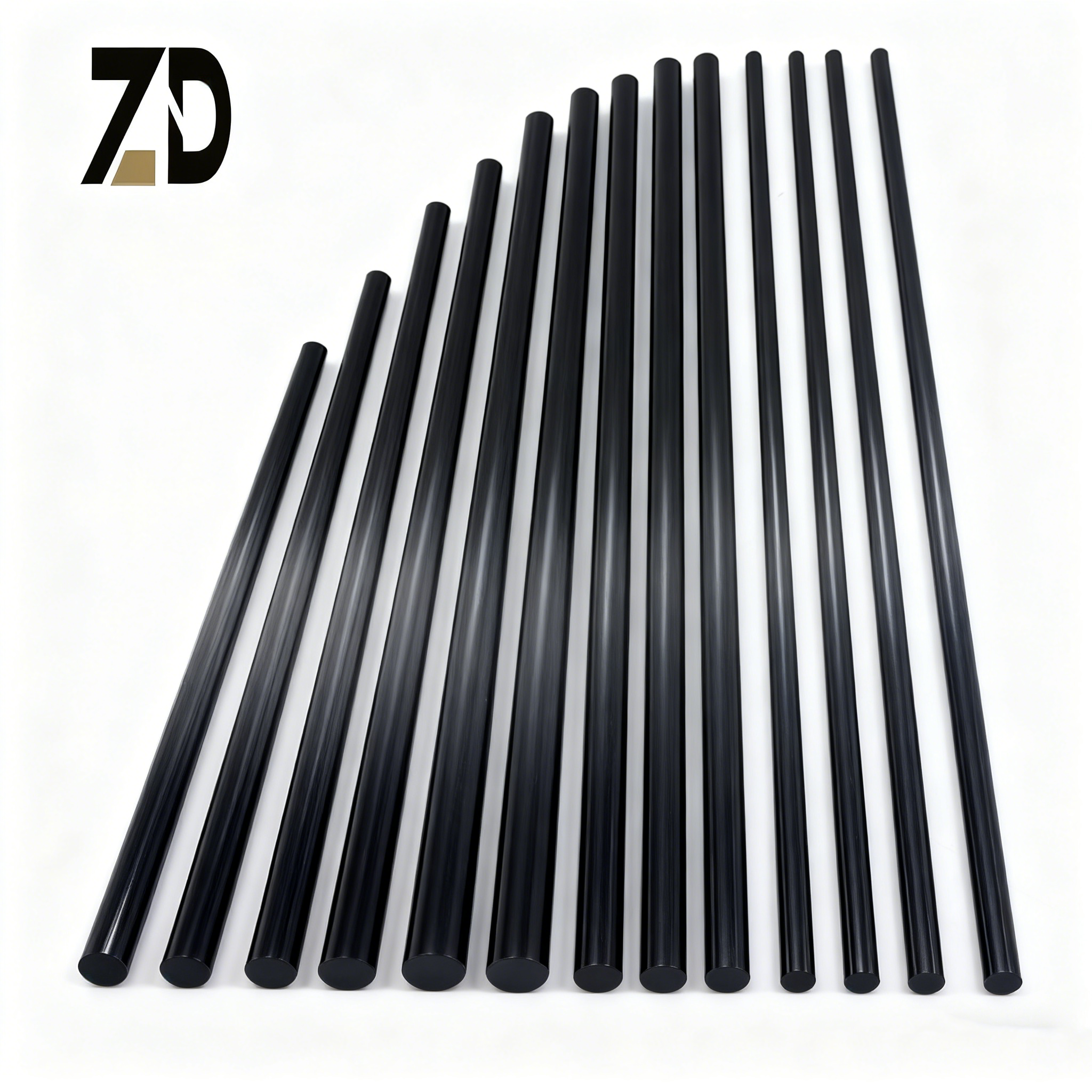
Carbon fiber rods are exceptional materials used across aerospace, automotive, industrial, and sporting equipment applications due to their remarkable strength-to-weight ratio and rigidity. However, many engineers and manufacturers face a critical question when designing assemblies: can carbon fiber rods be drilled or tapped for threaded connections? The straightforward answer is yes, but the process requires specialized knowledge and careful execution. Unlike metallic materials, carbon fiber rods present unique challenges during machining because their composite structure can splinter, delaminate, or crack if improper techniques are applied. Understanding how to properly drill and tap carbon fiber rods is essential for creating reliable, durable threaded connections that maintain the structural integrity of your assemblies.
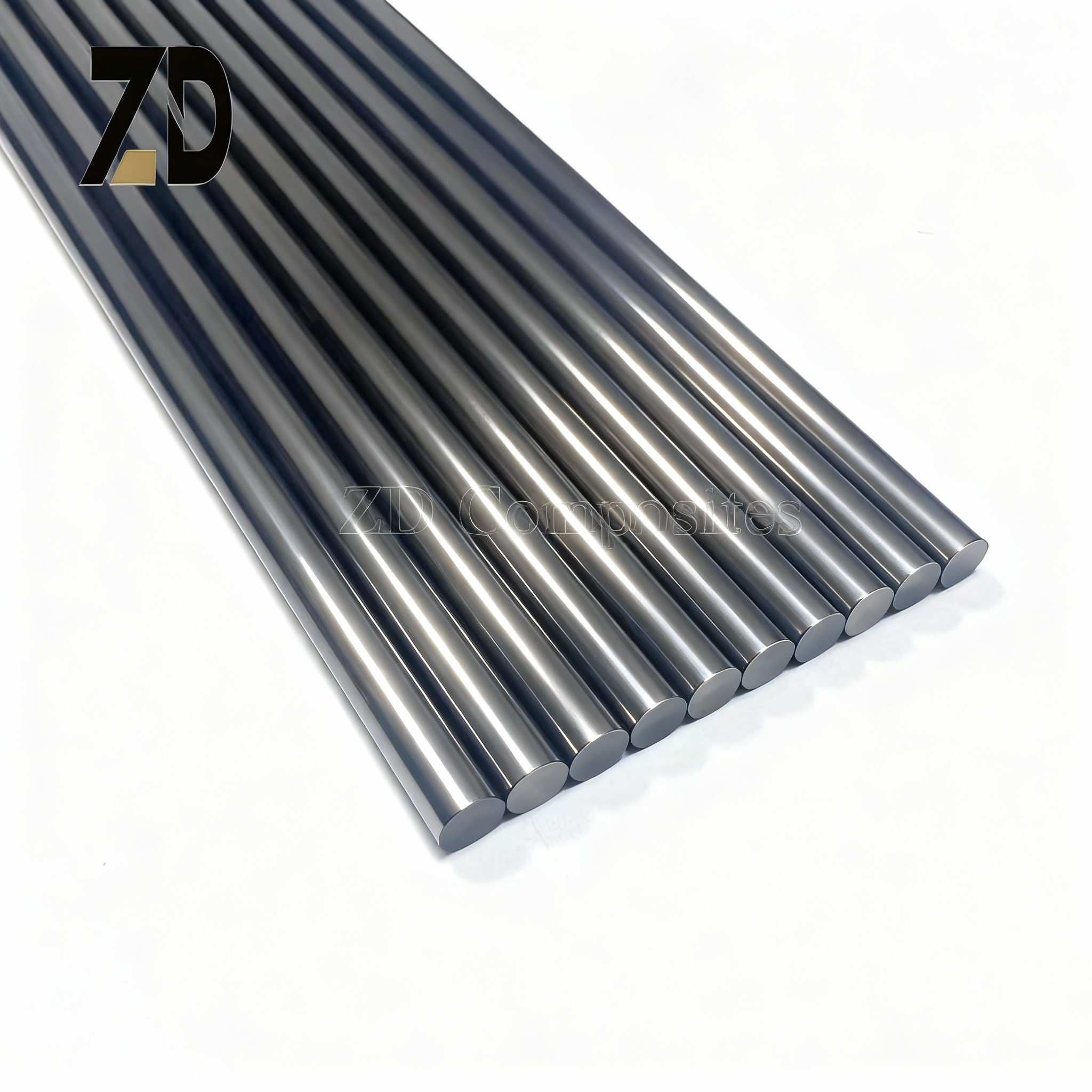
When working with carbon fiber rods, the machining process differs significantly from traditional drilling and tapping procedures used on aluminum or steel. Carbon fiber rods are manufactured from continuous fibers embedded in a resin matrix, which means they respond differently to cutting forces and heat. The challenge intensifies because carbon fiber rods can generate dust particles that pose health risks and require proper ventilation and personal protective equipment. Additionally, carbon fiber rods demand slower speeds, controlled feed rates, and specialized cutting tools to prevent fiber pullout and matrix delamination. This guide explores the proven methods for drilling and tapping carbon fiber rods, the equipment you need, and the safety protocols essential for successful composite machining.
Why Carbon Fiber Rods Require Special Drilling and Tapping Techniques
Understanding Composite Material Properties
Carbon fiber rods differ fundamentally from homogeneous metallic materials because they consist of parallel fibers oriented in specific directions within a thermoset or thermoplastic resin matrix. When you drill or tap carbon fiber rods using standard metallic techniques, the cutting tool can catch on individual fibers, causing them to pull out rather than cleanly shear. This phenomenon, called fiber pullout, weakens the surrounding material and creates stress concentrations that compromise structural performance. Traditional drilling methods for metals generate high heat through friction, but carbon fiber rods can degrade at relatively low temperatures if exposed to sustained cutting heat. The resin matrix begins to soften and lose its binding properties, potentially causing additional delamination where layers of the carbon fiber rods separate from each other.
Impact on Mechanical Properties and Thread Integrity
When carbon fiber rods are drilled or tapped incorrectly, the resulting threads may not hold fasteners securely because the matrix surrounding the fibers becomes damaged or fractured. A poor thread in carbon fiber rods creates stress risers and can lead to fastener loosening or pullout during vibration or thermal cycling. The threads in carbon fiber rods must maintain clean, consistent geometry to distribute load evenly across the fastener connection. Inadequate drilling or tapping procedures create micro-cracks and fiber misalignment that reduce bearing strength, potentially causing the threaded connection to fail at lower loads than expected. This is why precision and controlled machining of carbon fiber rods is not optional for high-reliability applications like aerospace brackets, automotive suspension components, or load-bearing structural elements.
How to Properly Drill Carbon Fiber Rods
Essential Tools and Equipment for Drilling
Drilling carbon fiber rods successfully begins with the right tooling selection. Diamond-coated or carbide drills are strongly recommended for carbon fiber rods because they maintain sharp edges longer than standard high-speed steel bits and generate less heat. The drill press or CNC machine used to drill carbon fiber rods must allow precise speed control, typically in the range of 800 to 2,500 RPM depending on the hole diameter and material thickness. A backing plate made of scrap material or composite waste should be clamped directly behind carbon fiber rods to prevent blowout and splintering on the exit side of the hole. For carbon fiber rods, a vacuum or dust collection system is essential because carbon fiber particles are fine, airborne, and potentially harmful to respiratory health and sensitive equipment.
Drilling Process and Speed Control
When drilling carbon fiber rods, maintain a consistent, slow feed rate that allows the tool to cut cleanly through the matrix without jumping or chattering. For carbon fiber rods, slower speeds (typically 500 to 1,500 RPM for medium-diameter holes) prevent excessive heat generation and allow time for efficient chip evacuation. Pressure on the drill bit should be steady and moderate; forcing the drill too hard into carbon fiber rods will cause fiber pullout and accelerate tool wear, while insufficient pressure may cause the bit to skate across the surface. Frequently retract the drill from carbon fiber rods during machining to clear chips and prevent heat accumulation at the cutting edge. After completing each hole in carbon fiber rods, remove any edge burrs using a countersink, deburring tool, or fine abrasive pad, working carefully to avoid further fiber damage around the hole perimeter.
How to Properly Tap Carbon Fiber Rods for Threaded Connections
Tapping Preparation and Tool Selection
Tapping carbon fiber rods for threaded connections follows drilling but introduces additional complexity because tap tools create cutting forces perpendicular to the drilled hole axis. Before tapping carbon fiber rods, ensure the pilot hole is the correct size for your thread specification; under-size holes force the tap to remove too much material and overstress the matrix, while oversized holes result in loose, weak threads. Spiral-flute or spiral-point taps work better for carbon fiber rods than standard taps because they push chips forward and reduce the risk of thread breakage. Use a tapping fluid specifically formulated for composites when tapping carbon fiber rods; this lubricant reduces heat, improves surface finish on the thread form, and helps protect the resin matrix from thermal degradation.
Tapping Speed and Technique
When tapping carbon fiber rods, run the tapping machine at very low speeds, typically 100 to 300 RPM depending on hole diameter and thread pitch. This slow speed is critical for carbon fiber rods because it minimizes heat generation and allows the matrix to remain intact during thread formation. Apply steady, consistent pressure while tapping carbon fiber rods; do not force the tap or try to accelerate the process. Periodically reverse the tap in small increments (quarter turns or less) while tapping carbon fiber rods to break and evacuate chips, preventing chip jamming and tool breakage. After completing the tapped hole in carbon fiber rods, clean out all debris and inspect the thread profile under magnification to confirm clean, uniform thread geometry free of fiber pullout or matrix cracking.
Best Practices and Safety Considerations for Machining Carbon Fiber Rods
Environmental and Health Protection
Carbon fiber rods release fine particulates during drilling and tapping that pose inhalation risks to workers and can damage precision equipment. Always use respiratory protection, local ventilation, or a closed-loop dust collection system when working with carbon fiber rods in any machining operation. Keep the work area clean and use wet wiping rather than dry sweeping when carbon fiber rods have generated dust. Carbon fiber particles conduct electricity, so ensure that all equipment used for machining carbon fiber rods is properly grounded to prevent static discharge incidents.
Quality Verification and Thread Testing
After drilling and tapping carbon fiber rods, verify thread quality by inserting a test fastener and checking for smooth engagement and adequate clamping tension. For critical applications, carbon fiber rods may require thread inserts or helicoil inserts in the tapped holes to provide a durable metal surface that can withstand repeated fastener installation and removal cycles. Use a thread pitch gauge to confirm correct thread geometry in carbon fiber rods, and conduct pull-out tests or proof-load testing on representative samples to validate that your drilling and tapping procedures produce adequately strong connections.
FAQ
Can all types of carbon fiber rods be drilled and tapped?
Most carbon fiber rods can be drilled and tapped, but the specific resin type, fiber orientation, and wall thickness affect machining difficulty. Unidirectional carbon fiber rods are generally easier to machine than multi-directional woven layups because they have more uniform properties. Always test machining parameters on scrap carbon fiber rods before working on finished parts to confirm your drilling and tapping procedures work safely and produce acceptable thread quality.
What happens if carbon fiber rods delaminate during drilling or tapping?
Delamination in carbon fiber rods during machining indicates improper speed, feed rate, or tool selection. If significant delamination occurs, the carbon fiber rods must be discarded because the structural integrity is compromised and repair is typically not practical. Prevent delamination by using appropriate cutting speeds, maintaining proper feed rates, using high-quality cutting tools, and applying backing plates when drilling carbon fiber rods.
Are thread inserts necessary for tapped carbon fiber rods?
Thread inserts are highly recommended for carbon fiber rods that will experience repeated fastener installation and removal or high vibration loads. The resin matrix in carbon fiber rods is softer than metal threads, so inserts protect the resin from wear and crushing. For static applications or one-time assembly, properly tapped carbon fiber rods may function adequately without inserts, but inserts significantly extend the service life of threaded connections in carbon fiber rods.