Hollow Fiberglass Poles: Lightweight, Durable, and Corrosion-Resistant Solutions for Modern Infrastructure

Get a Free Quote

Our representative will contact you soon.
Email
Name
Company Name
Message
0/1000

hollow fiberglass pole

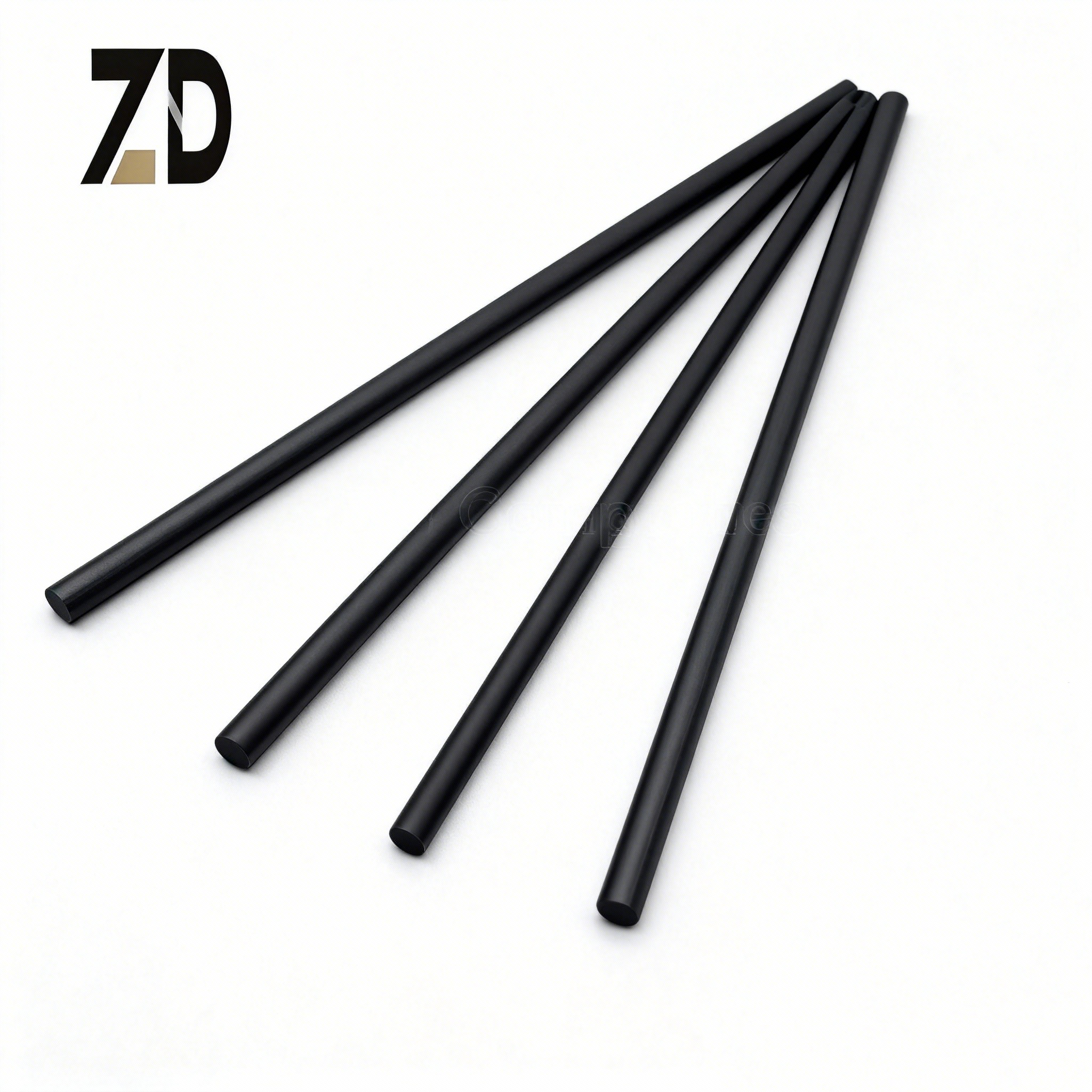
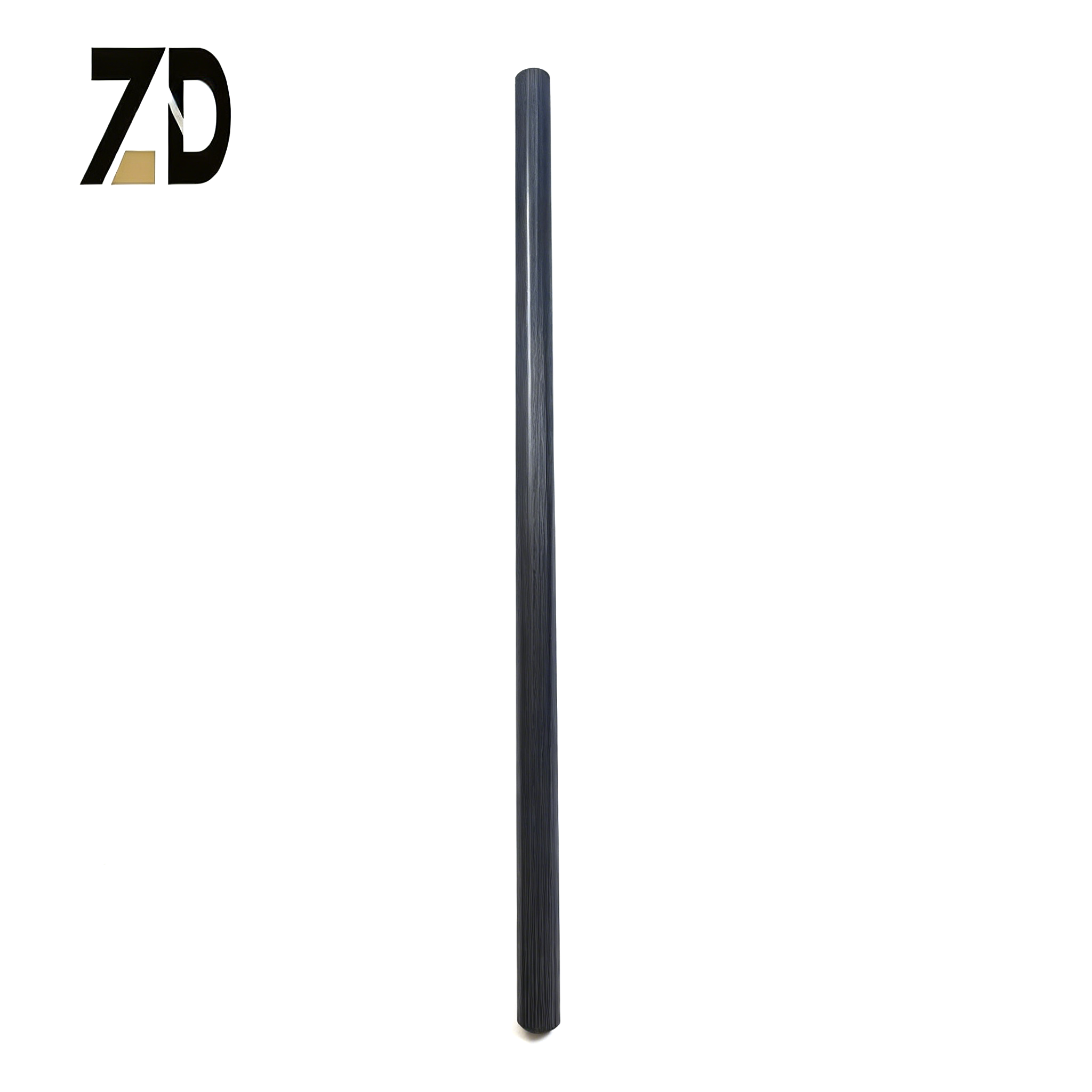
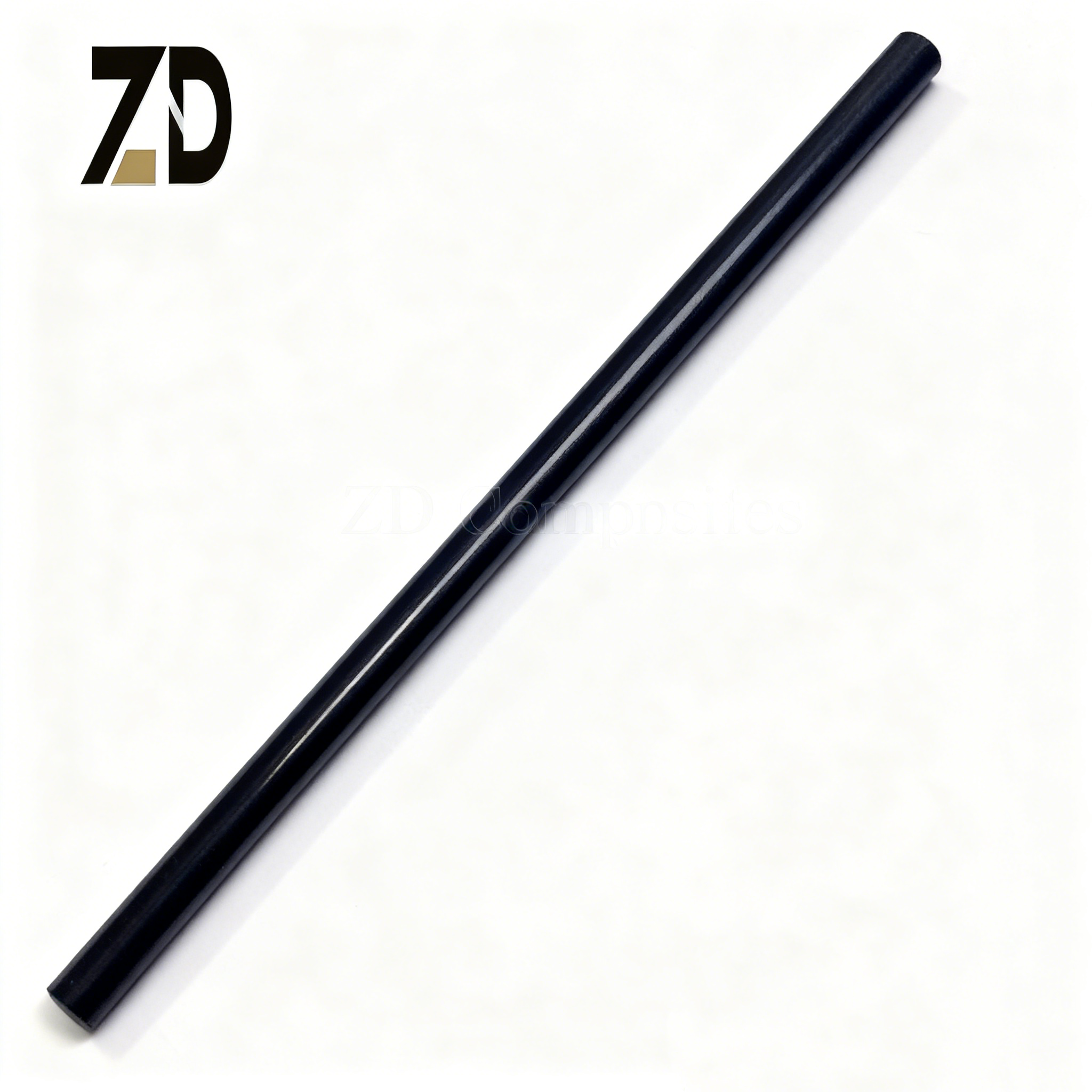
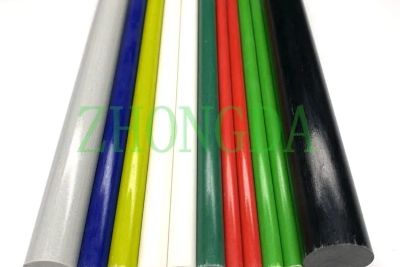
The hollow fiberglass pole represents a revolutionary advancement in structural engineering, combining lightweight design with exceptional strength characteristics. This innovative construction material features a tubular design that eliminates unnecessary weight while maintaining superior load-bearing capabilities. The hollow fiberglass pole utilizes advanced composite materials consisting of glass fiber reinforcement embedded within a polymer matrix, creating a structure that outperforms traditional materials in numerous applications. The manufacturing process involves pultrusion or filament winding techniques, which orient the glass fibers strategically to maximize strength along the pole's length. This hollow fiberglass pole construction method ensures consistent wall thickness and uniform material properties throughout the entire structure. The main functions of these poles include providing structural support, electrical transmission, telecommunications infrastructure, and decorative applications. Their technological features encompass corrosion resistance, electrical insulation properties, UV stability, and dimensional stability across extreme temperature ranges. The hollow design significantly reduces material usage while maintaining structural integrity, making these poles cost-effective solutions for various industries. Applications span across utility companies for power transmission lines, telecommunications providers for antenna mounting, transportation departments for highway lighting, and architectural firms for modern building designs. The hollow fiberglass pole demonstrates superior fatigue resistance compared to steel alternatives, ensuring longer service life with minimal maintenance requirements. These poles resist environmental degradation from moisture, chemicals, and atmospheric conditions that typically affect metal structures. The lightweight nature of hollow fiberglass poles simplifies installation procedures, reduces transportation costs, and minimizes foundation requirements. Their non-conductive properties make them ideal for electrical applications where safety is paramount. The versatility of hollow fiberglass pole manufacturing allows for customization in diameter, wall thickness, length, and surface treatments to meet specific project requirements.

New Products

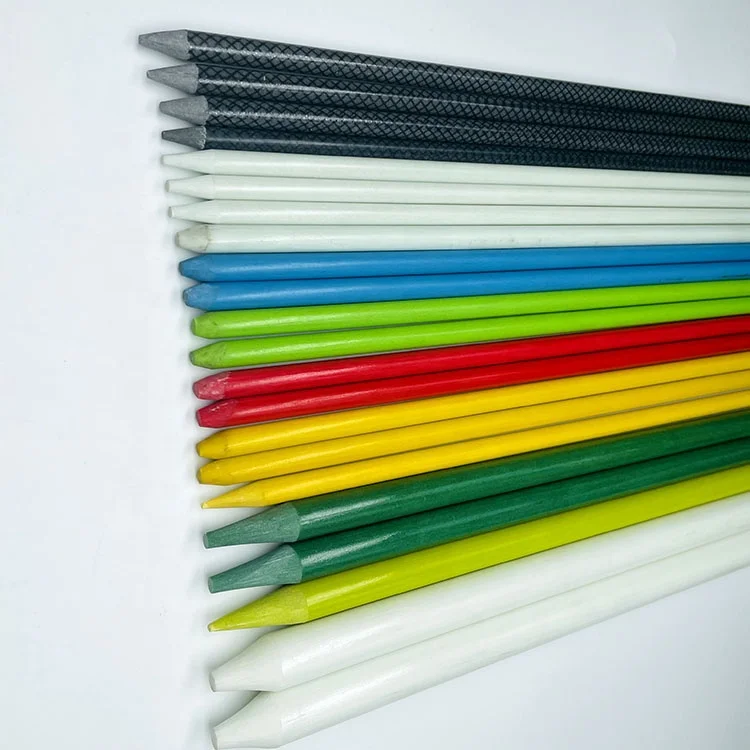
The hollow fiberglass pole offers numerous practical benefits that make it superior to traditional materials in many applications. Weight reduction stands as the most immediate advantage, with hollow fiberglass poles weighing approximately 70% less than equivalent steel structures. This dramatic weight difference translates into significant cost savings during transportation, handling, and installation phases. Workers can easily maneuver these poles without heavy machinery, reducing labor costs and installation time. The corrosion resistance of hollow fiberglass poles eliminates the need for ongoing maintenance treatments that steel poles require. Unlike metal alternatives, these poles never rust, corrode, or deteriorate when exposed to harsh weather conditions, saltwater environments, or industrial chemicals. This resistance extends their operational lifespan to decades without requiring protective coatings or regular inspections. The electrical insulation properties of hollow fiberglass poles provide enhanced safety in utility applications. Workers can perform maintenance tasks with reduced risk of electrical hazards, and the poles themselves prevent electrical faults caused by conductive materials. This feature is particularly valuable in high-voltage applications where safety regulations are stringent. The hollow fiberglass pole design offers excellent strength-to-weight ratios, supporting substantial loads while maintaining structural stability. The composite material distribution throughout the pole walls provides optimal load transfer and stress distribution. Wind resistance capabilities exceed those of solid poles due to the aerodynamic properties and reduced surface area exposed to wind forces. Manufacturing flexibility allows hollow fiberglass poles to be produced in various configurations, colors, and specifications without significant tooling changes. This adaptability enables customers to receive customized solutions that meet exact project requirements. The smooth surface finish of hollow fiberglass poles reduces maintenance cleaning requirements and provides aesthetic appeal in architectural applications. Installation speed increases significantly because hollow fiberglass poles require smaller foundations and lighter equipment for positioning. The dimensional stability of these poles ensures they maintain their shape and structural properties across temperature extremes, preventing warping or distortion that affects performance. Long-term cost analysis demonstrates that hollow fiberglass poles provide superior return on investment through reduced maintenance, extended service life, and lower installation costs compared to traditional materials.

Practical Tips

How to Make a Carbon Fiber Box: Choosing the Right Prepreg, Resin & Mold

20

Oct

How to Make a Carbon Fiber Box: Choosing the Right Prepreg, Resin & Mold

View More
The advantages of fiberglass stakes

20

Oct

The advantages of fiberglass stakes

View More
Applications and advantages of carbon fiber materials in industry

27

Oct

Applications and advantages of carbon fiber materials in industry

View More

Get a Free Quote

Our representative will contact you soon.
Email
Name
Company Name
Message
0/1000

hollow fiberglass pole

Superior Corrosion Resistance and Longevity

Superior Corrosion Resistance and Longevity

The hollow fiberglass pole excels in environments where traditional materials fail due to its exceptional corrosion resistance properties. Unlike steel or aluminum poles that succumb to rust, oxidation, and chemical degradation, the hollow fiberglass pole maintains its structural integrity for decades without deterioration. This remarkable resistance stems from the inherent properties of the glass fiber and resin matrix composition, which creates a barrier against moisture penetration, chemical attack, and electrochemical reactions. In coastal environments where salt spray accelerates metal corrosion, hollow fiberglass poles continue performing optimally without protective coatings or maintenance interventions. Industrial settings with acidic fumes, chemical vapors, or corrosive atmospheres pose no threat to these advanced composite structures. The absence of metal components eliminates galvanic corrosion concerns when hollow fiberglass poles interact with dissimilar materials or grounding systems. This corrosion immunity translates into significant long-term cost savings for facility owners and operators. Traditional metal poles require regular inspection schedules, protective coating applications, and eventual replacement due to structural compromise. The hollow fiberglass pole eliminates these recurring expenses while providing reliable service throughout its extended operational life. Marine applications particularly benefit from this corrosion resistance, as hollow fiberglass poles withstand constant exposure to saltwater, humidity, and marine organisms without degradation. The smooth, non-porous surface of hollow fiberglass poles prevents contamination buildup and facilitates easy cleaning when required. Environmental factors such as acid rain, industrial pollutants, and atmospheric chemicals that rapidly deteriorate metal structures have minimal impact on hollow fiberglass pole performance. This durability advantage makes hollow fiberglass poles the preferred choice for critical infrastructure projects where reliability and longevity are essential. The consistent performance of hollow fiberglass poles in harsh environments provides peace of mind for engineers and project managers who require dependable structural solutions with predictable service life characteristics.
Exceptional Strength-to-Weight Performance

Exceptional Strength-to-Weight Performance

The hollow fiberglass pole achieves remarkable strength-to-weight performance that surpasses traditional materials across multiple engineering criteria. This exceptional characteristic results from the strategic orientation of glass fibers within the polymer matrix, creating a composite structure that maximizes load-bearing capacity while minimizing material weight. The hollow design further enhances this performance by removing unnecessary core material while maintaining the structural moment of inertia required for bending resistance. Advanced manufacturing techniques ensure optimal fiber placement along the pole's length, concentrating strength where mechanical stresses are highest. The hollow fiberglass pole can support substantial loads including wind forces, ice accumulation, and attached equipment while maintaining structural stability under dynamic loading conditions. This strength-to-weight advantage becomes particularly valuable in applications requiring tall structures or extended reach capabilities. The reduced weight of hollow fiberglass poles enables longer spans between support points and allows for more slender designs without sacrificing structural performance. Engineering calculations demonstrate that hollow fiberglass poles can achieve strength values comparable to steel while weighing significantly less, enabling cost-effective solutions for challenging structural requirements. The fatigue resistance of hollow fiberglass poles exceeds that of metal alternatives, ensuring consistent performance under cyclical loading conditions such as wind-induced vibrations or thermal expansion cycles. This durability characteristic prevents stress concentration failures that commonly affect welded steel joints or aluminum connections. The uniform material properties throughout the hollow fiberglass pole structure eliminate weak points or inconsistencies that can compromise overall strength. Quality control during manufacturing ensures consistent wall thickness and fiber orientation, resulting in predictable mechanical properties that engineers can confidently specify in their designs. The strength-to-weight performance of hollow fiberglass poles enables innovative architectural solutions and structural configurations that would be impractical with heavier materials. Transportation and installation benefits multiply when considering multiple pole installations, as the weight savings reduce equipment requirements and safety risks associated with handling heavy structural components.
Electrical Insulation and Safety Benefits

Electrical Insulation and Safety Benefits

The hollow fiberglass pole provides outstanding electrical insulation properties that enhance safety and expand application possibilities in electrical infrastructure projects. This inherent non-conductive characteristic stems from the dielectric properties of glass fibers and polymer resin systems, creating a structure that effectively isolates electrical circuits from ground paths. Unlike metal poles that conduct electricity and create hazardous conditions for maintenance personnel, the hollow fiberglass pole ensures worker safety during installation, inspection, and repair activities. Utility companies increasingly specify hollow fiberglass poles for power distribution systems because they eliminate electrocution risks associated with accidental contact during energized line work. The dielectric strength of hollow fiberglass poles exceeds industry safety standards, providing reliable insulation even under high-voltage conditions. This electrical isolation prevents ground faults, reduces system outages, and improves overall electrical system reliability. The hollow fiberglass pole design also eliminates concerns about lightning strike damage that commonly affects metal structures. While metal poles require complex grounding systems and lightning protection equipment, hollow fiberglass poles can be equipped with external lightning protection that directs electrical energy safely to ground without compromising the pole structure. Electrical testing capabilities are enhanced when using hollow fiberglass poles because test equipment can be safely positioned and operated without concerns about conductive pathways. Maintenance procedures become more efficient as workers can focus on electrical components rather than implementing extensive safety protocols required around conductive structures. The insulation properties of hollow fiberglass poles remain stable across temperature variations and environmental conditions, ensuring consistent safety performance throughout seasonal changes. Radio frequency applications particularly benefit from the dielectric properties of hollow fiberglass poles, as they minimize signal interference and provide clean electrical isolation for sensitive communication equipment. The hollow fiberglass pole construction allows for internal cable routing while maintaining electrical separation between conductors and the supporting structure. This capability enables cleaner installations and reduces external hardware requirements. Safety training requirements are simplified when using hollow fiberglass poles because many electrical hazard protocols associated with conductive structures become unnecessary, reducing training costs and improving worker confidence during maintenance operations.

Get a Free Quote

Our representative will contact you soon.
Email
Name
Company Name
Message
0/1000