Fiberglass Pipe Prices: Cost-Effective Solutions for Industrial Piping Systems

Get a Free Quote

Our representative will contact you soon.
Email
Name
Company Name
Message
0/1000

fiberglass pipe prices

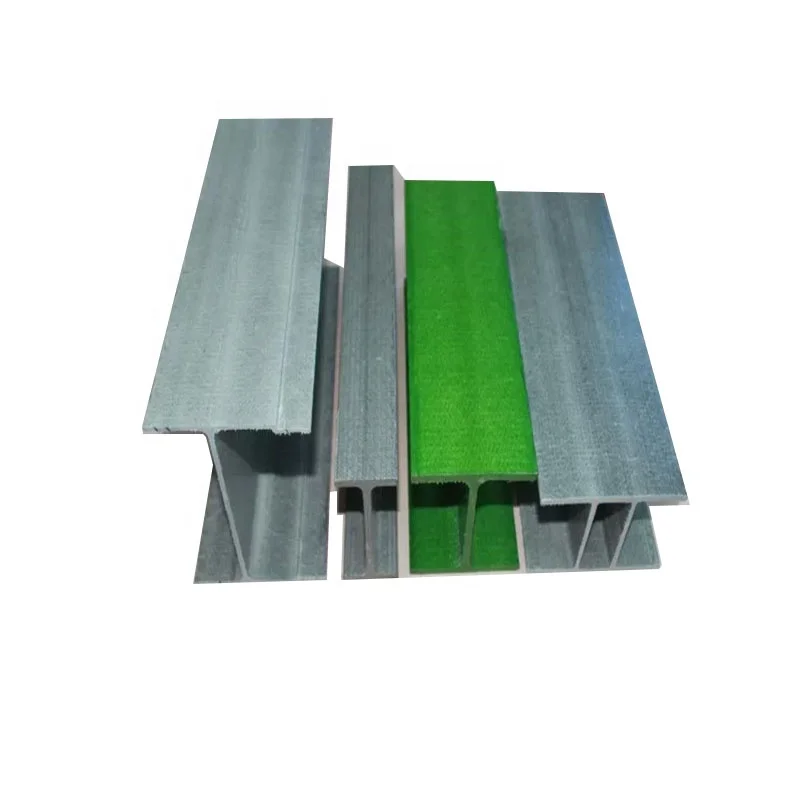
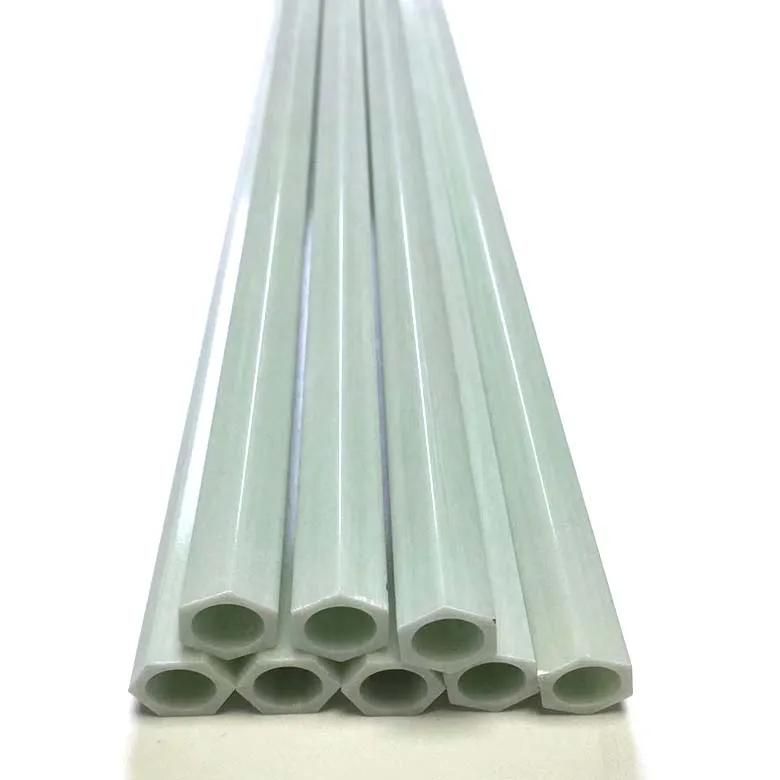
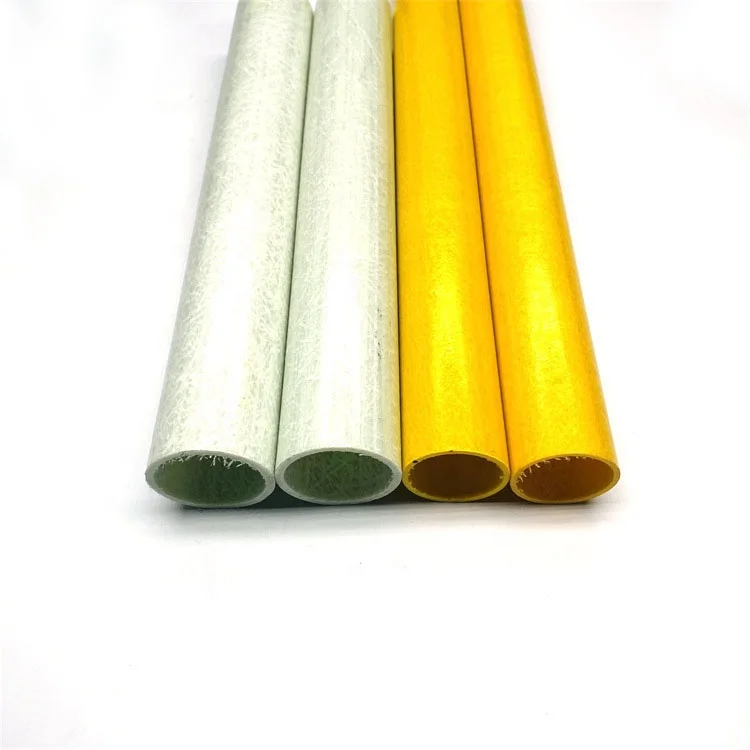
Fiberglass pipe prices reflect the exceptional value proposition of these advanced composite conduits that have revolutionized industrial piping systems across multiple sectors. Understanding fiberglass pipe prices requires examining their core functions, which include transporting corrosive chemicals, potable water, wastewater, oil, gas, and various industrial fluids with superior performance compared to traditional materials. The technological features driving fiberglass pipe prices include their composite construction of glass fiber reinforcement embedded in thermosetting resin matrices, creating lightweight yet incredibly strong conduits. These pipes offer exceptional corrosion resistance, enabling operation in harsh chemical environments where metal pipes would rapidly deteriorate. The filament winding manufacturing process ensures consistent wall thickness and optimal fiber orientation, contributing to their structural integrity and justifying competitive fiberglass pipe prices. Temperature resistance capabilities allow these pipes to function effectively in extreme conditions, from sub-zero environments to high-temperature applications exceeding 200 degrees Fahrenheit. Applications spanning municipal water treatment facilities, chemical processing plants, offshore oil platforms, desalination systems, and power generation facilities demonstrate the versatility reflected in fiberglass pipe prices. The smooth interior surface reduces friction losses, improving flow efficiency and reducing pumping costs over the pipe's operational lifetime. Fiberglass pipe prices also factor in their impressive durability, with service lives often exceeding 50 years under proper installation and maintenance conditions. The non-conductive properties eliminate galvanic corrosion concerns when interfacing with dissimilar materials, while their electromagnetic transparency prevents interference with sensitive electronic equipment. Fiberglass pipe prices encompass various diameter ranges from small residential applications to large industrial installations exceeding 12 feet in diameter. The installation flexibility, including directional drilling capabilities and reduced excavation requirements, influences overall project costs beyond initial fiberglass pipe prices, making them economically attractive for complex routing scenarios.

New Products

Fiberglass pipe prices deliver exceptional value through numerous practical advantages that directly benefit customers across diverse applications. The primary cost advantage emerges from their extended service life, as fiberglass pipe prices represent a one-time investment that eliminates frequent replacement expenses associated with traditional materials. Corrosion immunity ensures that fiberglass pipe prices remain justified over decades of operation, as these pipes resist chemical attack from acids, bases, salts, and organic compounds that destroy metal alternatives. Installation cost savings significantly impact total project economics beyond initial fiberglass pipe prices, since lightweight construction reduces crane requirements, simplifies handling, and accelerates installation schedules. The smooth interior surface maintains consistent flow characteristics throughout the pipe's lifetime, preventing the buildup of scale, corrosion products, or biological growth that increases pumping costs in conventional systems. Energy efficiency improvements result from reduced friction losses, translating to lower operational expenses that quickly offset fiberglass pipe prices through reduced electricity consumption. Maintenance cost elimination represents another compelling advantage, as fiberglass pipes require minimal upkeep compared to steel or concrete alternatives that need regular coating renewal, cathodic protection, or structural repairs. The non-conductive nature prevents galvanic corrosion at joints and fittings, eliminating expensive isolation systems required with metallic piping. Temperature stability ensures consistent performance across seasonal variations, preventing thermal stress failures that necessitate emergency repairs and service disruptions. Fiberglass pipe prices reflect superior hydraulic efficiency that maintains design flow rates throughout the system's operational life, avoiding the capacity degradation experienced with corroding materials. Chemical compatibility eliminates the need for expensive liner systems or exotic alloy upgrades when handling aggressive media. The flexibility of fiberglass pipes reduces stress concentrations at direction changes, minimizing joint failures and associated repair costs. Fiberglass pipe prices include inherent UV resistance for above-ground installations, eliminating protective coating expenses and maintenance cycles. The dimensional stability prevents joint separation or misalignment issues common with materials experiencing thermal expansion and contraction cycles.

Tips And Tricks

How to Make a Carbon Fiber Box: Choosing the Right Prepreg, Resin & Mold

20

Oct

How to Make a Carbon Fiber Box: Choosing the Right Prepreg, Resin & Mold

View More
The advantages of fiberglass stakes

20

Oct

The advantages of fiberglass stakes

View More
Applications and advantages of carbon fiber materials in industry

27

Oct

Applications and advantages of carbon fiber materials in industry

View More

Get a Free Quote

Our representative will contact you soon.
Email
Name
Company Name
Message
0/1000

fiberglass pipe prices

Long-Term Cost Effectiveness Through Superior Durability

Long-Term Cost Effectiveness Through Superior Durability

Fiberglass pipe prices represent an intelligent investment strategy when evaluated against their exceptional durability characteristics that deliver decades of reliable service with minimal maintenance requirements. The composite construction methodology utilized in manufacturing these pipes creates a homogeneous structure where glass fiber reinforcement provides tensile strength while the resin matrix offers comprehensive chemical resistance, ensuring that fiberglass pipe prices reflect true long-term value rather than simply initial acquisition costs. Unlike traditional materials that experience gradual degradation through corrosion, erosion, or chemical attack, fiberglass pipes maintain their structural integrity and hydraulic efficiency throughout their operational lifetime, which commonly exceeds 50 years in properly designed applications. This longevity factor significantly impacts the total cost of ownership calculations, as fiberglass pipe prices eliminate the recurring expenses associated with premature replacement, extensive maintenance programs, and unexpected system failures that plague conventional piping materials. The manufacturing process involves precise control of fiber orientation and resin distribution, creating pipes that resist fatigue failures, stress corrosion cracking, and other time-dependent degradation mechanisms that compromise system reliability. Fiberglass pipe prices also reflect their ability to maintain design pressure ratings throughout their service life, unlike metal pipes that experience wall thinning due to internal corrosion or external environmental attack. The absence of maintenance requirements such as internal cleaning, coating renewal, or cathodic protection systems translates to substantial operational savings that validate the initial fiberglass pipe prices investment. Furthermore, the predictable service life enables accurate lifecycle cost analysis and capital planning, allowing facility managers to budget effectively without concerns about premature replacement needs. The dimensional stability of fiberglass pipes prevents joint loosening, gasket failures, and alignment problems that create expensive emergency repair situations, ensuring that fiberglass pipe prices deliver consistent value without hidden costs throughout the system's operational period.
Chemical Resistance Excellence Across Diverse Applications

Chemical Resistance Excellence Across Diverse Applications

Fiberglass pipe prices reflect unmatched chemical resistance capabilities that enable safe, reliable fluid transport across the most challenging industrial environments where traditional materials would rapidly fail and require costly replacement or extensive protective measures. The thermosetting resin matrix used in fiberglass pipe construction provides comprehensive resistance to acids, bases, salts, organic solvents, and other aggressive chemicals that attack metallic piping systems, making fiberglass pipe prices highly competitive when considering the elimination of expensive alloy upgrades or protective coating systems. This chemical immunity extends across a broad pH range, from highly acidic conditions encountered in chemical processing facilities to strongly alkaline environments found in pulp and paper operations, demonstrating why fiberglass pipe prices represent superior value in demanding applications. The non-reactive nature of the composite material prevents contamination of transported fluids, ensuring product purity in pharmaceutical, food processing, and potable water systems where metallic ions or corrosion products could compromise quality standards and regulatory compliance. Fiberglass pipe prices also account for their resistance to stress corrosion cracking, a failure mechanism that affects stainless steel and other high-performance alloys under specific chemical and stress conditions, eliminating the risk of catastrophic failures that could result in environmental incidents or production shutdowns. The homogeneous construction ensures that chemical resistance properties remain consistent throughout the pipe wall thickness, unlike lined pipes where coating damage can expose vulnerable substrate materials to chemical attack. Temperature effects on chemical resistance remain minimal within normal operating ranges, ensuring that fiberglass pipe prices deliver consistent performance across seasonal variations and process upsets that might compromise alternative materials. The broad compatibility matrix enables single material selection for multi-service applications, simplifying inventory management and reducing spare parts requirements compared to systems requiring multiple alloy grades. Fiberglass pipe prices reflect this versatility advantage, as facility managers can standardize on one material platform while maintaining optimal performance across diverse chemical service conditions without compromising safety margins or operational reliability.
Installation Efficiency and Reduced Infrastructure Requirements

Installation Efficiency and Reduced Infrastructure Requirements

Fiberglass pipe prices deliver exceptional value through installation advantages that significantly reduce total project costs beyond the initial material acquisition, creating compelling economic benefits for both new construction and replacement applications in challenging environments. The lightweight characteristics of fiberglass pipes, typically 75% lighter than equivalent steel pipes, drastically reduce crane capacity requirements, foundation loading, and structural support needs, translating to substantial savings in construction equipment, concrete work, and steel reinforcement that often exceed the differential in fiberglass pipe prices compared to heavier alternatives. Installation productivity improvements result from easier handling characteristics that enable smaller crews to accomplish more work per day, reducing labor costs and project schedules that impact overall facility commissioning timelines and revenue generation potential. Fiberglass pipe prices also reflect their compatibility with trenchless installation methods including horizontal directional drilling, pipe bursting, and slip-lining techniques that minimize surface disruption in urban environments or sensitive ecological areas where traditional excavation would incur significant permitting delays and restoration costs. The flexibility of fiberglass pipes allows accommodation of ground settlement, seismic activity, and thermal expansion without requiring expensive expansion joints or flexible connections that add complexity and potential failure points to the system design. Joining methods including bell and spigot gasket systems, adhesive bonding, and mechanical coupling options provide installation flexibility that adapts to varying field conditions and crew capabilities, ensuring that fiberglass pipe prices remain competitive regardless of local labor skills or available equipment. The corrosion resistance eliminates requirements for expensive cathodic protection systems, electrical isolation devices, and protective coatings that add significant installation complexity and ongoing maintenance obligations to metallic piping systems. Fiberglass pipe prices encompass their ability to be installed in direct soil contact without bedding material upgrades or corrosion protection measures, simplifying excavation and backfill operations while reducing material costs and environmental impact. The non-conductive properties prevent stray current corrosion issues and eliminate grounding complications that can affect nearby underground utilities or sensitive electronic equipment, avoiding costly coordination requirements and specialized installation procedures that impact project schedules and budgets.

Get a Free Quote

Our representative will contact you soon.
Email
Name
Company Name
Message
0/1000