Superior Corrosion Resistance for Extended Service Life
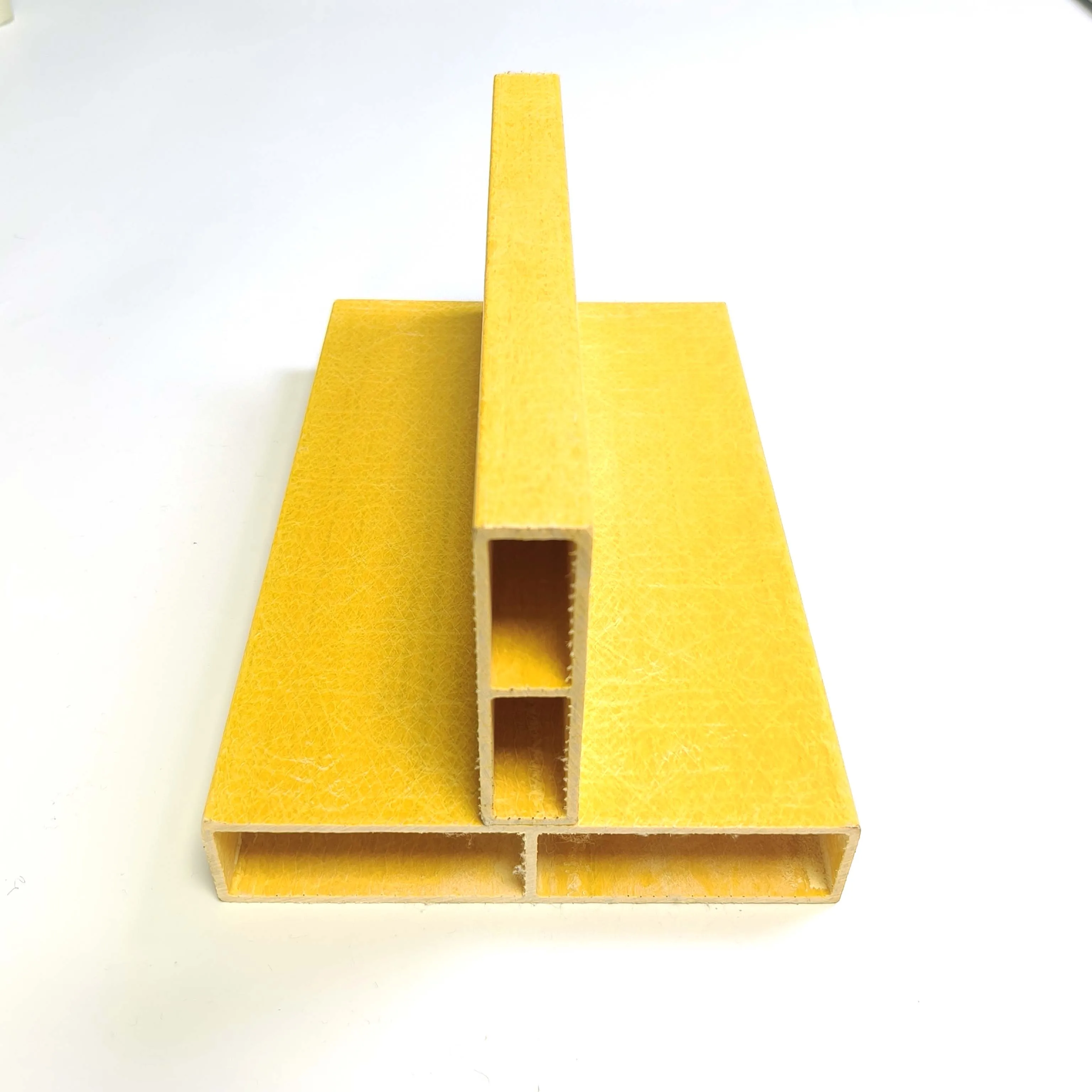
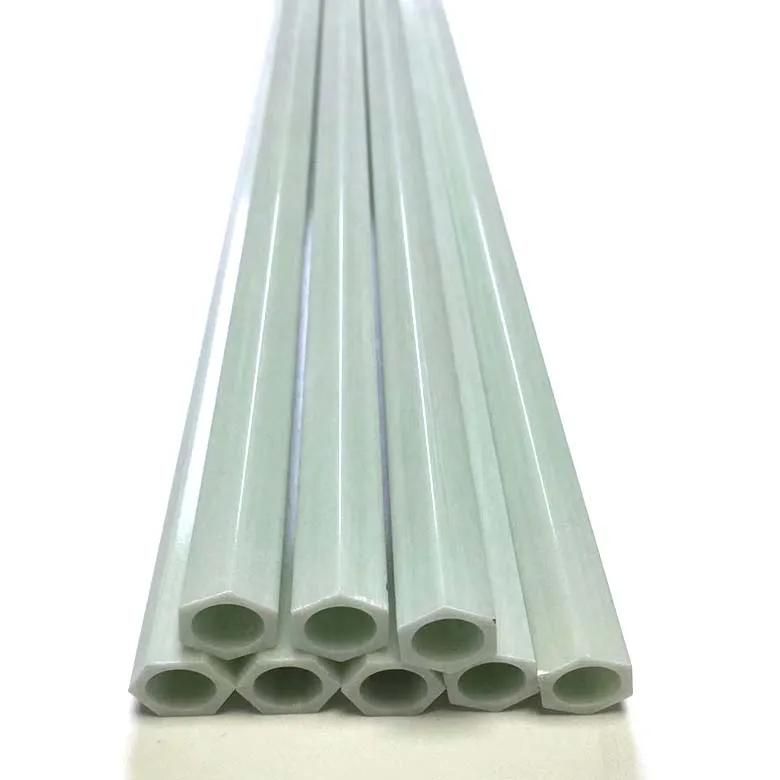
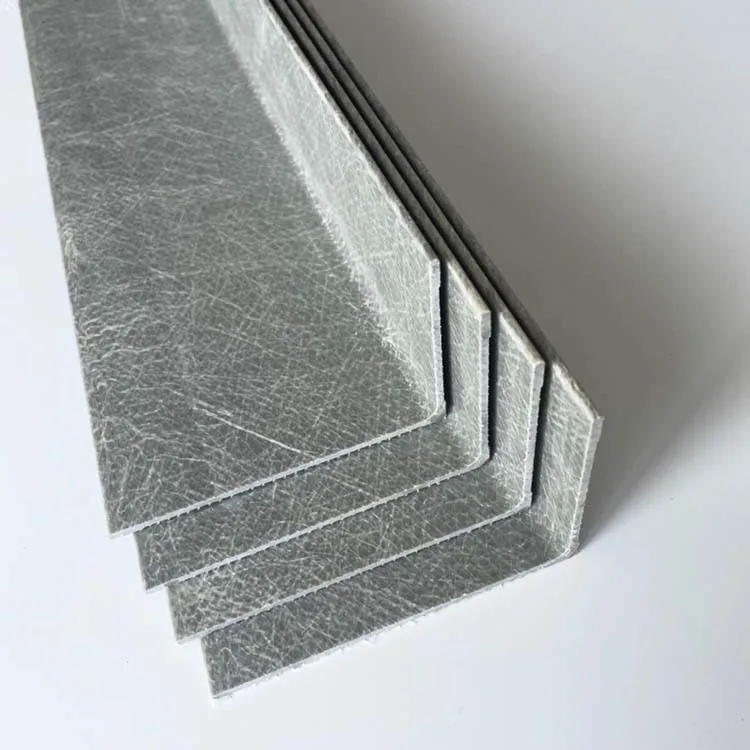
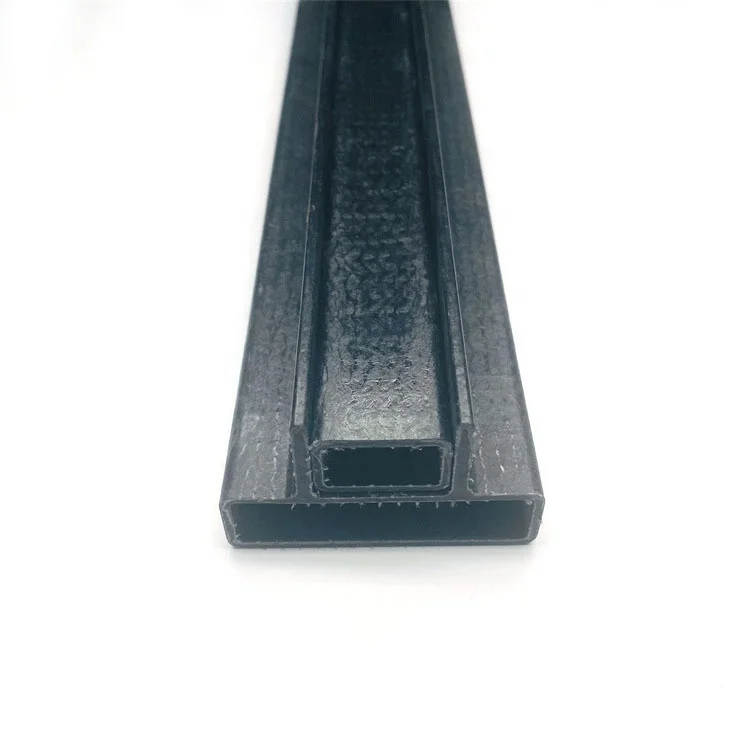
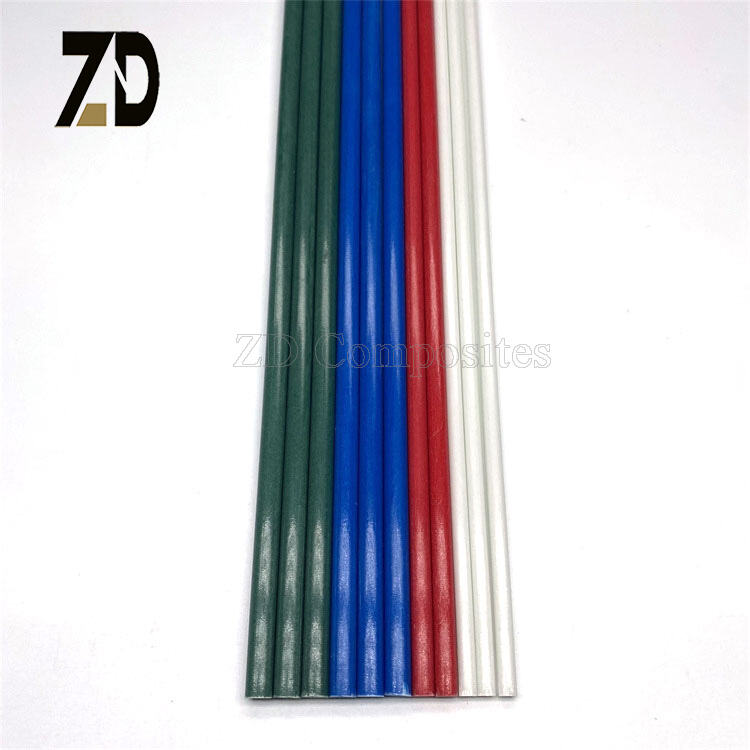
The exceptional corrosion resistance of fiberglass flat bar represents one of its most valuable characteristics, delivering unmatched performance in challenging environmental conditions where traditional materials fail prematurely. This remarkable property stems from the inherent chemical stability of glass fibers combined with specially formulated resin systems that create an impermeable barrier against corrosive agents. Unlike steel or aluminum alternatives that require extensive protective coatings and regular maintenance to prevent oxidation, the fiberglass flat bar maintains its structural integrity and appearance throughout decades of service without degradation. The material demonstrates outstanding resistance to acids, alkalis, salt water, industrial chemicals, and atmospheric pollutants that rapidly attack metallic components. In marine environments, where salt spray and constant moisture exposure destroy conventional materials within years, the fiberglass flat bar continues performing reliably for 25-50 years without replacement needs. Chemical processing facilities benefit tremendously from this corrosion immunity, as the material withstands exposure to concentrated acids, caustic solutions, and volatile organic compounds that would dissolve or weaken other structural elements. The economic implications prove substantial, as facility managers eliminate recurring costs associated with protective coatings, rust inhibitors, cathodic protection systems, and frequent component replacements. Maintenance schedules become significantly simplified, reducing operational disruptions and labor expenses while improving overall plant reliability. The fiberglass flat bar maintains its load-bearing capacity throughout its service life, unlike corroded steel that experiences progressive strength reduction over time. This reliability factor enables engineers to design structures with confidence in long-term performance without conservative safety factors necessitated by corrosion uncertainty. Environmental sustainability benefits emerge from eliminated coating chemicals, reduced replacement frequency, and lower lifecycle environmental impact. Users in wastewater treatment facilities, offshore platforms, chemical storage areas, and coastal infrastructure projects report dramatic improvements in maintenance costs and system reliability when switching from traditional materials to fiberglass flat bar solutions. The material's consistent performance in aggressive environments provides peace of mind for critical applications where failure consequences could prove catastrophic or extremely expensive.
 ×
×

 EN
EN